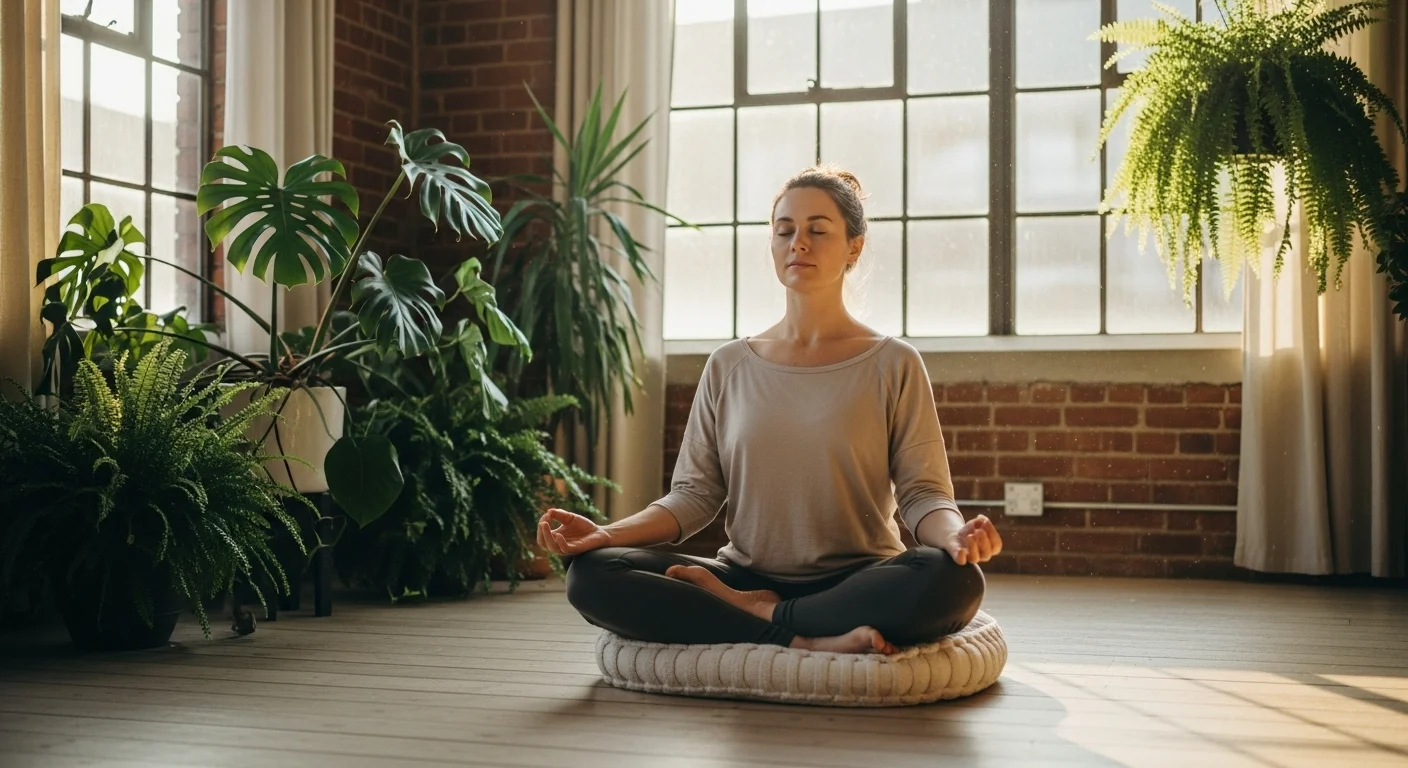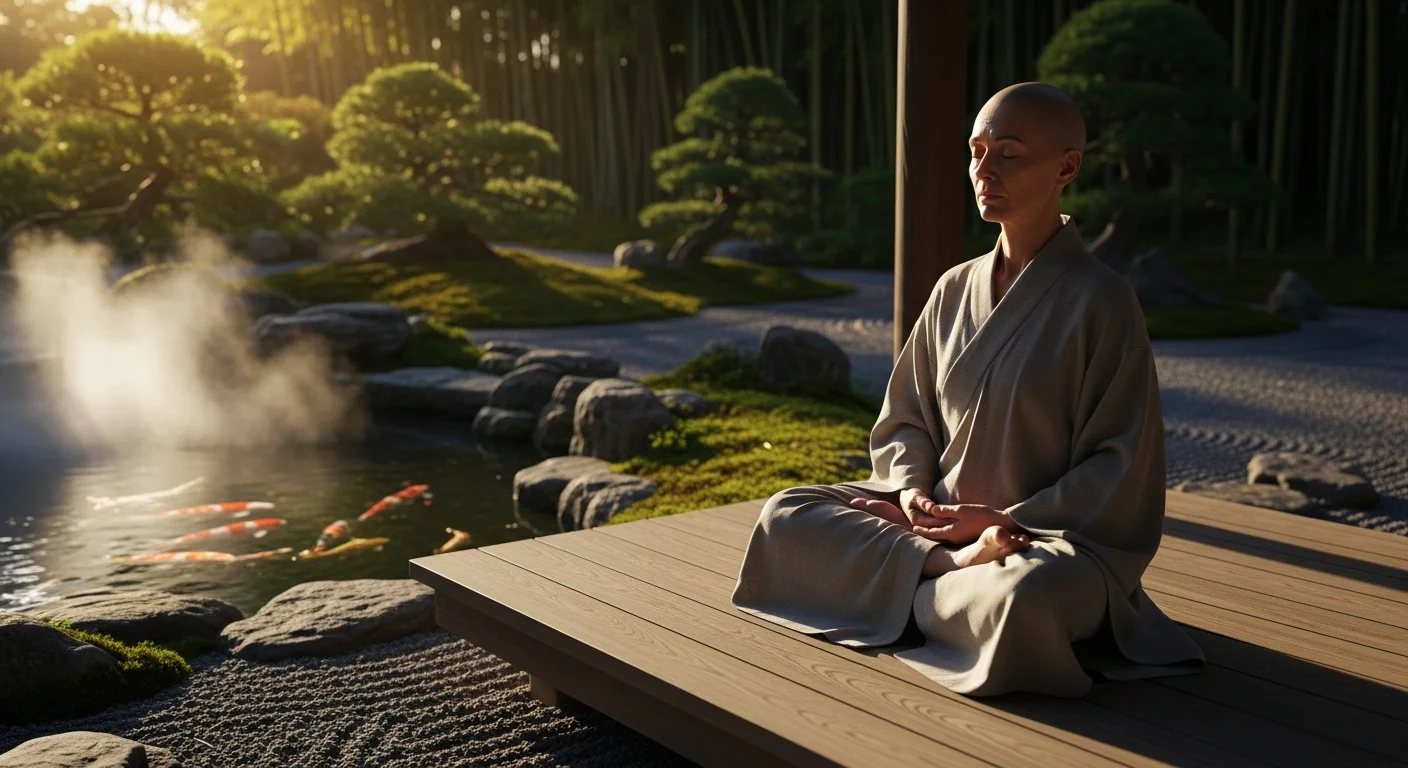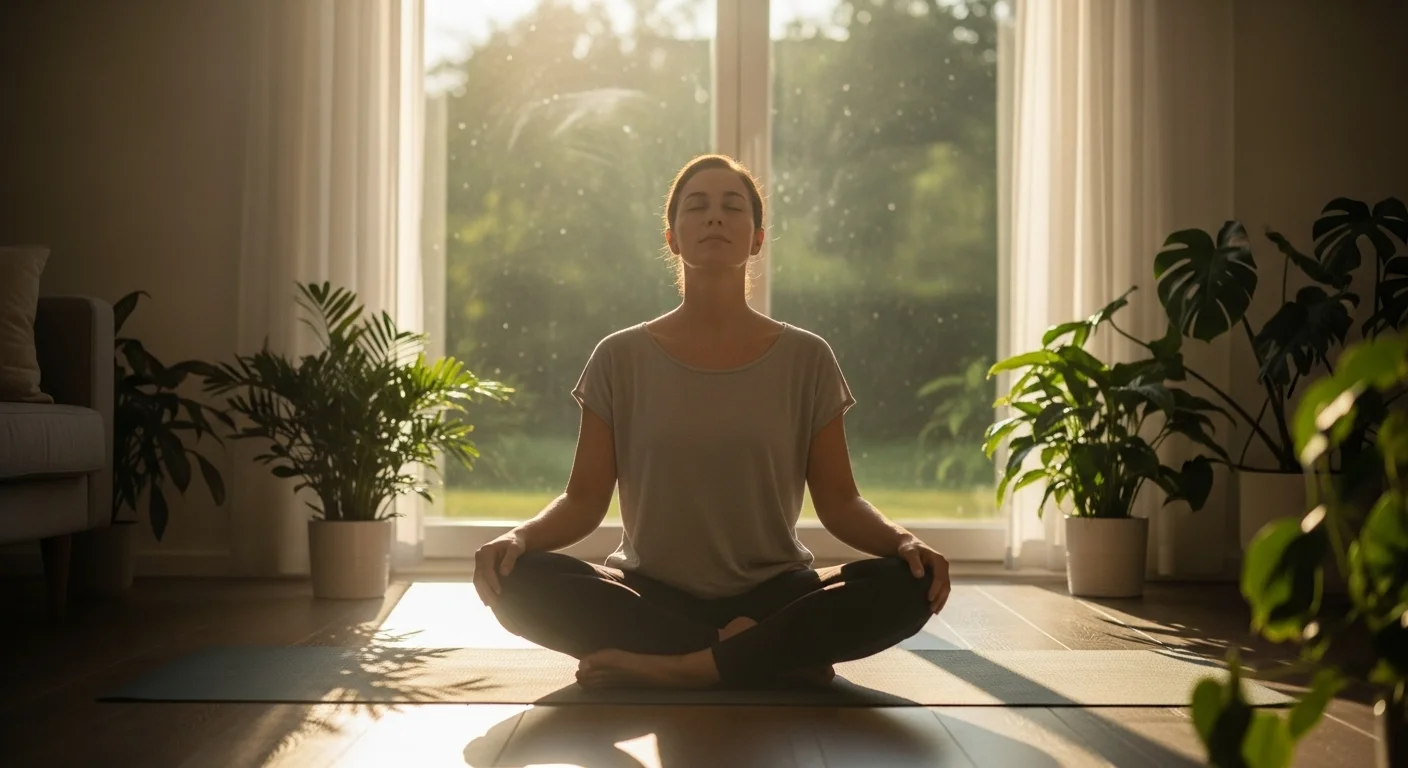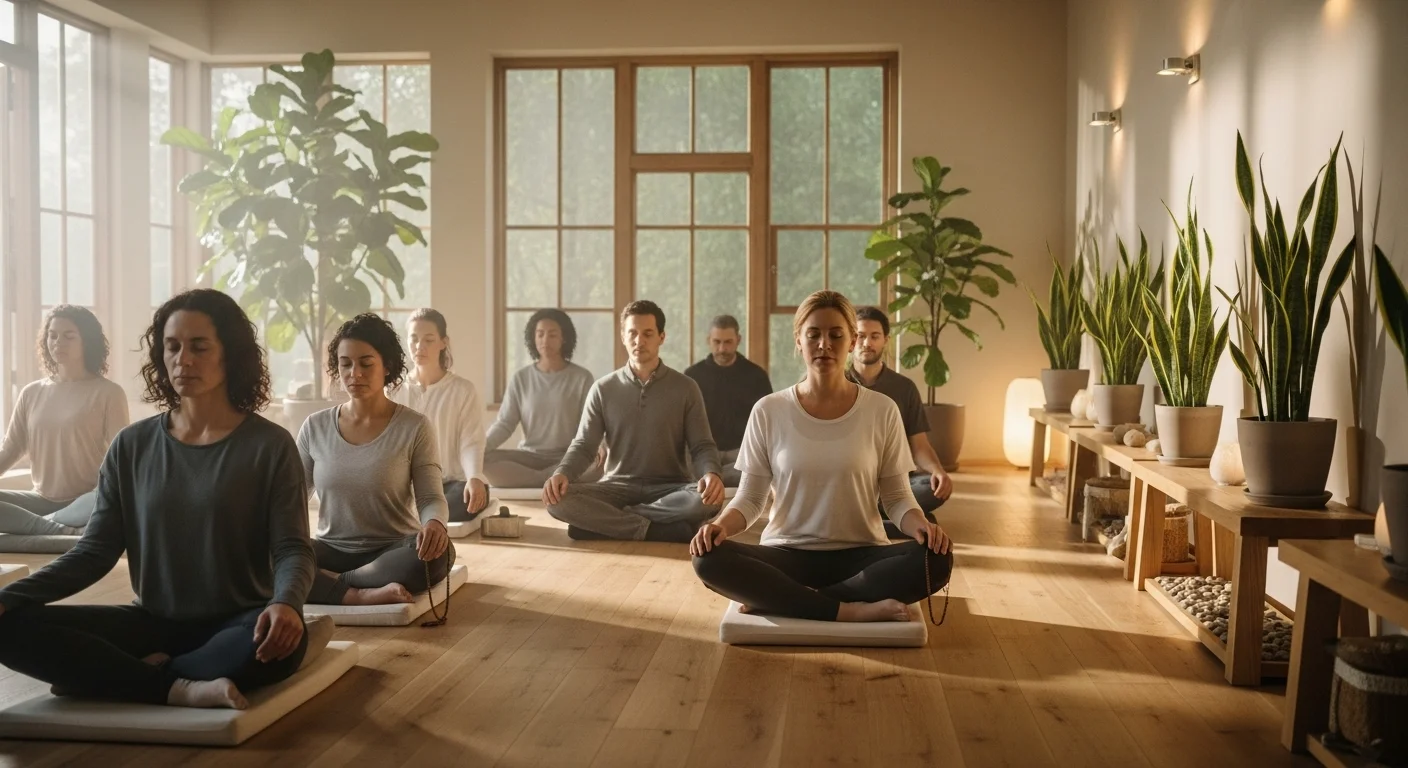
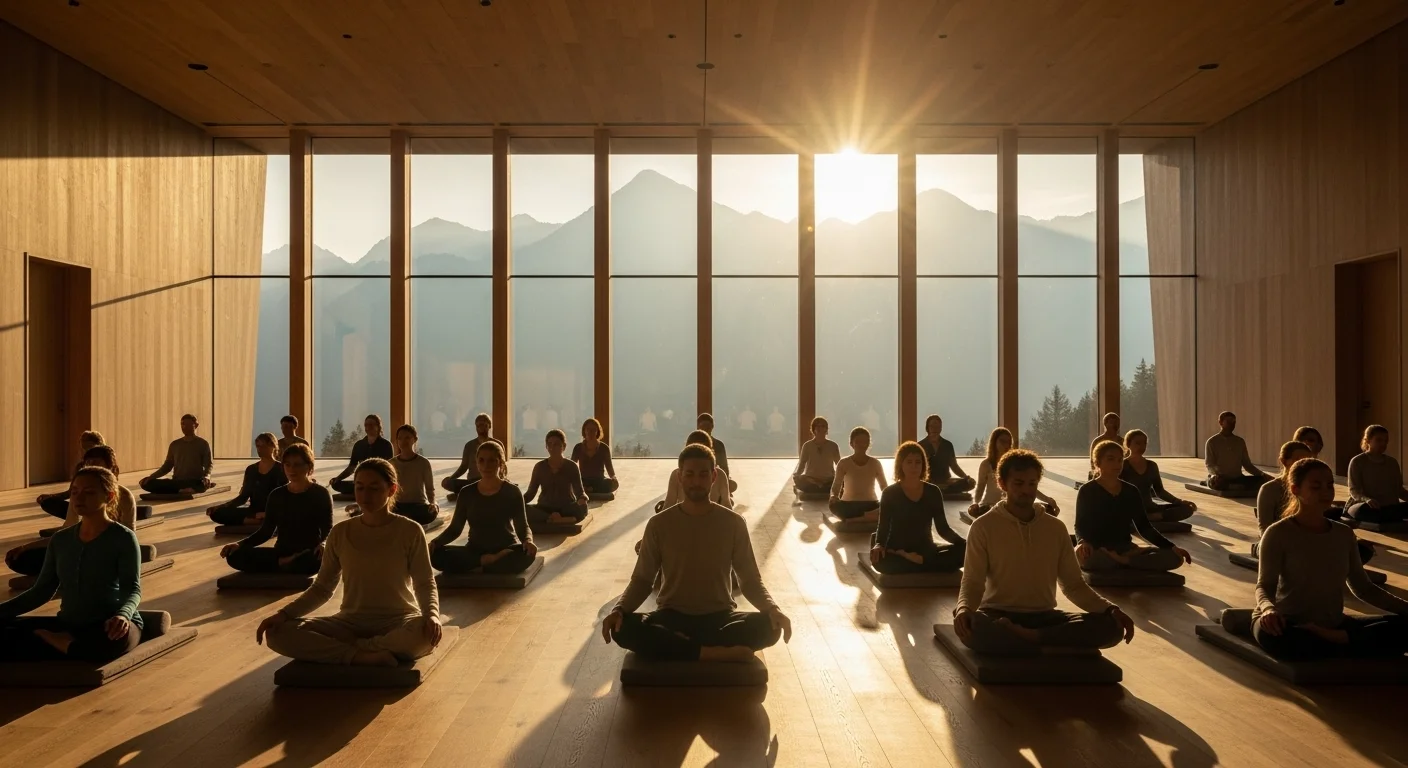
A meditation retreat is a specific period dedicated to the practice of mindfulness. Participants withdraw from their daily lives to focus on mental training. These events typically occur in quiet locations designed to minimize external distractions and noise.
Qualified instructors guide students through various techniques during the course. The daily schedule usually includes sitting sessions, walking exercises, and meals. This structured approach helps attendees maintain discipline and ensures they spend maximum time on their practice.
Retreats vary in duration from a few days to several weeks. Many programs enforce a rule of silence to aid concentration. This setting removes social obligations and allows individuals to direct their attention inward without standard interruptions.
Types of Meditation Retreats
Silent retreats require participants to remain quiet for the entire duration. This type often follows the Vipassana tradition and focuses on deep introspection. Teachers provide instructions during specific sessions, but social interaction among attendees is strictly prohibited to maintain mental focus.
Guided retreats offer a structured schedule with frequent instructions from a leader. These events often include yoga sessions, wellness workshops, and group discussions. They are suitable for beginners who need assistance learning techniques and prefer a supportive community environment while practicing.
Some retreats follow specific religious traditions, such as Buddhist monasteries that involve chanting and scripture study. In contrast, secular retreats focus solely on stress reduction and mindfulness skills without spiritual elements. Participants should choose a program that aligns with their personal goals.
Daily Activities and Schedule
Most retreats begin very early in the morning. Participants usually wake up before sunrise to attend the first meditation session. This session often lasts for one hour. After this practice, the group eats a simple breakfast together in silence.
The day continues with alternating periods of sitting and walking meditation. Teachers provide specific instructions during these sessions to guide students. You will repeat this cycle throughout the afternoon. A lunch break occurs at noon, which is typically the final meal.
Evening schedules include a discourse or lecture about meditation theory. A lighter session of practice follows this talk. Participants return to their rooms to sleep by a specific time. This structure ensures everyone gets enough rest for the next day.

Benefits of Participation
Participating in a meditation retreat provides a significant reduction in daily stress levels. By removing distractions and routine obligations, attendees can focus entirely on their mental state. This environment fosters greater mental clarity and helps individuals process difficult emotions effectively.
These programs offer structured guidance from experienced instructors to deepen personal practice. Participants learn specific techniques to maintain attention and regulate their breathing patterns. Consistency during the retreat builds a strong foundation for continuing meditation at home after the event concludes.
Attendees often report physical improvements alongside mental changes. Extended periods of rest and relaxation lower blood pressure and decrease heart rate. This restoration of the nervous system leads to better sleep quality and higher energy levels upon returning to normal activities.
Preparation Requirements
Most retreats require participants to complete a registration form and disclose any medical conditions before attending. You should pack comfortable clothing that allows for easy movement during sitting sessions. Check the specific packing list provided by the center for essential items.
Participants must usually agree to follow a code of conduct, which often includes maintaining silence and abstaining from technology. You should inform family and employers that you will be unreachable during this time. This ensures a focused environment for all students.
Some centers recommend establishing a daily meditation routine before the retreat begins to help the body adjust. Reducing caffeine intake and heavy meals a few days prior can also minimize physical discomfort. Read all the pre-arrival instructions sent by the organizers.
Selection of a Retreat Center
You should begin by searching for centers that match your specific needs. Consider the location of the facility and the travel time required to reach it. Some centers offer accommodations in remote areas, while others are located near major cities.
Investigate the type of meditation taught at the specific center. Different traditions utilize distinct techniques, such as mindfulness or silent contemplation. Review the credentials of the teachers to ensure they have proper training and experience to guide the sessions.
Check the total cost of the program and what the fee includes. Some retreats provide meals and private rooms, while others require shared lodging. Read the daily schedule and the code of conduct to understand the expected behavior.