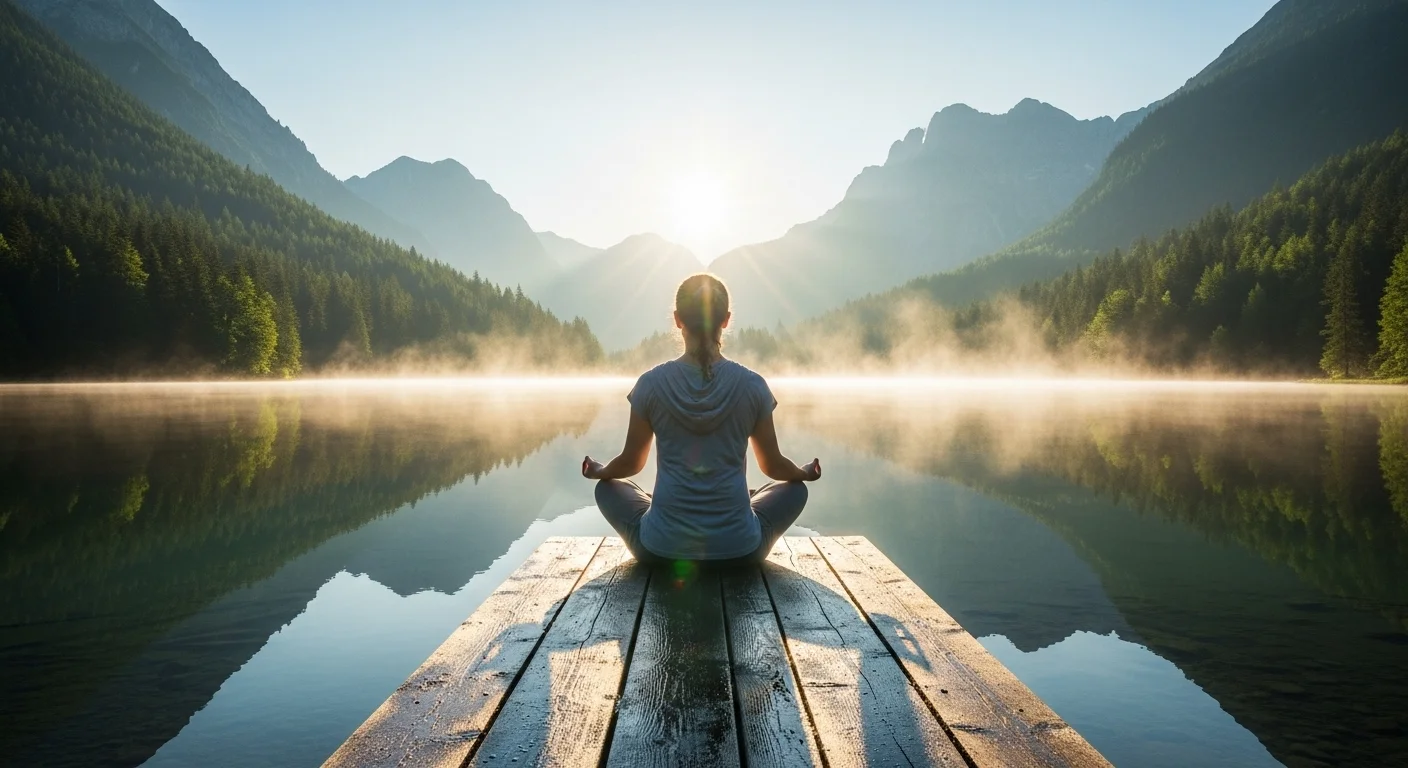
Stress triggers the release of cortisol in the body. This hormone prepares you for immediate physical action. Meditation lowers cortisol levels by inducing a state of deep relaxation. This process signals the nervous system to return to a calm state.
Chronic stress often results from repetitive negative thoughts. Meditation trains the mind to focus on the present moment. This practice breaks the cycle of rumination and worry. Consequently, the brain spends less energy on hypothetical problems and future anxieties.
Regular practice changes how the brain responds to pressure. Studies show that meditation reduces activity in the amygdala, which processes fear. This structural change helps individuals handle difficult situations with better emotional control. The result is increased resilience over time.
Key Benefits of Meditation for Stress Management
Meditation triggers the body’s relaxation response. This process lowers blood pressure and reduces heart rate. It also decreases the production of cortisol, which is the primary stress hormone. Regular practice helps the body return to a calm state more efficiently.
Practicing mindfulness improves focus and attention. This reduces the tendency to worry about the future or regret the past. By keeping thoughts in the present moment, meditation breaks the cycle of negative thinking that often causes significant mental stress.
Consistent meditation alters the brain’s structure and function. This change enhances emotional regulation and resilience. Individuals become better equipped to handle difficult situations without feeling overwhelmed. Consequently, daily stressors have a smaller impact on overall well-being and mental health.
Types of Meditation to Reduce Stress
Mindfulness meditation involves focusing your attention on the present moment. You sit quietly and observe your thoughts without judgment. This practice helps you notice your breathing and physical sensations. It is an effective method for lowering stress levels and increasing overall mental clarity.
Guided visualization requires you to form mental images of relaxing places. You often listen to a specific recording or instructor during this process. The goal is to use your senses to create calmness. This technique moves your focus away from current daily worries.
Mantra meditation uses a repeated word or phrase to focus the mind. You silently say this sound to limit internal distractions. This repetition stops specific thoughts from causing anxiety. Regular practice promotes deep rest and decreases the physical symptoms associated with chronic stress.
Steps to Begin a Meditation Practice
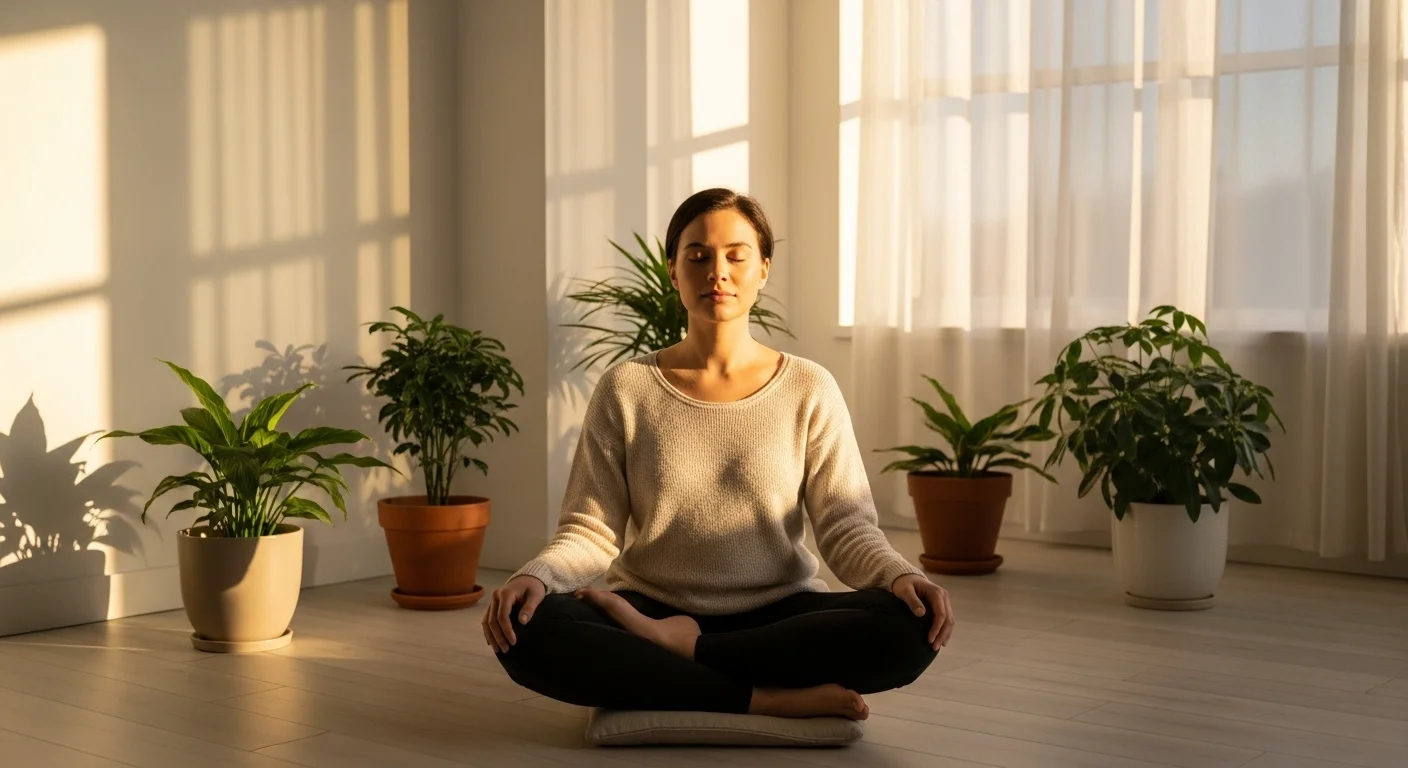
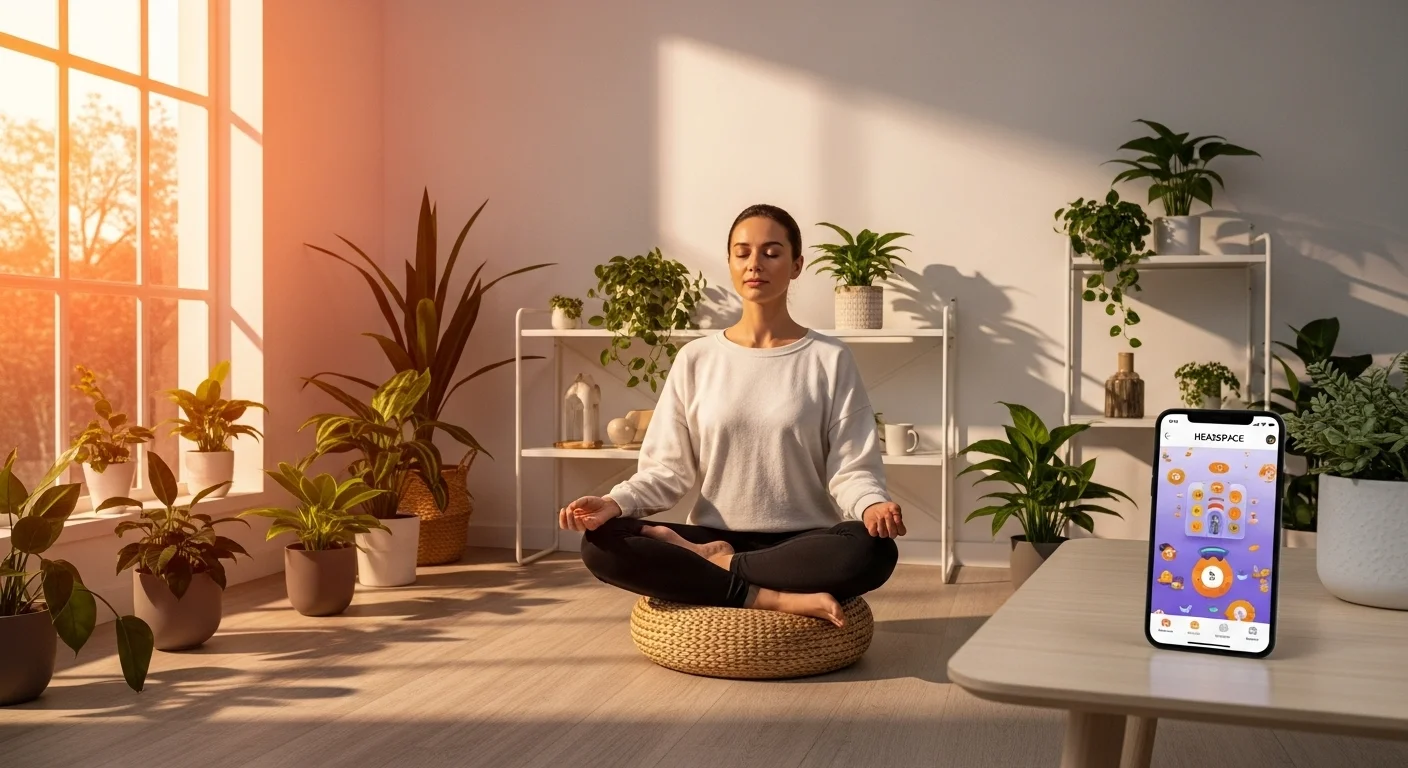
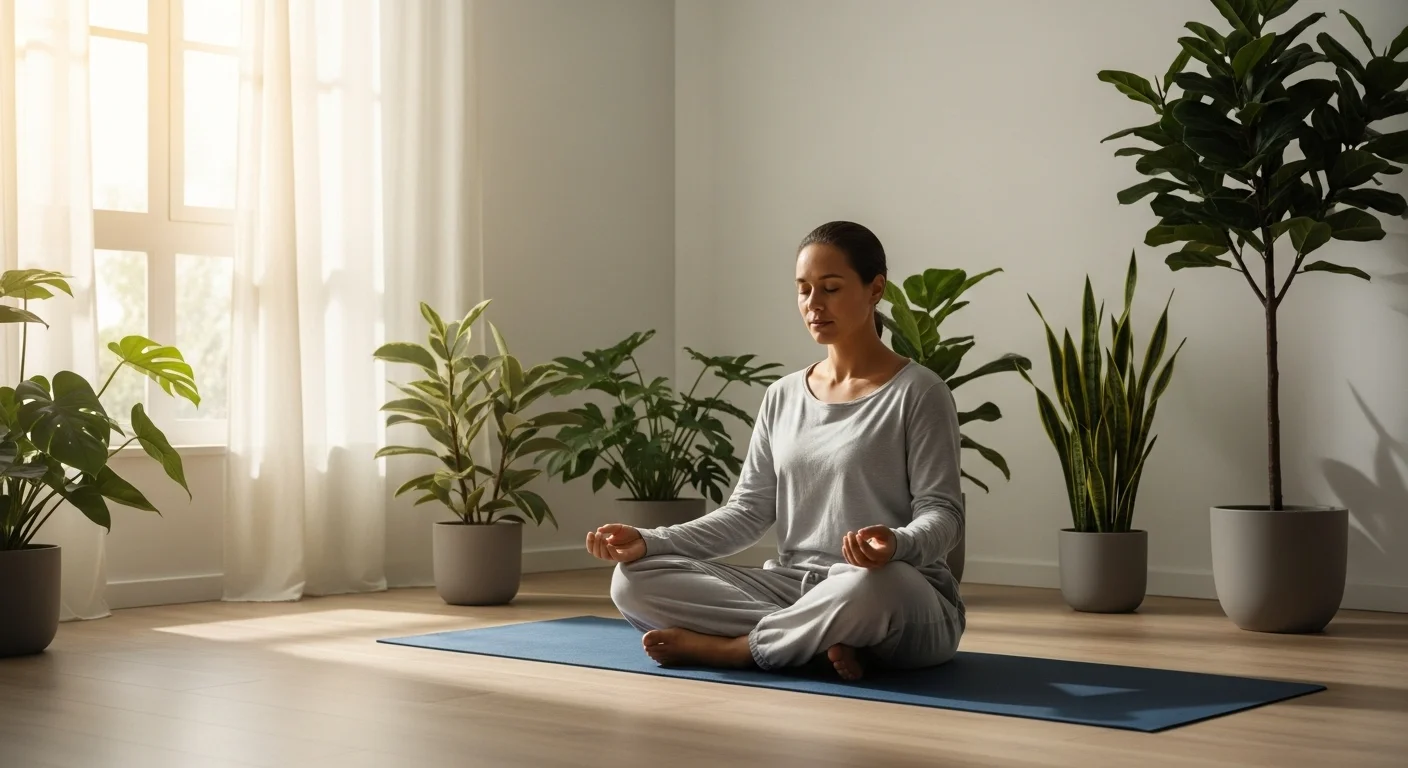
To start, select a quiet room where you will not be disturbed. Sit on a chair or cushion with your back straight. Set a timer for five minutes to keep track of the session without looking at a clock.
Close your eyes and direct your attention to your breathing. Notice the air entering and leaving your nose or mouth. Do not try to control the speed of your breath. Simply observe the physical sensation of the air moving.
Your mind will wander during this process, which is normal. When you notice a new thought, gently return your focus to your breathing. Repeat this daily exercise to build a consistent habit and reduce stress levels over time.
Creating a Daily Schedule for Meditation
To establish a meditation habit, select a specific time each day for your practice. Many people find that early morning works best because distractions are low. However, you should choose a time that fits your own routine without interruptions.
Beginners should start with short sessions to avoid feeling overwhelmed. Five to ten minutes is a sufficient amount of time for the first few weeks. You can gradually increase the duration of your sessions as you become more comfortable with the process.
Associate your meditation practice with an existing daily habit to ensure consistency. For example, you might meditate immediately after brushing your teeth or before eating breakfast. Setting a daily alarm on your phone can also serve as a helpful reminder.
Monitoring Progress and Adjusting the Routine
You should keep a journal to track your daily sessions. Record the duration of the practice and how you feel before and after. This helps you identify patterns in your stress levels and consistency. Reviewing these notes allows for objective analysis.
Evaluate your stress response after a few weeks of consistent practice. Notice if you sleep better or react less impulsively to daily challenges. If you do not observe specific changes, examine your technique or the time of day you meditate.
Modify your schedule or method based on your observations. You can increase the duration of sessions or try a different type of meditation. Small adjustments often lead to better results. Flexibility ensures the practice remains effective and sustainable for long periods.