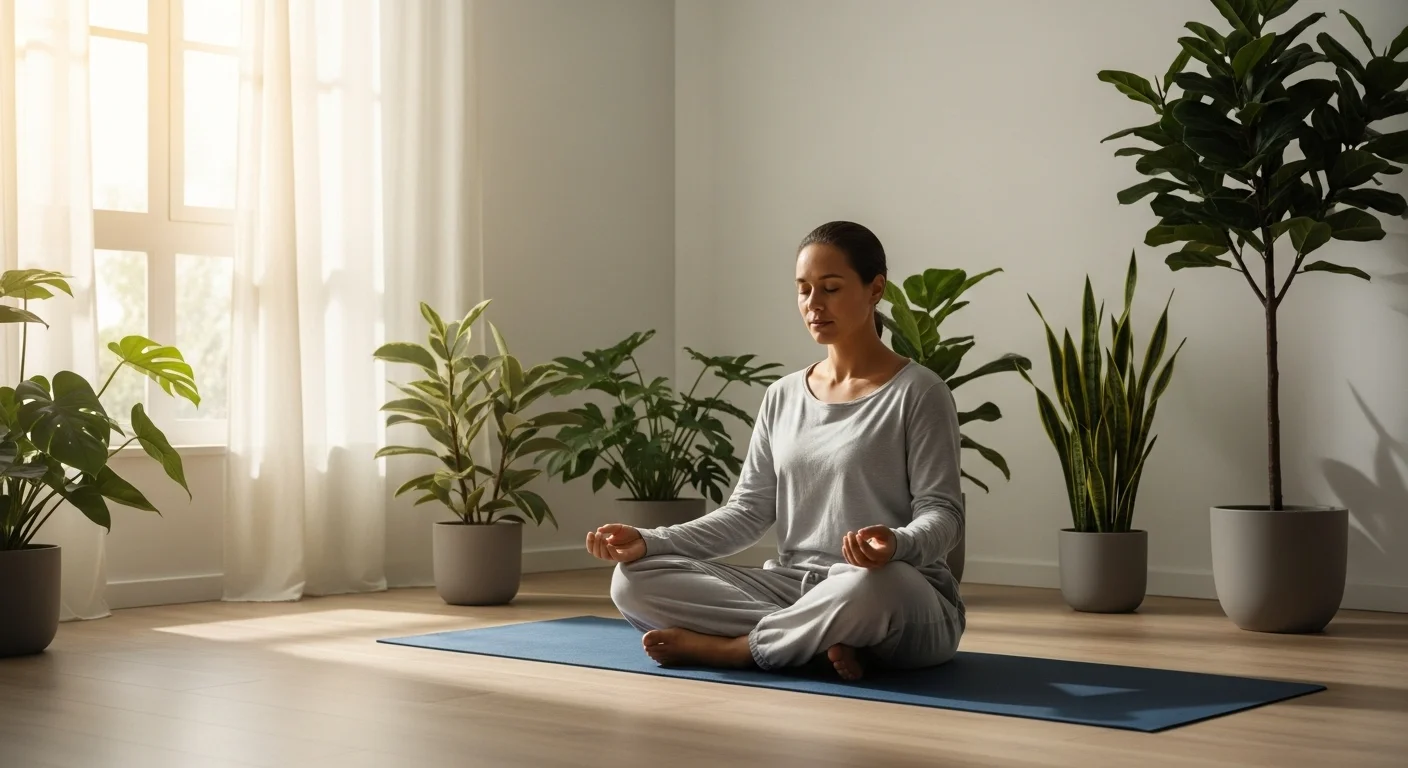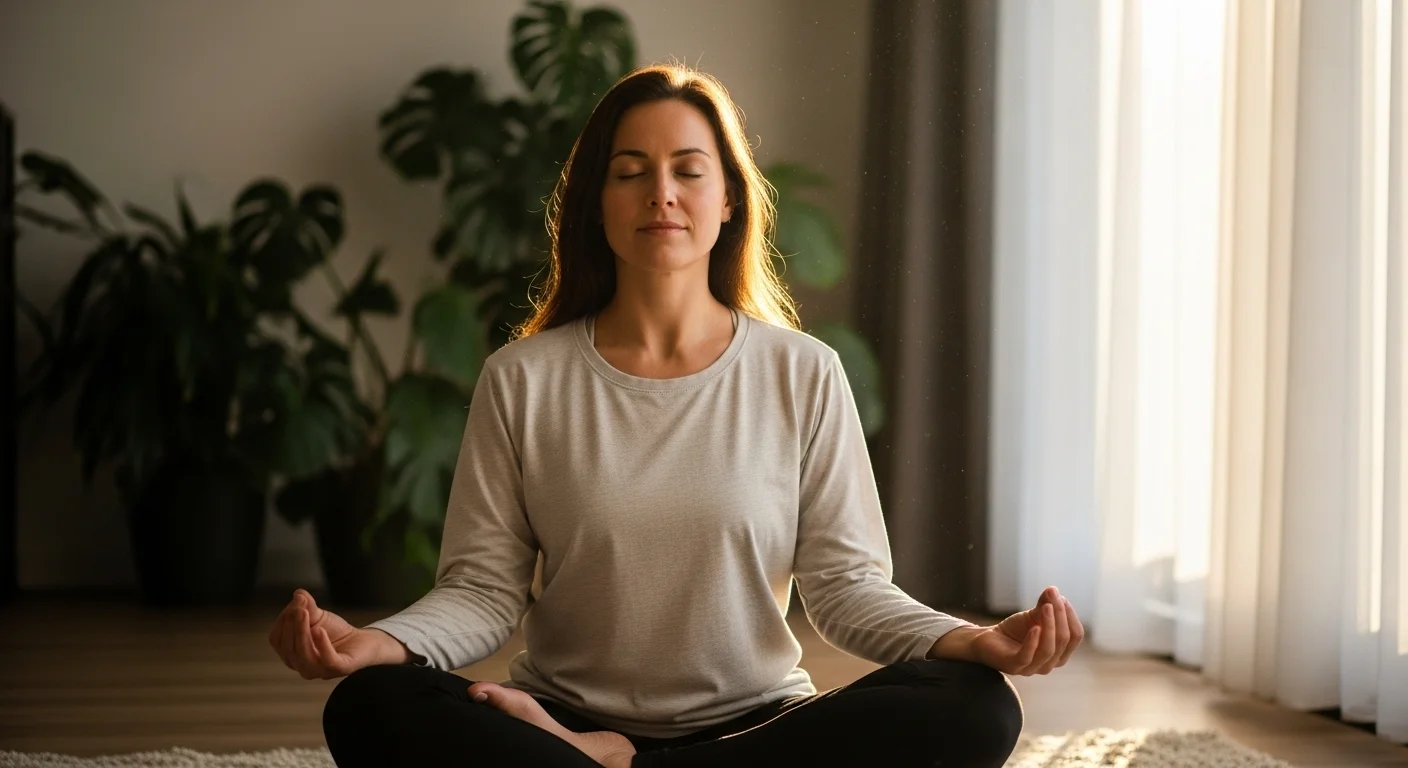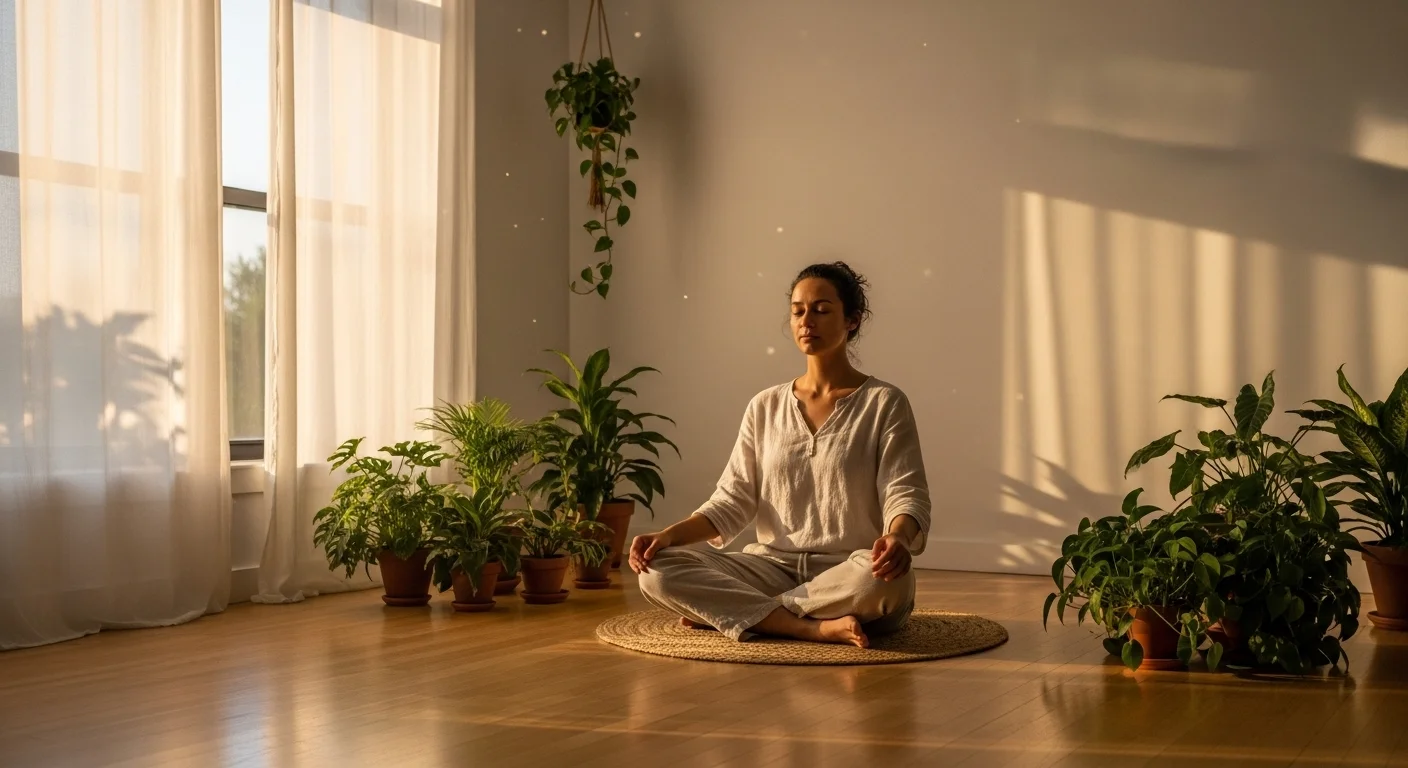
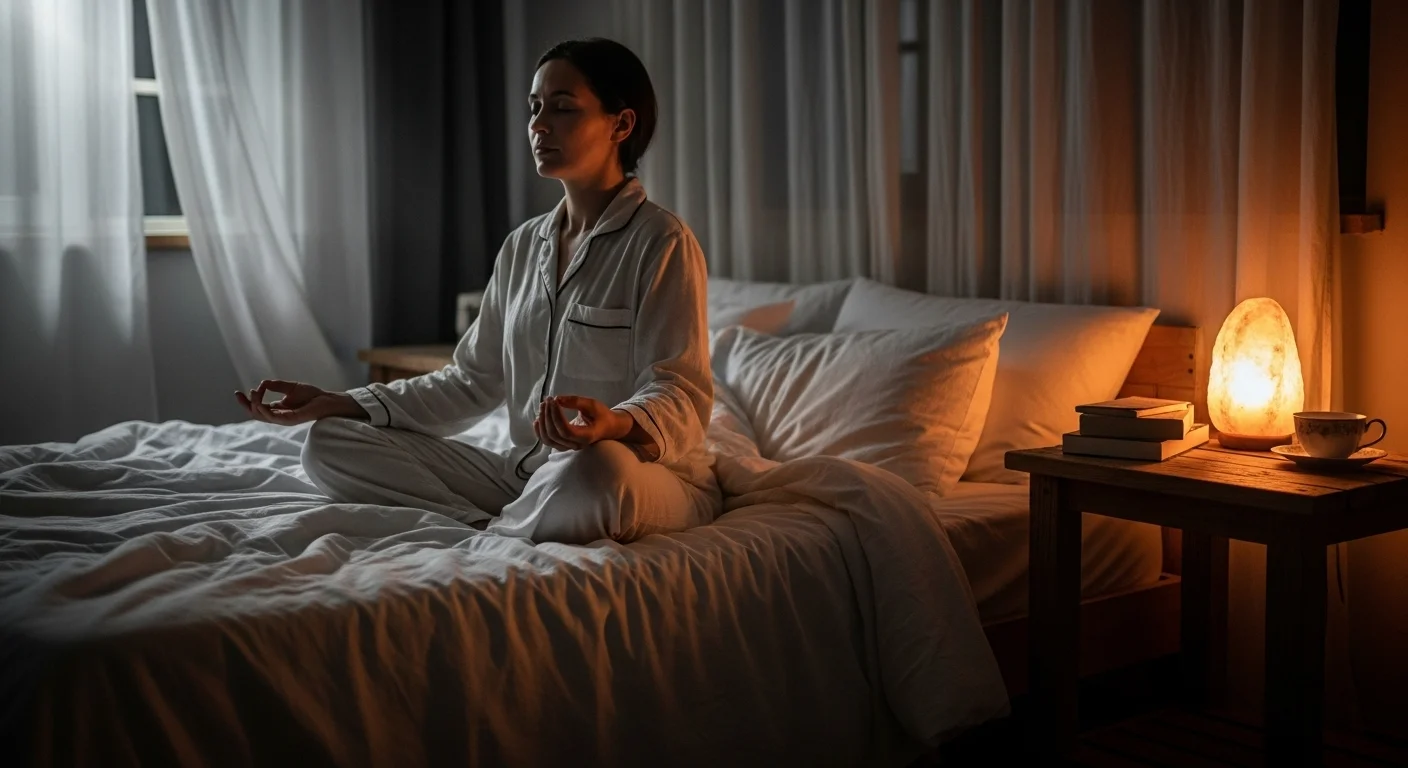
Meditation for sleep is a specific technique that focuses on relaxing the body and mind. Unlike traditional meditation which seeks alertness, this practice aims to induce deep rest. The primary goal is to lower heart rate and prepare the brain for sleep.
This method works by shifting attention away from racing thoughts. Practitioners use breathing exercises or guided visualization to calm the nervous system. This process reduces stress hormones like cortisol. Consequently, the body enters a state conducive to falling asleep quickly.
Most sleep meditation involves listening to a recorded voice or soothing sounds. The instructions guide the listener to release muscle tension systematically. This creates a bridge between wakefulness and sleep. It is a practical tool for managing insomnia without medication.
How Meditation Affects the Sleep Cycle
Meditation lowers heart rate and reduces the production of cortisol, the primary stress hormone. High cortisol levels often interrupt the natural sleep cycle. By calming the nervous system, the practice allows the body to prepare for rest more efficiently.
This practice shifts brain activity from beta waves, which occur during alertness, to alpha and theta waves. These slower frequencies are associated with relaxation and the early stages of sleep. This transition helps the brain enter the first sleep phase.
Regular meditation increases melatonin levels, which regulates the sleep-wake rhythm. Studies show that this leads to longer periods of deep sleep and rapid eye movement sleep. Consequently, the body repairs itself better, and individuals experience fewer disturbances during the night.
Common Types of Meditation for Sleep
Mindfulness meditation involves focusing on your breath to calm the mind. Body scan meditation requires you to focus on different body parts to release tension. Guided meditation uses a recording to lead you through a relaxing visualization process.
Deep breathing exercises slow your heart rate and signal the body to rest. You count each breath to maintain focus. Gratitude meditation shifts thoughts away from worries by asking you to list specific things you appreciate before sleeping.
Progressive muscle relaxation is a technique where you tense and then relax muscle groups. This method highlights physical tension and helps the body relax. Consistent practice of these methods creates a routine that prepares the brain for sleep.

How to Meditate Before Bed
Start by finding a quiet place to sit or lie down. Turn off all electronic devices to reduce distractions. Wear comfortable clothing that does not restrict movement. Close your eyes and begin to focus on your breathing patterns.
Inhale slowly through your nose and count to four. Hold your breath for a few seconds before exhaling through your mouth. Repeat this cycle until you feel your body relax. Focus your attention entirely on the sensation of air moving.
Thoughts will enter your mind during this process. Do not analyze them. Simply observe the thought and return your focus to your breath. Continue this practice for five to ten minutes before you prepare to fall asleep for the night.
Benefits of Meditation for Sleep Quality
Meditation helps the body relax before bed. It lowers the heart rate and reduces blood pressure. This practice also decreases levels of cortisol, the stress hormone. Lower stress allows the nervous system to settle, making it easier to fall asleep.
Many people suffer from insomnia due to racing thoughts. Meditation trains the mind to focus on the present moment. This stops the worry and rumination that often keeps you awake. A calm mind transitions more smoothly into deep sleep.
Regular practice improves the overall quality of rest. Studies show that meditators spend more time in restorative sleep stages. This leads to better energy levels during the day. You wake up feeling refreshed rather than groggy or tired.
Tips for a Consistent Sleep Meditation Routine
To build a strong habit, you should meditate at the same time every night. Choose a quiet space where you will not face interruptions. This repetition helps your brain signal that it is time to sleep and relax.
Beginners should start with short sessions that last about five to ten minutes. You do not need to meditate for long periods initially. Select a specific technique, such as focused breathing or a body scan, and stick with it.
Do not worry if your mind wanders during the process. This is a normal part of the practice. Focus on returning to the exercise without judgment. Regular practice is more important for results than perfect execution every single time.