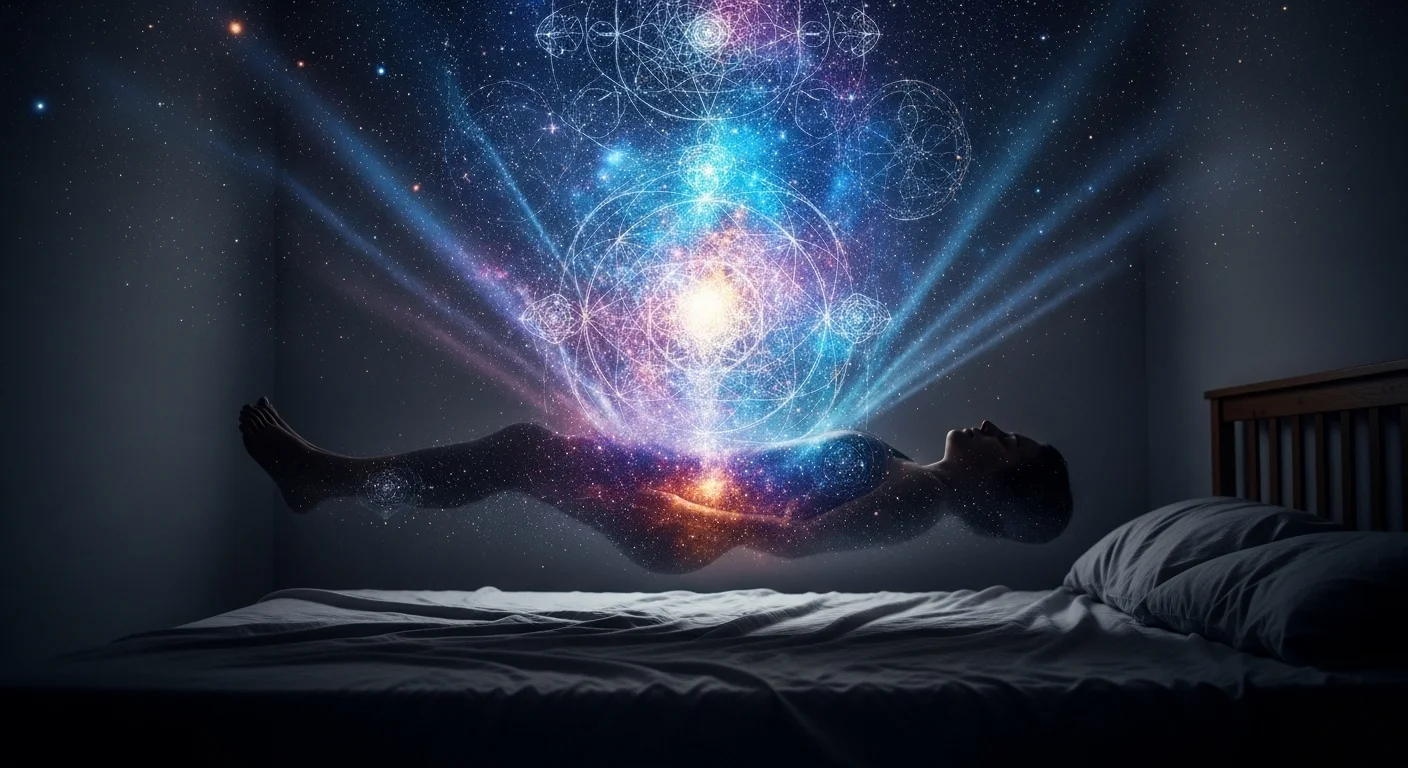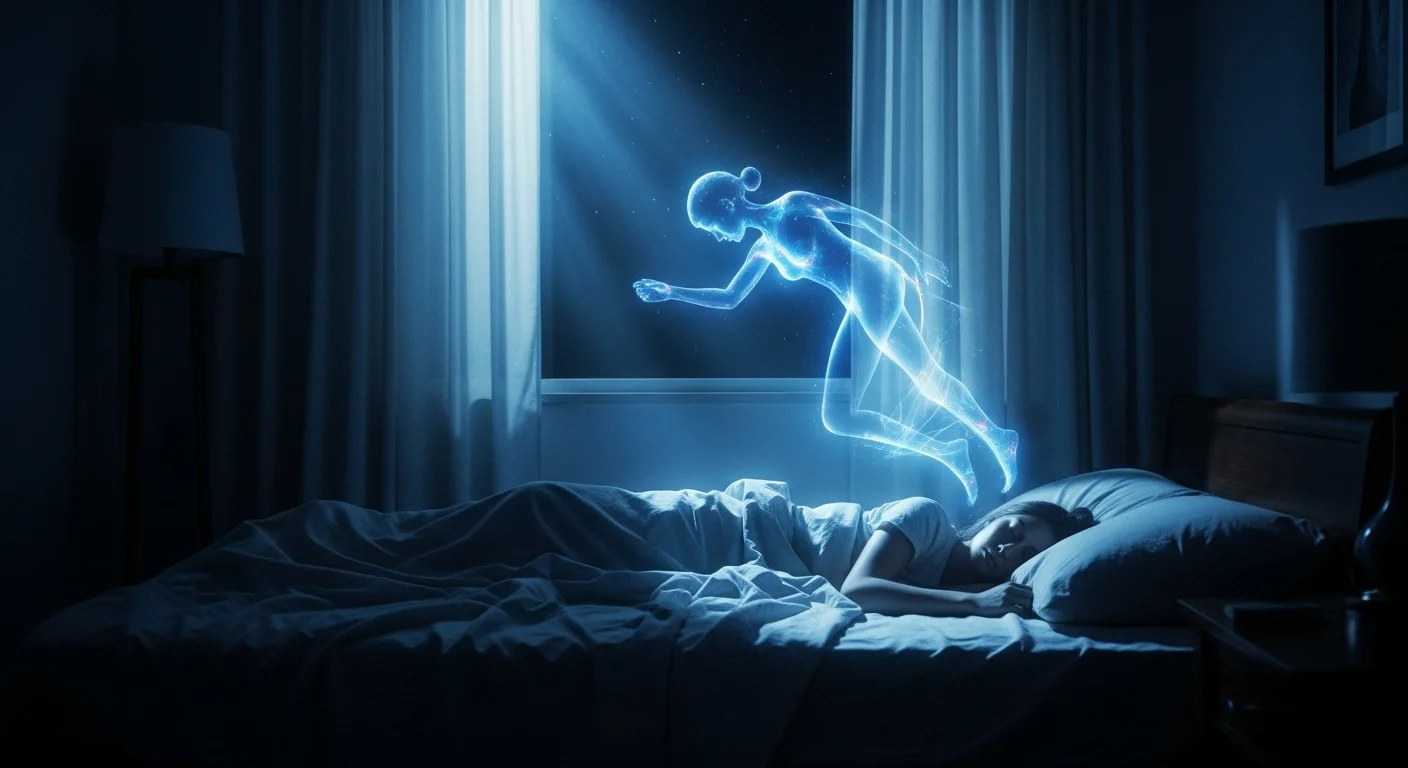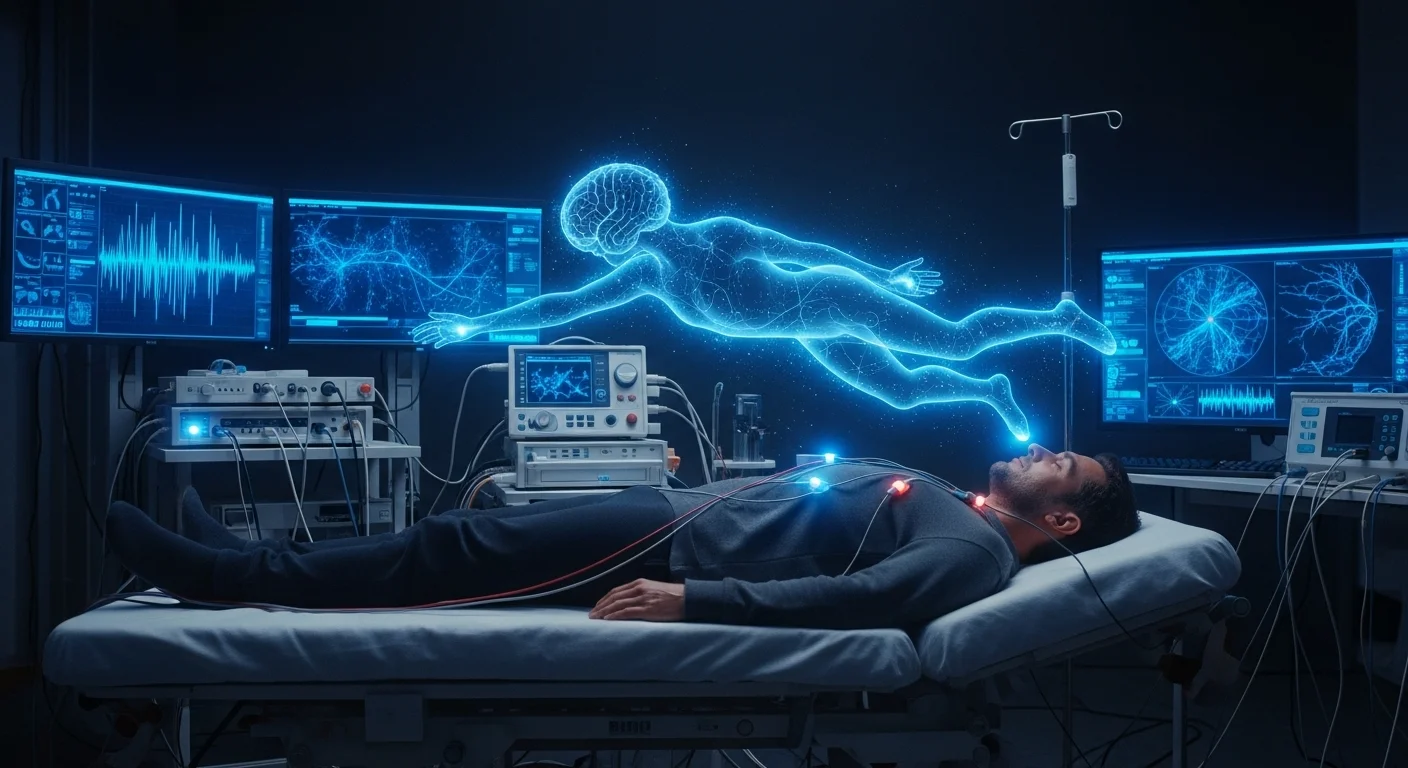
Astral projection is a phenomenon where consciousness temporarily leaves the physical body. This experience is also known as an out-of-body experience or OBE. During this state, the individual retains full awareness and cognitive faculties while observing the physical environment from a different perspective. It occurs naturally during sleep or can be induced through specific meditation techniques. The phenomenon is distinct from dreaming because the person remains fully lucid and in control of their actions throughout the experience.
When the consciousness projects, it uses a subtle vehicle often called the astral body. This form generally resembles the physical body but faces fewer physical limitations. The projector moves through a non-physical dimension that exists alongside the physical world. While in this state, the consciousness remains connected to the physical body through an energetic link. This connection ensures the immediate return of the consciousness to the physical body if there is any danger or physical disturbance.
This phenomenon is a natural physiological capability of the human species rather than a religious belief. It happens independently of cultural background, age, or spiritual affiliation. Many researchers study these experiences to understand the nature of human consciousness. Anyone can learn to control this state through study and consistent practice of energy exercises. The ability to project implies that consciousness can exist and function independently from the biological brain and the physical body.
References to Astral Travel in Ancient Religious Texts
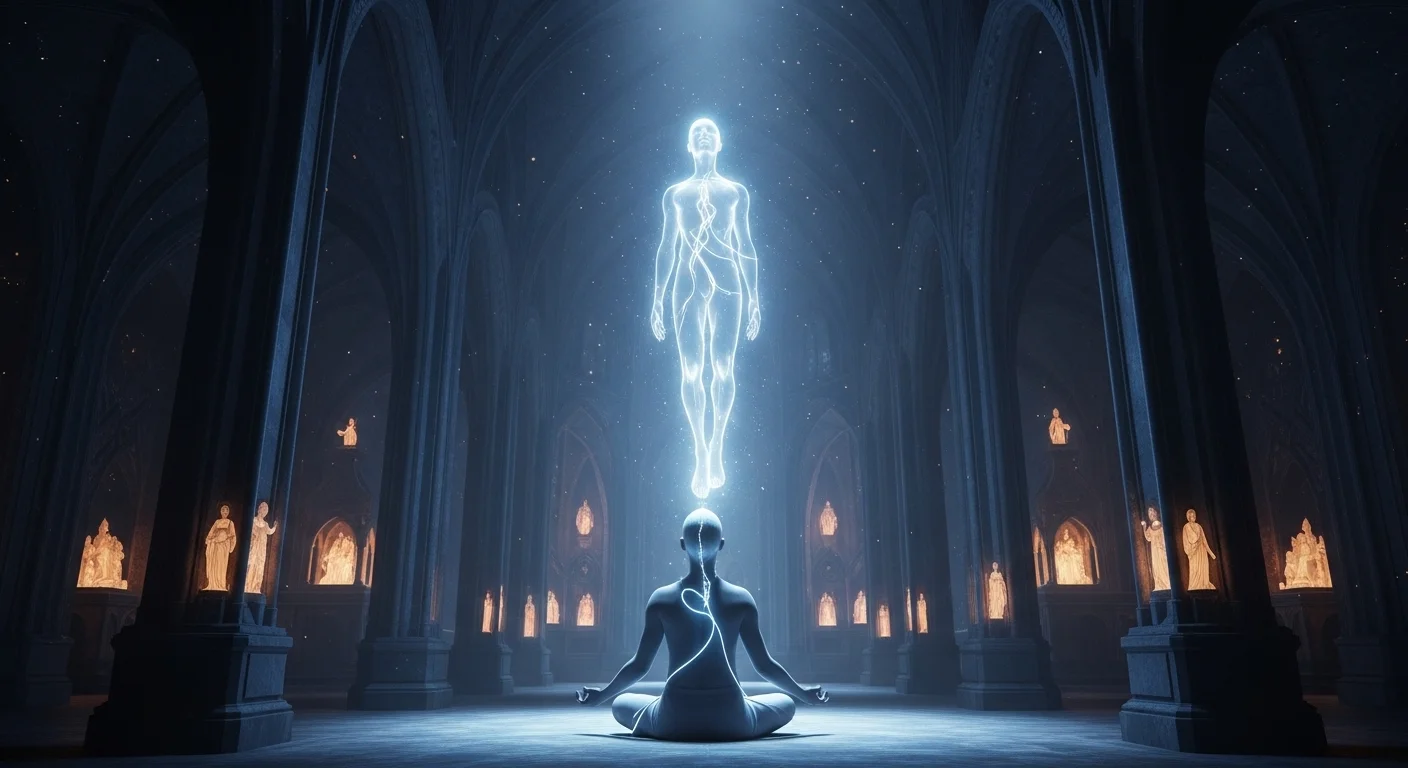
Ancient religious writings often describe the separation of the spirit from the physical body. In Hinduism, the *Yoga Sutras of Patanjali* list supernatural powers known as *siddhis*. One of these powers allows a practitioner to leave their physical form and travel without a body. These texts explain that the phenomenon is a result of disciplined meditation. The soul can observe the physical world or visit spiritual planes before it returns to the body.
Ancient Egyptian culture provides another clear example of this specific belief. Their texts describe the soul as having multiple distinct parts. One specific part was called the *Ba*, which represented the personality or spirit of the individual. Paintings often depict the *Ba* as a bird with a human head hovering over a sleeping or deceased body. This spirit could travel freely outside the physical form. This indicates an early understanding of consciousness separating from the biological vessel.
The Bible also contains verses that readers often associate with out-of-body experiences. In the Second Epistle to the Corinthians, the Apostle Paul describes a man ascending to the third heaven. He explicitly writes that he does not know if this occurred within the body or apart from it. Furthermore, the book of Ecclesiastes refers to a silver cord that connects the spirit to the body. Many traditions believe this cord keeps the soul attached during temporary spiritual travel.
Perspectives on the Soul in Major World Religions
Hinduism defines the soul as the Atman. This eternal self survives physical death and enters a new body through reincarnation. The Atman remains distinct from the temporary physical form. Buddhism presents a different view called Anatta. This concept suggests there is no permanent, unchanging soul. However, a stream of consciousness continues after death and influences future lives. Both traditions acknowledge a non-physical aspect of existence that operates independently of the biological body.
Christianity, Judaism, and Islam share similar beliefs regarding the soul. These Abrahamic faiths teach that God creates the soul as the spiritual essence of a human being. This non-physical part defines individual identity and moral character. They believe the soul survives physical death to face divine judgment. The result of this judgment determines the soul’s eternal fate in an afterlife. Consequently, the body serves as a temporary vessel for this immortal spirit.
These diverse religious traditions demonstrate a global consensus on the separation of spirit and matter. Almost every major belief system accepts that the conscious self differs from the physical body. This common theological foundation supports the possibility of consciousness existing outside the biological form. Religious texts often describe the spirit leaving the body during visions or near-death moments. Such descriptions suggest that the concept of an independent soul is a fundamental human understanding.
The Distinction Between Religious Dogma and Spiritual Experience
Religious dogma consists of established rules and doctrines set by a specific institution. These systems provide a structured framework for belief and behavior within a community. Leaders and texts often dictate these truths, and followers must accept them without verification. This external authority defines what is acceptable and what is forbidden. In the context of astral projection, dogma may label the practice as dangerous or prohibited because it falls outside the traditional teachings of that specific group.
A spiritual experience differs because it relies on personal observation rather than external rules. This type of event occurs directly to the individual and does not require permission from an institution. Astral projection functions as a practical activity where a person perceives consciousness outside the physical body. This phenomenon allows individuals to verify spiritual concepts through their own senses. The focus remains on direct exploration and personal validation instead of blind acceptance of theoretical concepts.
You must separate these two concepts to understand astral projection clearly. Dogma varies significantly between different cultures and time periods, while the capacity for spiritual experience remains constant in human biology. A person can engage in out-of-body experiences without adhering to a specific religious creed. The practice acts as a universal tool for self-discovery that exists independently of theological systems. Consequently, individuals from any background can access these states without conflict with their cultural identity.
Astral Projection as a Universal Human Capability
Astral projection is a natural biological process that occurs in all human beings. This phenomenon involves the temporary separation of the subtle body from the physical body during sleep. It does not depend on religious beliefs, cultural background, or social status. Every person experiences this separation every night, although most do not remember the event upon waking up. This capability is an inherent part of human physiology and functions similarly to breathing or dreaming.
Historical records show that various civilizations have documented this experience for thousands of years. Ancient texts from Egypt, Greece, and India describe the separation of consciousness from the physical form. These accounts demonstrate that the ability exists across different time periods and geographical locations. Researchers and scientists have studied these reports to understand the mechanics of the process. The consistency of these descriptions proves that the phenomenon is a standard function of the human mind.
Individuals can learn to control this process through specific techniques and consistent practice. A person does not need a special gift or supernatural power to induce a lucid projection. The process requires focus, relaxation, and a clear intent to remain awake while the body falls asleep. Anyone who applies the correct methods can achieve a conscious out-of-body experience. This fact reinforces the idea that astral projection is a skill available to the entire human population.
Basic Techniques to Induce Astral Projection
To begin astral projection, find a quiet place where you will not be disturbed. Lie down on a comfortable surface like a bed or a mat. Close your eyes and focus on relaxing every muscle in your body. Start from your toes and move slowly up to your head. Deep breathing helps calm the mind. The goal is to reach a state where the body is asleep, but the mind remains awake. Remove distractions like loud noises or bright lights before starting.
Once you are fully relaxed, visualize a rope hanging directly above your chest. Without moving your physical arms, imagine your non-physical hands climbing this rope. Pull yourself up slowly and feel the sensation of upward movement. If this method fails, try the roll-out technique instead. Imagine you are rolling over to one side as if turning in bed. Do not use your physical muscles to perform this action. These mental exercises help shift your consciousness away from the physical body.
You may feel strong vibrations or hear buzzing sounds during this process. These sensations are normal signs of the separation phase. Do not panic or move your physical body, as fear will end the experience immediately. Stay calm and continue your visualization technique. When the vibrations stabilize, you will feel a sensation of floating or lightness. You can then gently move away from your physical body. Regular practice and patience are necessary to master these specific steps.
Your next step
If you already understand what astral projection is and you’re looking for practices that truly work, this e-book presents 35 tested techniques to induce out-of-body experiences. Each technique is explained clearly and directly, allowing you to choose the method that best fits your routine and level of awareness.
This material is ideal for those who want to apply objective and varied methods, speeding up the process of conscious out-of-body projection. It works for both beginners and practitioners who have already had experiences and want to expand their possibilities. This is a practical guide for anyone who wants consistent results.
If you are taking your first steps and want to understand the fundamentals of astral projection with clarity, this manual was created to make your learning easier. In it, you will find clear explanations about the subtle bodies, the stages of projection, the most common sensations, and how to deal with fear and mental blocks.
This e-book is recommended for anyone who needs a solid and safe foundation to start practicing with confidence. It organizes the concepts in a progressive way, helping you understand the process as a whole and develop a consistent and conscious practice.
For those who want more complete and in-depth guidance, the complete astral projection course offers structured lessons, guided practices, visualizations, advanced techniques, and ongoing support. The content was designed to take you from theory to practice with safety and consistency.
This course is suitable for all levels, from beginner to advanced, and provides a systematic approach based on years of research, experience, and proven results. You will learn how to awaken your potential, gain control of your experiences, and integrate spiritual insights into your daily life.