
Lucid dreaming occurs when a sleeping person becomes fully aware that they are dreaming. This specific phenomenon typically happens during the rapid eye movement stage of the sleep cycle. The dreamer gains consciousness but remains physically asleep in bed. Brain activity during this state displays a mixture of standard sleep patterns and waking alertness. Scientists often classify this experience as a hybrid state of consciousness. This realization allows the individual to identify the dream environment as a mental construct.
Once lucidity is established, the dreamer can often influence the dream narrative. This control varies significantly between different individuals and distinct experiences. Some people may change the dream setting or summon specific objects. Others might alter their own actions or fly through the dream world. However, control is not a requirement for the definition of lucid dreaming. The defining factor remains the awareness of the state itself. Without this awareness, the experience counts only as a regular dream.
Individuals can learn specific techniques to induce lucid dreams intentionally. Common methods include performing reality checks throughout the day. These checks involve testing the environment to see if one is awake or asleep. Another method involves keeping a detailed dream journal to improve dream recall. Cognitive training helps the brain recognize the signs of a dream state. Studies suggest that frequent practice increases the likelihood of experiencing lucidity. Mastery of these skills takes time and consistent effort.
Definition of Astral Projection
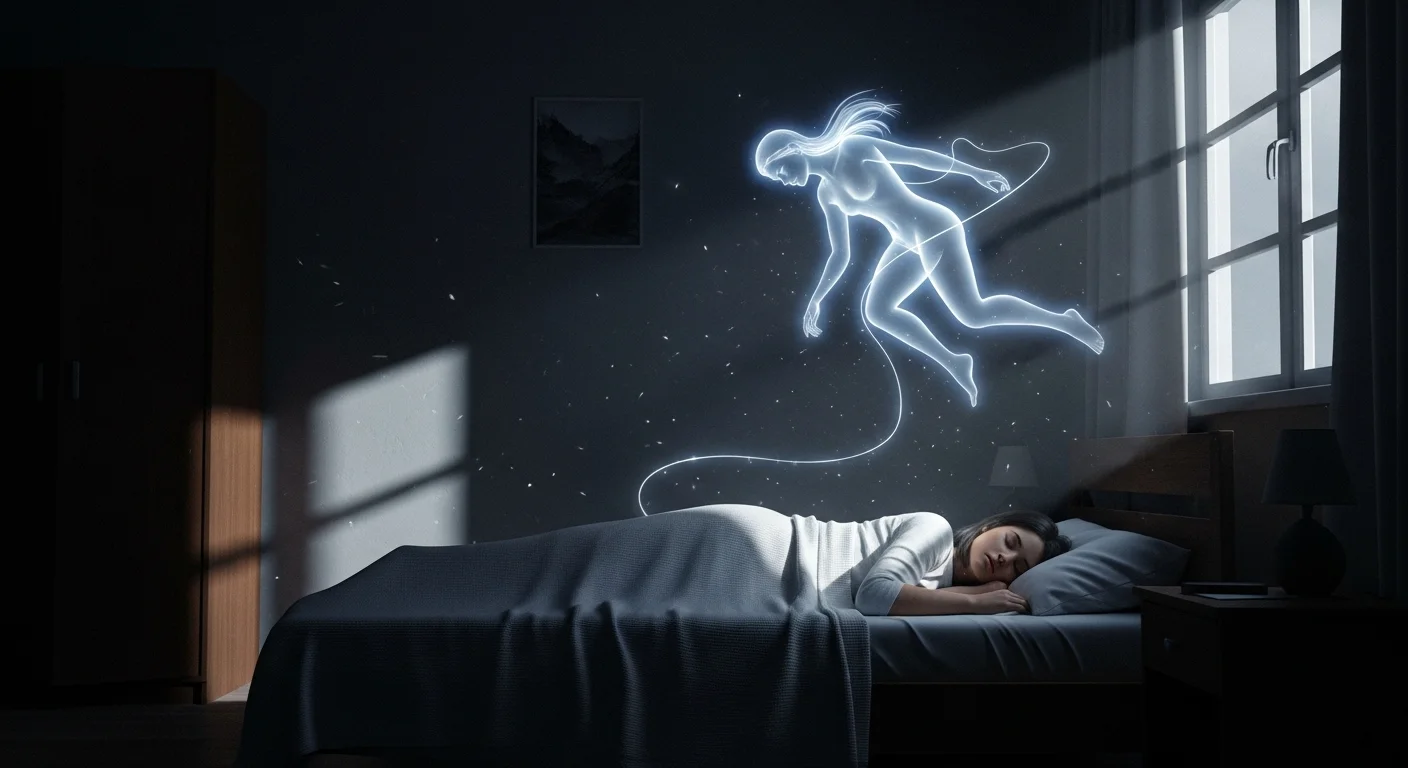
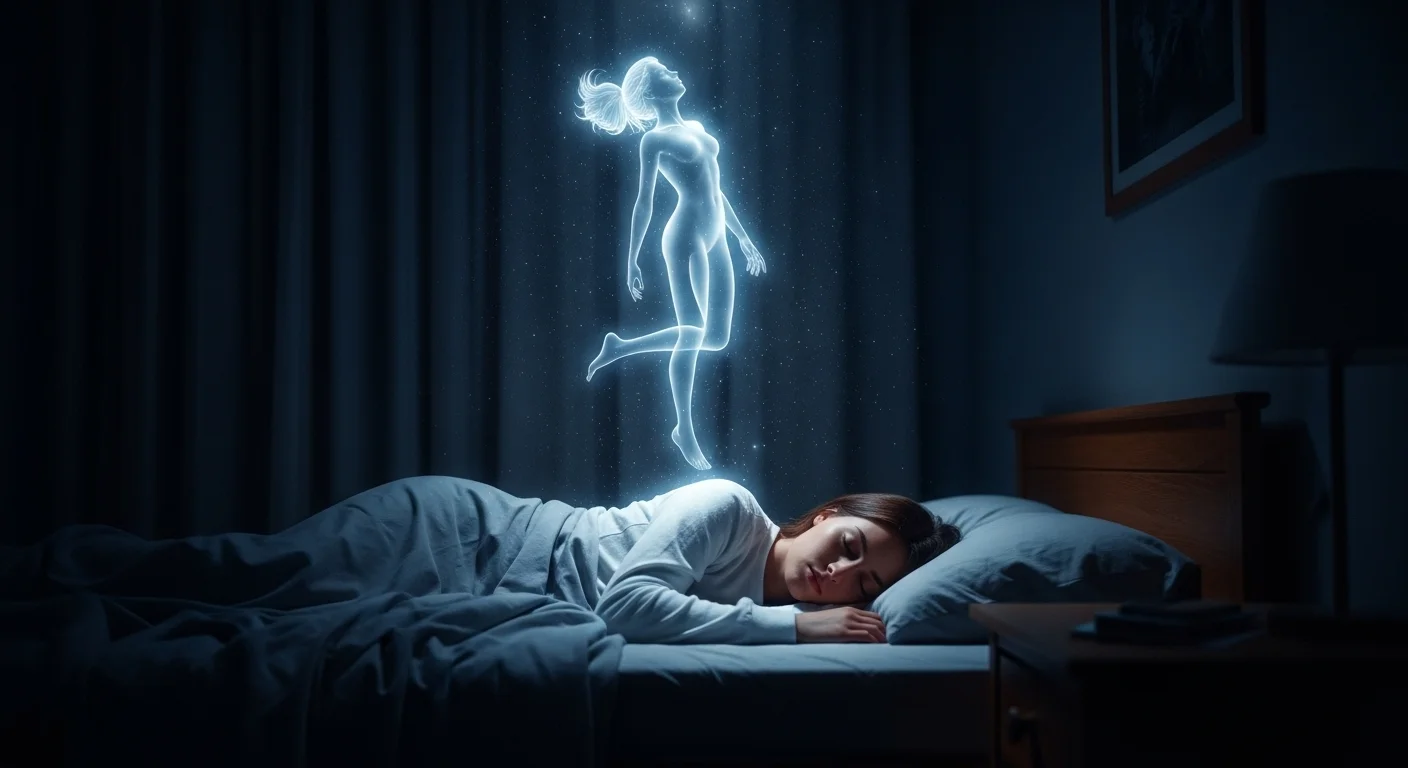
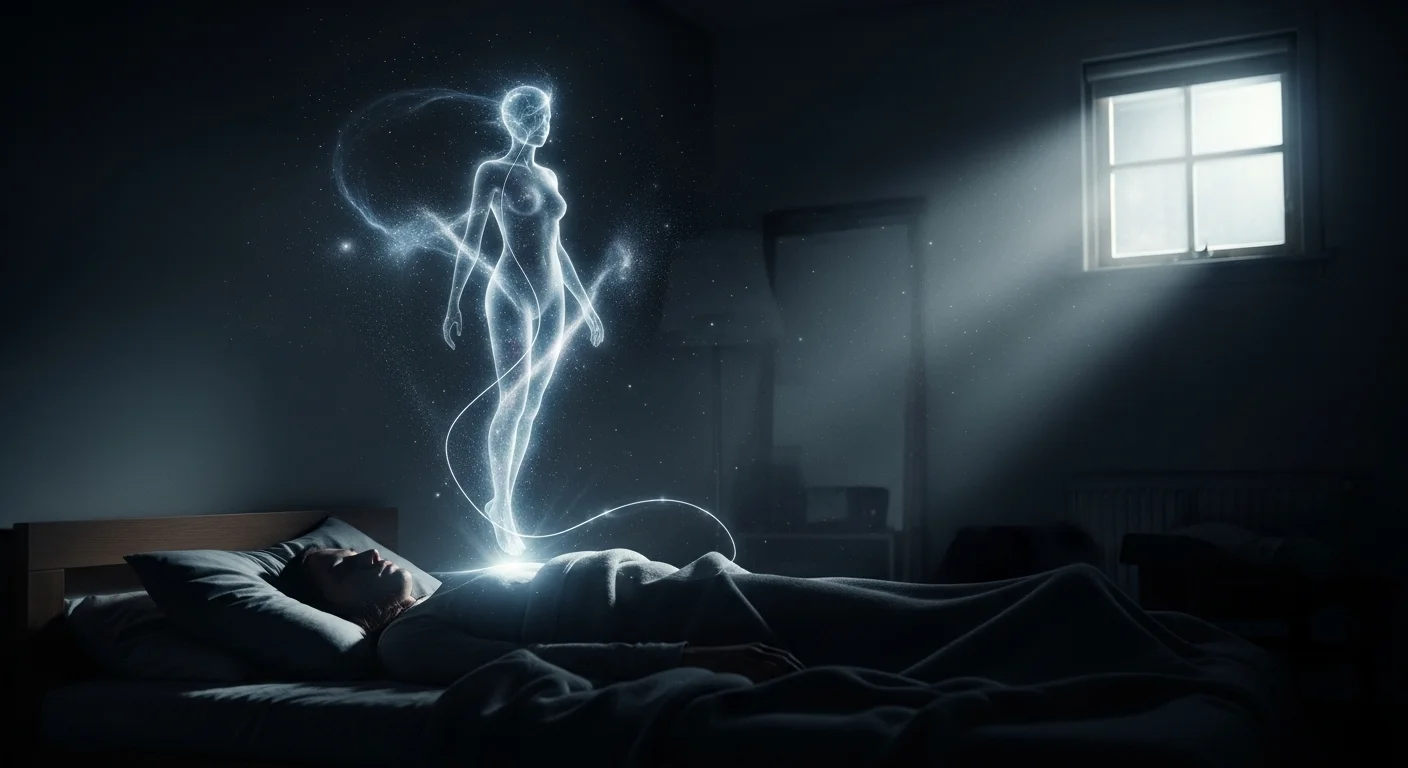
Astral projection is an intentional out-of-body experience where consciousness appears to leave the physical body. Practitioners believe that a non-physical form called the astral body can travel independently from the sleeping physical form. This concept assumes that the human spirit exists separately from biological functions. During this state, the physical body remains passive and immobile while awareness moves to other locations. The individual usually retains full memory of the events that occur during the separation process.
People who report these experiences describe the astral plane as a distinct dimension of reality. This environment exists parallel to the physical world but operates under different rules. Individuals claim they can fly, pass through solid objects, and visit distant places instantly. The sensory perception in this state is reportedly vivid and feels real to the practitioner. Observers note that the astral realm contains both familiar physical structures and landscapes that do not exist in the material world.
Various cultures and esoteric traditions have documented this specific practice for centuries. The process usually requires deep relaxation and specific meditation techniques to induce the separation. A person must remain mentally awake while the body enters a sleep state to trigger the effect. Many people use specific visualization exercises to achieve this condition intentionally. Unlike spontaneous out-of-body experiences caused by trauma or illness, astral projection is a deliberate act performed for exploration or spiritual analysis.
Main Differences in Awareness
Lucid dreaming occurs when a person realizes they are dreaming while still asleep. The awareness remains focused on an internal mental environment created by the brain. In this state, the dreamer understands that the surrounding world is a hallucination and not physical reality. This realization allows the individual to control the narrative, characters, and physics of the dream. The level of consciousness varies, but the primary focus stays on personal thoughts and imagination within the dream state.
Astral projection involves a sensation where consciousness seems to separate from the physical body. The individual perceives their surroundings as a real location rather than a mental construct. In this state, the awareness feels external and objective, often starting in the same room where the physical body rests. The person observes the physical world from a different perspective and does not usually control the environment. The experience feels like visiting a distinct place outside of the mind.
The fundamental difference lies in how the individual perceives their relationship to the environment. During a lucid dream, the awareness is subjective, and the surroundings react immediately to thoughts and emotions. In contrast, astral projection presents an objective reality where the environment remains stable regardless of the observer’s will. Lucid dreaming functions as a self-contained mental experience, while astral projection functions as an exploration of an external plane. This distinction defines how the mind interprets the event.
Perception of the Environment
In a lucid dream, the environment is a creation of your subconscious mind. You are exploring a world generated by your own brain. Consequently, the surroundings are often unstable and can change rapidly. If you look at a clock or read text, the numbers and letters frequently shift when you look away. You can also manipulate the setting with your thoughts. You can instantly change the weather, location, or objects around you by simply willing it to happen.
In contrast, astral projection involves the perception of a fixed external environment. Practitioners report viewing the physical world exactly as it exists in that moment. The furniture, people, and objects usually remain in their correct physical locations. You observe this environment rather than create it. When you look at an object, look away, and look back, it remains the same. The setting does not change based on your expectations. It appears distinct from your internal imagination.
The interaction with the surroundings helps identify the specific state of consciousness. During a lucid dream, the environment reacts to your emotional state and conscious commands. If you feel fear, the setting may become dark or threatening. During an astral projection, the environment remains neutral and independent of your feelings. You act as an observer moving through a static space. You can often see real events happening in other rooms, which is not possible in a dream.
Scientific Perspective and Evidence
Scientific research validates the existence of lucid dreaming. Studies demonstrate that this phenomenon occurs primarily during the Rapid Eye Movement (REM) stage of sleep. Researchers, such as Stephen LaBerge, established this by instructing subjects to perform specific eye movements while dreaming. Polysomnograms confirmed that the participants were physically asleep during these signals. This objective data proves that the human brain can maintain conscious awareness within a dream state.
In contrast, the scientific community has found no empirical evidence to support the concept of astral projection as a literal separation of consciousness from the body. Scientists classify these events as Out-of-Body Experiences (OBEs). Research suggests that these sensations result from neurological functions rather than supernatural occurrences. For instance, electrical stimulation of the temporoparietal junction in the brain can induce the sensation of floating outside the physical self.
The distinction between these two phenomena relies on verifiable data. Lucid dreaming is a confirmed internal state where the dreamer controls the narrative. Astral projection remains an unproven hypothesis regarding external exploration. Controlled experiments have failed to demonstrate that subjects can view targets in remote locations while feeling outside their bodies. Therefore, science interprets both experiences as products of the brain, but only lucid dreaming has measurable physiological markers.
Methods to Induce Each State
Inducing a lucid dream often involves cognitive training and habits performed during the day. The most common technique is reality testing, where you question your wakefulness repeatedly. If this becomes a habit, you will do it during a dream and realize you are dreaming. Another popular method is the Mnemonic Induction of Lucid Dreams. This involves repeating a phrase before sleep, stating your intention to remember that you are dreaming. These methods focus on mental conditioning within the sleep cycle.
Astral projection induction requires a state of deep physical relaxation while keeping the mind alert. Practitioners often lie down and consciously relax every muscle group in the body. The goal is to reach the hypnagogic state, which is the border between wakefulness and sleep. A common visualization technique involves imagining a rope hanging above you. You attempt to climb this rope with your non-physical hands to separate the astral body from the physical body without moving your actual muscles.
The primary difference between these induction methods lies in the timing and mental focus. Lucid dreaming techniques aim to trigger awareness during the REM stage of sleep. You enter the experience after you have already fallen asleep. In contrast, astral projection methods usually attempt to initiate an out-of-body experience directly from a waking state. The practitioner tries to bypass normal sleep cycles to enter a trance. This requires maintaining consciousness while the body falls asleep completely.
Your next step
If you already understand what astral projection is and you’re looking for practices that truly work, this e-book presents 35 tested techniques to induce out-of-body experiences. Each technique is explained clearly and directly, allowing you to choose the method that best fits your routine and level of awareness.
This material is ideal for those who want to apply objective and varied methods, speeding up the process of conscious out-of-body projection. It works for both beginners and practitioners who have already had experiences and want to expand their possibilities. This is a practical guide for anyone who wants consistent results.
If you are taking your first steps and want to understand the fundamentals of astral projection with clarity, this manual was created to make your learning easier. In it, you will find clear explanations about the subtle bodies, the stages of projection, the most common sensations, and how to deal with fear and mental blocks.
This e-book is recommended for anyone who needs a solid and safe foundation to start practicing with confidence. It organizes the concepts in a progressive way, helping you understand the process as a whole and develop a consistent and conscious practice.
For those who want more complete and in-depth guidance, the complete astral projection course offers structured lessons, guided practices, visualizations, advanced techniques, and ongoing support. The content was designed to take you from theory to practice with safety and consistency.
This course is suitable for all levels, from beginner to advanced, and provides a systematic approach based on years of research, experience, and proven results. You will learn how to awaken your potential, gain control of your experiences, and integrate spiritual insights into your daily life.