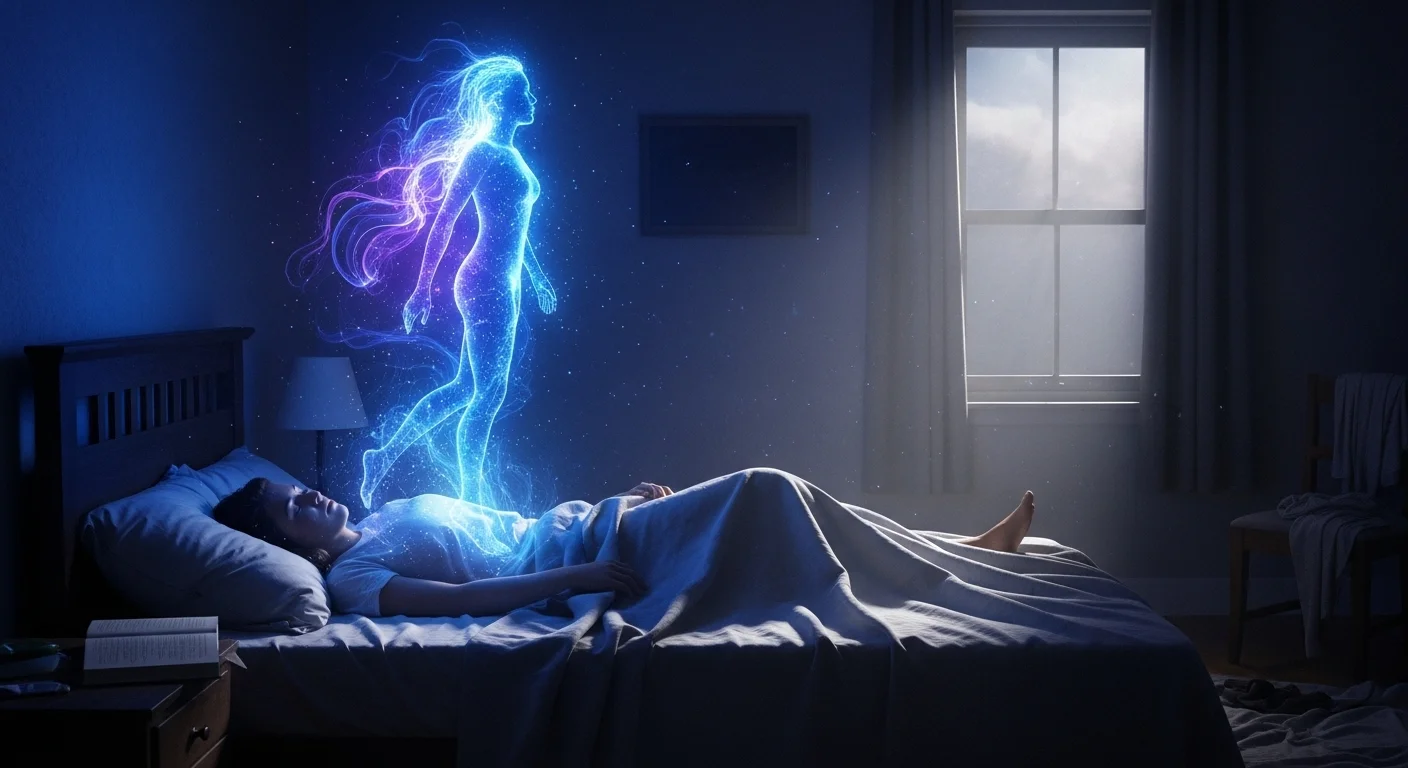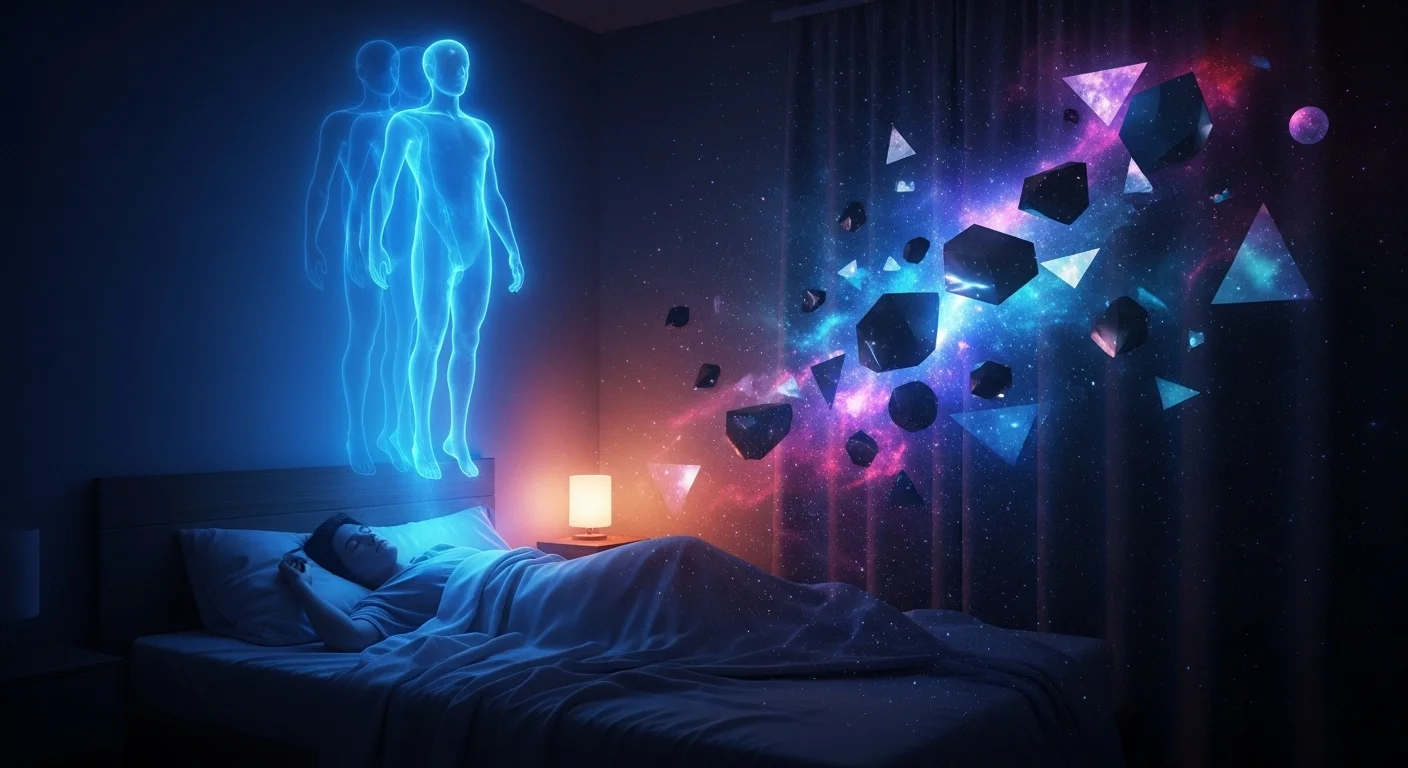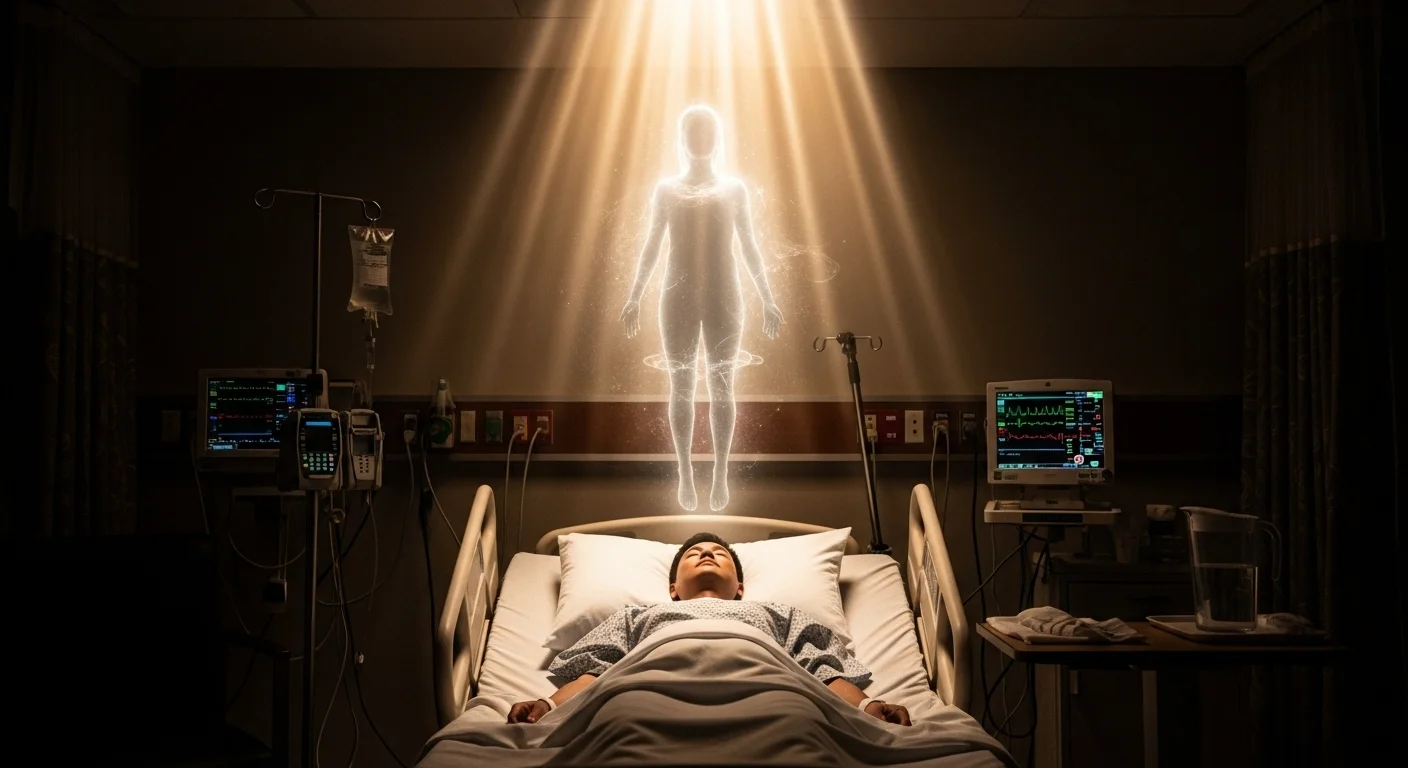
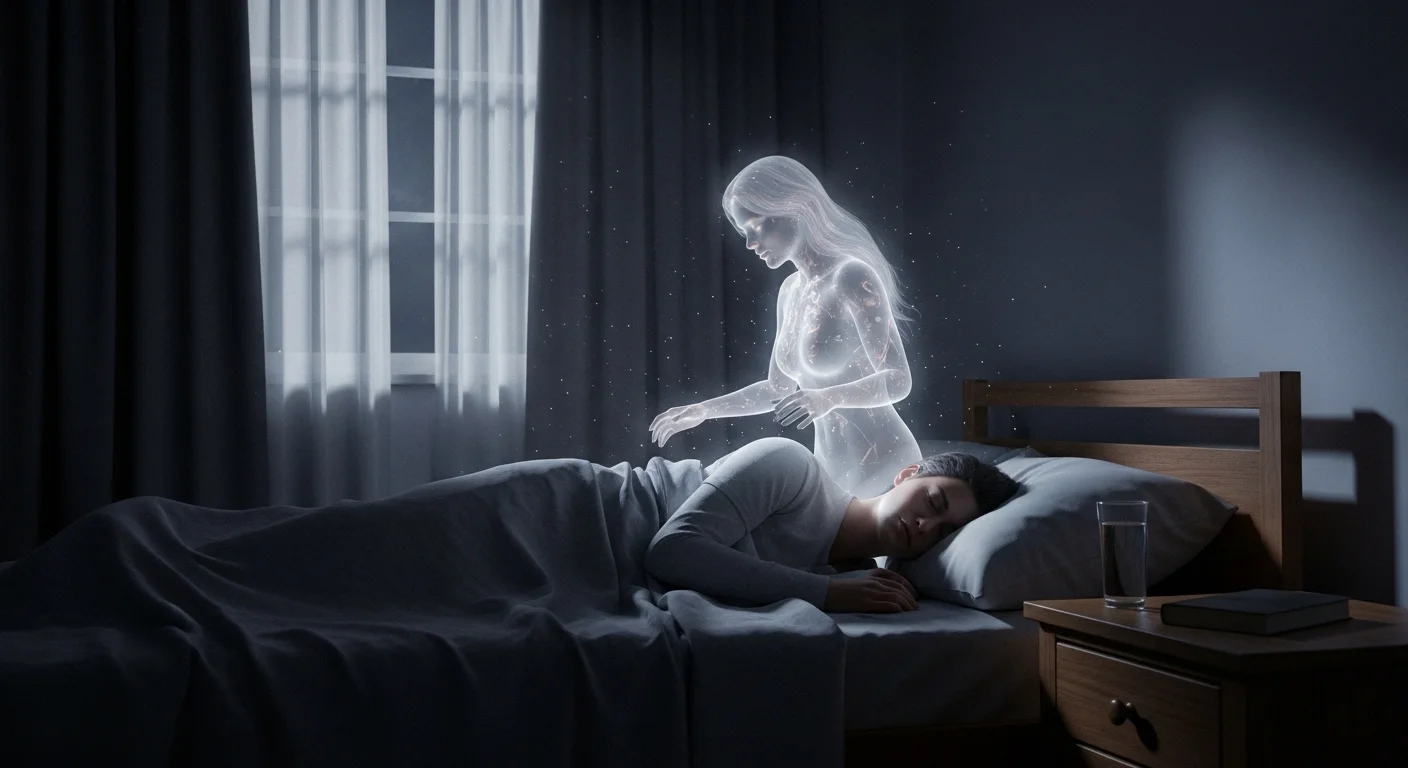
An out-of-body experience occurs when a person feels fully detached from their physical body. This specific phenomenon often happens during the transition between wakefulness and sleep. The individual perceives the environment from a location outside their physical form. They may see their own sleeping body from above or from a distance. This phenomenon differs significantly from a standard dream because the person retains a clear sense of self-awareness and conscious perception throughout the entire event.
Researchers often link these experiences to specific sleep stages or neurological functions. The state known as sleep paralysis is a common trigger for these sensations. During this phase, the body remains immobile while the mind wakes up. The brain may process sensory information incorrectly due to this disconnect. This leads to hallucinations where the position of the body feels shifted. The temporal parietal junction in the brain is often active during these episodes and creates this spatial perspective.
Many people confuse out-of-body experiences with lucid dreaming, but distinct differences exist between them. In a lucid dream, the dreamer controls the narrative and understands the world is imaginary. During an out-of-body experience, the environment appears real and unchangeable. The person feels a sensation of floating or movement through physical obstacles like walls. Reports indicate that the sensory input feels as vivid as waking life, rather than the often blurry nature of a regular dream.
Religious Perspectives on the Soul and Sleep
Christian theology typically teaches that the soul remains with the body until death. Scripture describes sleep as a state of rest where the mind may receive divine messages. The Bible does not explicitly state that the soul travels outside the physical form during normal sleep. Jewish tradition offers a different view on this matter. Some Jewish teachings suggest that a portion of the soul ascends to heaven during sleep to renew its spiritual energy before returning.
Islamic texts provide a specific explanation regarding the connection between the soul and the body. The Quran states that God collects souls at the time of death and also during sleep. Beliefs hold that God keeps the souls of those who die but returns the others to their bodies. This process allows the person to wake up and continue living. Consequently, Islamic theology often categorizes sleep as a temporary form of separation similar to death.
Eastern traditions also analyze the relationship between consciousness and the physical form. Hindu philosophy describes distinct states of existence, including waking, dreaming, and deep sleep. Certain texts propose that a subtle body can detach from the physical body during these states. This subtle entity carries the mind and senses while the physical body remains stationary. These teachings suggest that consciousness acts independently and is not strictly bound to the physical location of the sleeper during rest.
Scientific Explanations for Sensation of Separation
Scientists study out-of-body experiences to understand why people feel separated from their physical forms. Research suggests these sensations result from specific brain functions rather than supernatural events. The temporoparietal junction is a key area of interest for researchers. This region processes sensory data and helps build the body’s internal model. When this part of the brain malfunctions or receives conflicting signals, it creates a disconnect between vision and touch. This error causes the mind to perceive the self in a different location.
Sleep paralysis offers another common explanation for these vivid sensations. This condition occurs when the body remains immobile while the mind wakes up during the REM cycle. The brain is active, but the muscles stay paralyzed to prevent movement during dreams. This state often causes hallucinations that feel very real to the individual. People report floating or seeing their own bodies from above because the brain tries to interpret the lack of physical feedback.
The vestibular system also plays a significant role in creating these experiences. This system controls balance and spatial orientation within the inner ear. Disturbances in this system can cause feelings of floating or spinning without actual movement. Extreme physical stress or trauma may also trigger dissociative states as a defense mechanism. In these moments, the brain alters perception to distance the self from pain. This psychological response mimics the specific feeling of the soul leaving the body.
The Connection Between Sleep Paralysis and Hallucinations
Sleep paralysis occurs when a person passes between stages of wakefulness and sleep. During this transition, the body enters a state of temporary muscle relaxation called atonia. This mechanism normally prevents the body from acting out dreams during the REM cycle. However, the mind sometimes wakes up while the body remains paralyzed. This disconnect allows dream activity to overlap with waking consciousness. Consequently, the individual sees or hears objects that are not present in the physical room.
Researchers categorize these sensory experiences into three distinct groups. The first group involves the sensation of an intruder or a presence in the room. The second group creates physical feelings of pressure on the chest or difficulties with breathing. The third group includes vestibular-motor hallucinations. These specific hallucinations cause sensations of movement, floating, or flying. These errors occur because the brain attempts to interpret conflicting signals from the paralyzed muscles and the alert mind.
Neuroscience offers a biological explanation for these specific events. The feeling of separation from the body results from a disruption in how the brain processes body position. When the brain does not receive expected sensory data from the limbs, it creates a false sense of floating. This suggests that the sensation of the soul leaving the body is a neurological event. It is a direct product of brain function rather than a supernatural occurrence.
Lucid Dreaming and the Perception of Movement
Lucid dreaming occurs when a person becomes aware that they are dreaming while the dream is currently happening. This state allows the individual to gain some level of control over the dream environment and their own actions within the narrative. Scientists study this phenomenon using brain scans and sleep monitoring technology. The brain shows increased activity in areas related to self-awareness and decision-making during these episodes. This data indicates that the experience is a distinct mental state.
A common experience during lucid dreams is the realistic sensation of physical movement. The dreamer may feel like they are walking, running, or floating through space. The brain generates these signals in the motor cortex, but the body remains paralyzed due to muscle atonia during REM sleep. This disconnect causes the mind to perceive motion even though the physical body stays still. The sensation feels real because the brain processes these internal signals as actual physical feedback.
Many people confuse these intense sensations of movement with the concept of the soul leaving the body. The feeling of separation or floating is a hallucination generated by the vestibular system and the brain. Researchers explain that these perceptions happen when sensory input from the body conflicts with the internal reality of the dream. Therefore, the experience is a neurological function of the sleeping brain and not proof of a metaphysical separation from the physical body.
Summary of Scientific and Spiritual Viewpoints
Science views sleep as a biological process centered in the brain. Researchers study brain waves and neural activity to understand sleep cycles. Most scientists argue that sensations of leaving the body happen within the brain. They attribute these experiences to specific neurological states like sleep paralysis or lucid dreaming. These events occur when the brain is awake but the body remains asleep. There is no empirical evidence to support the idea of a soul separating from the physical body.
Spiritual traditions often propose a different perspective on human consciousness. Many belief systems suggest that a non-physical part of the self exists independently. This component is frequently called the soul or the astral body. Practitioners of astral projection claim that the soul travels outside the physical form during deep rest. Ancient texts and modern spiritual groups teach that sleep allows the spirit to explore other dimensions. They view these experiences as real events rather than hallucinations.
The primary difference between these viewpoints lies in their methods of verification. Science relies on measurable data and observable physical phenomena to explain these events. Spiritual approaches depend on personal testimony and subjective experiences to validate the separation of the soul. While science seeks biological causes for these sensations, spiritual theories focus on metaphysical meanings. Both perspectives attempt to answer questions about human consciousness, but they use fundamentally different frameworks to define reality during sleep.
Your next step
If you already understand what astral projection is and you’re looking for practices that truly work, this e-book presents 35 tested techniques to induce out-of-body experiences. Each technique is explained clearly and directly, allowing you to choose the method that best fits your routine and level of awareness.
This material is ideal for those who want to apply objective and varied methods, speeding up the process of conscious out-of-body projection. It works for both beginners and practitioners who have already had experiences and want to expand their possibilities. This is a practical guide for anyone who wants consistent results.
If you are taking your first steps and want to understand the fundamentals of astral projection with clarity, this manual was created to make your learning easier. In it, you will find clear explanations about the subtle bodies, the stages of projection, the most common sensations, and how to deal with fear and mental blocks.
This e-book is recommended for anyone who needs a solid and safe foundation to start practicing with confidence. It organizes the concepts in a progressive way, helping you understand the process as a whole and develop a consistent and conscious practice.
For those who want more complete and in-depth guidance, the complete astral projection course offers structured lessons, guided practices, visualizations, advanced techniques, and ongoing support. The content was designed to take you from theory to practice with safety and consistency.
This course is suitable for all levels, from beginner to advanced, and provides a systematic approach based on years of research, experience, and proven results. You will learn how to awaken your potential, gain control of your experiences, and integrate spiritual insights into your daily life.