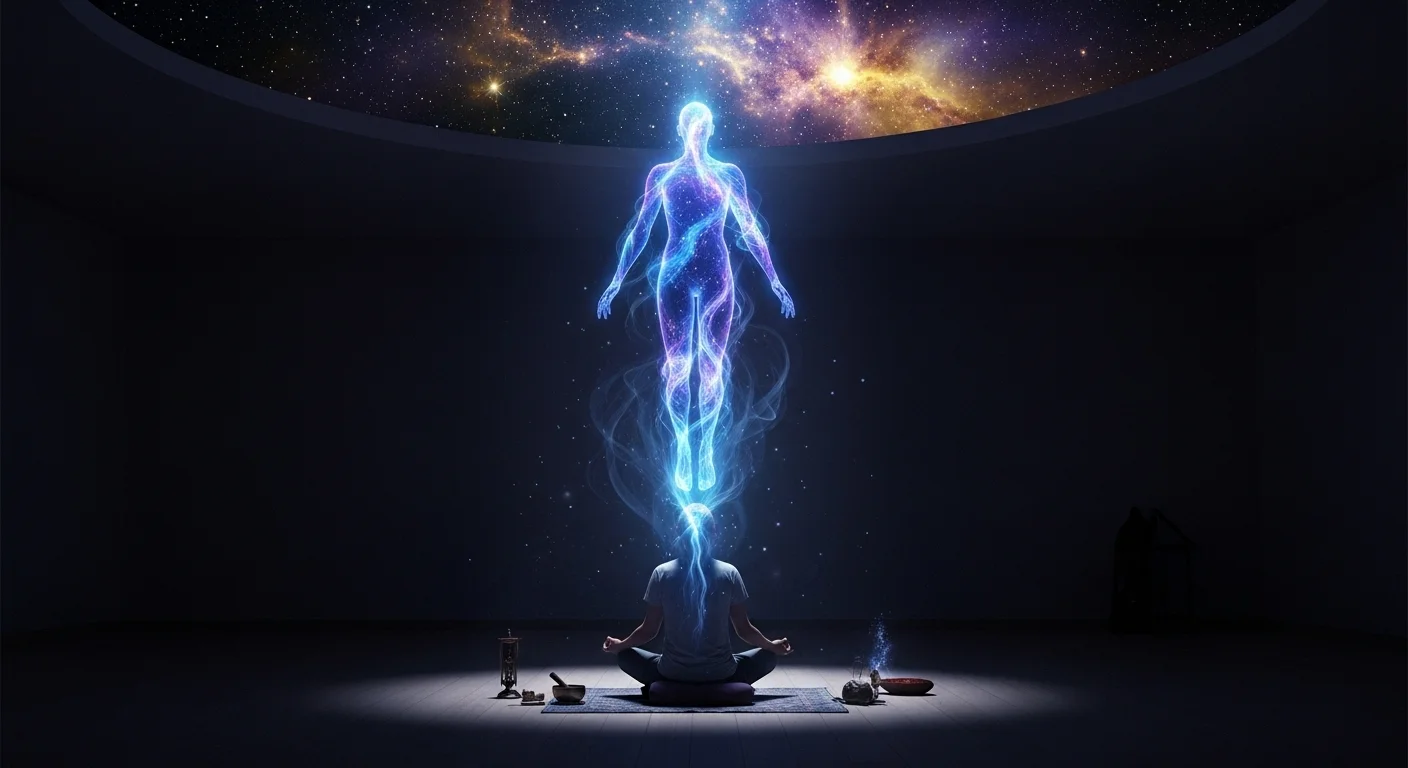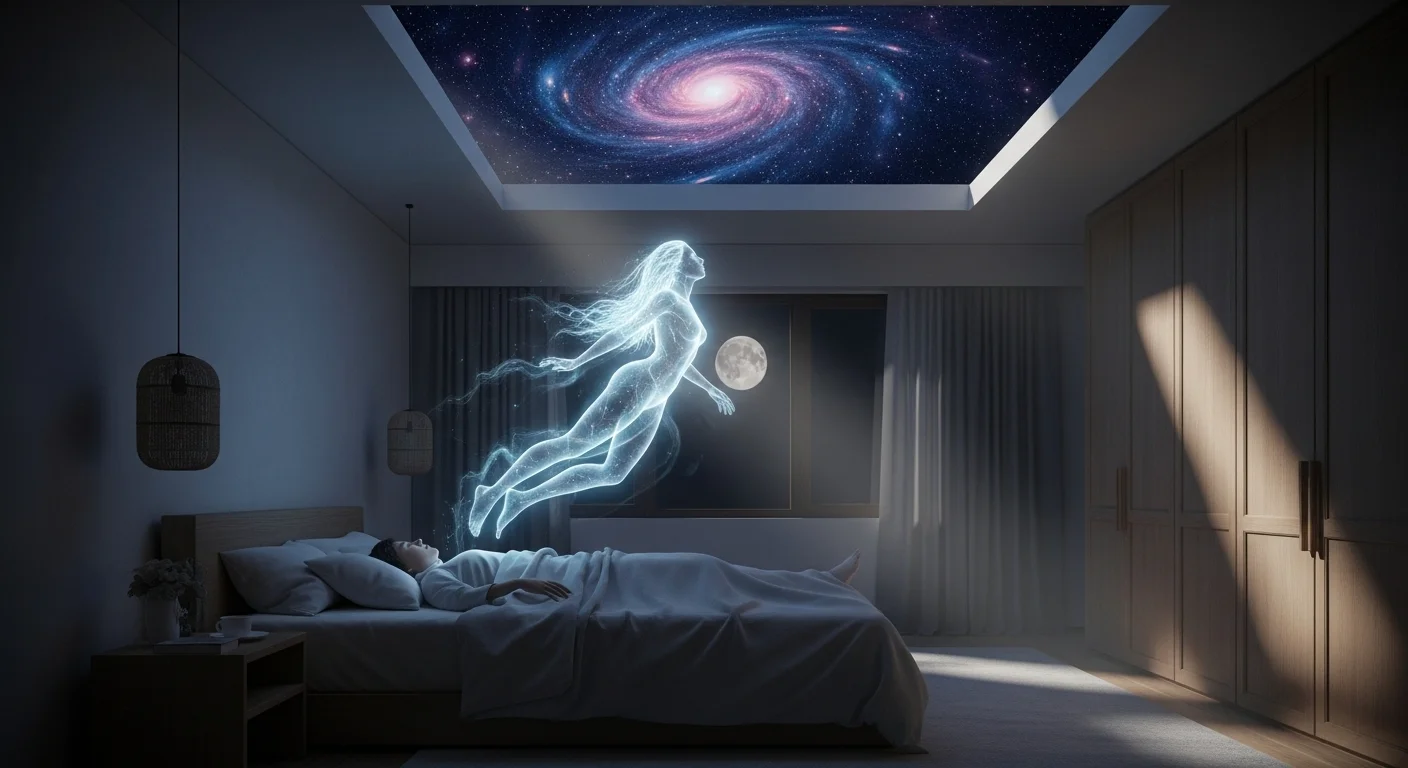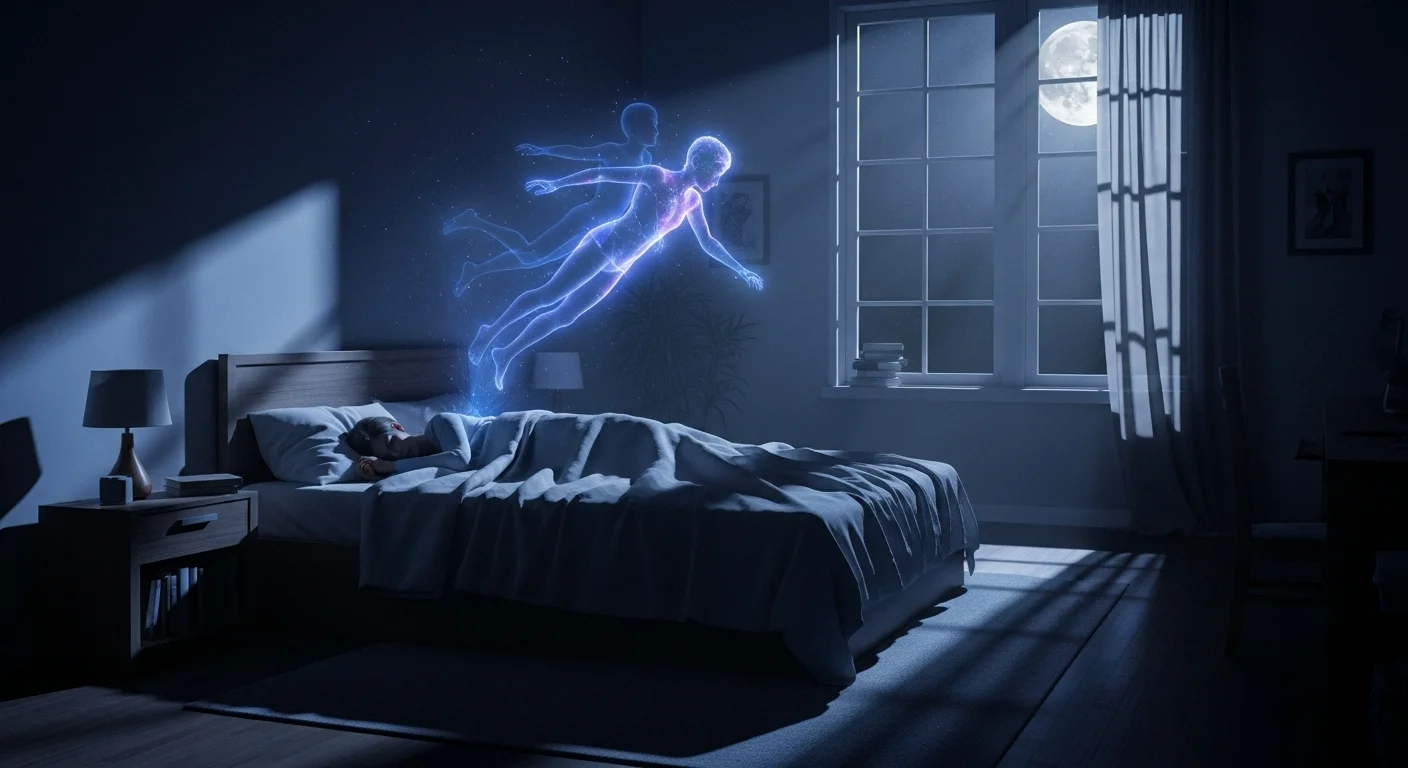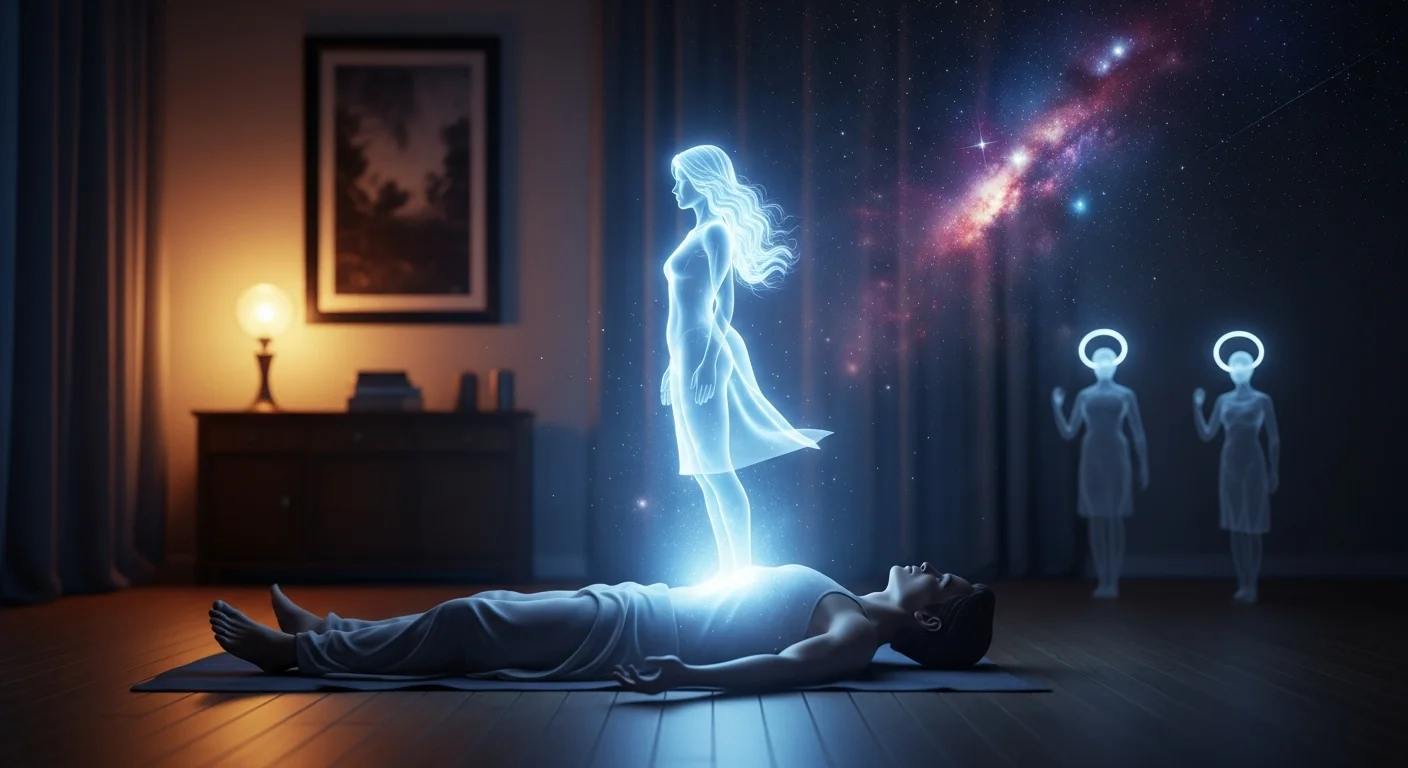

The dual location sensation describes a specific state of awareness experienced during sleep or deep relaxation. Individuals perceive themselves in two distinct environments at the exact same time. One location is the physical reality where the biological body rests in a bed. The second location is a dream environment or a mental projection created by the mind. This phenomenon often occurs during the transition between wakefulness and sleep. The brain processes sensory input from both sources simultaneously without confusion.
This experience involves a clear division of conscious attention between two focal points. The person retains full awareness of their sleeping position and the texture of the bedding. At the same moment, they engage with a separate setting that appears visual and real. They might move or interact within the dream world while still feeling the weight of blankets in the physical world. This separation differs from standard dreaming because the awareness of the physical body never fully disappears.
Researchers often associate this specific sensation with sleep paralysis or out-of-body experiences. It usually happens when the body enters a state of atonia, where the muscles relax completely. The mind remains alert and constructs a second reality for the observer. This leads to a temporary error in how the brain maps the body’s location in space. The subject observes the dream environment while the somatosensory cortex reports signals from the physical body. This results in the perception of occupying two spaces.

Neurological Mechanisms Behind Spatial Perception
The brain uses specific structures to create a mental map of physical surroundings. The hippocampus serves as the central hub for navigation and spatial memory. Within this region, neurons known as place cells activate when an individual occupies a specific location. The entorhinal cortex works alongside the hippocampus by utilizing grid cells. These cells generate a coordinate system that allows the brain to calculate distances and positions. This neural activity forms the foundation of spatial awareness during both wakefulness and sleep.
Spatial perception relies on the continuous integration of sensory information. The parietal lobe processes data from the visual system, the vestibular system, and proprioceptive sensors in the muscles. This region combines these inputs to determine the position of the body relative to the environment. During rapid eye movement sleep, external sensory input decreases significantly. The brain continues to generate internal spatial signals despite the lack of physical movement. This internal simulation can function independently of the physical body’s actual location.
Errors in neural processing can alter the perception of location. The temporoparietal junction creates a unified sense of self in space. If this area receives conflicting signals, the brain may fail to synchronize the physical body with the imagined body. This neurological discrepancy allows two distinct spatial representations to exist simultaneously. One representation tracks the physical body in bed, while the other tracks the dream body in a separate environment. This neural conflict produces the sensation of being in two places.
The Role of Hypnagogic and Hypnopompic States
Sleep transitions often cause sensory confusion in the brain. The hypnagogic state occurs when a person is falling asleep. The hypnopompic state happens when a person is waking up. During these specific times, the brain operates in a mixed mode between consciousness and dreaming. This overlap allows sensory input from the physical room to merge with internal dream imagery. The mind simultaneously processes real external data and hallucinations, which creates a distinct dual perception.
Visual and auditory hallucinations are common during these transitional phases. A sleeping individual might see their actual bedroom while also seeing dream objects. The brain fails to inhibit motor signals completely or sensory processing remains active. This results in a phenomenon called dual awareness. The sleeper recognizes their physical location in bed but also interacts with a dream environment. This split attention forces the brain to construct two separate realities at the same exact moment.
This biological process directly explains the sensation of bilocation. The body remains paralyzed in the physical world to prevent injury during rest. Meanwhile, the mind projects a mobile version of the self into the dream narrative. The conscious awareness of the physical body persists alongside the immersive dream experience. The brain interprets these conflicting signals as existing in two locations simultaneously. This state is a normal neurological event and does not indicate a medical disorder.

Lucid Dreaming and Conscious Awareness
Lucid dreaming occurs when a person becomes aware that they are dreaming while the dream is still happening. This state involves a unique activation of the brain’s frontal lobes, which usually remain dormant during normal sleep. This activation allows the dreamer to regain critical thinking skills and self-reflective capabilities. Consequently, the individual recognizes the dream environment as a mental construct while simultaneously remaining aware of their physical body sleeping in bed. This creates a distinct split in conscious perception.
The phenomenon of feeling present in two locations stems from this overlap of sensory inputs. The brain receives visual and auditory data from the internal dream narrative. At the same time, it processes somatic signals from the physical body, such as the weight of blankets or the position of limbs. The dreamer experiences the dream events as real but maintains a background understanding of their actual physical location. This results in the specific cognitive dissonance of existing in two spaces.
The intensity of this dual sensation depends heavily on the level of lucidity achieved during the episode. Low-level lucidity might only offer a vague suspicion of dreaming, while high-level lucidity provides full waking memory and control. In high-level states, the dreamer can deliberately toggle their focus between the dream scenery and their sleeping body. Researchers suggest that this ability demonstrates the brain’s capacity to run two distinct consciousness models simultaneously. This confirms that awareness is not bound to external input.
Sleep Paralysis and Sensory Discrepancies
Sleep paralysis occurs when the brain wakes up from the Rapid Eye Movement phase, but the body remains immobile. During REM sleep, the brain sends signals to paralyze muscles to prevent physical movement. If a person regains consciousness while this mechanism is still active, they experience temporary paralysis. This state creates a distinct split between the active mind and the frozen physical body. The brain detects this lack of movement and attempts to interpret the conflicting signals.
This biological conflict leads to significant sensory errors within the parietal lobes. This area of the brain manages proprioception, which is the sense of body position in space. When the brain commands movement but receives no feedback from muscles, it creates a hallucinated sensation of motion. The individual might feel their body floating or moving while simultaneously feeling their physical body lying still on the bed. This results in the specific perception of being in two locations.
These episodes often involve vestibular-motor hallucinations that reinforce the sensation of bilocation. The vestibular system, responsible for balance, becomes overactive and generates false signals of acceleration or spinning. The brain integrates these false signals with the visual input of the room. Consequently, the person perceives the immediate physical environment while also experiencing a separate, illusionary physical position. This sensory mismatch explains why individuals report the distinct feeling of occupying two separate spaces at the exact same time.
Diagnosis and Management of Sleep Perception Disorders
Doctors diagnose sleep perception disorders by comparing subjective reports with objective data. The primary tool is polysomnography, which records brain waves, oxygen levels, and heart rate during sleep. Specialists analyze these recordings to determine if the patient is actually sleeping despite feeling awake. A detailed clinical interview is also necessary to rule out other conditions like insomnia or anxiety. This comparison reveals the discrepancy between the patient’s experience and their physical state.
The management of this condition often involves cognitive behavioral therapy for insomnia. This therapy helps patients change negative thoughts and behaviors regarding sleep. Therapists use techniques such as sleep restriction and stimulus control to improve sleep efficiency. Education about normal sleep patterns is also a crucial component of the treatment plan. The goal is to correct the patient’s misperception of their sleep time and quality, thereby reducing anxiety and distress about being awake.
Medical professionals may prescribe medication in specific cases to assist with severe symptoms. However, doctors generally avoid long-term use of sedatives due to potential side effects and dependency risks. The focus remains on behavioral changes and regular monitoring of sleep habits over time. Patients often keep sleep diaries to track progress and adjust their routines as needed. Continuous follow-up ensures that the treatment remains effective and addresses any underlying psychological factors.
our next step
If you already understand what astral projection is and you’re looking for practices that truly work, this e-book presents 35 tested techniques to induce out-of-body experiences. Each technique is explained clearly and directly, allowing you to choose the method that best fits your routine and level of awareness.
This material is ideal for those who want to apply objective and varied methods, speeding up the process of conscious out-of-body projection. It works for both beginners and practitioners who have already had experiences and want to expand their possibilities. This is a practical guide for anyone who wants consistent results.
If you are taking your first steps and want to understand the fundamentals of astral projection with clarity, this manual was created to make your learning easier. In it, you will find clear explanations about the subtle bodies, the stages of projection, the most common sensations, and how to deal with fear and mental blocks.
This e-book is recommended for anyone who needs a solid and safe foundation to start practicing with confidence. It organizes the concepts in a progressive way, helping you understand the process as a whole and develop a consistent and conscious practice.

For those who want more complete and in-depth guidance, the complete astral projection course offers structured lessons, guided practices, visualizations, advanced techniques, and ongoing support. The content was designed to take you from theory to practice with safety and consistency.
This course is suitable for all levels, from beginner to advanced, and provides a systematic approach based on years of research, experience, and proven results. You will learn how to awaken your potential, gain control of your experiences, and integrate spiritual insights into your daily life.