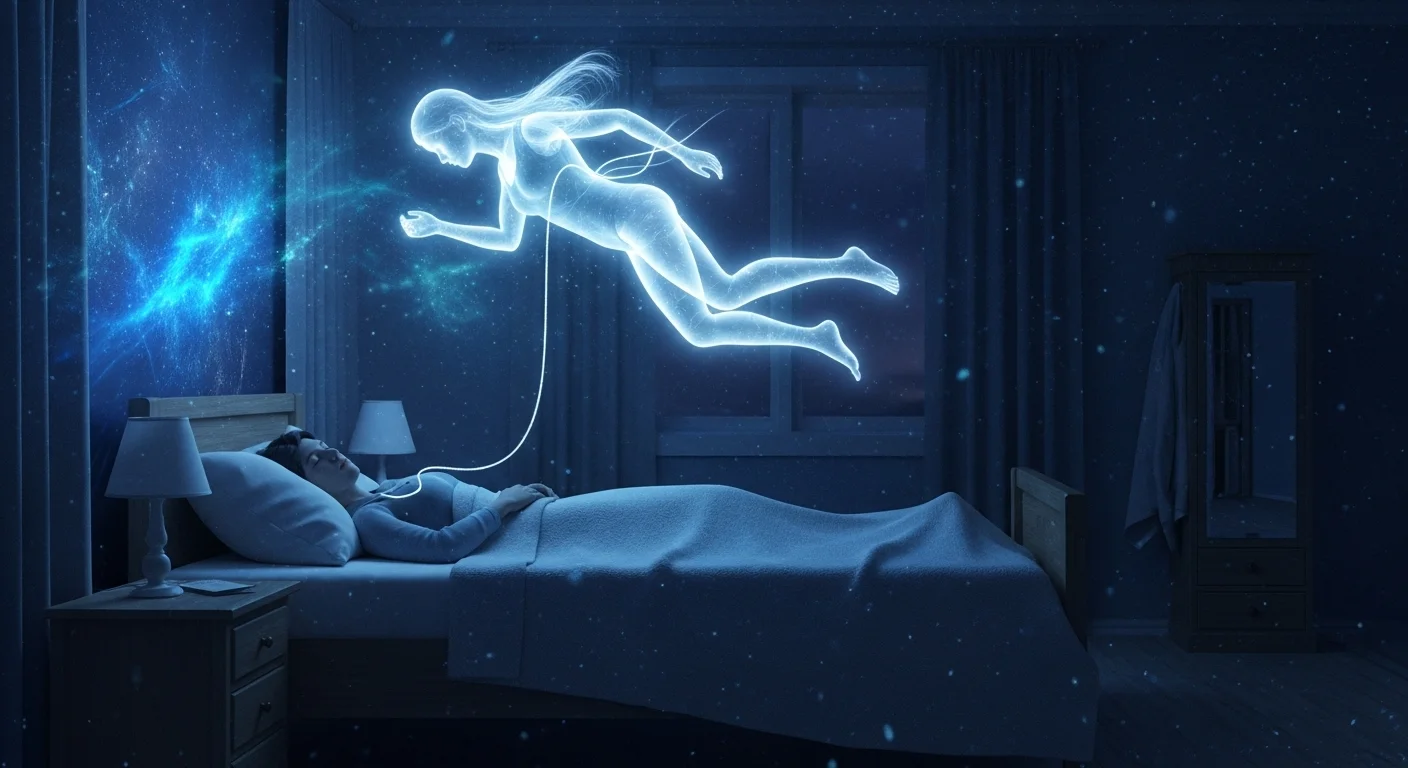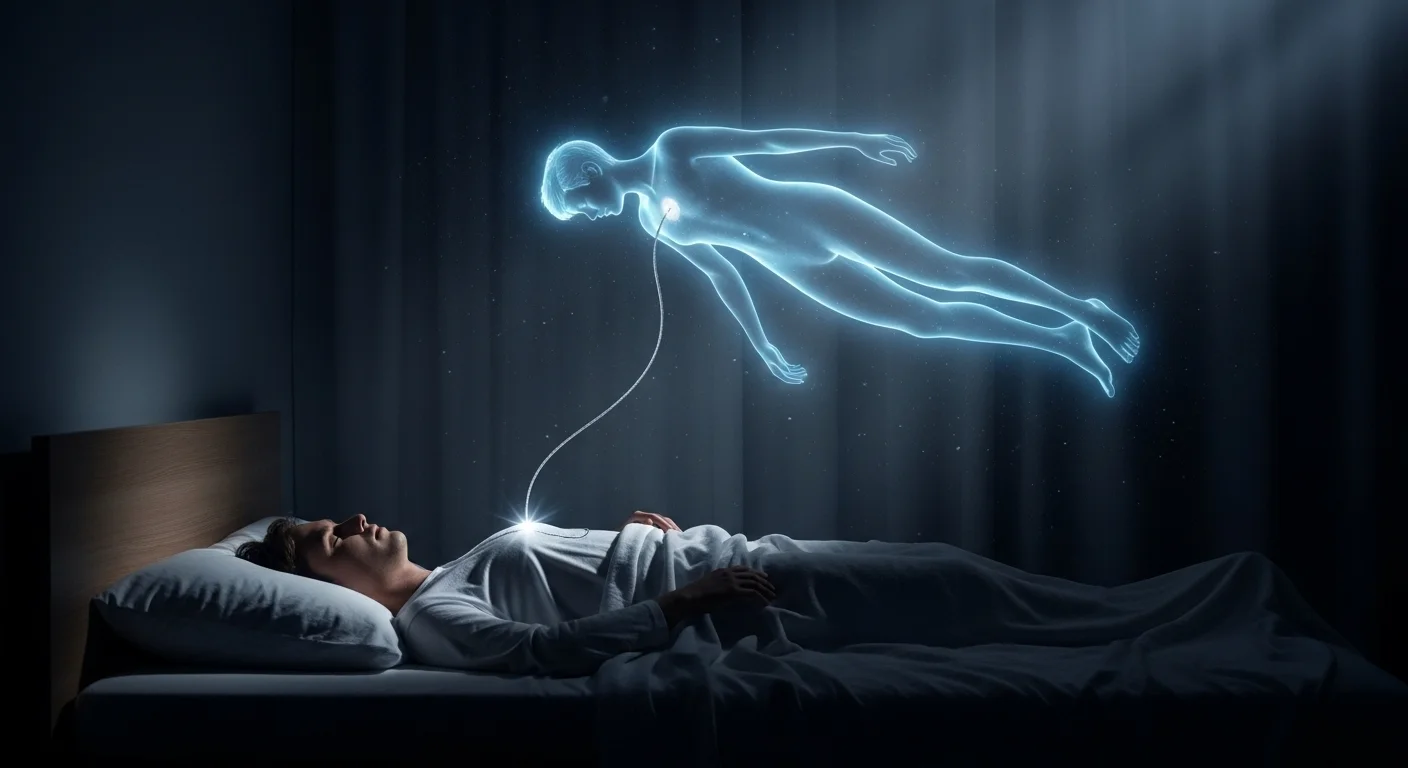
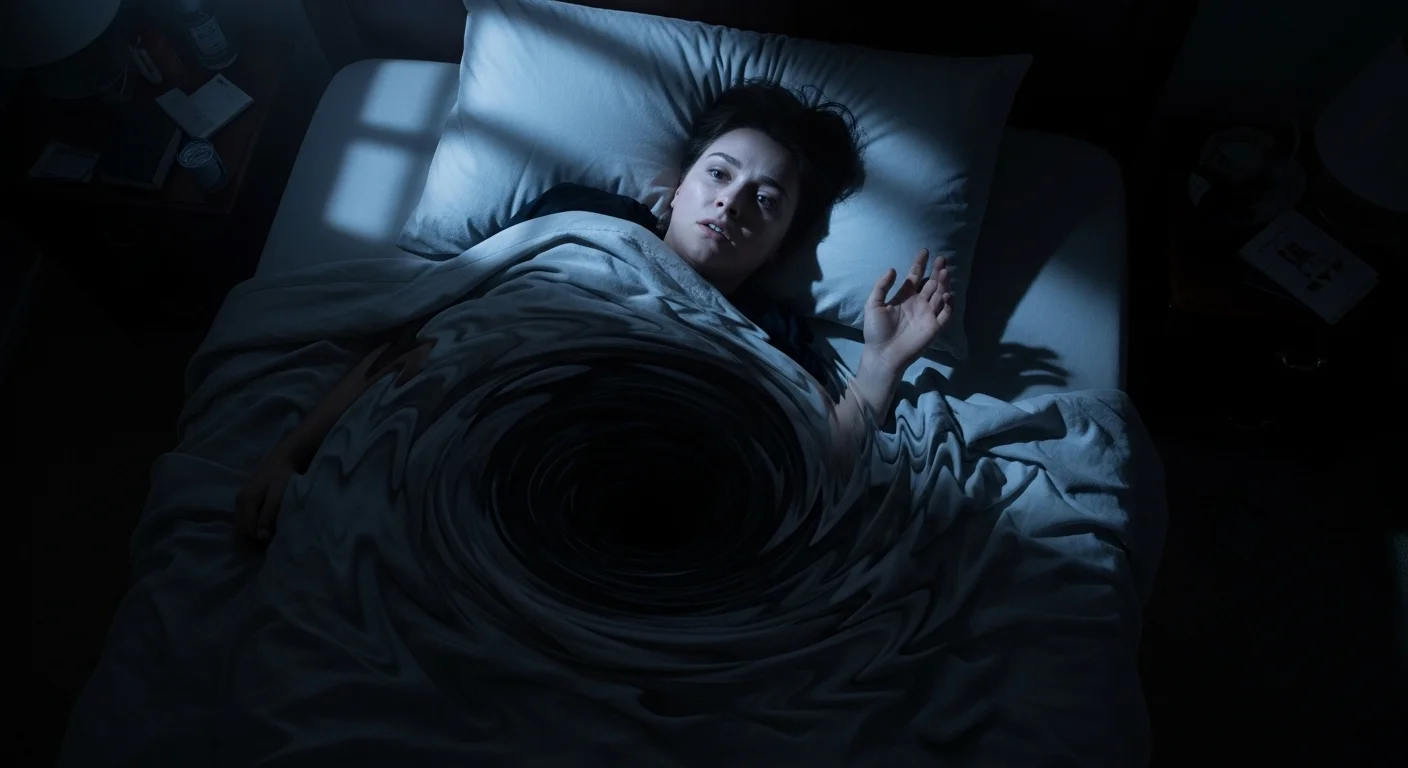
A hypnic jerk is an involuntary muscle contraction that occurs during the transition from wakefulness to sleep. This phenomenon is also known as a sleep start or a hypnagogic jerk. It typically involves a sudden twitch or spasm that affects the entire body or specific segments like the arms and legs. This physical reaction often accompanies a vivid hallucination of falling or missing a step. Most people experience these movements without waking up fully or remembering them the next day.
Medical professionals classify these movements as a form of benign myoclonus. Myoclonus refers to rapid and involuntary muscle jerks, similar to hiccups or startled jumps. Research indicates that hypnic jerks are a universal human experience and affect people of all ages and genders. They are considered a normal part of the sleep process rather than a medical disorder. While the sensation can be startling or disruptive, it does not indicate any underlying neurological damage or serious health condition.
The defining characteristic of a sleep start is the perception of sudden motion. As the muscles relax before deep sleep, the brain may misinterpret this relaxation as a sign that the body is falling. The brain responds by sending a rapid signal to the muscles to contract to regain balance. This interaction creates the sensation of being pulled or dropped. This event is usually singular and does not persist throughout the night like other movement disorders associated with sleep.
Physical Symptoms of the Falling Sensation
The primary physical symptom of this sensation is a sudden, involuntary muscle contraction. This phenomenon is scientifically known as a hypnic jerk or sleep start. It typically affects the legs, arms, or the whole body during the transition from wakefulness to sleep. The movement resembles a strong twitch or spasm and often causes the person to wake up immediately. This reaction happens when large muscle groups relax too quickly as the brain enters the initial stages of the sleep cycle.
In addition to the muscle spasm, the body often exhibits signs of sudden physical arousal. A person usually experiences a rapid increase in heart rate immediately after the jerking movement. Breathing may become fast and shallow for a short period. Some individuals also report breaking out in a cold sweat or feeling a rush of heat. These physiological changes result from a temporary surge in alertness caused by the physical jolt, which disrupts the body’s relaxed state.
The symptoms also involve the vestibular system, which controls human balance. The sleeper feels a distinct lack of support or a sudden drop in gravity. This specific sensation of vertigo is sometimes accompanied by minor sensory hallucinations. People might see a brief flash of light or hear a loud snapping noise inside their head. These sensory disruptions are temporary and vanish as soon as the person becomes fully awake and physically oriented in their bed.
Brain Activity During the Transition to Sleep
When a person falls asleep, the brain does not shut down instantly. Instead, it passes through a gradual transition phase known as the hypnagogic state. During normal wakefulness, the brain produces active electrical patterns called beta waves. As the body relaxes, these signals slow down into alpha waves. Eventually, the brain activity shifts into slower theta waves. This distinct change in electrical signals marks the official entry into stage one of the sleep cycle.
The brain must also disconnect from the sensory and motor systems during this time. The reticular activating system modulates this process to ensure the body remains still. Typically, the brain sends signals to relax the muscles and induce temporary paralysis. However, this synchronization is not always perfect. Sometimes the motor functions adapt at a different speed than the conscious mind. This delay creates a brief period of confusion within the central nervous system.
This internal confusion affects how the brain interprets physical stability. The vestibular system usually provides data on balance and position. When muscle tone drops rapidly, the brain may misinterpret this lack of feedback. It perceives the signal void as a loss of balance or gravity. To regain control, the motor cortex sends a sharp impulse to the muscles. This creates the sudden sensation of falling or being pulled followed by a physical twitch.
Common Lifestyle Triggers and Causes
Consuming stimulants such as caffeine or nicotine late in the day disrupts the body’s ability to relax during the transition to sleep. These substances keep the nervous system active and prevent the muscles from fully relaxing. High levels of stress and anxiety also contribute significantly to these sensations. When the brain remains alert due to worry or tension, it may misinterpret muscle relaxation as falling. This confusion often triggers a sudden physical reaction to wake the body.
Physical activity is generally beneficial, but intense exercise performed too close to bedtime can lead to hypnic jerks. The body needs time to lower its core temperature and heart rate before sleep occurs. Additionally, irregular sleep schedules disrupt the internal circadian rhythm. If a person is overtired or sleep-deprived, the brain enters the sleep stages too quickly. This rapid transition often causes the nervous system to react abruptly, resulting in the sensation of falling or jerking.
The use of alcohol before bed is another frequent cause of sleep disturbances. While alcohol may help a person lose consciousness faster, it negatively affects the quality of sleep cycles. Certain medications, including antidepressants and antihistamines, also influence the chemical balance in the brain during rest. These chemical changes can alter how the brain processes sensory information during sleep onset. Consequently, the disconnect between the brain and muscles increases, leading to involuntary movements and sensory illusions.
Evolutionary Theories Regarding the Phenomenon
Most scientists link this sensation to an ancient reflex known as the hypnic jerk. This theory suggests that the reaction comes from our primate ancestors who slept in trees. During the transition from wakefulness to sleep, the brain might misinterpret muscle relaxation as the act of falling from a branch. This signal causes the muscles to contract quickly to prevent a potential fall. The reaction served as a vital survival mechanism for early humans living in elevated positions.
This evolutionary perspective focuses on how the brain processes physical signals during sleep onset. As the body prepares for rest, the muscles lose tension and the breathing rate slows down significantly. The brain monitors these changes and occasionally interprets the sudden drop in muscle tone as a loss of physical support. It triggers a sudden physical jolt to wake the body up immediately. This rapid response allows the individual to regain stability and ensure they are safe.
Researchers classify this phenomenon as a vestigial reflex because it no longer serves a practical purpose for modern humans. Humans now sleep on stable surfaces like beds, so the actual risk of falling is minimal. However, the evolutionary programming remains deep within the nervous system. Factors such as high stress, caffeine intake, or extreme fatigue can make this system more sensitive. These conditions increase the likelihood that the brain will activate this ancient defense mechanism during sleep.
Methods to Reduce the Frequency of Episodes
One effective strategy involves adjusting daily habits that affect the nervous system. Individuals should limit the consumption of stimulants such as caffeine and nicotine, especially in the late afternoon and evening. These substances increase alertness and make the transition into sleep more difficult. Alcohol consumption should also be avoided before bedtime, as it disrupts natural sleep cycles. Additionally, performing vigorous physical exercise too close to sleeping hours can keep the body alert, so scheduling workouts earlier in the day is recommended.
Managing stress and anxiety is crucial for preventing these involuntary muscle contractions. High stress levels keep the brain active during the initial stages of sleep, increasing the likelihood of sudden jolts. Relaxation techniques such as deep breathing or meditation can help lower anxiety levels before bed. Maintaining a consistent sleep schedule is also important. Going to bed and waking up at the same time every day helps regulate the body’s internal clock and improves overall sleep stability.
Creating an optimal environment for rest can significantly decrease sleep disturbances. The bedroom should be dark, quiet, and cool to facilitate uninterrupted rest. A comfortable mattress provides necessary physical support to prevent discomfort. Furthermore, diet plays a role in muscle function. Deficiencies in magnesium or calcium may contribute to muscle spasms. Eating a balanced diet rich in these minerals helps muscles relax. Consulting a doctor is advisable if the episodes persist or interrupt sleep frequently despite these changes.
our next step
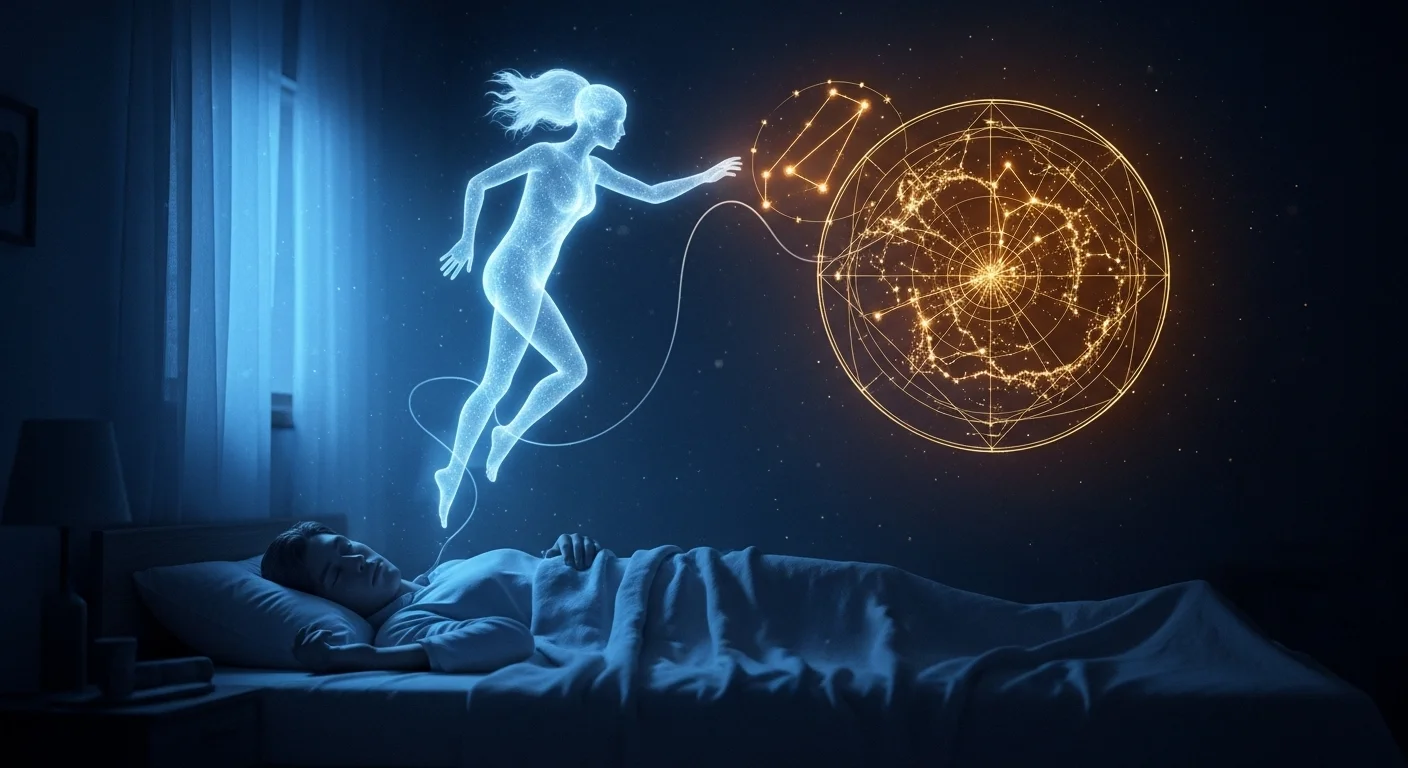
If you already understand what astral projection is and you’re looking for practices that truly work, this e-book presents 35 tested techniques to induce out-of-body experiences. Each technique is explained clearly and directly, allowing you to choose the method that best fits your routine and level of awareness.
This material is ideal for those who want to apply objective and varied methods, speeding up the process of conscious out-of-body projection. It works for both beginners and practitioners who have already had experiences and want to expand their possibilities. This is a practical guide for anyone who wants consistent results.
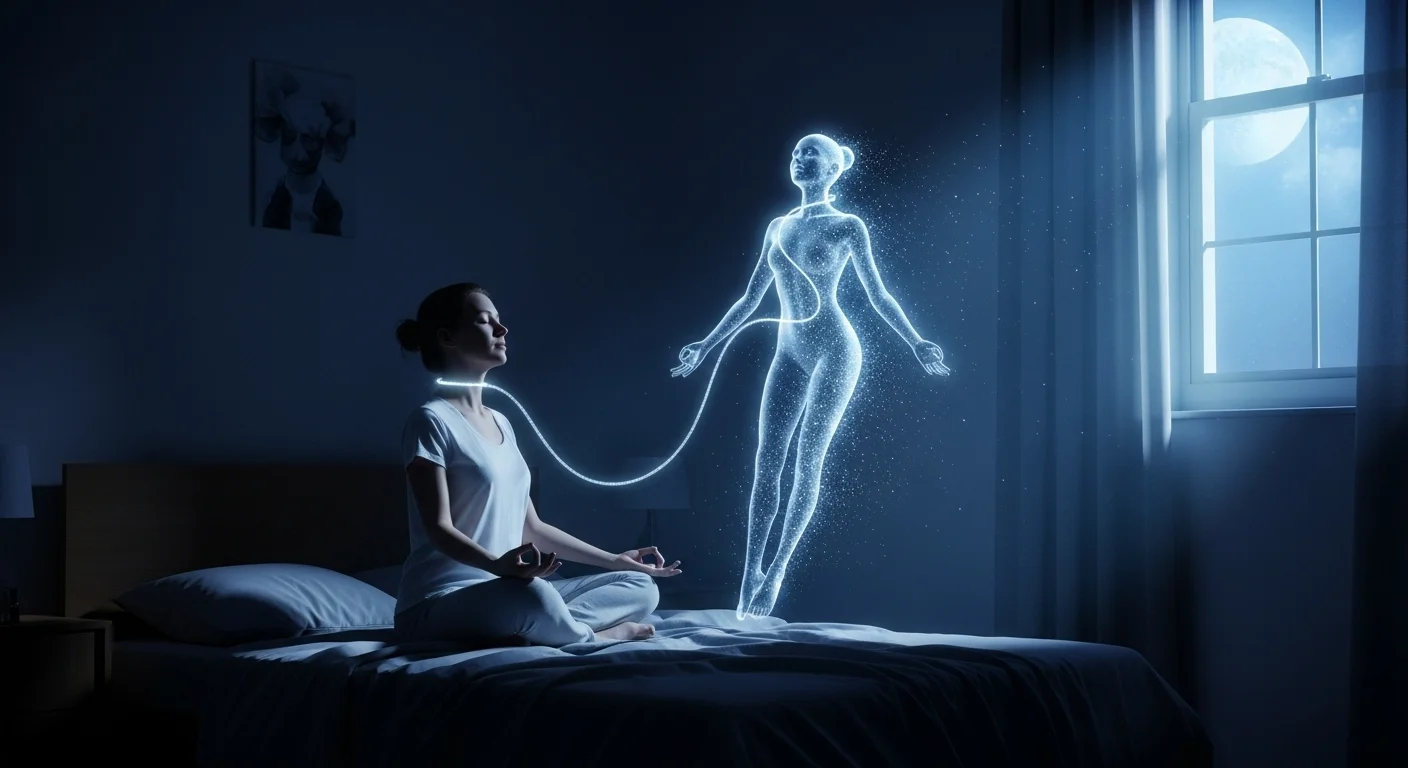
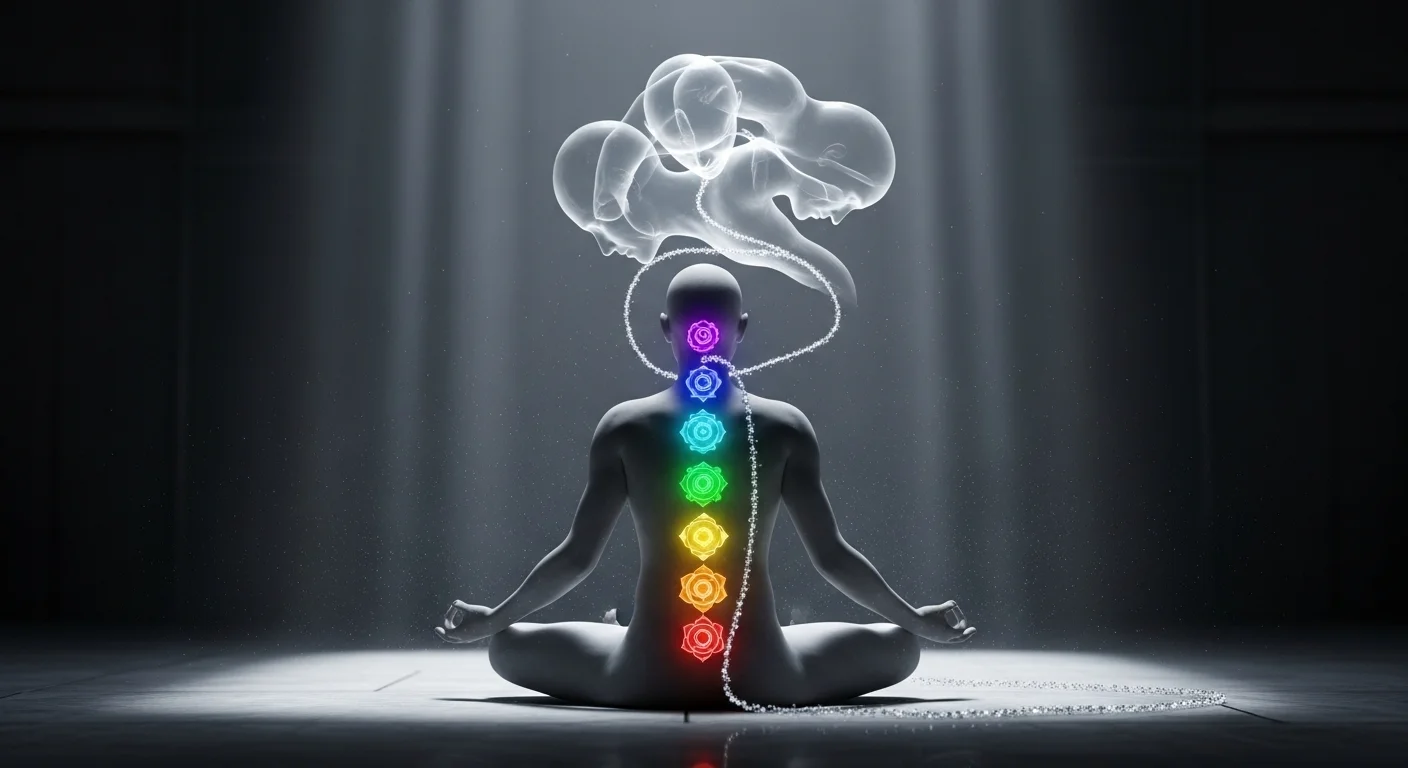
If you are taking your first steps and want to understand the fundamentals of astral projection with clarity, this manual was created to make your learning easier. In it, you will find clear explanations about the subtle bodies, the stages of projection, the most common sensations, and how to deal with fear and mental blocks.
This e-book is recommended for anyone who needs a solid and safe foundation to start practicing with confidence. It organizes the concepts in a progressive way, helping you understand the process as a whole and develop a consistent and conscious practice.

For those who want more complete and in-depth guidance, the complete astral projection course offers structured lessons, guided practices, visualizations, advanced techniques, and ongoing support. The content was designed to take you from theory to practice with safety and consistency.
This course is suitable for all levels, from beginner to advanced, and provides a systematic approach based on years of research, experience, and proven results. You will learn how to awaken your potential, gain control of your experiences, and integrate spiritual insights into your daily life.