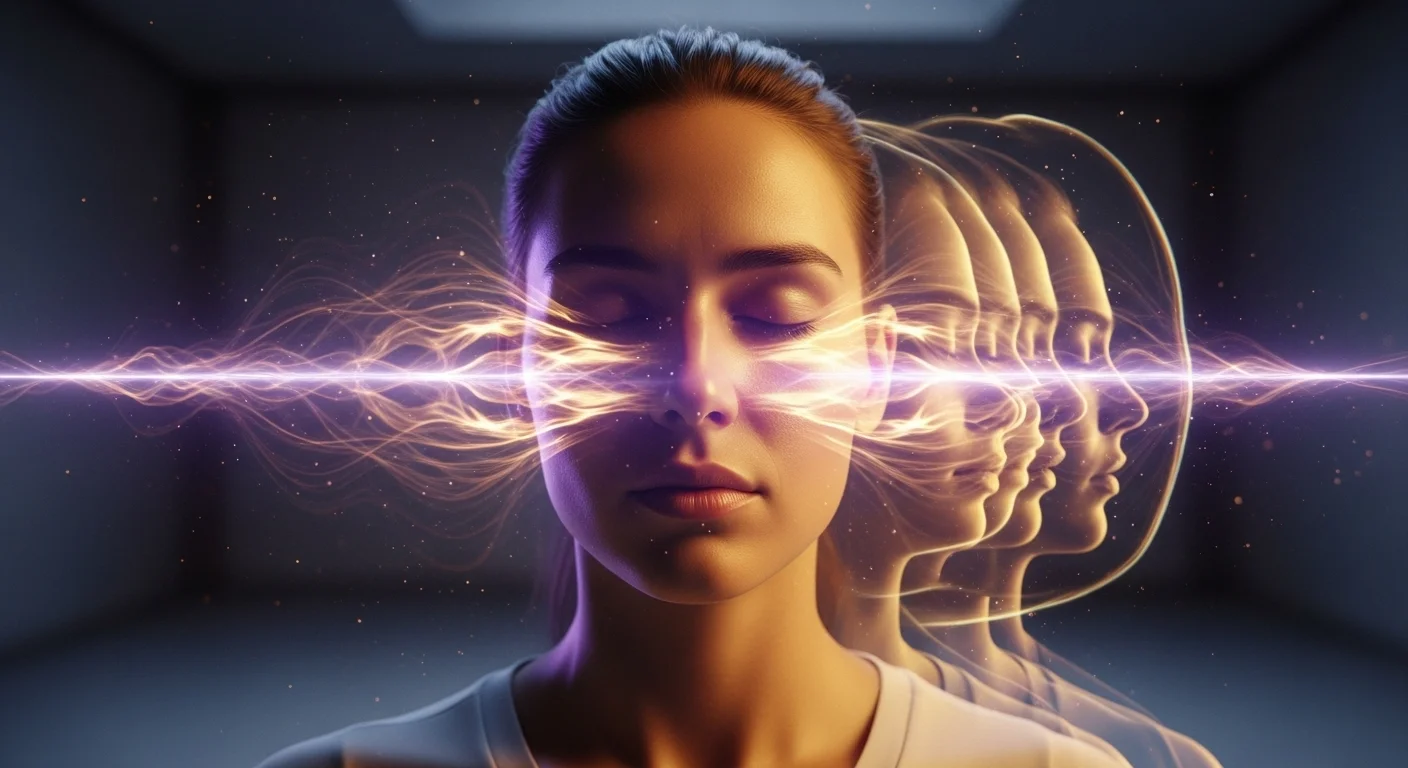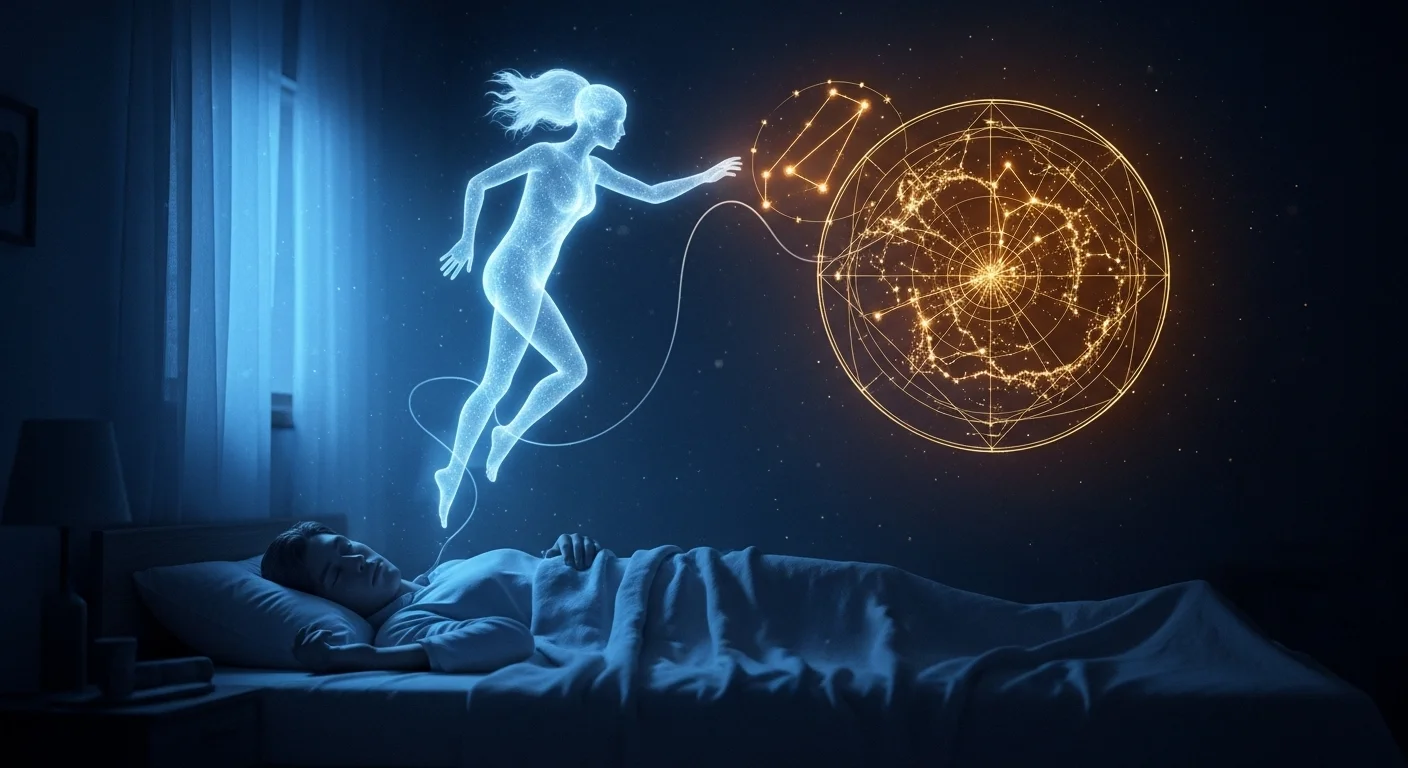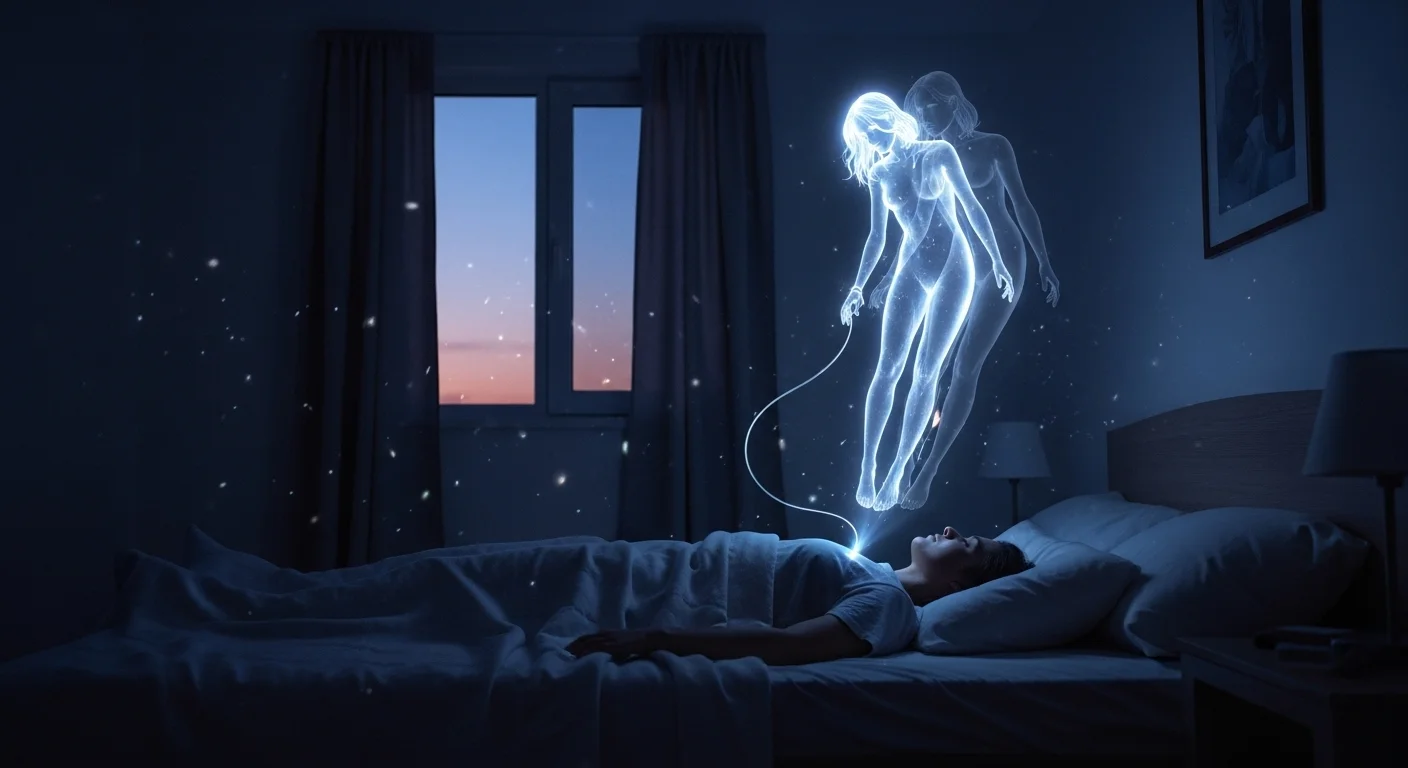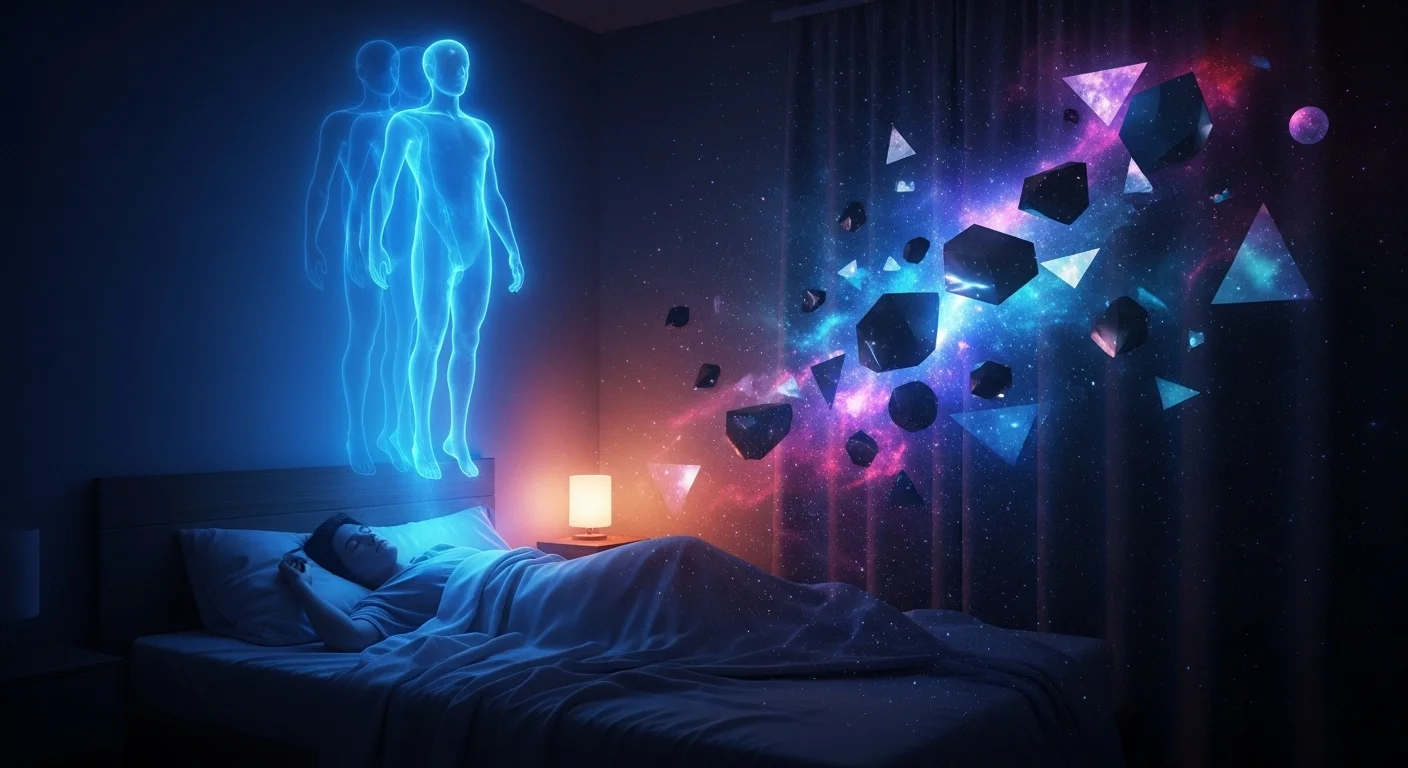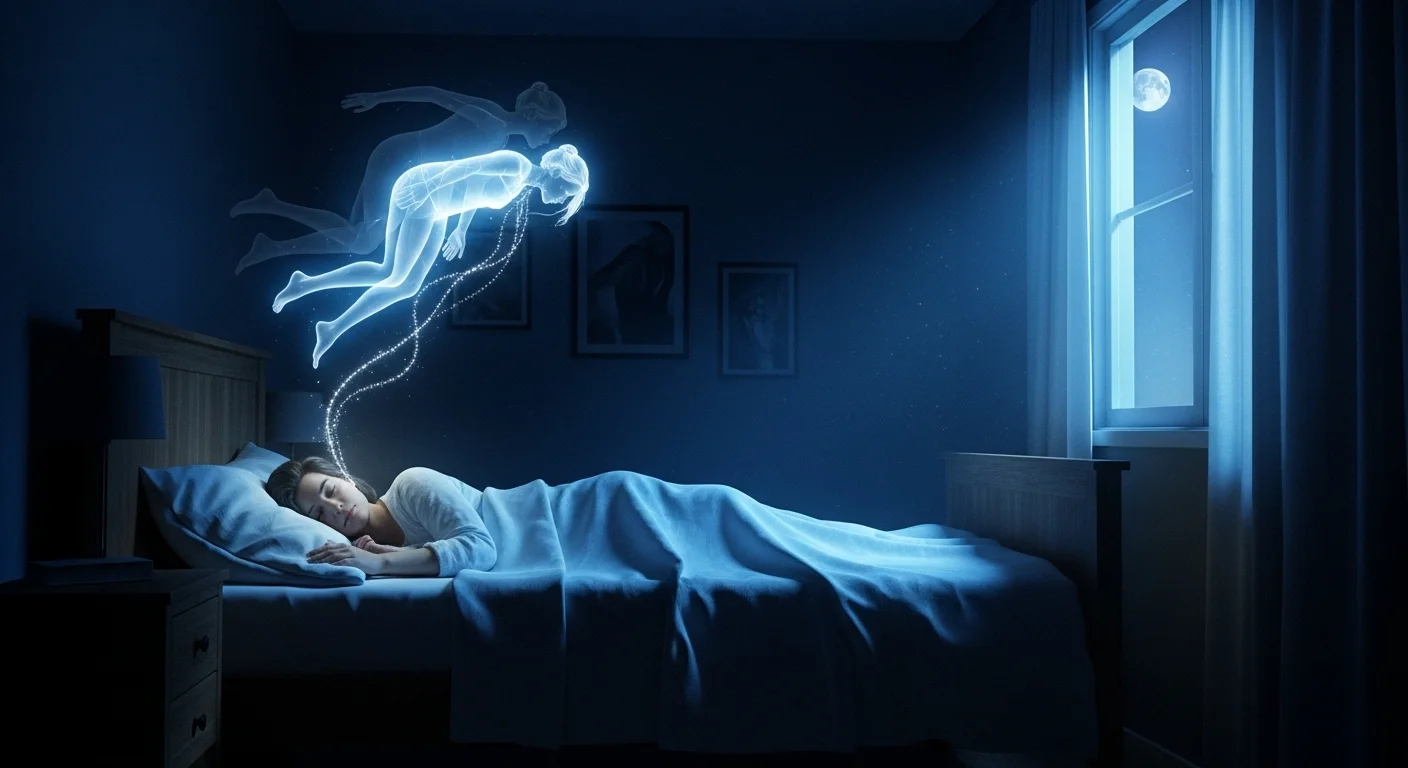
Astral projection is an intentional out-of-body experience. It involves the separation of consciousness from the physical body. Practitioners believe that a subtle body, known as the astral body, leaves the physical form. This astral body retains the consciousness and memories of the individual. During this state, the physical body remains passive and asleep. The mind stays fully awake and aware of its surroundings. This phenomenon occurs in various cultures and spiritual traditions throughout history.
People report specific sensations during the onset of astral projection. Common signs include vibrations throughout the body or loud buzzing sounds. Once separation occurs, the individual can move freely in a non-physical environment. This environment is often called the astral plane. The projector can view their own physical body from an external perspective. They can also travel to different locations instantly. The experience differs from a dream because the person maintains full lucidity and control.
Many theories describe a connection between the physical and astral bodies. This link is frequently described as an energetic cord that ensures a safe return. The return process usually happens automatically if the physical body detects danger or wakes up. Astral projection requires deep relaxation and specific mental focus to achieve. It is distinct from lucid dreaming, although both involve altered states of consciousness. The practice aims to explore consciousness beyond the limits of the physical senses.
Relationship Between Meditation and Astral Projection
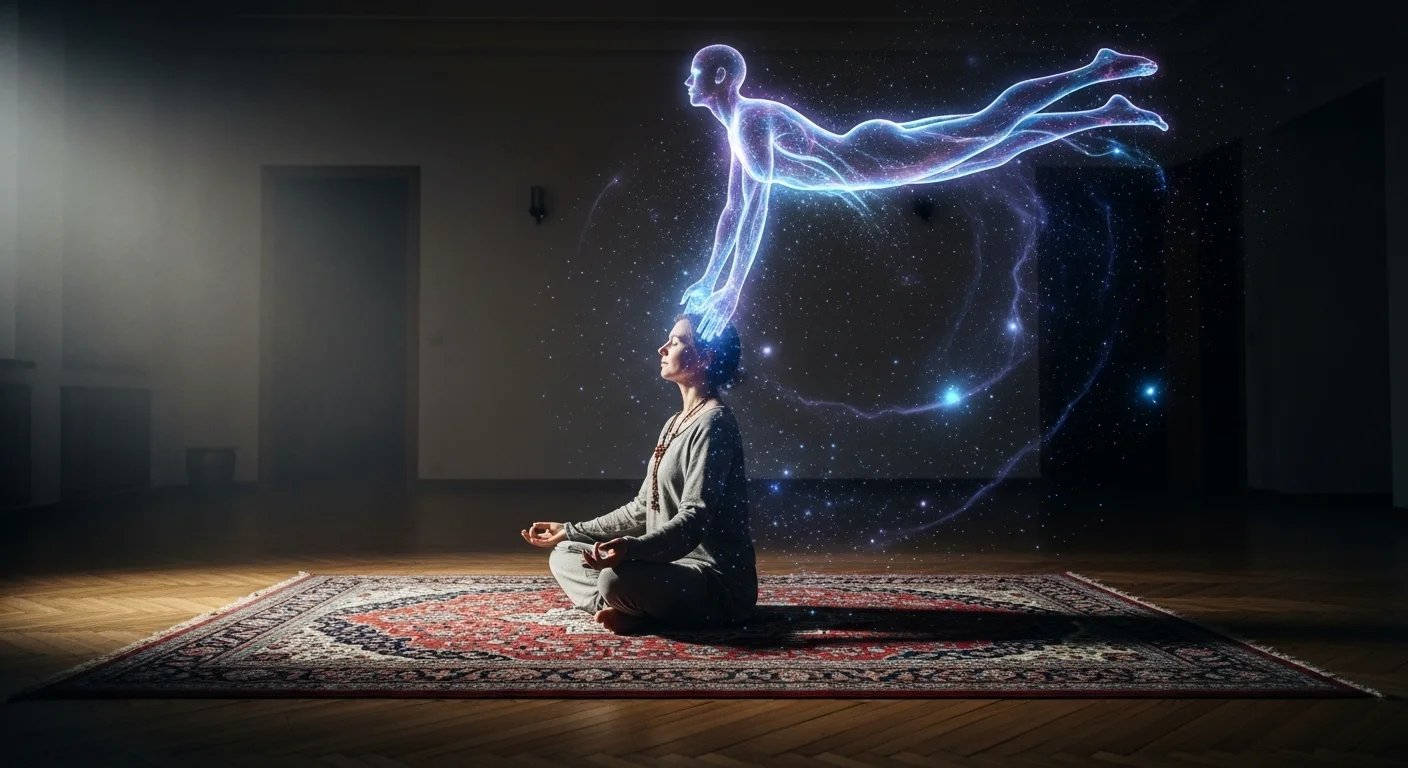
Meditation serves as a foundational practice for achieving astral projection. The process of leaving the physical body requires a high level of mental control and focus. Practitioners use meditation techniques to silence internal dialogue and reduce distractions from the physical environment. This mental discipline allows the consciousness to shift focus away from bodily sensations. Without the ability to concentrate for extended periods, the state of deep relaxation needed for projection is difficult to maintain.
A primary link between these practices is the induction of the hypnagogic state. Meditation lowers the heart rate and slows down breathing patterns. This physiological change triggers a state of deep physical relaxation while the mind remains alert. Practitioners call this the “mind awake, body asleep” state. This specific condition is necessary for the separation of the astral body. Regular meditation trains the body to reach this threshold faster and with greater consistency.
Meditation also helps individuals manage the sensations associated with the separation phase. Many people experience intense vibrations or loud noises before projecting. A trained mind can observe these phenomena without reacting with fear or excitement. Strong emotional reactions often return the consciousness immediately to the physical body. By practicing emotional neutrality through meditation, an individual remains calm during the vibrational stage. This stability allows the separation process to complete without abrupt interruptions or loss of awareness.
Preparation of the Physical Environment
You must choose a quiet room where nobody will disturb you. Silence helps you focus on the internal state necessary for projection. Turn off all electronic devices that produce noise or light. Many practitioners prefer total darkness to reduce visual stimulation. If total darkness is not possible, use a sleep mask to cover your eyes. You can also use earplugs to block external sounds. This isolation allows your mind to relax without outside distractions interrupting the process.
The temperature of the room requires careful adjustment before you begin. The body often cools down during deep meditation states. Ensure the room is warm enough to prevent shivering, as cold sensations can break your concentration. You should wear loose and comfortable clothing that does not restrict blood circulation. Good ventilation is also important for maintaining alertness. Fresh air prevents drowsiness and keeps the oxygen levels high. Avoid rooms with strong odors or stale air.
Select a comfortable surface for your physical body to rest upon. You can lie on a bed or sit in a reclining chair that supports your head. Your spine should remain straight to facilitate relaxation. Use pillows to support your neck and knees if this reduces tension in your muscles. The goal is to make the physical body completely comfortable so you can forget about it. Physical discomfort will anchor your awareness to the physical world.
Relaxation Techniques for the Body
Physical relaxation acts as a necessary foundation for astral projection. The body must remain completely still while the mind stays awake. A common method involves progressive muscle relaxation. You start by tensing the muscles in your feet for five seconds. Release the tension suddenly and observe the difference. Move upward to your calves, thighs, and hips. Repeat this process for every muscle group until you reach the top of your head. This method removes hidden tension effectively.
Controlled breathing signals the nervous system to enter a resting state. You should adopt a rhythmic breathing pattern. Inhale deeply through your nose for a count of four. Hold the air in your lungs for four seconds. Exhale slowly through your mouth for another four seconds. Wait four seconds before the next breath. This cycle slows down your heart rate. A lower heart rate reduces physical sensation and prepares the body for deep trance states.
The body scan technique maintains relaxation during the session. You must mentally inspect your body for stiffness without moving. Focus your attention on specific areas to ensure they remain loose. Sensations like itching or tingling may occur. These are signals from the brain to test if you are asleep. Do not scratch or move your limbs. Ignore these distractions completely. The body will eventually fall asleep while your awareness remains active. This state facilitates projection.
Methods to Separate the Astral Body
The rope technique is a common method for inducing separation. You begin by lying down and relaxing your physical body completely. Imagine a rope hanging down from the ceiling directly above your chest. Visualize reaching out with your non-physical hands to grasp this rope. Pull yourself up the rope hand over hand. Focus entirely on the sensation of climbing and the upward motion. This mental action helps loosen the astral body from the physical body without moving your actual muscles.
Another effective approach is the roll-out technique. This method requires you to reach a state of deep relaxation known as the hypnagogic state. Once you feel a vibration or shifting sensation, attempt to roll over onto your side. Do not use your physical muscles to perform this movement. Instead, use your will to rotate your consciousness as if you are turning over in bed. If successful, you will separate from your physical form and float nearby.
The visualization method involves projecting your awareness to a specific location. Select a distinct object or point in the room before you close your eyes. Relax your body and fix your mental attention on that target. Imagine you are standing at that location and looking back at your physical body. Maintain this focus until your perspective shifts to the target. This transfer of consciousness allows you to leave the physical body by anchoring your awareness elsewhere.
Returning to the Physical Body
The process of returning to the physical body is often automatic during an astral projection session. Most practitioners find that the physical body pulls them back naturally if they stay away for too long. You can also initiate this return consciously through a specific thought or intention. Focus your mind on your physical body lying in the bed. Visualize your physical limbs and try to feel the weight of your blankets to break the projection state immediately.
Once you feel the connection to the physical form, you must align your awareness with your physical senses. You might experience a sensation of falling or a sudden snap as you re-enter the body. To wake up fully, attempt to move a small part of your body. Wiggle your toes or clench your fingers to regain full control. Do not move large muscles too quickly. Slow movements help you transition from the astral state to the waking state.
It is important to record your experience immediately after you return to the physical body. Memories of astral projection fade very quickly from the mind. Keep a journal and a pen next to your bed for this specific purpose. Write down every detail you remember before you move your body too much or engage in other activities. Documenting these events helps you track your progress over time. This practice improves your ability to recall future sessions with greater accuracy.
Your next step
If you already understand what astral projection is and you’re looking for practices that truly work, this e-book presents 35 tested techniques to induce out-of-body experiences. Each technique is explained clearly and directly, allowing you to choose the method that best fits your routine and level of awareness.
This material is ideal for those who want to apply objective and varied methods, speeding up the process of conscious out-of-body projection. It works for both beginners and practitioners who have already had experiences and want to expand their possibilities. This is a practical guide for anyone who wants consistent results.
If you are taking your first steps and want to understand the fundamentals of astral projection with clarity, this manual was created to make your learning easier. In it, you will find clear explanations about the subtle bodies, the stages of projection, the most common sensations, and how to deal with fear and mental blocks.
This e-book is recommended for anyone who needs a solid and safe foundation to start practicing with confidence. It organizes the concepts in a progressive way, helping you understand the process as a whole and develop a consistent and conscious practice.
For those who want more complete and in-depth guidance, the complete astral projection course offers structured lessons, guided practices, visualizations, advanced techniques, and ongoing support. The content was designed to take you from theory to practice with safety and consistency.
This course is suitable for all levels, from beginner to advanced, and provides a systematic approach based on years of research, experience, and proven results. You will learn how to awaken your potential, gain control of your experiences, and integrate spiritual insights into your daily life.