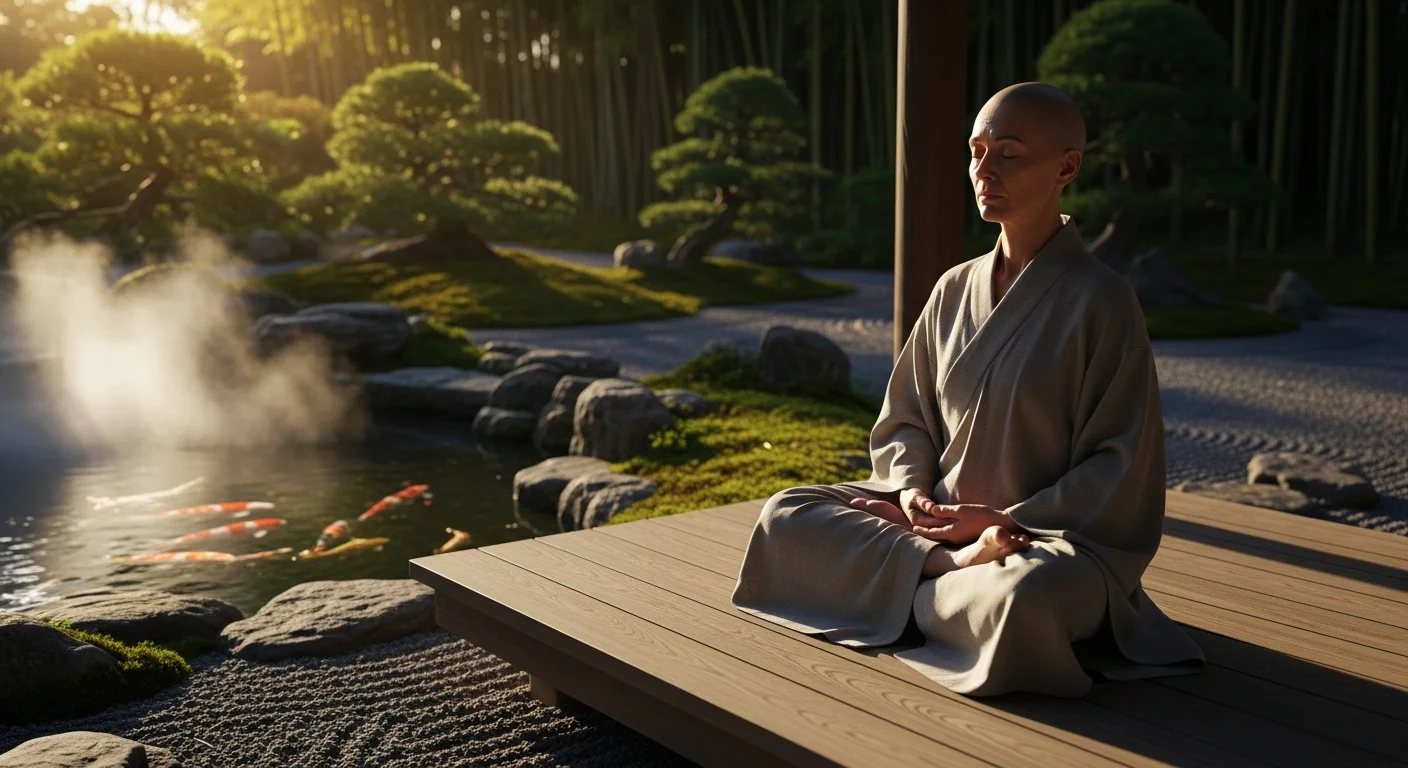
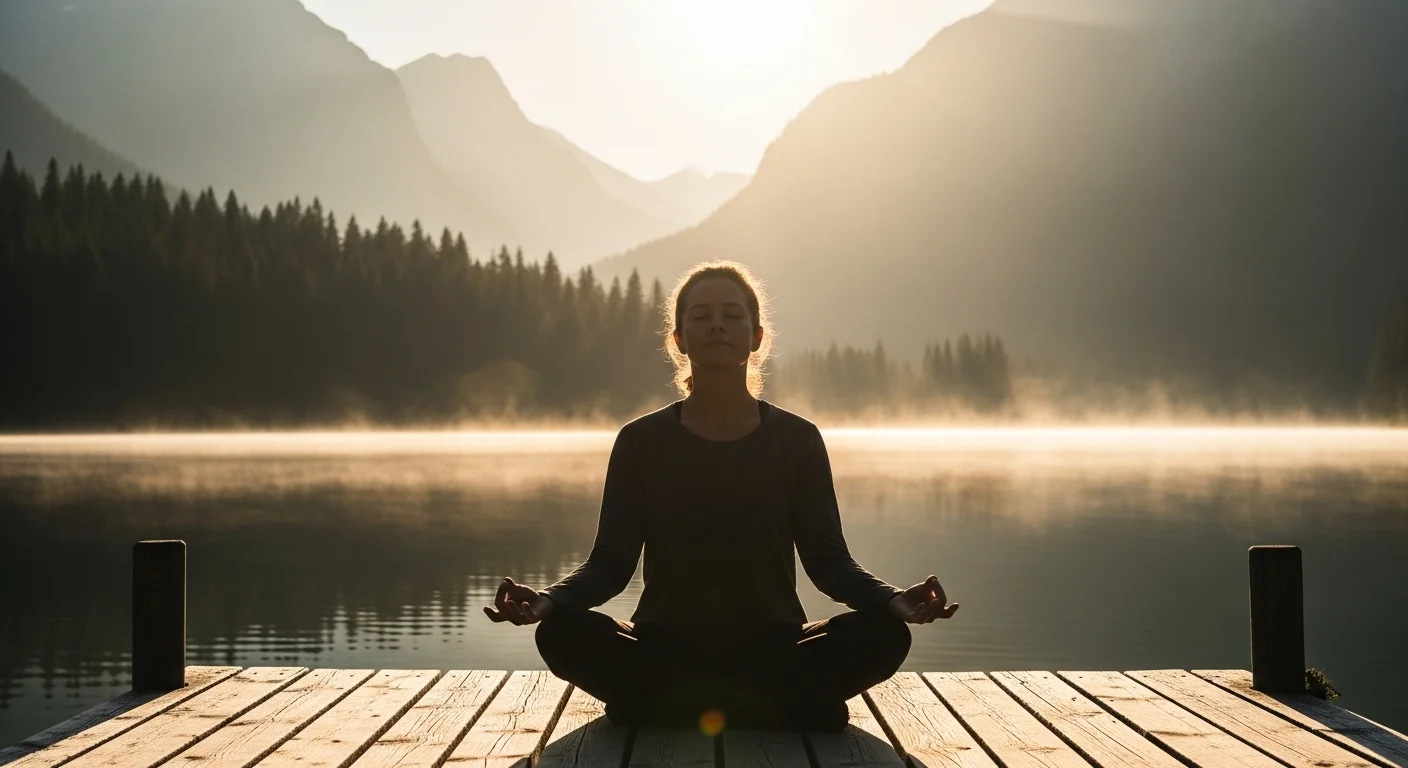
Calm meditation is a specific mental practice designed to reduce stress and induce a state of relaxation. Practitioners focus their attention on a single object, such as the breath or a sound. This focus helps clear the mind of scattered thoughts.
The process involves slowing down body functions to achieve physical stillness. By regulating breathing patterns, the heart rate decreases and muscle tension releases. This biological shift signals safety to the nervous system, allowing the mind to rest and recover from activity.
Unlike active thinking or problem solving, this technique emphasizes observation without judgment. The goal is to acknowledge thoughts as they arise and let them pass. This practice builds a consistent habit of mental stability and emotional balance during daily life.
Physical and Mental Health Effects
Regular meditation reduces cortisol levels in the body. This stress hormone causes inflammation and health issues over time. Practicing calm techniques lowers blood pressure and improves heart rate. These physical changes decrease the risk of heart disease significantly.
Mental health improves with consistent meditation practice. It reduces symptoms of anxiety and depression by regulating mood. The brain processes information more efficiently, which leads to better concentration. Individuals report clearer thinking and increased emotional stability during daily tasks.
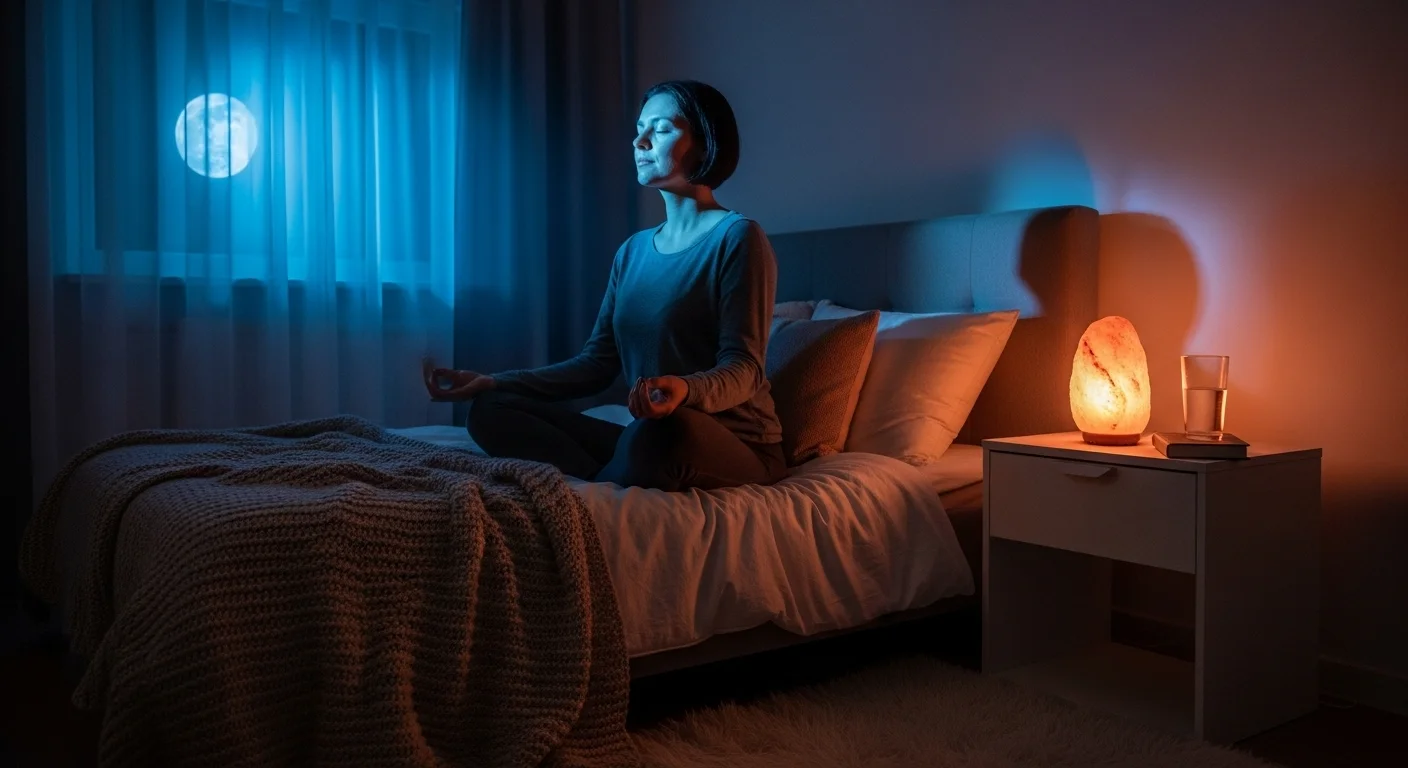
Many people experience better sleep quality after meditating. The practice relaxes the nervous system and helps the body rest. Enhanced sleep supports immune function and overall recovery. This creates a positive cycle that maintains both physical and mental wellness.
Preparation of the Environment
Select a quiet room where interruptions are unlikely to occur. Turn off electronic devices or set them to silent mode. Eliminating external noise helps you focus attention on the practice. A consistent location establishes a helpful routine for your mind.
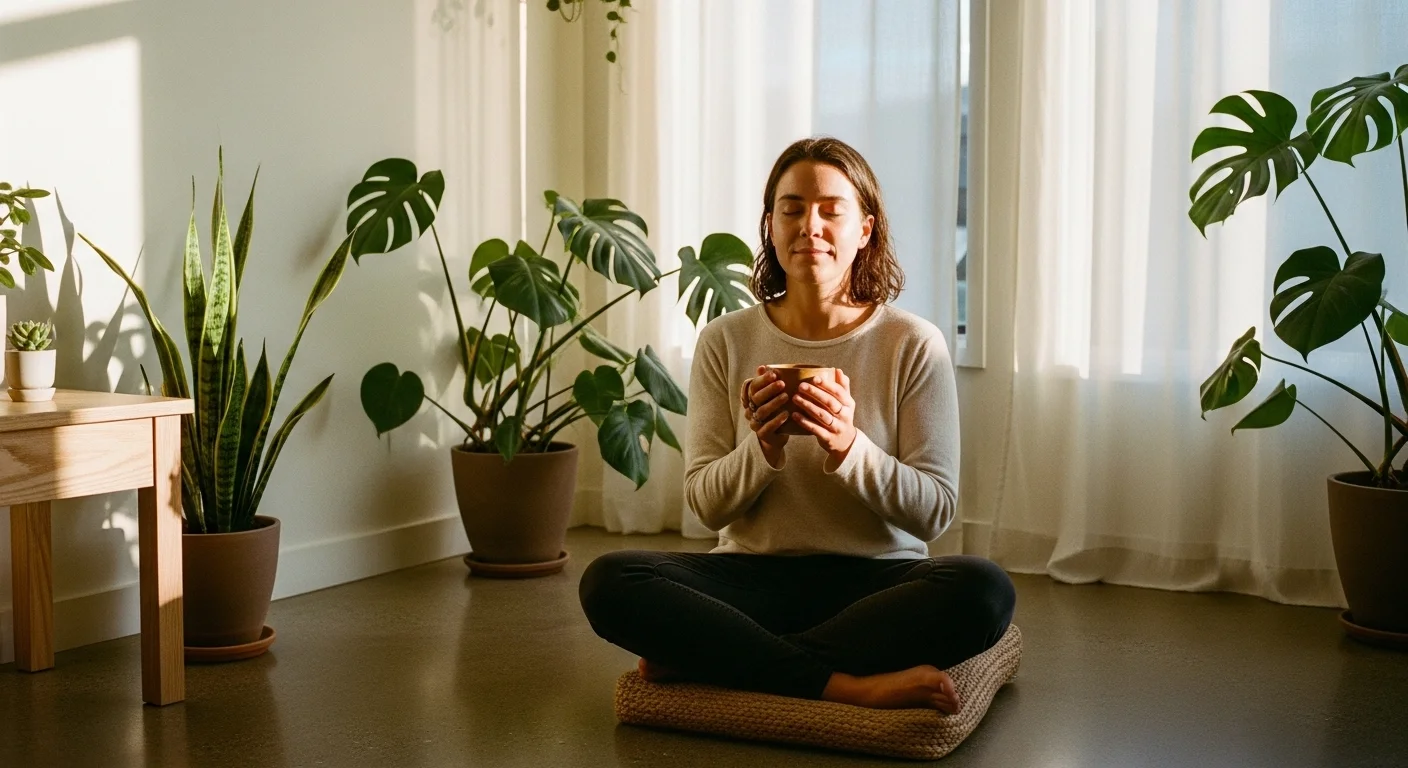
Adjust the lighting to a level that feels comfortable for your eyes. You may use natural light or dim lamps. Ensure the room temperature is moderate so the body remains relaxed. Sit on a cushion or chair that provides back support.
Remove clutter from the area to reduce visual distractions. A clean space promotes mental clarity during the session. You may place a timer nearby to track the duration. Keep the environment simple and organized to maximize the effectiveness of the practice.
Breathing Methods for Relaxation
Controlled breathing is a core part of meditation. It signals the body to lower the heart rate. A common method is belly breathing. Inhale through the nose and let the abdomen expand. Do not move the chest while breathing.
Box breathing is another useful technique. This method uses four steps. Inhale for four seconds, hold for four seconds, exhale for four seconds, and hold again. This specific pattern focuses the mind and reduces physical tension in the body.
You can also try lengthening the exhalation. Make the breath out last longer than the breath in. This action activates the relaxation response. Practice this exercise daily to manage stress. It works well to regain control during tense moments.
Steps for a Daily Routine
Select a specific time each day for your practice. Many people choose the morning to start their day with focus. You should also find a quiet space where you will not be disturbed. This consistency helps you build a stable habit.
Sit in a comfortable position with your back straight. You can sit on a standard chair or use a cushion on the floor. Set a timer for a short duration, such as five minutes. Do not worry about the length initially.
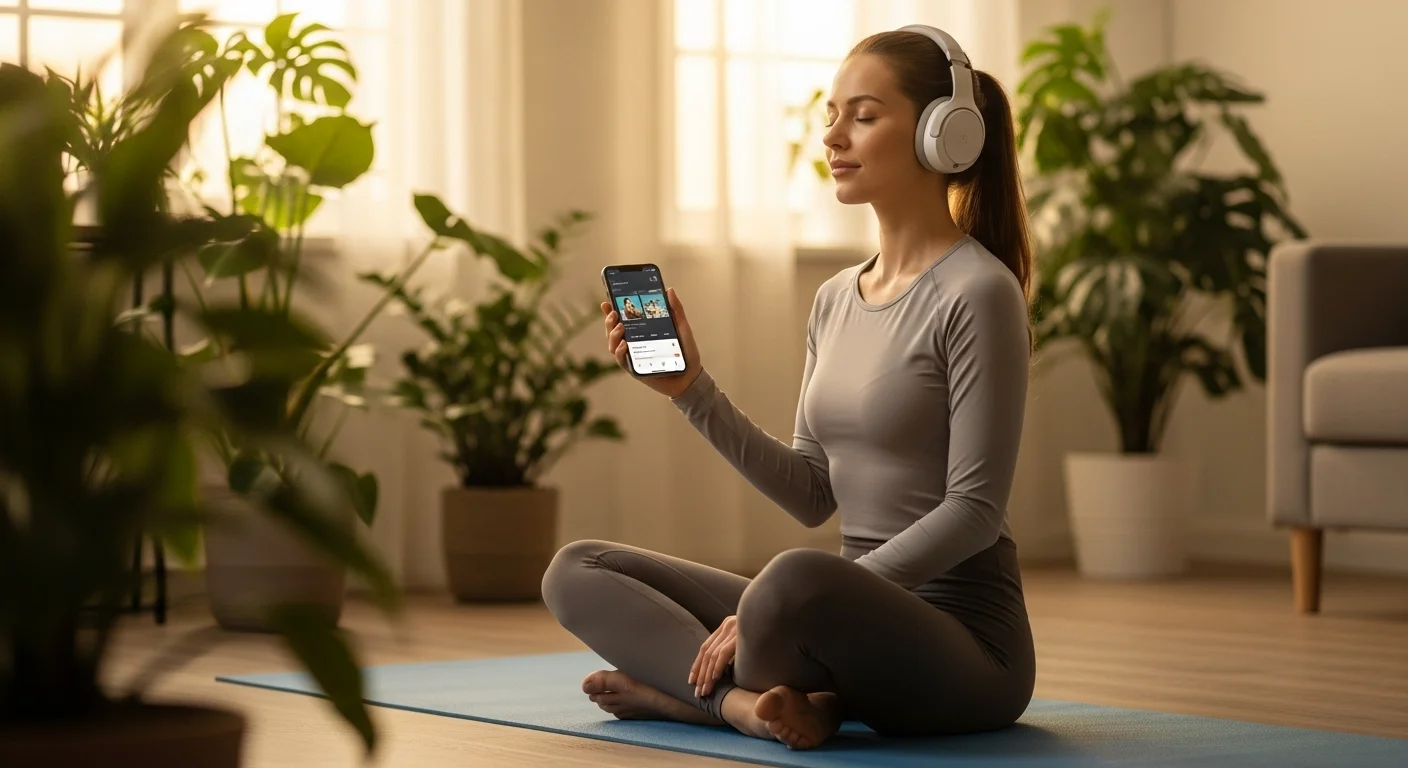
Close your eyes and focus attention on your breathing. When you lose focus, return your attention to the breath. Track your daily sessions on a calendar or an app. Seeing your progress encourages you to continue the practice every day.
Solutions for Common Distractions
External noises such as traffic or conversation occur frequently during meditation sessions. You cannot always eliminate these sounds, but you can control your reaction. Simply acknowledge the noise without judgment and return your attention to your breathing immediately.
Mental wandering happens to everyone regardless of experience level. When you start thinking about daily tasks or work, do not become frustrated. Notice that your mind has drifted and gently guide your concentration back to your chosen focal point.
Physical discomfort like numbness or itching can interrupt your focus. Adjust your posture if you feel sharp pain or significant tension. For minor sensations, observe the feeling briefly before moving. Maintaining a comfortable position helps you sustain concentration longer.