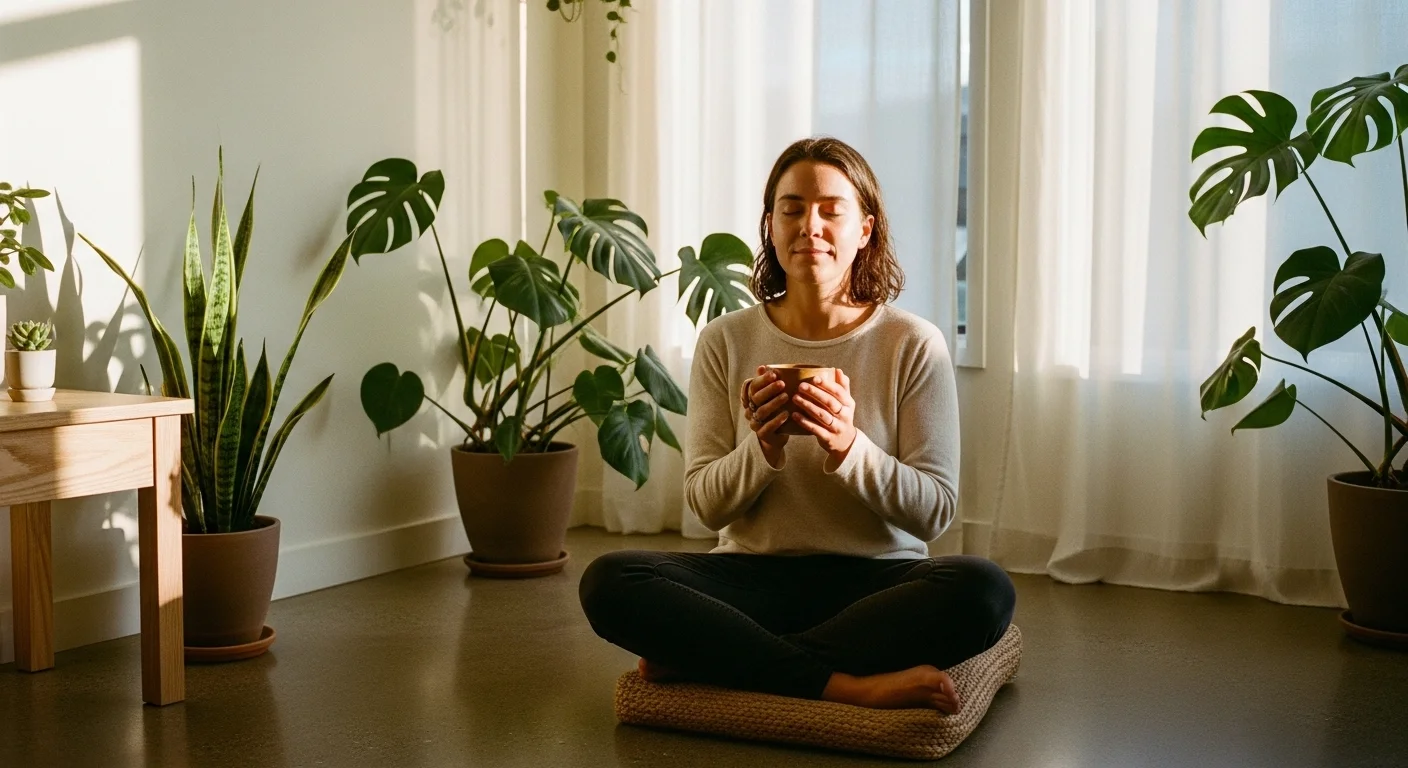
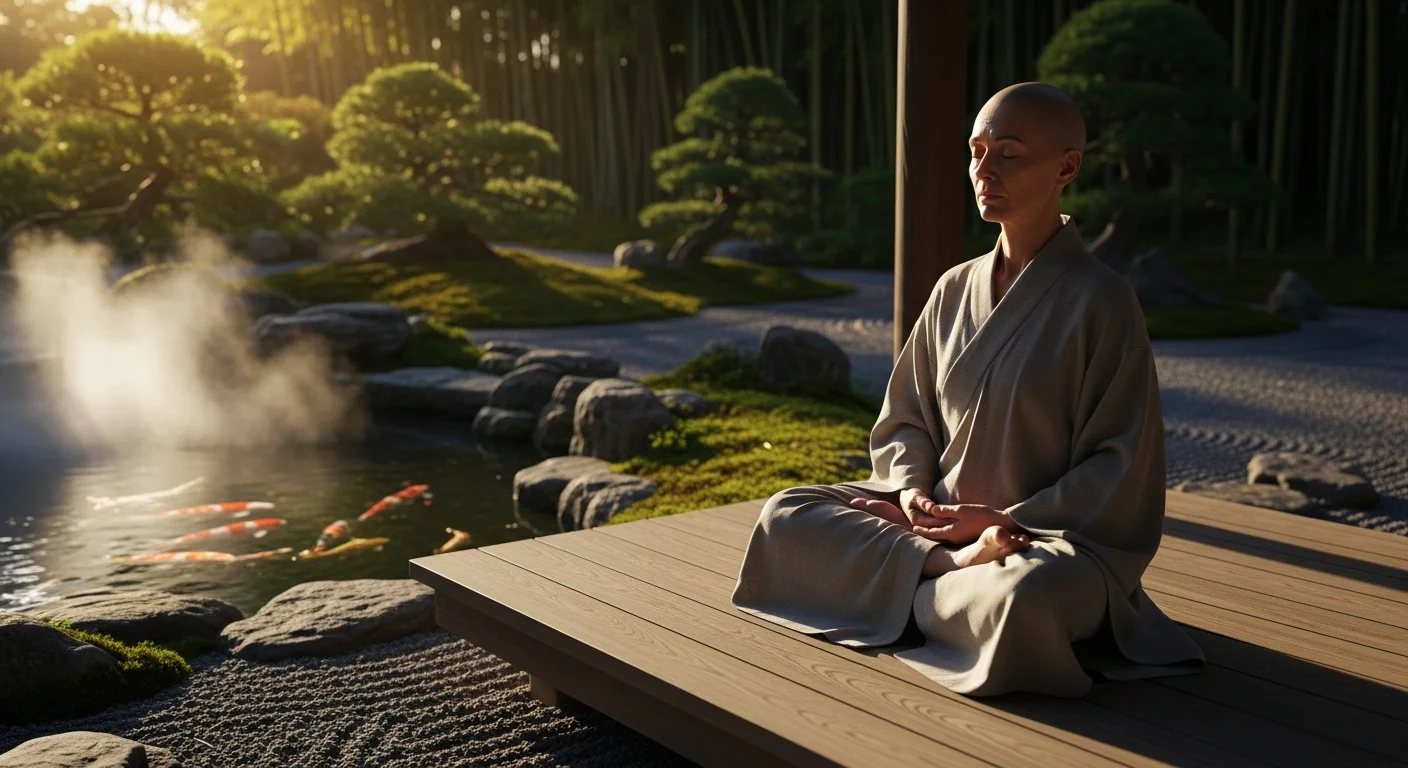
Relaxation meditation is a specific practice intended to calm the body and mind. It involves deliberate techniques that reduce stress and physical tension. The main objective is to activate the relaxation response, which counteracts the body’s natural reaction to stress.
Practitioners usually sit in a quiet environment and close their eyes. They direct attention to a single focus, such as breathing or a repeated sound. This action interrupts racing thoughts. The process effectively lowers the heart rate and decreases blood pressure.
This type of meditation differs from methods that seek spiritual insight. The priority here is immediate physical and mental relief. Regular sessions help individuals manage anxiety, improve sleep patterns, and maintain a consistent state of rest during their daily routine.
Benefits of Regular Practice
Regular meditation reduces stress levels significantly. It lowers cortisol production in the body. This process helps decrease high blood pressure and improves heart health. Consistent practice stabilizes physical functions and promotes better sleep quality for many individuals.
You will notice improved concentration and mental clarity. Meditation trains the brain to focus on the present moment. This reduces symptoms of anxiety and depression over time. It allows you to manage emotional reactions with greater control and stability.
Daily sessions build resilience against future stressors. A routine establishes a habit of relaxation that persists throughout the day. This leads to an overall increase in general well-being. The positive effects accumulate when you meditate on a consistent schedule.
Preparation for the Session
Select a quiet room where nobody will disturb you to prevent distractions. You should wear loose clothing that does not restrict your breathing or movement. Remove any tight accessories like belts or heavy jewelry to ensure physical comfort during the process.
Choose a stable posture that you can maintain for the entire session. You can sit upright on a firm chair or lie flat on a floor mat. Set a specific timer for your desired duration so you do not check the clock.
Silence all electronic devices and turn off notifications on your phone. Inform others nearby that you need privacy for a short time. Address any physical needs, such as drinking water, before you begin the technique to avoid interruptions.

Breathing Instructions
Sit in a comfortable position and close your eyes. Focus attention on the flow of air. Inhale slowly through your nose and fill your lungs completely. Do not force the breath. Keep your shoulders and chest muscles relaxed during this process.
Direct the air toward your abdomen rather than your chest. You should feel your stomach rise as you inhale. Hold the breath for a few seconds before you release it. This action helps engage the diaphragm and slows down your heart rate.
Exhale slowly through your mouth or nose. Release all the air from your lungs in a steady stream. Repeat this cycle for several minutes to maintain focus. If your mind starts to wander, return your attention immediately to the rhythm of breathing.
Body Scan Method Steps
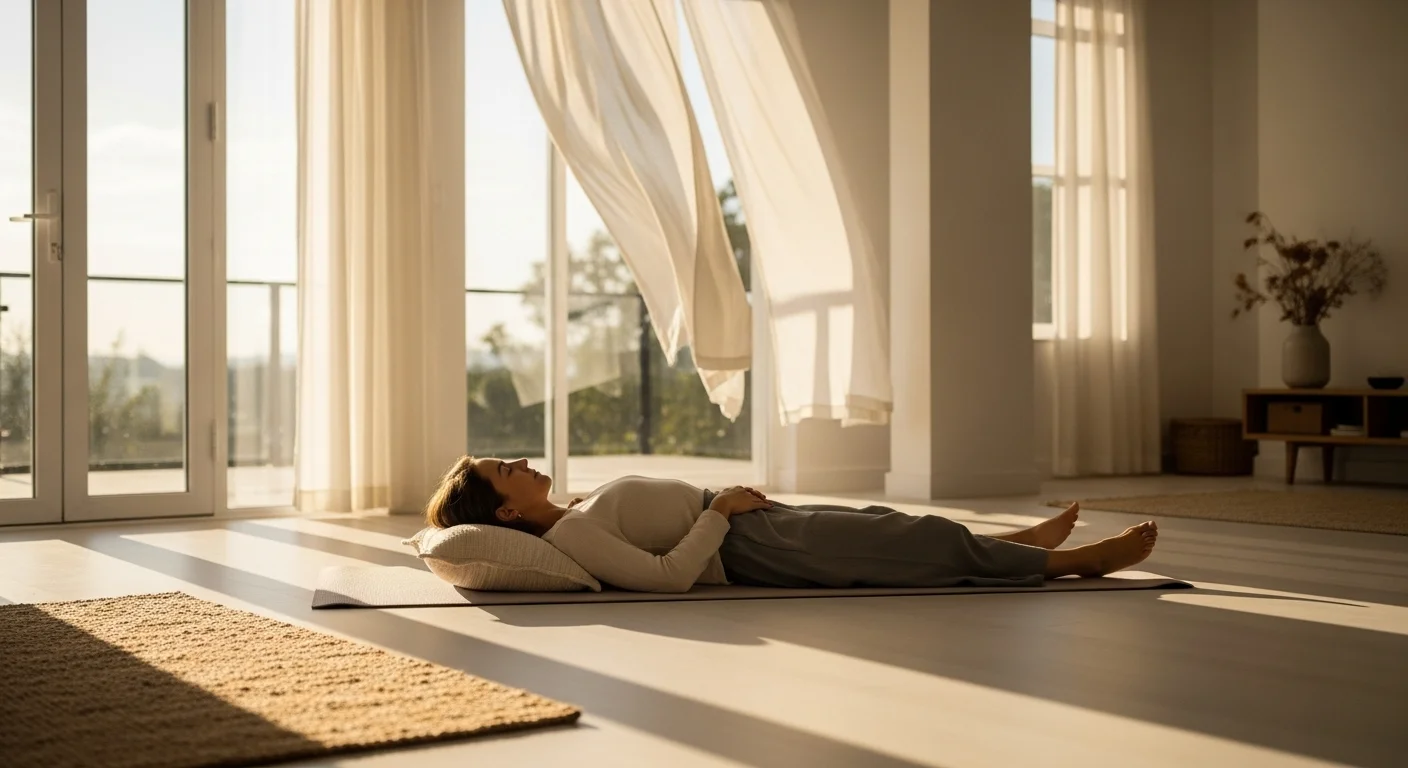
Begin by lying down on your back in a comfortable position. Close your eyes and breathe slowly. Focus your attention on your breathing for a few moments. This helps you settle into the practice before you start scanning the body.
Shift your attention to your feet. Notice any physical sensations in this area without trying to change them. Slowly move your focus up through your legs, knees, and hips. Continue this process upward through the stomach, chest, and shoulders.
Move your attention to your arms, hands, neck, and face. Finally, rest your focus on the top of your head. Breathe deeply again and slowly open your eyes. You should now feel a sense of physical release and awareness.
Maintenance of a Daily Routine
To see results from meditation, you must practice every day. Choose a specific time that fits your schedule. Many people find that mornings are the best time because the mind is quiet. Consistency helps your brain learn to relax.
Select a quiet place where you will not be disturbed. You do not need a large amount of time to begin. Start with five or ten minutes each session. You can increase the duration gradually as you become more comfortable.
Use a calendar or a notebook to track your daily sessions. If you miss a day, simply resume your practice the next day. Do not judge yourself for skipping a session. The goal is to make meditation a regular activity.