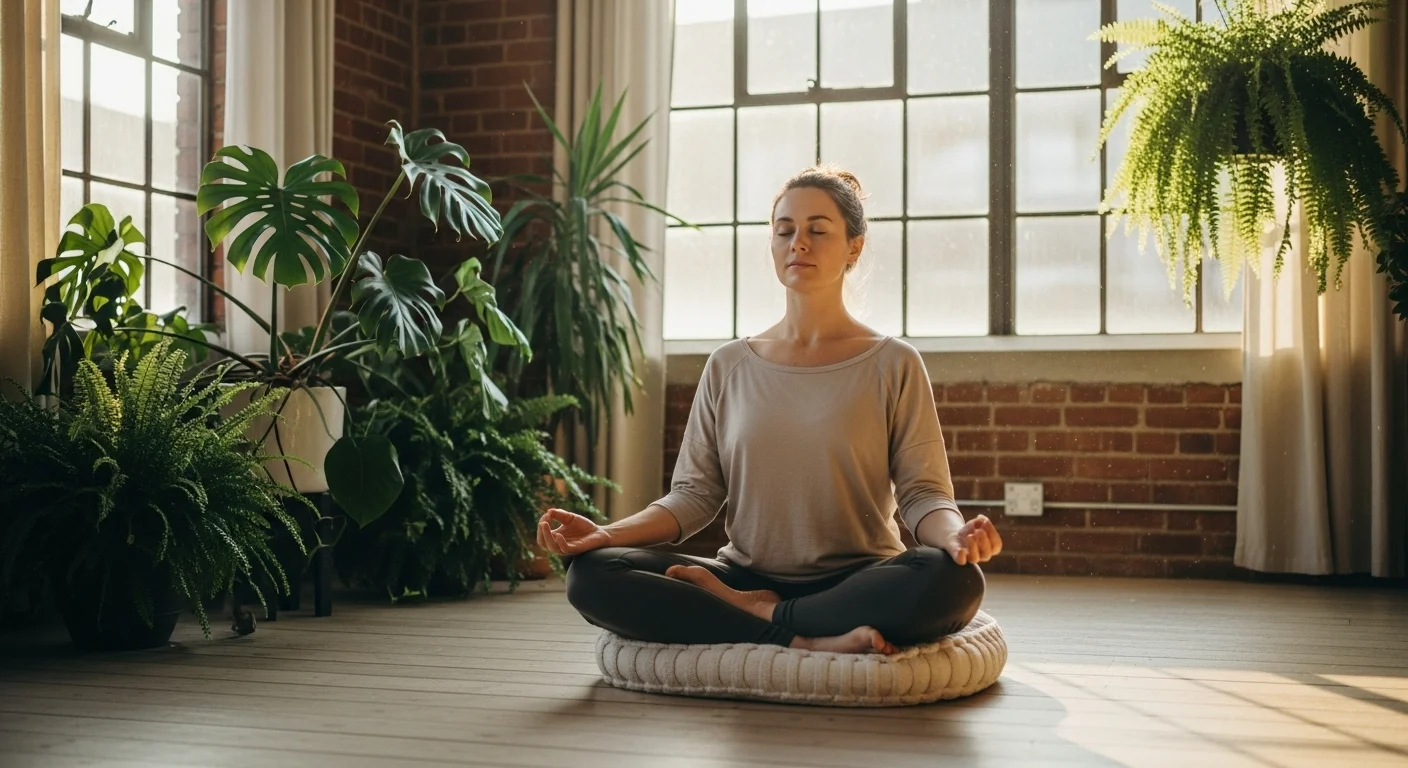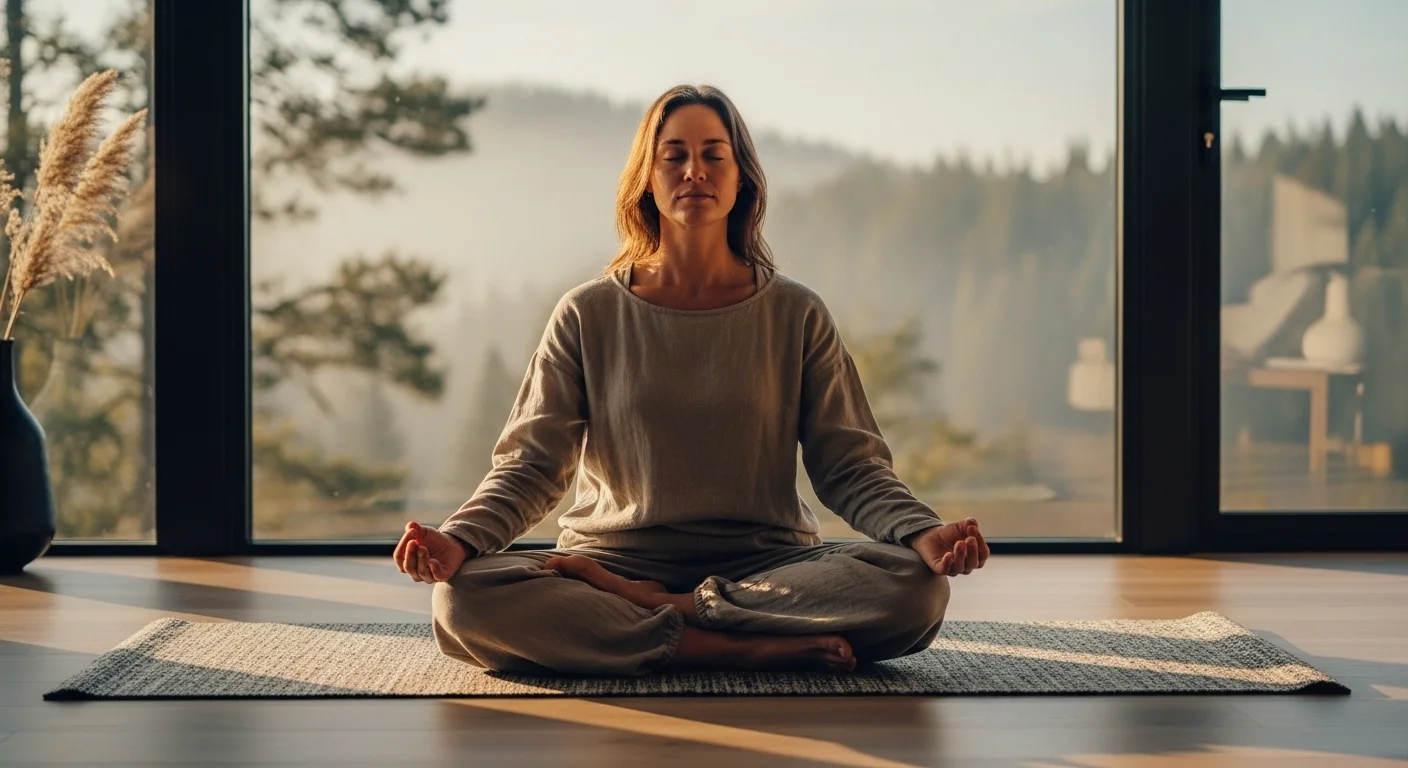
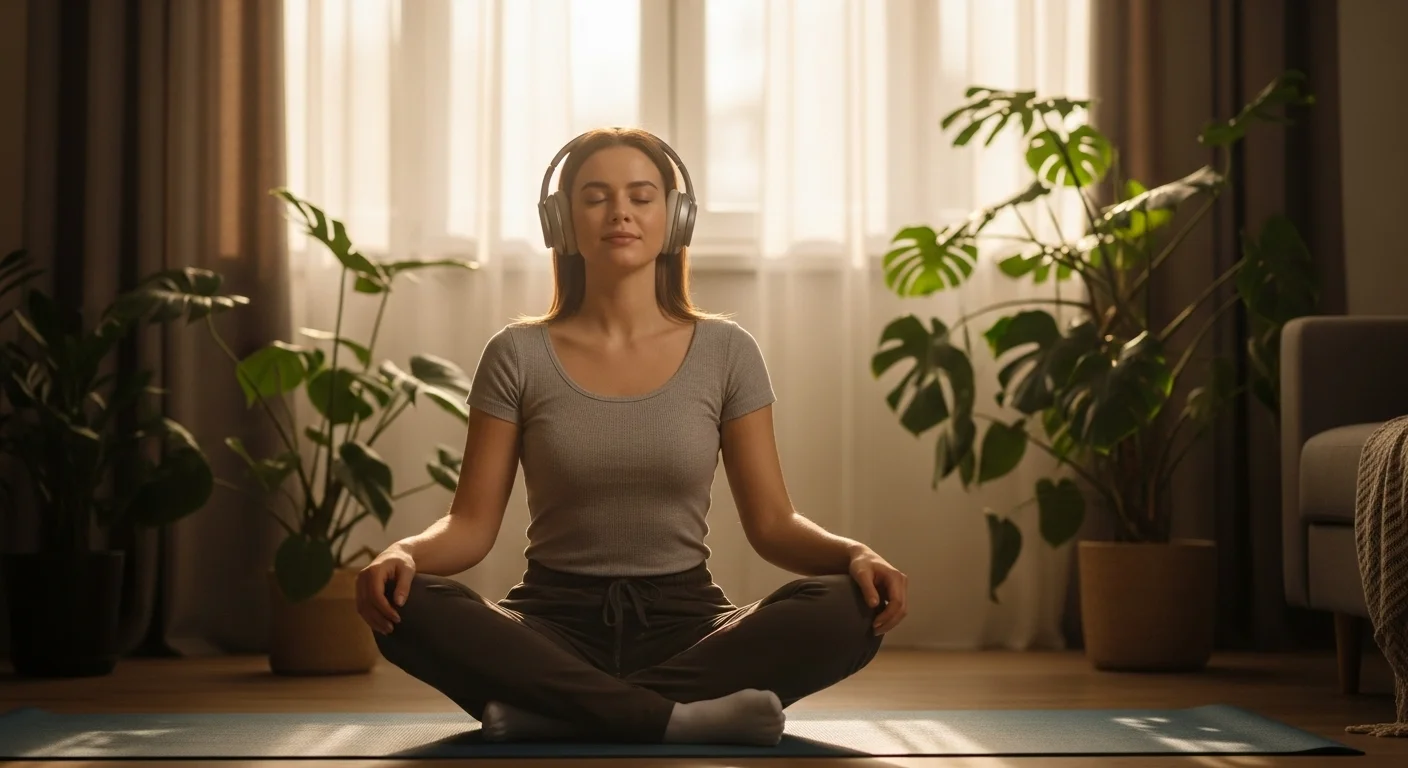
Guided mindfulness meditation is a practice where you listen to a teacher or a recording. The voice provides specific instructions on how to relax and focus your attention. This method helps beginners stay on track because the guide directs the flow of the session from start to finish.
The primary goal is to cultivate mindfulness, which means paying attention to the present moment. The speaker will often ask you to observe your breath, bodily sensations, or thoughts without judgment. You simply notice what is happening right now instead of worrying about the past or the future.
Unlike silent meditation, this form relies on external verbal cues to maintain concentration. The narrator leads you through distinct steps to ensure you do not get distracted by wandering thoughts. This structure makes the technique very accessible for people who have never practiced meditation before today.
Primary Benefits of Regular Practice
Regular meditation practice lowers stress levels significantly. It reduces the production of cortisol, a hormone associated with anxiety. People who meditate report feeling calmer and more relaxed throughout the day. This routine fosters a stable mental state and improves overall emotional health for beginners.
Mindfulness exercises train the brain to focus on the present moment. This training increases attention span and improves concentration on specific tasks. Research shows that individuals who practice regularly make fewer errors. They process new information faster and remember details more accurately over time.
Consistent meditation improves sleep quality by physically relaxing the body. It helps individuals fall asleep faster and stay asleep much longer. Furthermore, the practice assists in regulating strong emotions during difficult situations. This leads to better reactions and a greater sense of general well-being.
Common Types of Guided Meditation Techniques
One popular method is the body scan. This technique involves focusing attention on different parts of the physical body. You usually start at the toes and move upward to the head. The narrator instructs listeners to notice sensations like tension or warmth without trying to change them.
Visualization is another common technique used in guided sessions. The guide describes a peaceful scene or a specific mental image to help focus the mind. Listeners imagine details such as colors and sounds. This practice aims to reduce stress by creating a sense of mental calm.
Focused attention meditation directs the mind to a single object, often the breath. The guide tells the listener to observe the rhythm of inhaling and exhaling. If thoughts wander, the voice provides reminders to return focus to the breath. This builds concentration and stability of mind.

How to Prepare for a Meditation Session
Select a quiet area where you will find silence. Turn off your phone or use a silent setting to stop interruptions. Pick a specific time of day when you have energy. Consistency helps you build a routine. Commit to this time for your daily practice.
Wear clothing that allows you to breathe with ease. Sit on a chair or use a cushion on the floor. Keep your spine straight to maintain alertness. Rest your hands on your lap. Ensure your body feels stable before you close your eyes.
Determine the length of the session before you start. Set a timer or prepare your audio guide so you do not watch the clock. Take several breaths to center your focus. This action signals to your mind that the meditation period is starting now.
Step-by-Step Instructions for Guided Practice
Begin by selecting a quiet environment where you will not be disturbed. Sit comfortably in a chair or on a cushion with a straight back. Open your chosen meditation application or audio recording on your device. Ensure the volume is set to a comfortable level before you press play.
Close your eyes gently and listen to the instructions provided by the guide. Focus your attention on the physical sensation of your breath entering and leaving your body. If you become distracted by other thoughts, simply notice this distraction and return your focus to the speaker’s voice.
The recording will eventually instruct you to slowly bring your awareness back to the room. Move your fingers and toes gently to activate your muscles. Open your eyes when you feel ready to do so. Take a moment to observe how you feel before standing up.
Tips to Establish a Consistent Routine
Select a specific time and location for your daily practice to build a strong habit. Many beginners find that meditating immediately after waking up helps ensure consistency. You should choose a quiet space where you will not face interruptions or distractions for the entire duration of the session.
Start with short sessions rather than long periods to avoid feeling overwhelmed by the process. Five or ten minutes is sufficient when you first begin this new activity. You can also set a daily alarm on your phone to serve as a helpful reminder to practice.
Keep a simple log of your sessions to track your attendance and progress over time. If you miss a day, simply resume your schedule the following day without judgment. Consistency improves when you view the practice as a long-term commitment rather than a short-term challenge.