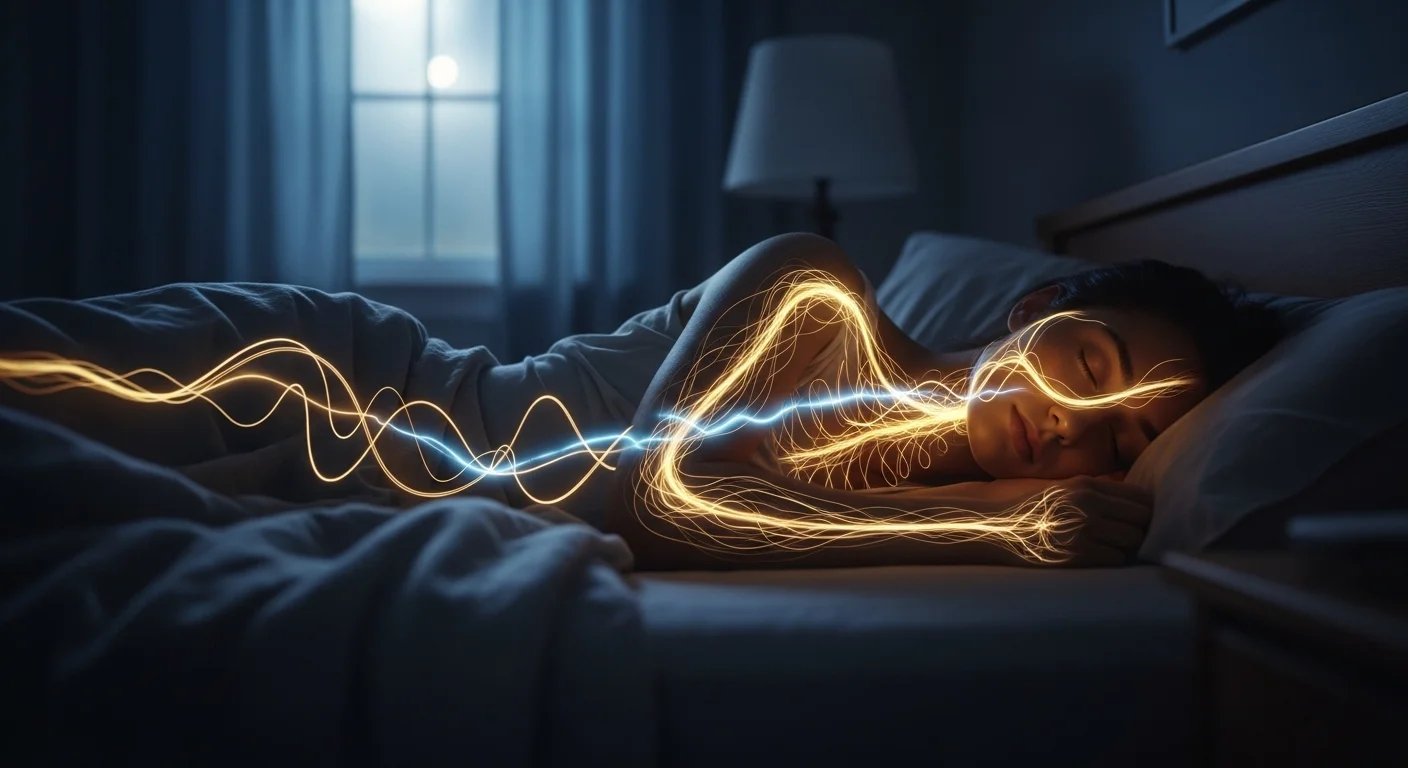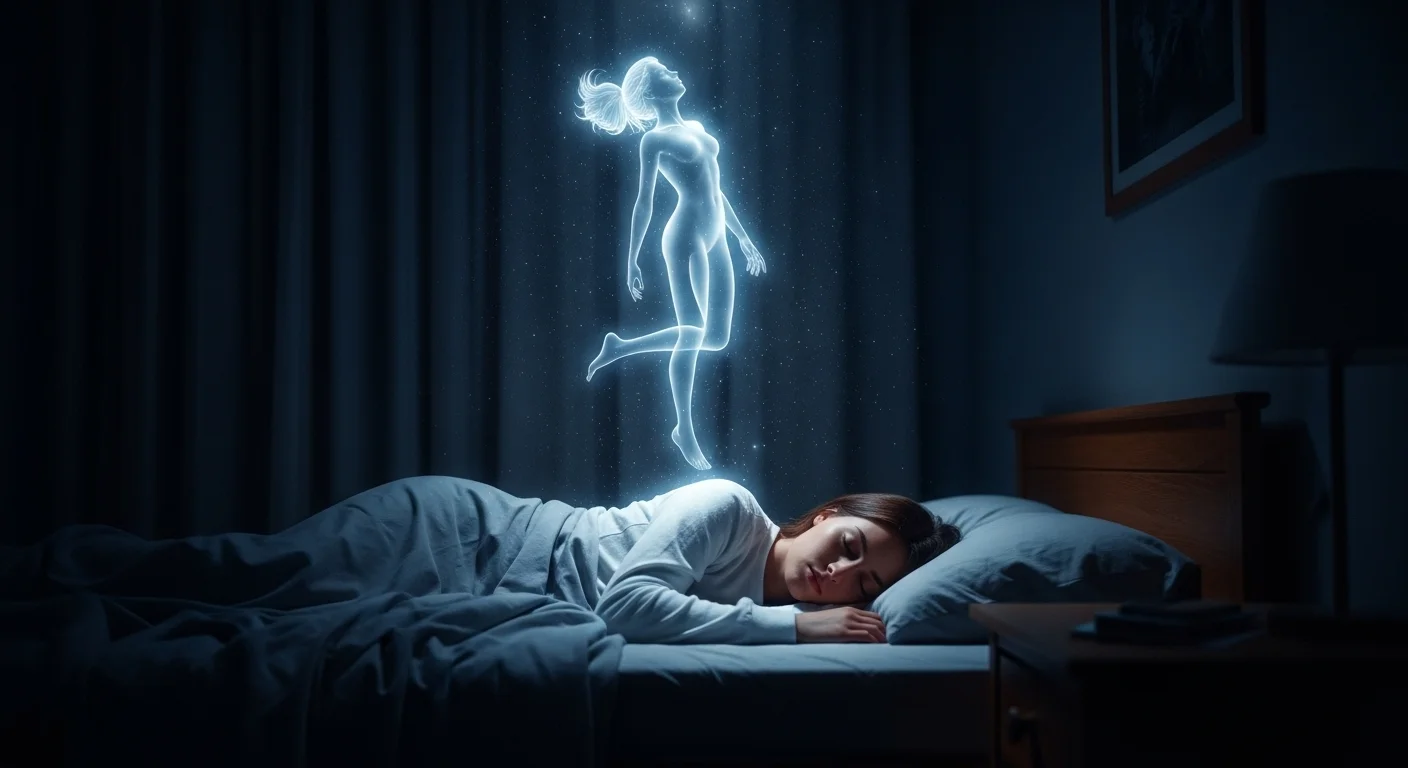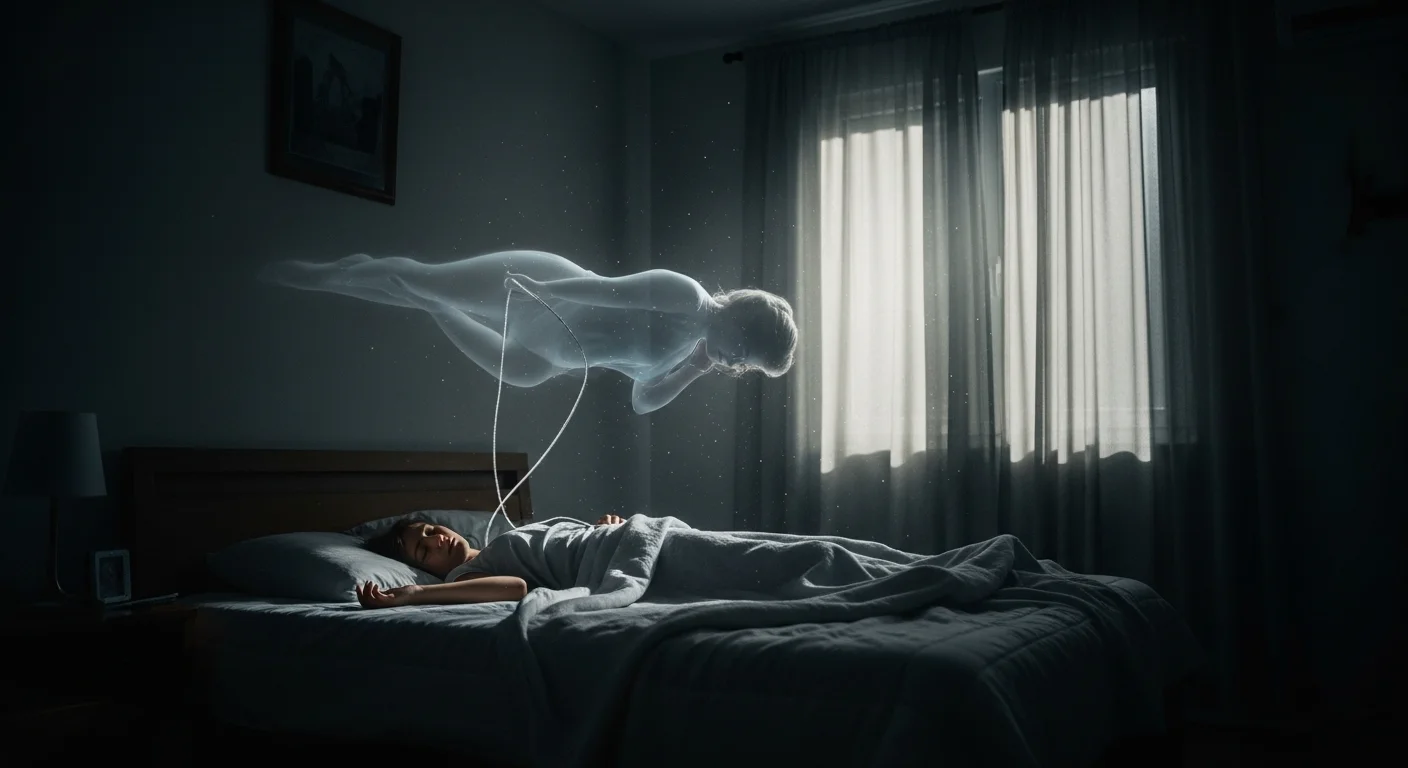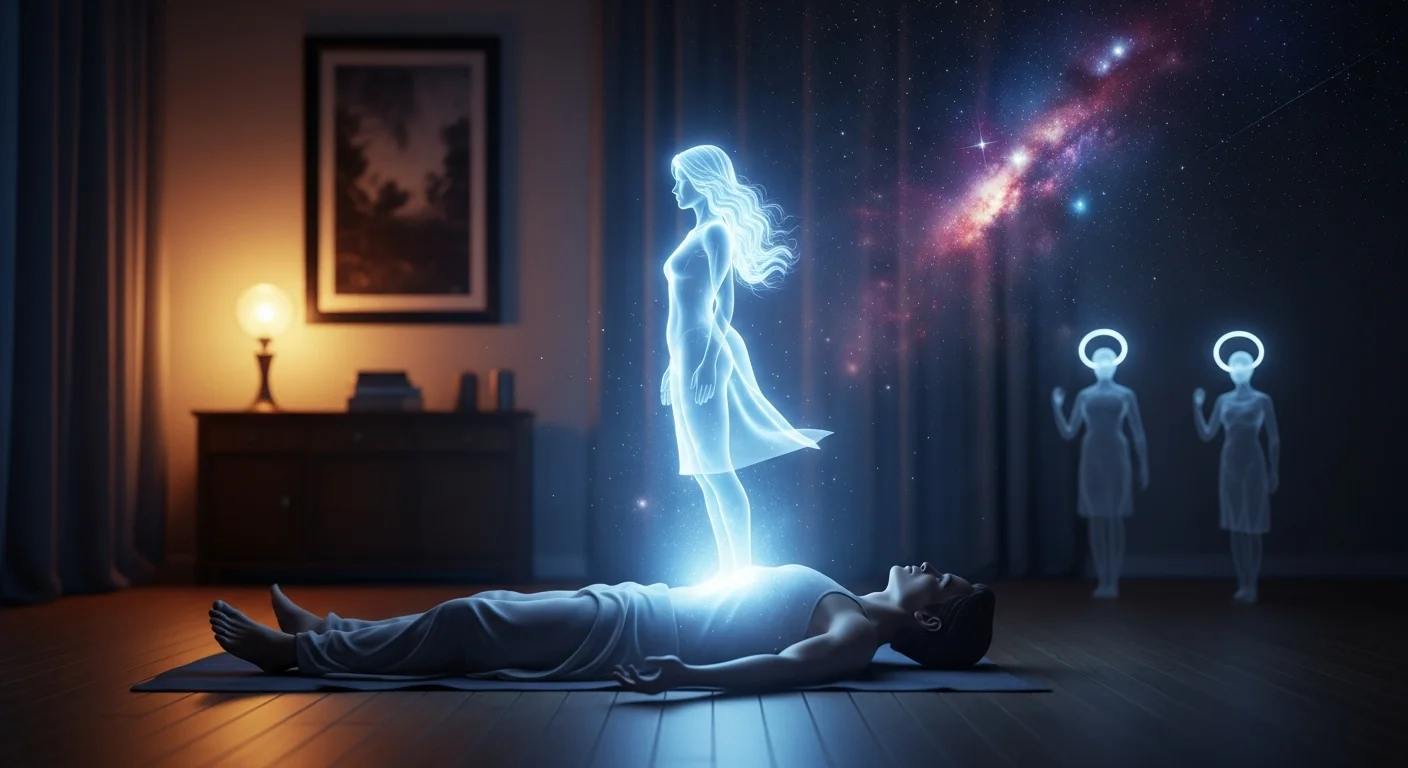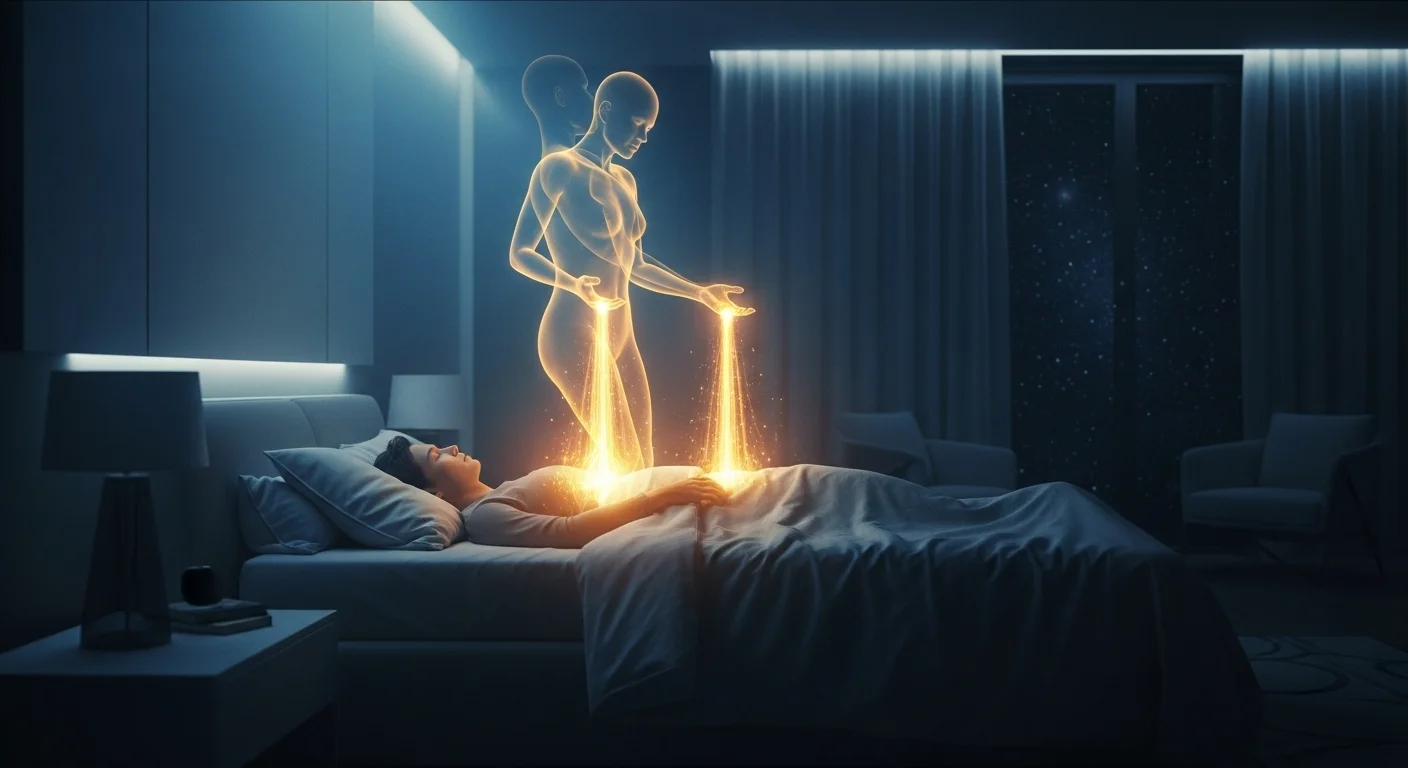

Sleep paralysis is a natural physiological function that occurs during the REM stage of sleep. Your brain sends a signal to your muscles to relax completely to prevent you from physically acting out your dreams. This specific state is scientifically known as muscle atonia. When you attempt astral projection, you enter a state of deep physical relaxation while keeping your mind awake. If your body falls asleep before your mind does, you experience this temporary inability to move.
Many practitioners view this physical immobility as a clear sign that the body is ready for projection. During this phase, you might feel strong vibrations, hear loud noises, or sense heavy pressure. These sensations indicate a significant shift in consciousness away from physical signals. The paralysis acts as a transition point between the waking state and the projected state. It allows the consciousness to separate from the physical form without the body moving or waking up.
Understanding this biological mechanism effectively reduces the fear often associated with the experience. Panic can disrupt the process and cause you to snap back into full wakefulness immediately. When you recognize paralysis as a simple symptom of the body falling asleep, you can remain calm. This mental calmness allows you to focus on separation techniques instead of fighting the immobilization. You can then use the state as a functional step rather than a dangerous problem.
Establish a Proper Relaxation Routine
To prevent sleep paralysis, you must ensure your body is completely free of tension. Physical stress often triggers the body’s defense mechanisms during the transition to sleep. If your muscles remain tight, your brain may interpret this as wakefulness while your motor control shuts down. This specific disconnect is a primary cause of paralysis episodes. A structured routine signals to your nervous system that it is safe to enter a deep state of rest without triggering alarm responses.
You should begin your practice with progressive muscle relaxation. Start by focusing on your feet and tense the muscles for five seconds. Release the tension immediately and feel the muscles relax completely. Move your focus upward to your calves, thighs, and torso, repeating the process for each muscle group. Continue this method until you reach the top of your head. This systematic approach ensures that you release subconscious physical tightness that might disturb the projection process later.
Breathing exercises are the final step in establishing a proper routine. You must breathe slowly and rhythmically to lower your heart rate. Inhale through your nose for a count of four, hold for four, and exhale for four. This pattern calms the mind and stabilizes the body. A calm mind prevents the sudden fear that often turns a natural separation state into a paralysis episode. Consistency with this routine creates a conditioned response for safe astral projection.
Use Separation Techniques That Bypass Paralysis
Many astral projection methods require you to wait for sleep paralysis before you separate from the physical body. This approach often causes fear and disrupts the experience for beginners. You can choose specific techniques that allow movement before paralysis sets in fully. These methods utilize visualization and mental focus to shift your awareness away from the physical sensation of heaviness. This action moves your consciousness directly into the astral body without the intermediate stage of total immobility.
The roll-out technique is a common method to bypass the paralysis stage effectively. You lie down and relax your body until you feel very drowsy. Instead of waiting for vibrations or stiffness, you visualize yourself rolling out of bed to the side. You must perform this action with your mental body rather than your physical muscles. If you perform this action at the right moment of deep relaxation, you will separate immediately without feeling trapped or paralyzed.
Another effective strategy involves projecting immediately after you wake up from a dream. You should set an intention to separate the moment you regain consciousness in the morning or during the night. Do not move your physical body or open your eyes when you wake up. Immediately imagine yourself standing up or floating away from the bed. This prompt action utilizes the natural relaxation of sleep to exit the body before your brain reengages physical paralysis.
Manage Fear to Maintain Control
Fear is the primary cause of negative experiences during astral projection attempts. The vibration stage often creates panic because the sensations are unfamiliar to the brain. This panic signals the mind to wake the physical body immediately. However, the body remains in a state of deep relaxation while the mind becomes alert. This mismatch results in sleep paralysis. You must understand that these physical sensations are harmless and temporary parts of the separation process.
You can control fear by regulating your breathing patterns and mental focus. Deep and slow breaths calm the nervous system and reduce the heart rate. Focus your attention on a single object or a specific location away from your body. This diversion prevents the mind from fixing on the paralysis or visual hallucinations. Do not struggle against the immobility, as fighting it increases anxiety. Passive observation allows the vibrations to pass without trouble.
Maintaining a calm state allows you to transition from paralysis to projection. When you remain relaxed, the frightening images fade away quickly. You regain control over your non-physical form and can attempt separation techniques again. If you prefer to wake up, move a small muscle like a toe or a finger. This small movement ends the paralysis state effectively. Mastery over emotional reactions turns a difficult episode into a functional tool for exploration.
Adjust Your Sleeping Position for Success
Sleeping on your back significantly increases the likelihood of experiencing sleep paralysis. This position allows gravity to pull the jaw and tongue backward, which can slightly obstruct the airway. The brain may partially wake up to restore proper breathing, leading to a state where the body remains immobile while the mind is alert. This specific physical trigger is the most common cause of unwanted paralysis episodes. You can reduce this risk by choosing a different posture for your practice.
The most effective alternative is to sleep on your side. This position keeps the airways open and prevents the soft tissues in the throat from collapsing. Many practitioners find that the right side provides the best balance between relaxation and alertness. You can also try a semi-reclined position by using pillows to prop up your upper body. These adjustments decrease the physical stress on your respiratory system. This creates a smoother transition into the astral state without inducing paralysis.
You must ensure that your chosen position remains comfortable for an extended period. Use extra pillows to support your neck and place a cushion between your knees for spinal alignment. Physical discomfort will distract your mind and prevent the deep relaxation required for astral projection. Test different variations to find what works best for your body type. Consistently using a comfortable, non-supine position will train your body to relax safely. This practice minimizes interruptions caused by sleep paralysis.
Steps to End Paralysis If It Occurs
The first step to ending sleep paralysis is to remain calm. Panic increases the duration of the episode and causes scary hallucinations. You must recognize that your body is asleep while your mind is awake. Focus your thoughts on the fact that you are safe and that this state is temporary. Controlling your breathing helps regulate your heart rate and reduces fear. Take slow and deep breaths to signal your body to relax. This mental shift prepares you to regain physical control.
Attempt to move small muscle groups instead of large ones. Focus all your attention on your fingers or toes. Try to wiggle a single finger or scrunch your toes gently. These small movements send signals to the brain that the body is waking up. Do not try to sit up or move your whole arm immediately. This effort often leads to feelings of pressure or heaviness. Consistent and small efforts break the paralysis faster than fighting against the immobility.
Once you feel movement in your extremities, expand the action to larger muscles. Move your wrists, ankles, and neck slowly. Grimacing or moving your facial muscles also helps break the state. When you regain control, get out of bed immediately. Walk around the room or wash your face to ensure you are fully awake. Staying in bed often leads to falling back into the same paralyzed state. Changing your physical position prevents the paralysis from returning right away.
Your next step
If you already understand what astral projection is and you’re looking for practices that truly work, this e-book presents 35 tested techniques to induce out-of-body experiences. Each technique is explained clearly and directly, allowing you to choose the method that best fits your routine and level of awareness.
This material is ideal for those who want to apply objective and varied methods, speeding up the process of conscious out-of-body projection. It works for both beginners and practitioners who have already had experiences and want to expand their possibilities. This is a practical guide for anyone who wants consistent results.
If you are taking your first steps and want to understand the fundamentals of astral projection with clarity, this manual was created to make your learning easier. In it, you will find clear explanations about the subtle bodies, the stages of projection, the most common sensations, and how to deal with fear and mental blocks.
This e-book is recommended for anyone who needs a solid and safe foundation to start practicing with confidence. It organizes the concepts in a progressive way, helping you understand the process as a whole and develop a consistent and conscious practice.
For those who want more complete and in-depth guidance, the complete astral projection course offers structured lessons, guided practices, visualizations, advanced techniques, and ongoing support. The content was designed to take you from theory to practice with safety and consistency.
This course is suitable for all levels, from beginner to advanced, and provides a systematic approach based on years of research, experience, and proven results. You will learn how to awaken your potential, gain control of your experiences, and integrate spiritual insights into your daily life.