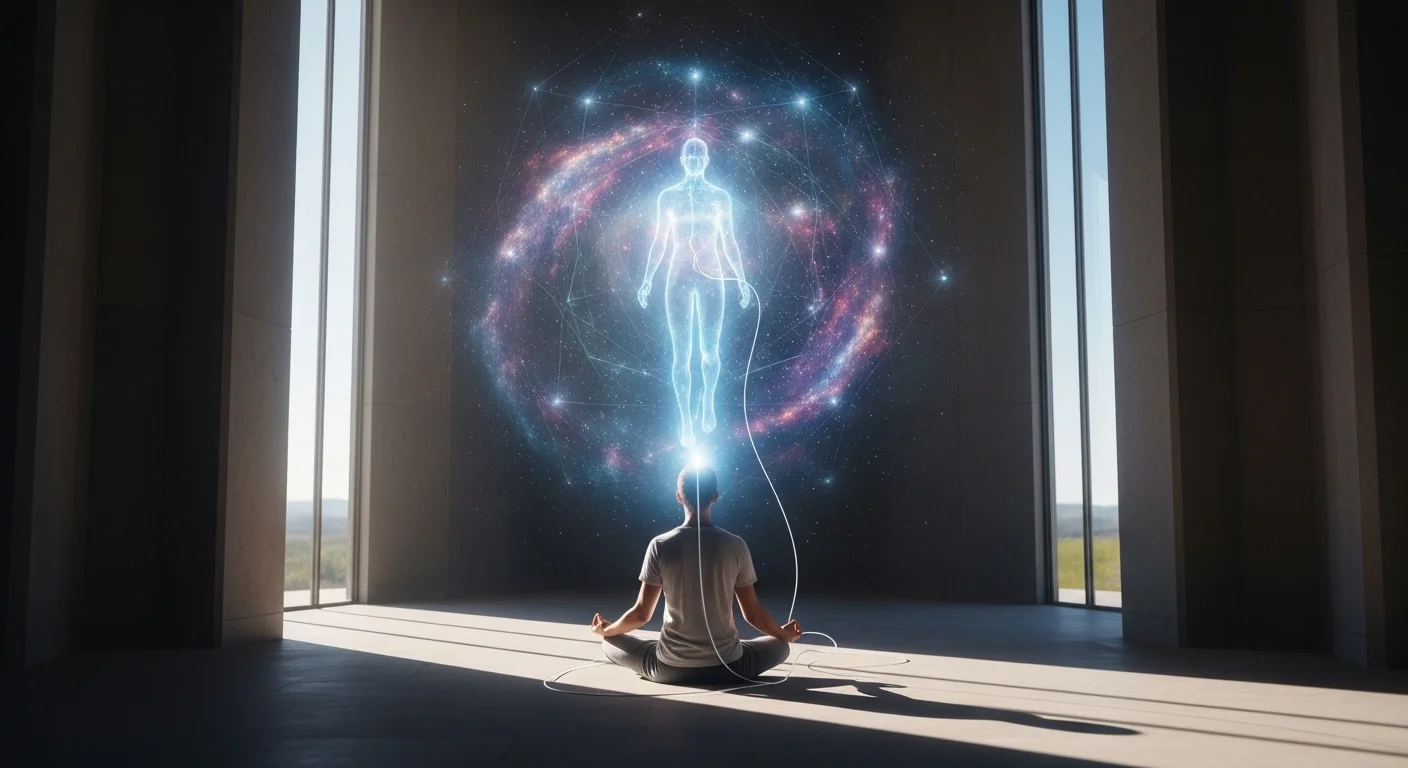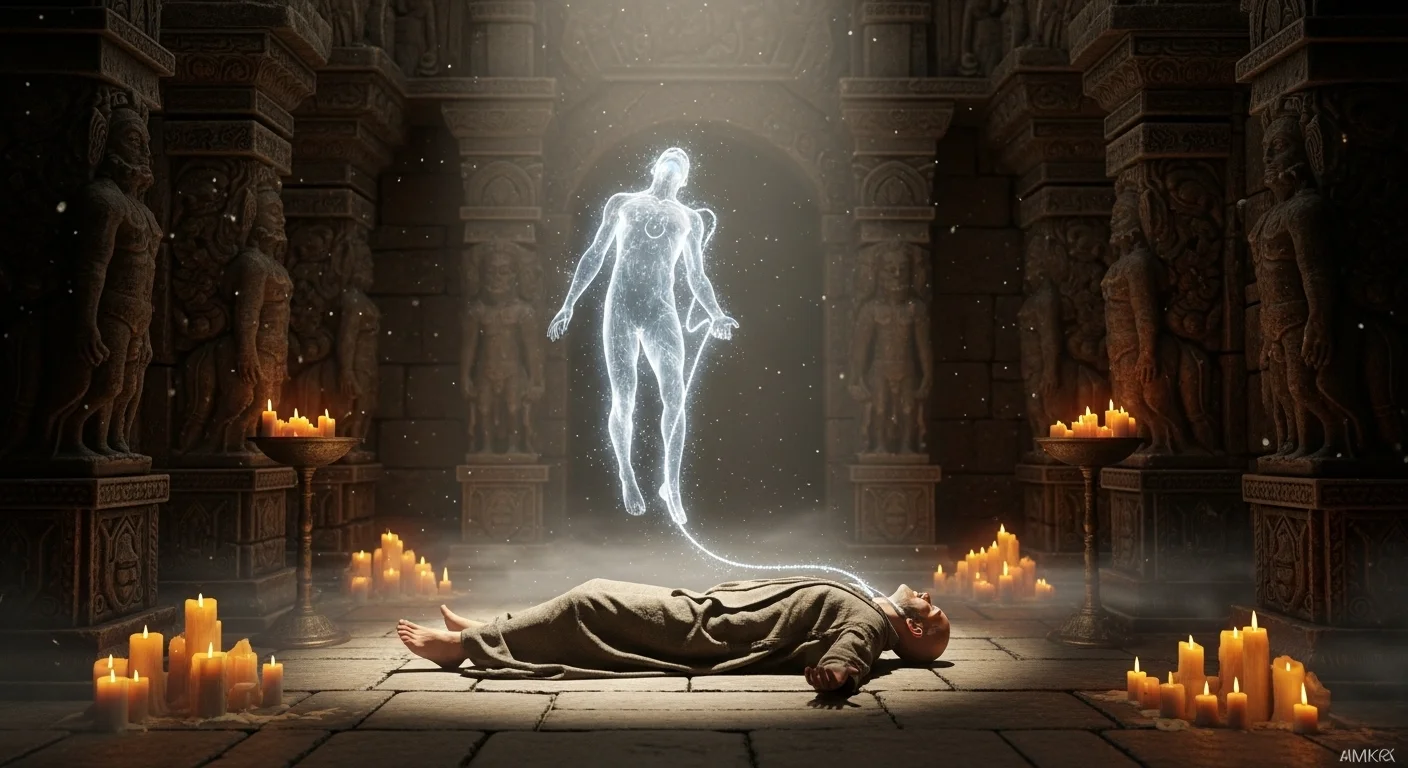
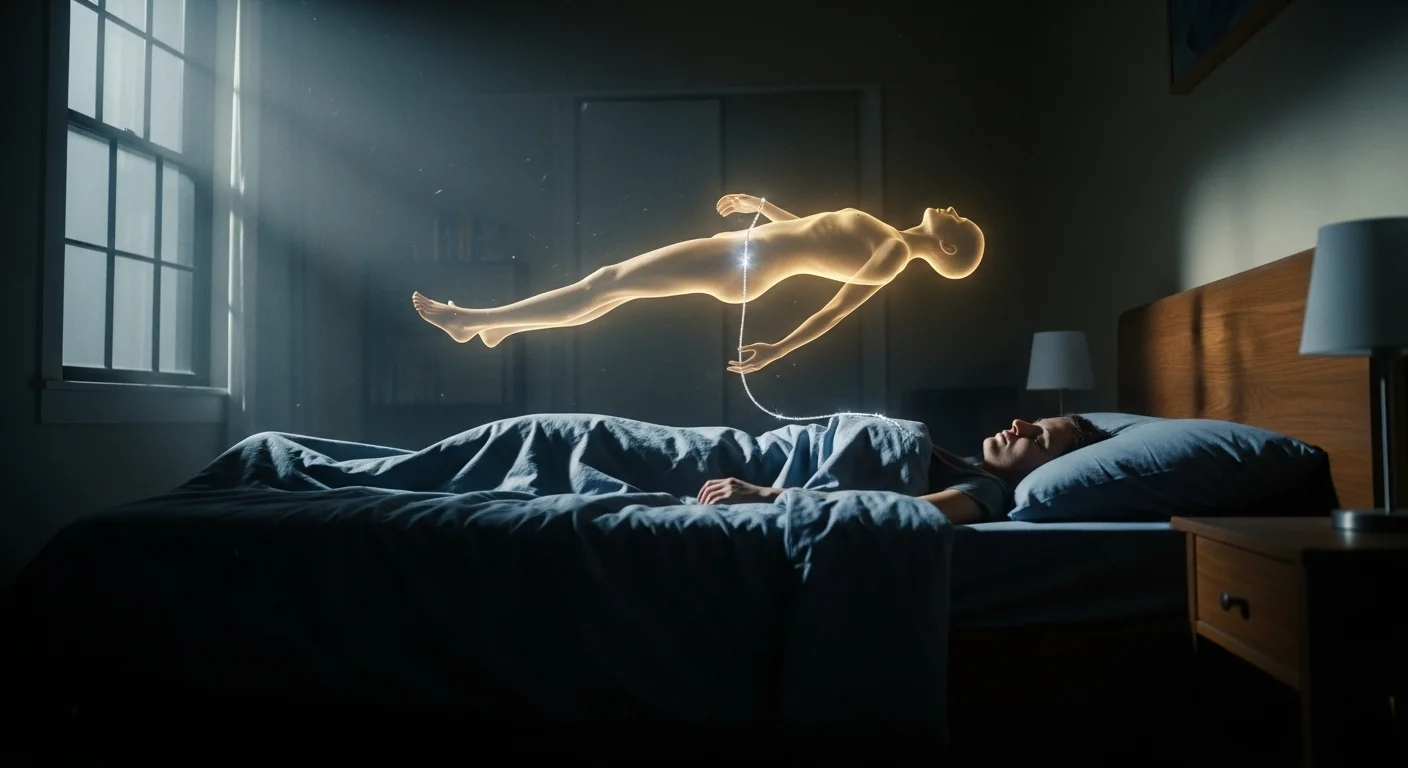
Astral projection is a state where consciousness functions separately from the physical body. This phenomenon is also known as an out-of-body experience. During this state, an individual retains self-awareness while perceiving the environment from a perspective outside their physical form. The experience can happen spontaneously during sleep or be induced through specific meditation techniques. Researchers and practitioners describe the sensation as distinct from dreaming because the person feels fully awake and alert during the event.
In this state, the consciousness uses a non-physical vehicle often called the astral body. This subtle body can move through physical barriers like walls and doors without resistance. The environment perceived during a projection usually resembles the physical world but may have slight differences. Observers report the ability to fly or float and travel to distant locations instantly. The connection between the physical body and the astral body is maintained, ensuring a safe return after the experience ends.
It is important to distinguish astral projection from lucid dreaming. A lucid dream occurs within the mind of the sleeper and creates a subjective reality. In contrast, astral projection involves an objective experience where the individual explores an external environment. The level of mental clarity in projection is typically higher than in ordinary dreams. People who experience this phenomenon report verifiable details from the physical world that they could not have known while sleeping in their beds.
Presence of Vibrations and Sounds
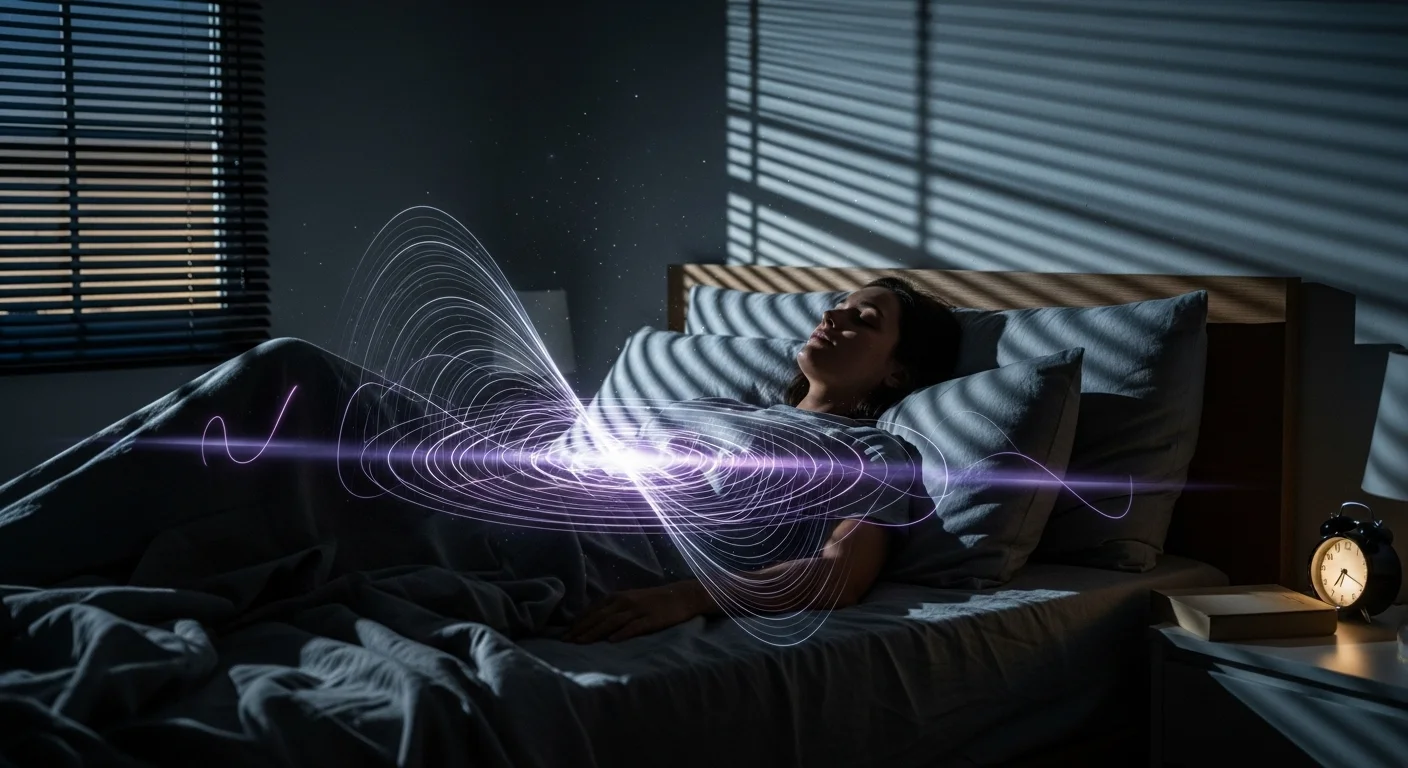
Many people report a specific physical sensation before an astral projection occurs. This sensation feels like a strong vibration or buzzing energy inside the body. It usually starts during the transition between wakefulness and sleep. The intensity varies from mild tingling to a powerful shaking feeling. This state often causes fear in beginners because it is unexpected and intense. You must remain calm during this phase to proceed with the experience. It is a common sign of the separation process.
You may also hear distinct sounds along with these physical vibrations. These auditory experiences are not coming from the physical environment around you. Common reports include loud buzzing, ringing, roaring, or the sound of rushing wind. Some individuals describe hearing voices, music, or unexplained bangs. These sounds are internal and relate to changes in your state of consciousness. They indicate that your mind is shifting focus away from physical reality. Understanding this prevents unnecessary panic during the event.
These vibrations and sounds serve as clear indicators that projection is possible. You should not try to stop these sensations or wake up fully. Fighting the symptoms usually ends the state and returns you to normal wakefulness. Instead, observe the phenomena with a neutral and passive attitude. You can use this opportunity to attempt a separation technique. Recognizing these signs allows you to control the experience better. This knowledge transforms fear into a practical tool for projection.
Sensation of Body Separation
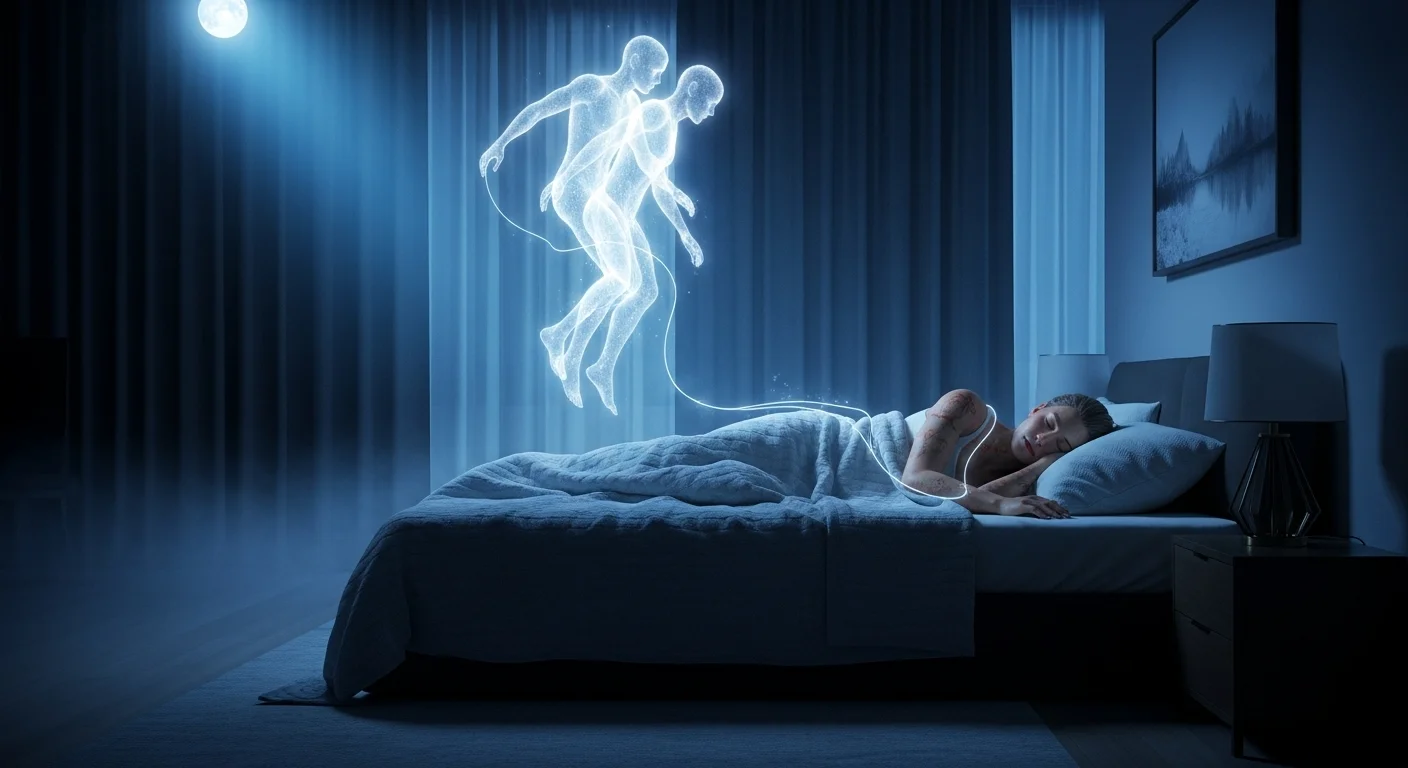
The sensation of body separation occurs when the astral body begins to detach from the physical body. This event usually happens during the state between wakefulness and sleep. You may feel a distinct movement of your limbs or torso while your physical muscles remain completely still. This experience is often clear and conscious, unlike the confusion found in normal dreams. The perception is that you are occupying a space slightly above or outside your physical form, confirming the process has started.
Many practitioners report specific vestibular changes during this phase. The most common report is a feeling of floating upwards toward the ceiling. Others describe a heavy sensation of sinking down through the bed or a rolling motion to one side. These movements feel realistic and consistent with physical laws, even though the physical body does not move. The brain interprets these signals as actual motion because the consciousness is shifting focus away from physical sensory inputs.
Visual verification often accompanies the physical sensation of detachment. You might see your physical body sleeping in the bed while you observe from a different perspective. This phenomenon provides strong evidence of the separation process. Some individuals also hear a loud buzzing or humming noise during the disconnect. It is important to remain calm during these events. A strong emotional reaction or fear can snap the consciousness back into the physical body and end the projection immediately.
Observation of the Physical Body
One common sign of astral projection is the visual observation of the physical body from an external point of view. This phenomenon is technically known as autoscopy. You may find yourself floating near the ceiling or standing by the bed while looking down at your sleeping form. This experience confirms that your consciousness is functioning independently from the physical vessel. The sleeping body usually appears relaxed and motionless, often in the exact position you remember lying down in before the experience began.
When observing the physical body, you might notice specific details about its current condition. The chest usually rises and falls with a slow and rhythmic breathing pattern. You can often see the bedcovers or clothing exactly as they are in the physical room. Many people feel a sense of detachment or mild surprise during this observation. You realize that the person on the bed is you, but your sense of self is located entirely outside of that physical form.
This visual confirmation serves as strong evidence for the validity of the astral projection experience. Upon waking up in the physical body, you can verify the position of your limbs to match what you saw. You might check the arrangement of the room or the lighting to see if it corresponds to your observations. If the physical details match your memory from the projection, it helps distinguish the event from a standard dream or a mental hallucination.
Clarity of Vision and Thought
During an astral projection, visual perception often becomes significantly sharper than in daily life. You may notice that colors appear more vibrant and details look very distinct. Unlike dreams, where images can be blurry or confusing, the astral environment presents a stable and consistent scene. Some individuals report the ability to see in all directions simultaneously, known as spherical vision. This visual enhancement serves as a strong indicator that you are not merely dreaming but experiencing a conscious separation from the physical body.
The quality of your thoughts also changes during this experience. In a typical dream, your logic is often impaired, and you accept strange events without question. During an astral projection, your mind functions with full rationality and critical thinking. You know exactly who you are, where you are, and what is happening to you. You can make conscious decisions, analyze your surroundings, and recall memories from your waking life. This mental alertness allows you to control your actions intentionally.
You can verify this state by observing how your cognitive processes operate in real time. If you can count your fingers, read text, or solve simple math problems without confusion, you are likely projecting. Upon returning to the physical body, the memory of the experience remains vivid and linear. Dreams usually fade quickly or feel fragmented, but an astral projection feels like a distinct, real event. This lasting impression of mental and visual sharpness confirms the validity of the experience.
Differences Between Dreams and Projection
Dreams typically occur with reduced critical awareness. The dreamer accepts illogical events without questioning them. The narrative often shifts rapidly and lacks continuity. In contrast, astral projection involves a state of heightened mental clarity. The individual feels fully awake and conscious of their distinct location outside the physical body. You can think rationally, analyze your surroundings, and make specific decisions. This state closely resembles physical wakefulness rather than the disjointed and random nature of a sleeping mind.
Sensory perception differs significantly between these two experiences. During a dream, vision and hearing are often blurry or distorted. You interact with internal mental imagery rather than an external environment. During an astral projection, the senses function with great intensity. Visual details appear sharp and consistent. You may also experience distinct physical sensations such as intense vibration or the feeling of floating. A common confirmation of projection is the ability to view your own physical body resting on the bed.
The way you recall the experience provides another clear distinction. Dream memories tend to fade quickly upon waking up. The timeline of a dream is often fragmented or confused. Memories of an astral projection remain vivid and lasting. You recall the events with the same continuity as your daily life. You can remember the specific sequence of actions you took. This linear progression of events distinguishes a projection from the scattered and fleeting nature of a standard dream.
Your next step
If you already understand what astral projection is and you’re looking for practices that truly work, this e-book presents 35 tested techniques to induce out-of-body experiences. Each technique is explained clearly and directly, allowing you to choose the method that best fits your routine and level of awareness.
This material is ideal for those who want to apply objective and varied methods, speeding up the process of conscious out-of-body projection. It works for both beginners and practitioners who have already had experiences and want to expand their possibilities. This is a practical guide for anyone who wants consistent results.
If you are taking your first steps and want to understand the fundamentals of astral projection with clarity, this manual was created to make your learning easier. In it, you will find clear explanations about the subtle bodies, the stages of projection, the most common sensations, and how to deal with fear and mental blocks.
This e-book is recommended for anyone who needs a solid and safe foundation to start practicing with confidence. It organizes the concepts in a progressive way, helping you understand the process as a whole and develop a consistent and conscious practice.

For those who want more complete and in-depth guidance, the complete astral projection course offers structured lessons, guided practices, visualizations, advanced techniques, and ongoing support. The content was designed to take you from theory to practice with safety and consistency.
This course is suitable for all levels, from beginner to advanced, and provides a systematic approach based on years of research, experience, and proven results. You will learn how to awaken your potential, gain control of your experiences, and integrate spiritual insights into your daily life.