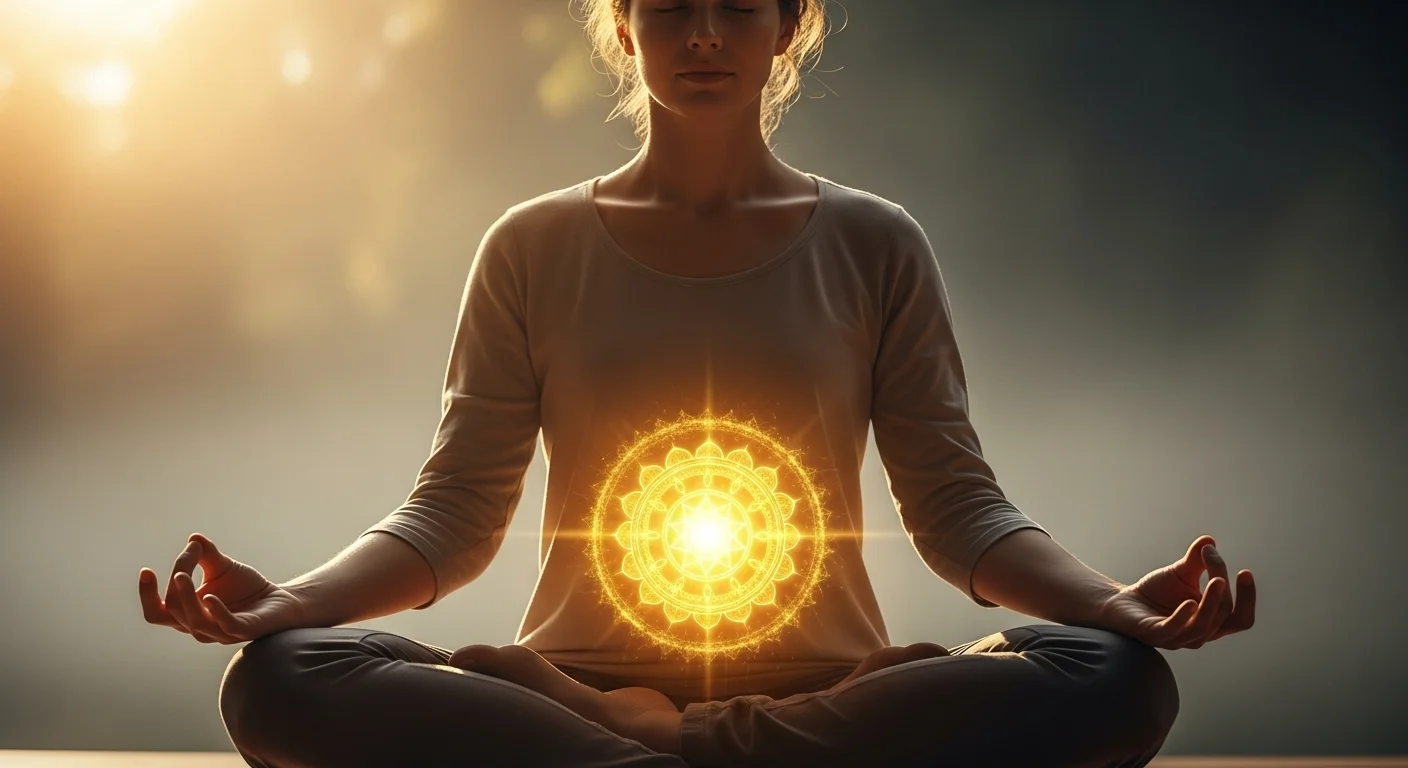
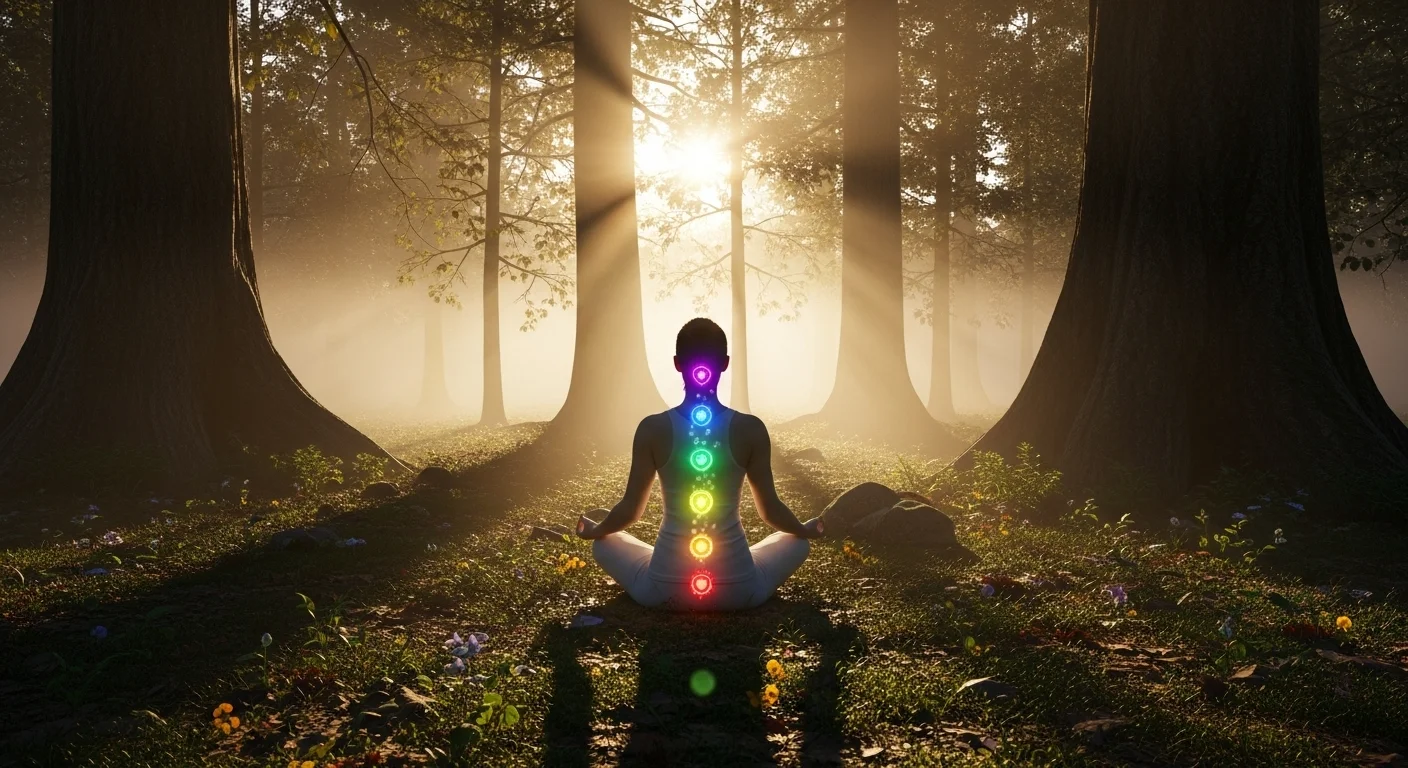
The human body contains seven primary energy centers known as chakras. These centers align along the spinal column, starting from the base and extending to the crown of the head. The first three are the Root, Sacral, and Solar Plexus chakras, which govern physical stability and emotions.
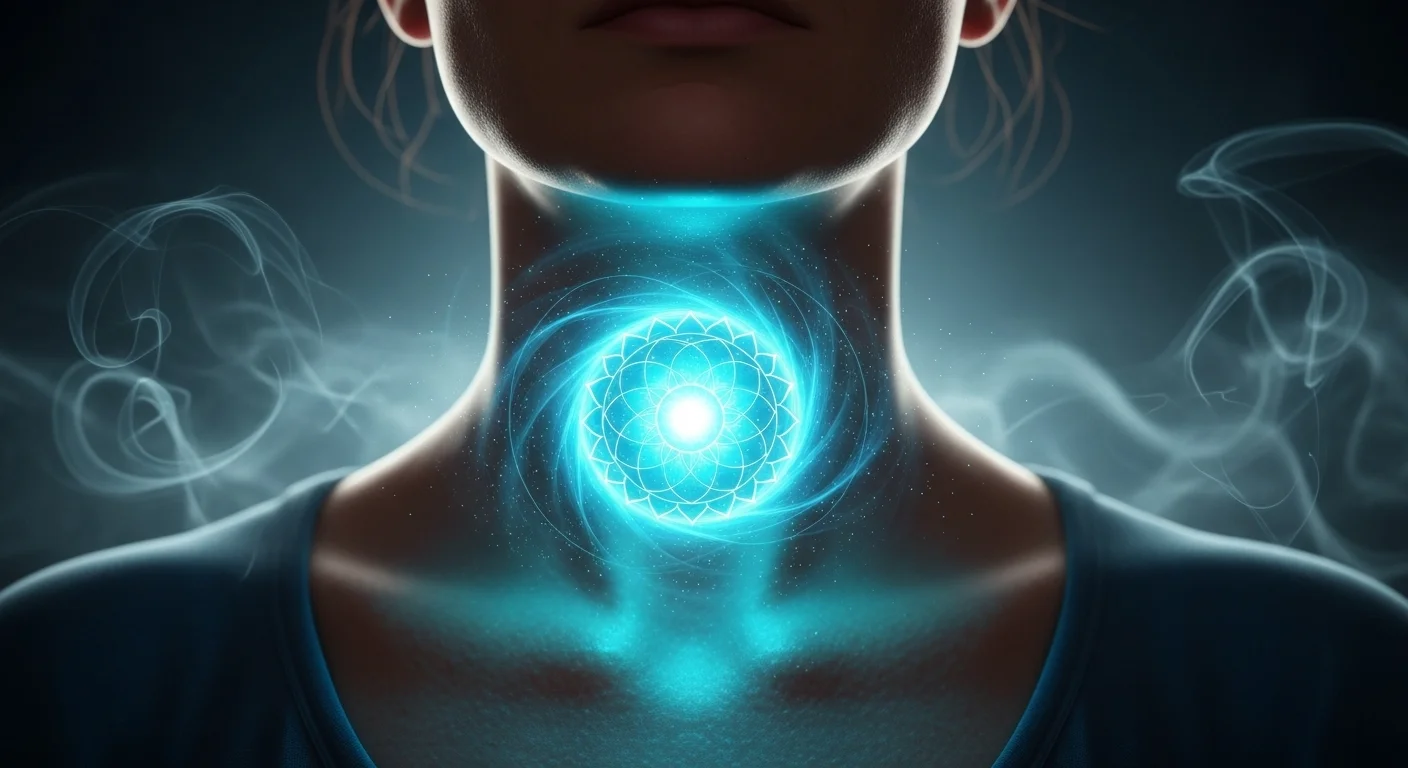
The Heart chakra sits in the center of the chest and bridges the lower and upper points. Above this, the Throat, Third Eye, and Crown chakras regulate communication, intuition, and mental connection. Each specific point controls distinct physical nerves and functions within the personal energy system.
A healthy system requires these centers to remain open and balanced. Blockages in any specific area may cause physical symptoms or emotional distress. You must identify which centers are inactive before you attempt specific exercises, meditation techniques, or breathing practices to restore proper regulation and function.
Preparing the Body and Mind for Practice
Find a quiet room where you will not face interruptions. Sit in a comfortable position with your spine straight. You can use a chair or sit on the floor with a cushion. This stability helps you focus on the exercises without physical distraction or discomfort.
Close your eyes and begin to breathe slowly through your nose. Focus attention on the movement of air entering and leaving your lungs. This process reduces mental noise and lowers your heart rate. A calm mind is necessary to observe internal energy flow effectively.
Ensure you are hydrated and have not eaten a heavy meal recently. Digestion requires energy that distracts from the practice. Set a clear intention for the session before you start. This mental preparation directs your focus and increases the effectiveness of the specific techniques.
Meditation Techniques for Individual Chakras
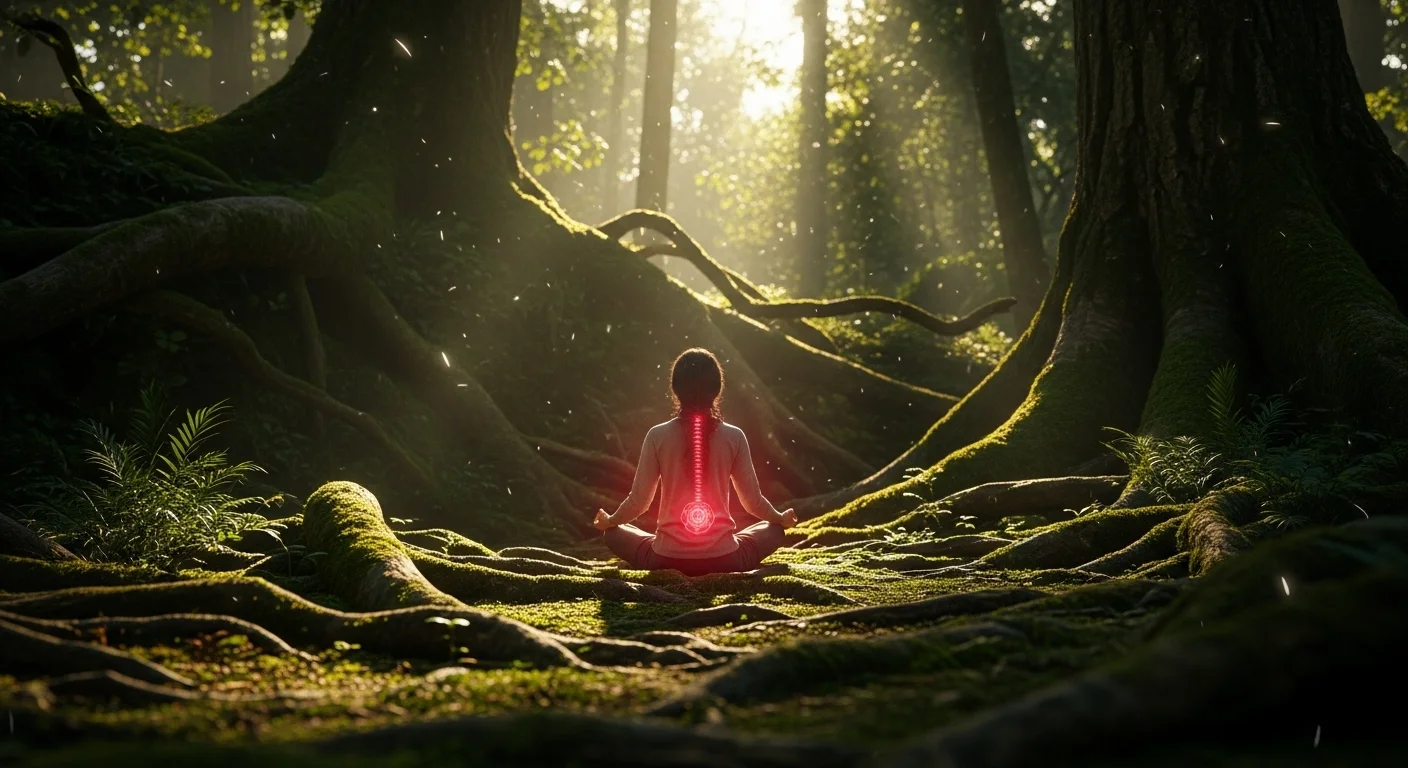
To meditate on specific chakras, sit in a quiet place and close your eyes. Focus your attention on the location of the target energy center within the body. For the root chakra, direct your focus to the base of the spine while breathing slowly.
Visualization aids the process significantly. Imagine a specific color associated with the chakra glowing in that area. For example, visualize a bright red light for the root chakra or green for the heart. You may also chant the specific seed mantra assigned to that center.
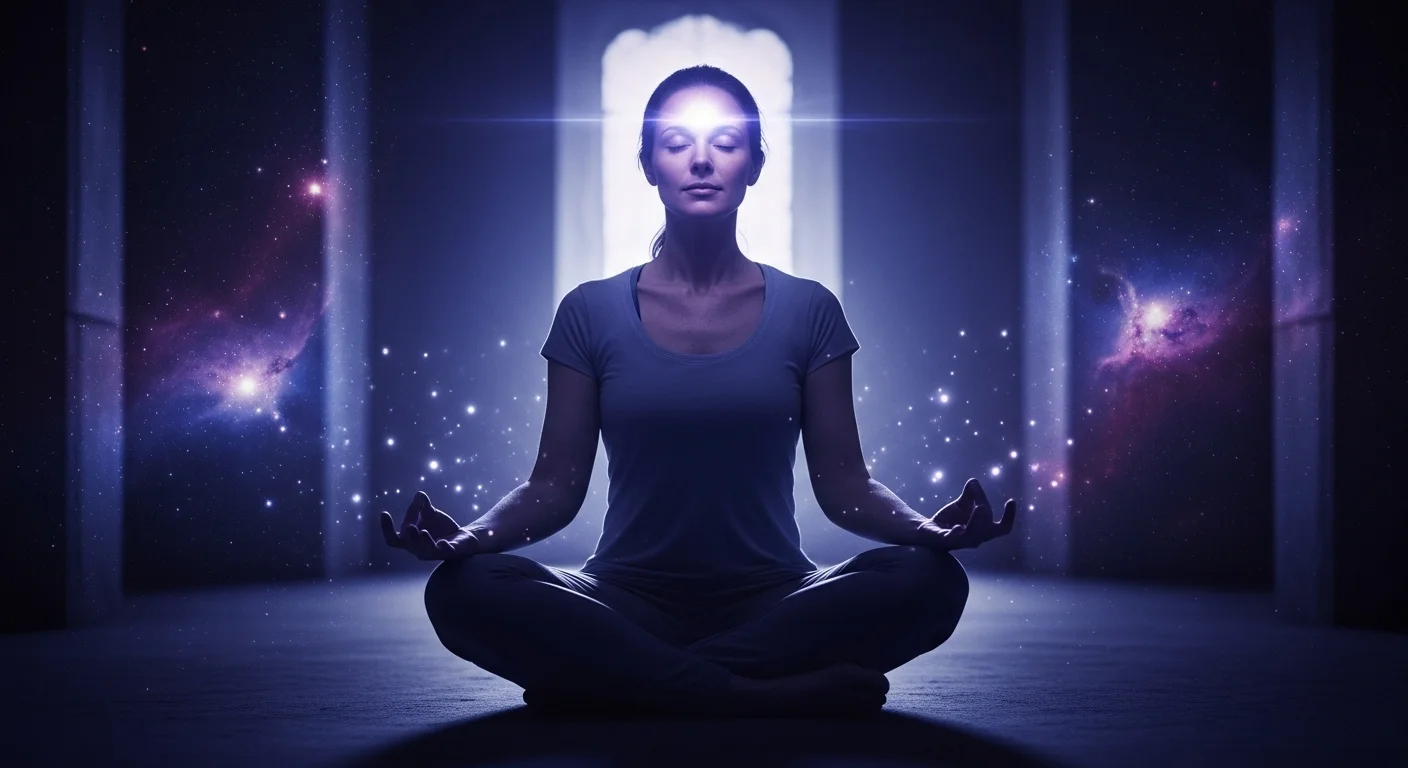
For the upper chakras, move your attention upward. Focus between the eyebrows for the third eye or the top of the head for the crown. Maintain this mental focus for several minutes each day. Regular practice helps balance the energy flow throughout the entire system.
Yoga Poses to Stimulate Energy Flow
Specific yoga postures align the physical body to facilitate the movement of energy. Each asana targets particular areas of the spine where the chakras reside. Practicing these movements releases tension in the muscles and nerves, which allows the body to function better.
Standing poses like the Mountain Pose or Warrior I build stability and focus. These movements activate the lower energy centers located at the base of the spine. Holding these positions strengthens the legs and core, providing a solid foundation for the entire energy system.
Spinal twists and backbends stimulate the upper chakras near the heart and throat. These active stretches increase circulation along the spinal column. Consistent practice of these forms encourages proper alignment, which removes physical blockages and supports the continuous flow of vital energy throughout the body.
Using Mantras and Sound Frequencies
Mantras are specific sounds or syllables that you chant during meditation. Each chakra has a corresponding seed sound known as a bija mantra. When you vocalize these sounds, the vibration resonates in the body. This resonance helps to activate and balance the specific energy center.
You can focus on the root chakra by chanting “LAM” or the heart chakra by chanting “YAM.” Repeat these syllables slowly and clearly while you focus on the area of the chakra. Consistent repetition creates a steady vibrational frequency that clears blockages in the energy system.
External audio sources also assist in this process. Many practitioners use Solfeggio frequencies, such as 396 Hz for the root chakra or 528 Hz for the solar plexus. You can listen to these specific tones through headphones to synchronize your brainwaves and stimulate the flow of energy.
Maintaining Balance and Consistency
You need to practice every day to see results. If you only do exercises occasionally, your energy centers will not stay open. Establish a specific daily routine that includes meditation or yoga. This schedule helps stabilize the energy flow within your body over time.
You must monitor your physical and emotional state regularly. Different life events can disrupt your energy balance quickly. If you feel stress or physical discomfort, identify the specific chakra involved. Focus your attention on that area to restore stability through specific targeted exercises.
Chakra work requires a long-term commitment rather than a quick solution. You should integrate these practices into your normal lifestyle permanently. Continue your breathing techniques even after you feel improvements. This approach ensures that your system remains functional and healthy for the future.
Your Next Step
You can deepen your knowledge even further with the comprehensive manual I’ve prepared on the 7 main chakras. In it, you’ll understand what chakras are, their physical, emotional, and spiritual aspects, as well as the associated deities. It also includes practical charts with crystals, flower essences, scents, Reiki, and much more.

Additionally, you can purchase my book, 69 Exercises for Chakra Alignment—a direct, accessible, and transformative guide filled with specific techniques to work on each chakra. This material is perfect for both those looking to apply exercises in their daily routine and therapists seeking safe, structured resources to use in their sessions.