Stress activates the release of cortisol in the body. This hormone prepares the system for danger. Meditation lowers the production of cortisol. This process calms the nervous system and decreases the physical signs associated with tension and anxiety.
Meditation alters parts of the brain that control emotion. Studies show the practice reduces activity in the amygdala. This region processes fear signals. A regulated amygdala results in a stable mood and limits feelings of panic or worry.
Mindfulness changes the way people react to problems. It allows a moment of observation before an action occurs. This awareness stops automatic negative responses. Individuals manage daily challenges with increased focus and significantly reduced levels of stress.
How Meditation Affects the Nervous System
Chronic stress activates the sympathetic nervous system. This causes increased heart rate and blood pressure. Research shows that meditation decreases activity in this system. By sitting quietly and breathing, the body stops producing stress hormones like cortisol and adrenaline.
Meditation stimulates the parasympathetic nervous system. This part of the body controls the “rest and digest” functions. Activation of the vagus nerve signals the brain to lower the heart rate. This physical shift helps the body return to a calm state.
Consistent practice leads to physical changes in the brain. Scans reveal that the amygdala shrinks over time with regular meditation. The amygdala processes fear and emotional responses. A smaller amygdala correlates with reduced reactions to external stressors in daily life.
Effective Meditation Techniques for Anxiety Relief
Mindfulness meditation is a common method for reducing anxiety symptoms. You sit quietly and focus attention on your breath. When thoughts wander to anxious topics, you gently return focus to breathing. This practice trains the brain to stay present.
The body scan technique helps release physical tension caused by stress. You mentally check each part of the body for tightness. Start at the toes and move up to the head. Relaxing muscles consciously reduces the physical feeling of anxiety.
Guided visualization uses mental images to create a sense of calm. You imagine a peaceful location or situation in detail. This shifts focus away from worried thoughts. Many people use audio recordings to help follow specific instructions for this method.

Step-by-Step Guide to a Basic Meditation Session
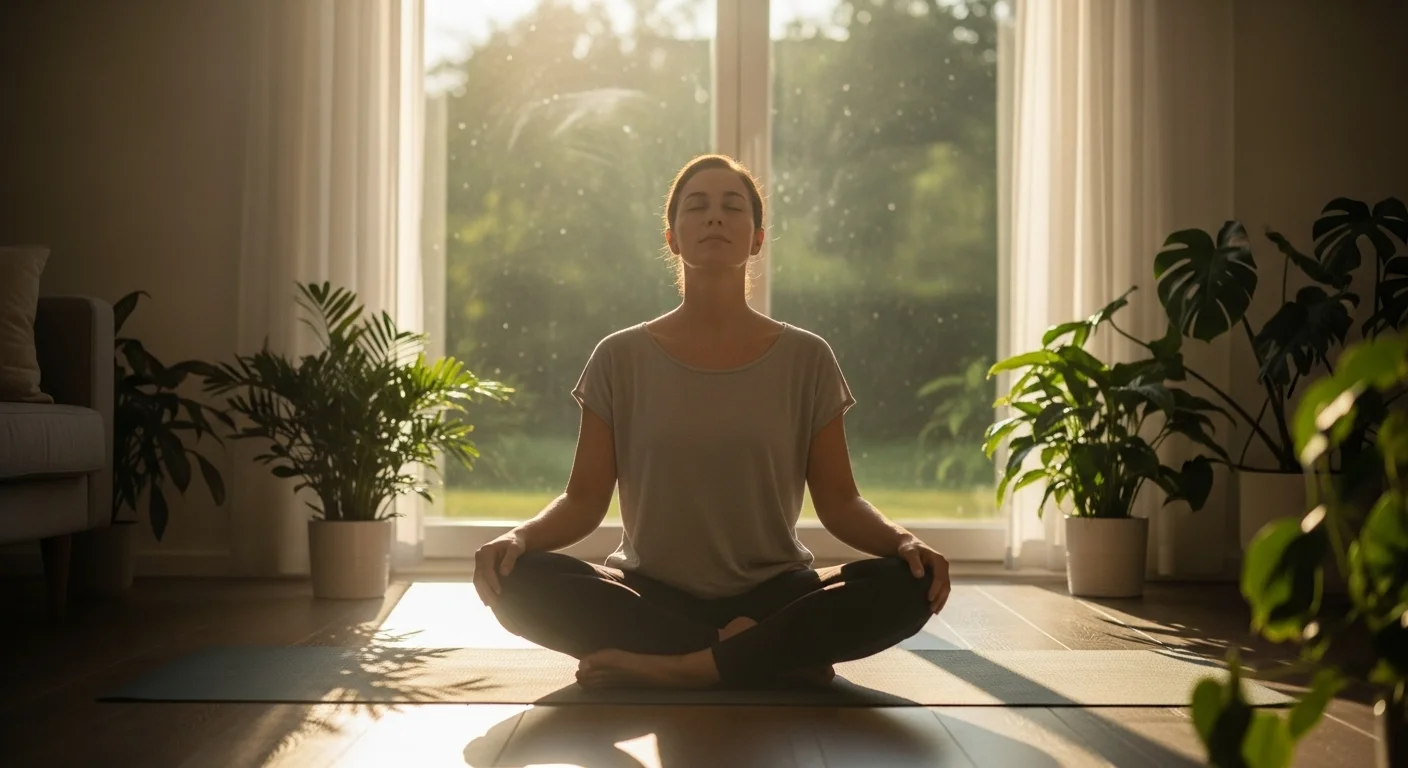
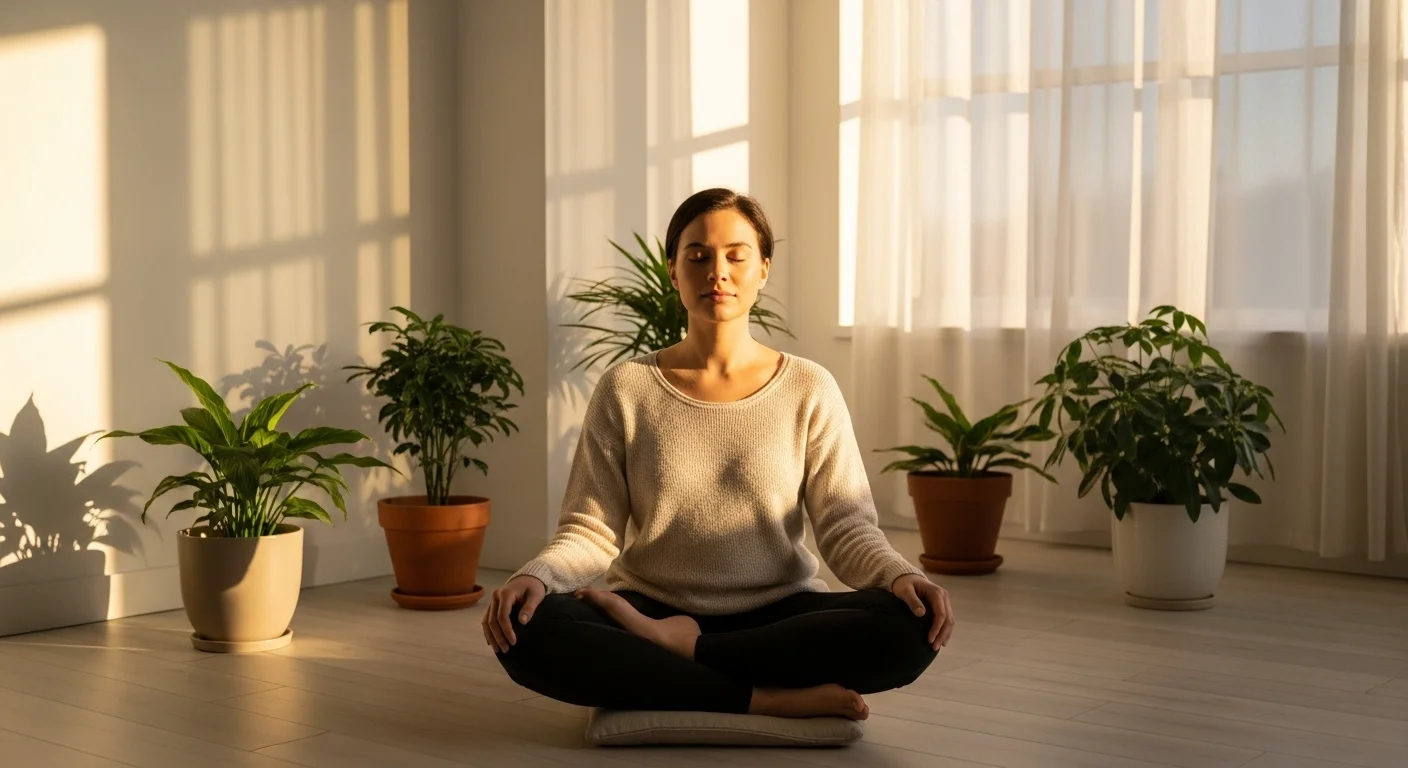
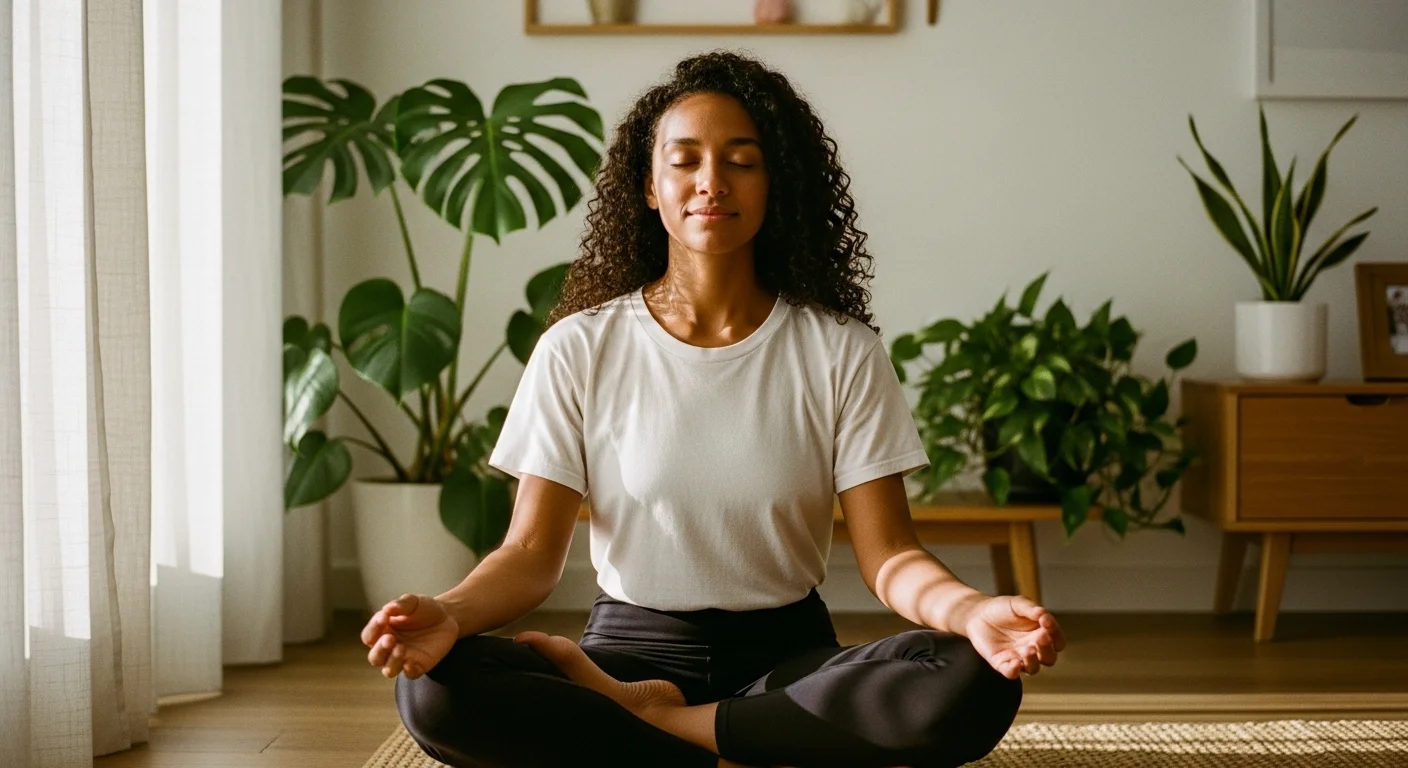
Begin by finding a quiet environment where distractions are minimal. Sit comfortably on a chair or a cushion on the floor. Keep your back straight to maintain alertness but ensure your body remains relaxed. Close your eyes to focus inward.
Direct your attention to the sensation of breathing. Notice the air moving in and out of your nose or the rise and fall of your chest. Do not try to control the breath. Simply observe the natural rhythm of respiration.
Your mind will eventually wander to other thoughts. This is normal behavior. Gently redirect your focus back to your breath without judgment. Continue this practice for five to ten minutes, then slowly open your eyes to conclude the session.
Scientific Benefits of Regular Meditation Practice
Research shows that consistent meditation lowers the production of cortisol. Cortisol is the primary stress hormone in the human body. High levels of this hormone cause inflammation and sleep problems. Reducing cortisol helps the body relax and recover effectively.
Studies indicate that meditation changes the physical structure of the brain. Regular practice reduces the density of the amygdala. This region processes fear and emotional responses. A smaller amygdala correlates with decreased anxiety levels and better emotional stability during daily tasks.
Neuroscientists have found that meditation improves attention span and cognitive focus. It strengthens neural connections in the prefrontal cortex. This area controls planning and decision-making. Consequently, practitioners experience fewer distractions and complete work tasks with greater accuracy and speed.
Tips for Incorporating Meditation into Daily Life
Select a consistent time for your practice to establish a habit. Many people choose early morning or before bed because these times offer fewer distractions. Put the session on your daily calendar so you treat it like an important appointment.
Create a dedicated space that is quiet and free from interruptions. You do not need a special room, just a comfortable chair or cushion. Start with short durations of five to ten minutes per day, then increase the length gradually over time.
Link your new meditation practice to an existing daily habit. You can meditate immediately after you brush your teeth or finish lunch. This association creates a mental trigger that helps you remember to practice without relying solely on willpower or memory.