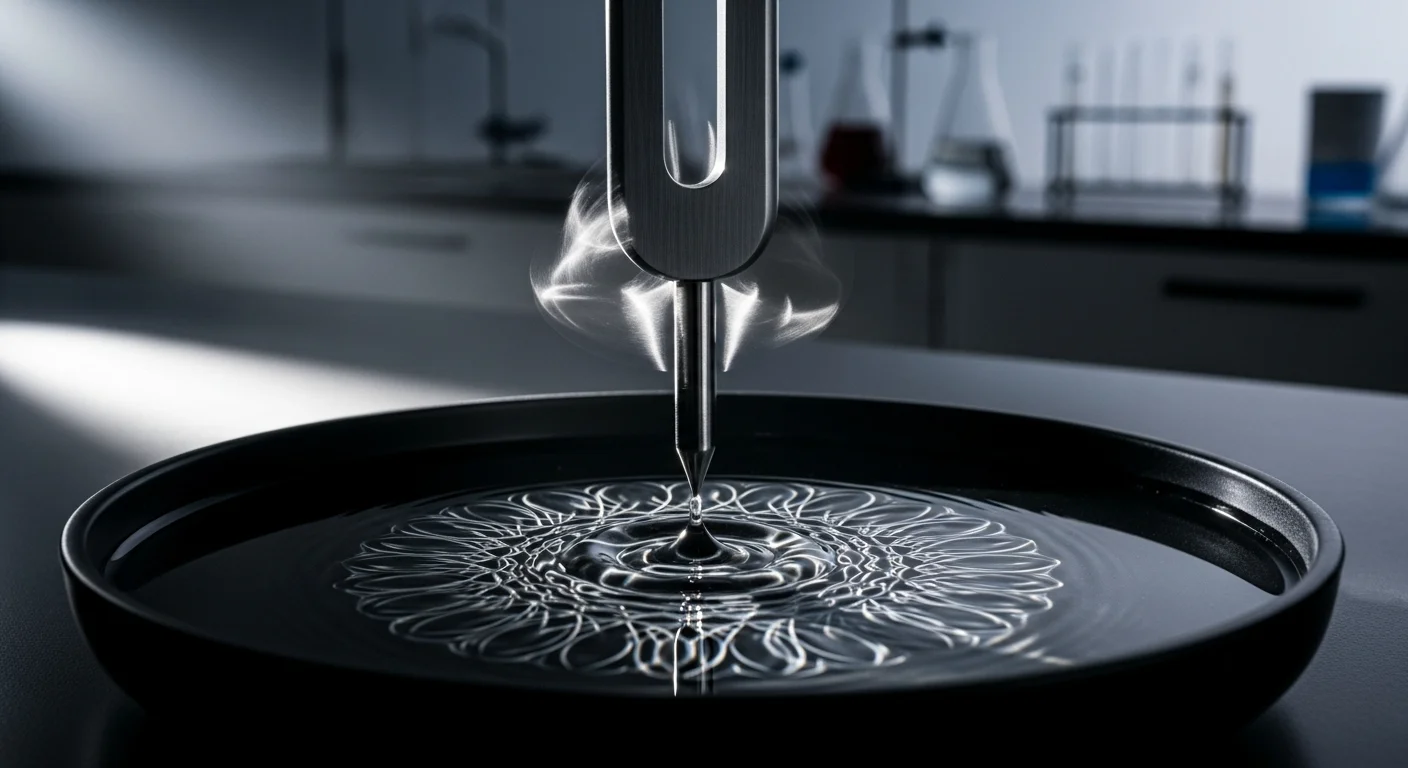
Vibrational therapy involves the use of mechanical vibrations to stimulate muscles and tissues. Devices generate specific frequencies that transmit energy into the body. This process causes muscles to contract and relax rapidly. The primary goal is to improve circulation and reduce pain through physical stimulation.
Practitioners use whole-body vibration platforms or localized handheld devices during treatment. These machines oscillate at distinct speeds and amplitudes to target specific areas. The vibrations trigger a reflex response in the neuromuscular system. This interaction helps maintain bone density and supports muscle recovery processes.
This therapeutic approach falls under the category of physical rehabilitation and wellness technologies. It functions as a non-invasive method to enhance physical performance. Research supports its use for rehabilitation after injury or for general conditioning. The technique focuses strictly on mechanical energy transfer to the body.
The Role of Frequency and Amplitude
Frequency refers to the speed of the vibration cycles. It is measured in Hertz. Higher frequencies cause muscles to contract and relax rapidly. This process stimulates muscle fibers. Lower frequencies are often used for relaxation and recovery purposes. Devices adjust this setting for specific outcomes.
Amplitude measures the vertical distance the platform travels. It determines the physical intensity of the movement. Higher amplitude creates a stronger force on the body. This setting requires more effort from muscles to maintain stability. Lower amplitude provides a gentle vibration suitable for rehabilitation.
These two factors combine to produce a gravitational load on the skeletal system. Increasing both settings maximizes the mechanical stimulation. Users must select the correct combination for safety. Proper adjustment creates the necessary stress to trigger biological responses without causing injury to the user.
Transmission of Mechanical Vibrations
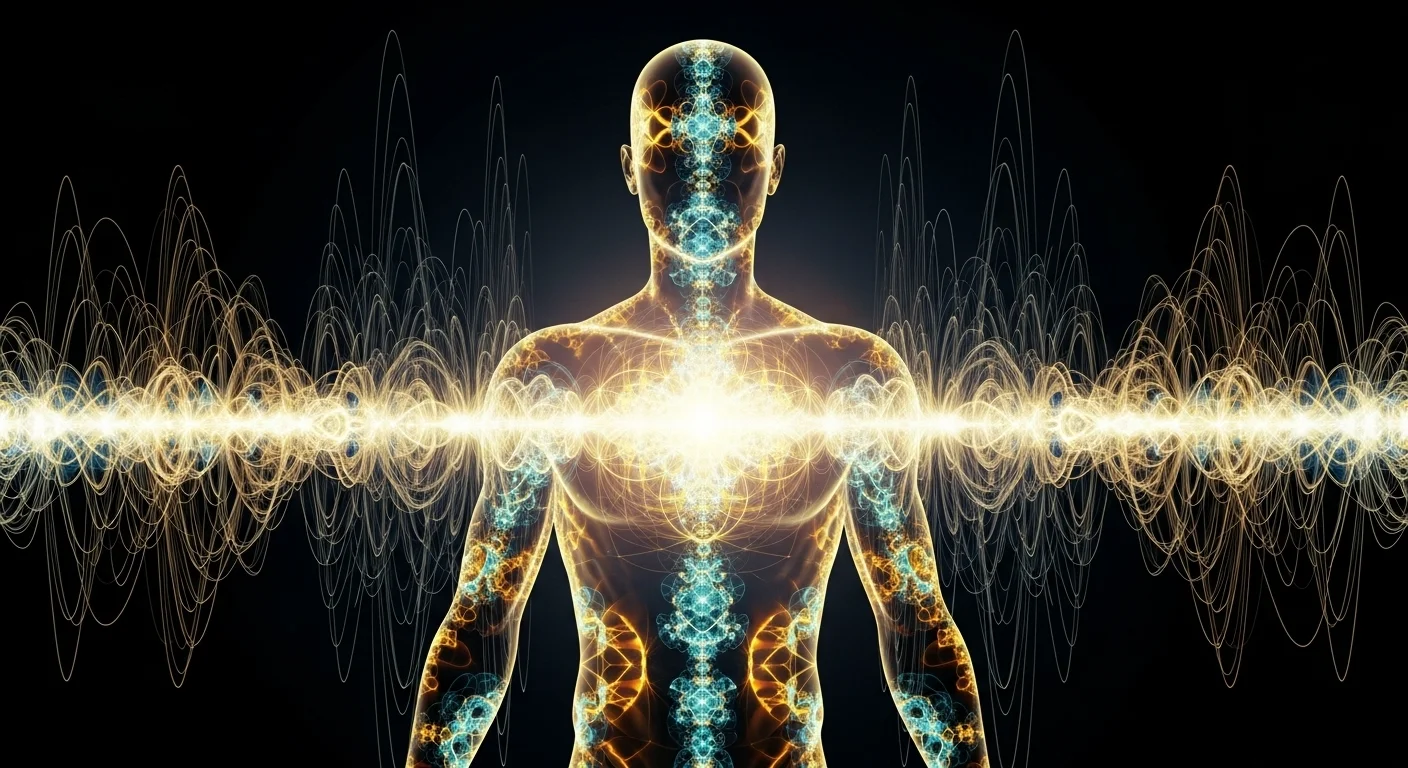
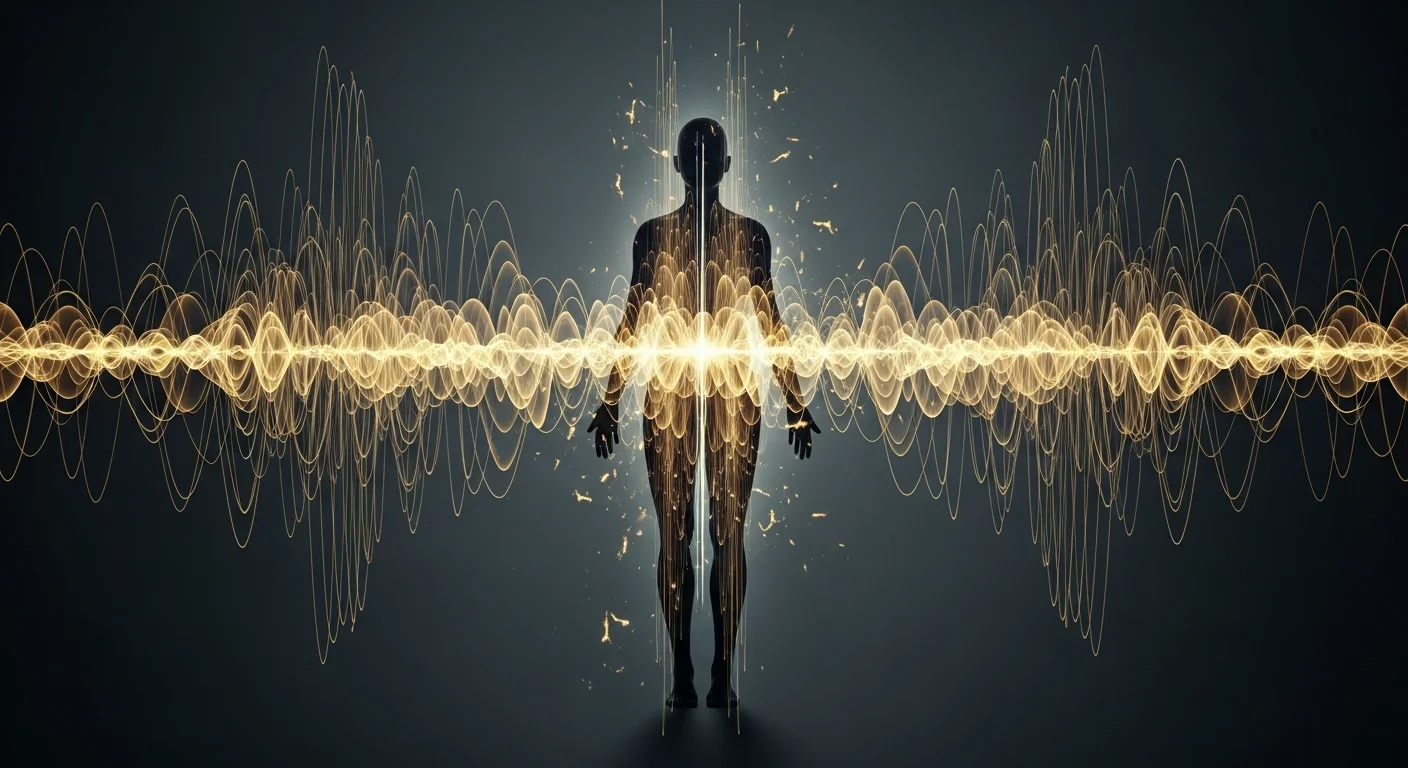
The process begins when a device generates mechanical oscillations at specific frequencies. These waves transfer directly to the body through physical contact with the skin. The intensity of the transmission depends on the amplitude of the source and the surface area involved in the application.
Once inside the body, the mechanical waves propagate through various tissue layers. Soft tissues like skin and muscle absorb some energy, while rigid structures like bone transmit vibrations more efficiently. This propagation causes oscillatory movement in cells and extracellular fluids throughout the targeted region.
As the vibrations travel deeper, the body’s natural damping properties gradually attenuate the signal. This reduction in energy protects delicate internal structures from excessive force. The remaining mechanical energy stimulates mechanoreceptors, which signal the nervous system to adjust muscle tone and local blood circulation.
Physiological Effects on Muscles and Nerves
Vibrational therapy stimulates muscle fibers through a process known as the tonic vibration reflex. When mechanical vibrations reach the muscle, sensory receptors detect rapid changes in length. This sensory input travels to the spinal cord and triggers an involuntary contraction to maintain muscle tension.
High-frequency vibrations increase the recruitment of motor units within the tissue. The mechanical stimuli force the body to utilize additional muscle fibers during activity. Furthermore, the rapid movement expands blood capillaries, which improves local circulation and delivers oxygen and nutrients to the active tissues.
The therapy affects the nervous system by altering pain signal transmission. Continuous stimulation of mechanoreceptors interferes with the passage of pain signals to the brain. This physiological mechanism reduces perceived pain levels and assists in regulating neuromuscular communication for better balance and coordination.
Impact on Blood Flow and Bone Density
Vibrational therapy stimulates the muscles to contract and relax rapidly. This mechanical action pumps blood through the vessels more efficiently. Research indicates that this process widens blood vessels, which lowers resistance to flow. Consequently, oxygen and nutrients reach muscle tissues faster during the therapy session.
The therapy also applies mechanical stress to the skeletal system. Bones adapt to this load by increasing their mineral density over time. This response mimics the effects of weight-bearing exercise. Scientists observe that these vibrations activate osteoblasts, the cells responsible for building new bone structure.
Improved circulation and stronger bones benefit individuals with limited mobility. Clinical studies show these changes reduce the risk of fractures in older adults. The increased blood flow also aids in faster recovery after physical exertion. These physiological changes support overall musculoskeletal health and stability.
Contraindications and Safety Precautions
Individuals with certain medical conditions must avoid vibrational therapy to prevent injury. Pregnant women should not use these devices because the vibrations may affect the fetus. People with pacemakers, heavy metal implants, or recent surgical wounds also face risks from the mechanical force.
Patients with deep vein thrombosis should strictly avoid vibration platforms. The rapid movement can dislodge blood clots and cause pulmonary embolisms. Additionally, users with acute hernias, active epilepsy, or severe inflammation need to consult a physician before attempting this specific type of treatment.
Proper usage techniques are essential for general safety during therapy. Users must keep their knees slightly bent to limit impact on the head and spine. Sessions should last no longer than fifteen minutes. Immediate cessation is necessary if dizziness or physical discomfort occurs.