Chakra meditation is a mental practice designed to focus on the seven energy centers within the human body. These centers are known as chakras and align from the base of the spine to the head. The goal is to balance these points to improve physical and mental stability.
Guided meditation involves an external voice that directs the session. A narrator or teacher provides specific verbal instructions to the listener. This guidance helps beginners maintain focus and follow the correct steps. The instructor often describes visualization techniques and breathing exercises to assist the process effectively.
In guided chakra meditation, the narrator directs attention to each specific chakra location sequentially. The listener follows instructions to visualize colors or chant sounds associated with every energy center. This structured approach simplifies the practice for new students and ensures they address every area of the body systematically.
Overview of the Seven Main Chakras
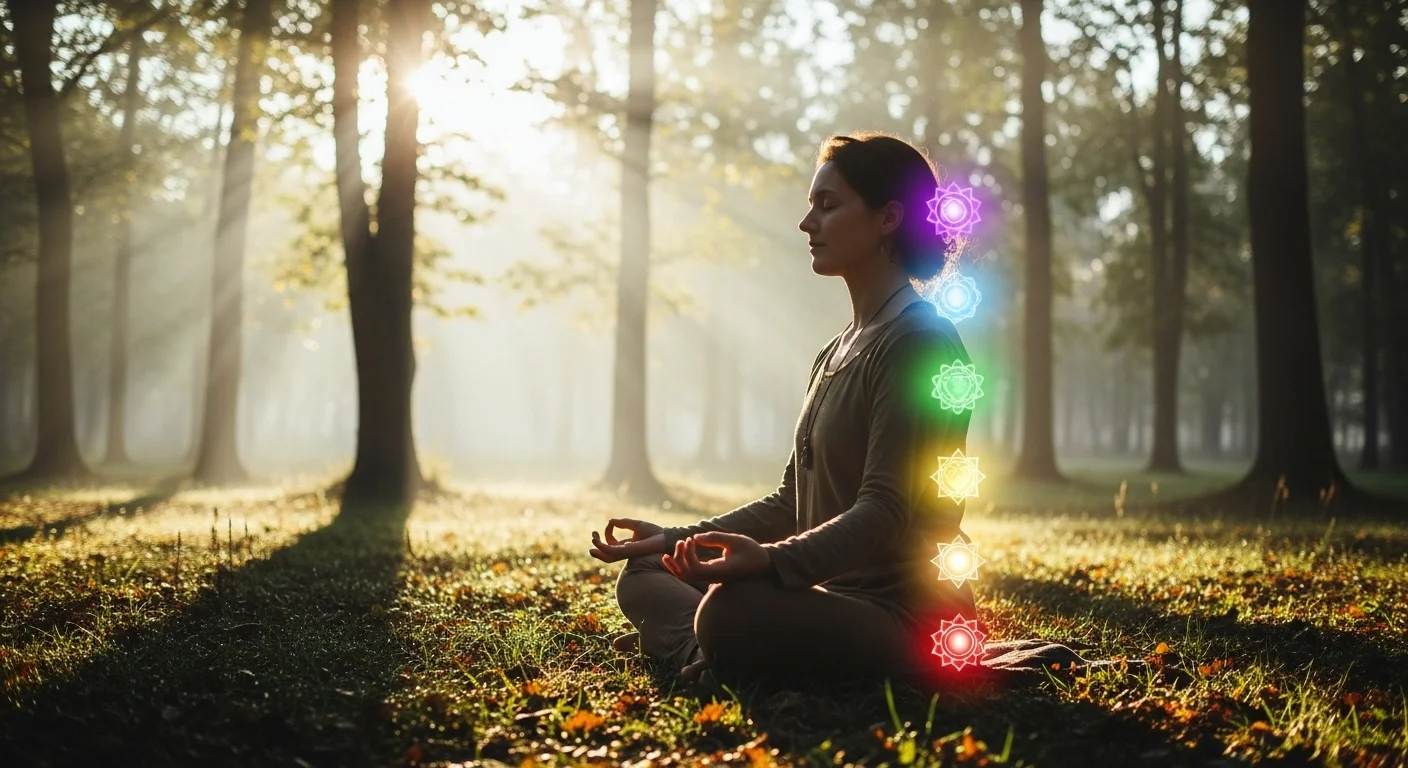
The seven main chakras are energy centers located along the spine. The Root Chakra sits at the base and concerns physical stability. Above it lies the Sacral Chakra, which governs creativity and reproduction. The Solar Plexus Chakra is in the stomach area and controls personal power and confidence.
The Heart Chakra is located in the center of the chest. It manages feelings of love and compassion. Moving upward, the Throat Chakra is situated in the neck region. This specific center regulates communication. Practitioners often focus on these areas to improve their emotional balance and speech.
The Third Eye Chakra rests between the eyebrows and relates to intuition. Finally, the Crown Chakra sits at the top of the head. It connects individuals to spiritual consciousness. Understanding the location and function of each center is essential for an effective guided meditation practice.
Benefits of Practicing Chakra Meditation
Chakra meditation helps reduce stress in the body. When you focus on energy centers, your heart rate slows down. This practice lowers cortisol levels and promotes relaxation. Many practitioners report better sleep quality and reduced physical tension after regular sessions. It supports overall physical health.
This technique improves emotional stability significantly. By concentrating on specific chakras, you can process negative feelings. It increases self-awareness and helps you manage anxiety. A consistent practice leads to greater mental clarity and focus. You gain better control over your daily emotional reactions.
Practicing this meditation balances energy flow within the system. Practitioners believe that open chakras allow energy to move freely. This alignment creates a sense of inner peace. It helps connect the mind and body effectively. Regular practice maintains this energetic balance over long periods.
Preparation for a Guided Meditation Session
Find a quiet room where you will not be disturbed. Silence is important for concentration. Sit on a cushion or a chair with a straight back to maintain posture. Wear loose and comfortable clothing to avoid physical distraction during the practice. Remove shoes and tight accessories.
Select your guided meditation audio file before you begin. Adjust the volume to a comfortable level so you can hear the instructions clearly. Turn off notifications on your phone or computer to prevent interruptions. Set a specific time limit if the track does not end automatically.
Close your eyes gently once you are seated comfortably. Place your hands on your knees or in your lap. Focus your attention on your natural breathing pattern. Relax your shoulders and jaw to release tension. You are now ready to follow the audio guide.
Step-by-Step Instructions for the Practice
Begin by finding a quiet room where you will not be disturbed for twenty minutes. Sit comfortably on a chair or cushion with your back straight. Close your eyes gently and focus on your breath. Inhale slowly through your nose and exhale through your mouth.
Direct your attention to the base of your spine, which is the location of the root chakra. Visualize a red light glowing in this area. Hold this image for several deep breaths. Move your focus upward to the next energy center and repeat this specific visualization process.
Continue this method until you reach the crown of your head. Once you finish scanning all seven points, sit in silence for a few minutes to rest. Slowly bring your awareness back to the room. Open your eyes when you feel ready to end the session.
Frequency and Duration of Meditation
Beginners should start with short sessions to establish a stable habit. A duration of five to ten minutes is sufficient for the first few weeks of practice. You can gradually increase the time as you become comfortable. Consistency matters more than the total length.
Experts recommend meditating every day to experience the best results. If daily practice is not possible, aim for at least three or four times per week. Regular sessions help the mind focus better and make the chakra balancing process much more effective over time.
Select a specific time of day for your meditation to create a routine. Morning or evening are common choices for many practitioners. Once you establish this routine, try to extend your sessions to twenty minutes. This length allows for a deeper state of relaxation.
Your Next Step
You can deepen your knowledge even further with the comprehensive manual I’ve prepared on the 7 main chakras. In it, you’ll understand what chakras are, their physical, emotional, and spiritual aspects, as well as the associated deities. It also includes practical charts with crystals, flower essences, scents, Reiki, and much more.

Additionally, you can purchase my book, 69 Exercises for Chakra Alignment—a direct, accessible, and transformative guide filled with specific techniques to work on each chakra. This material is perfect for both those looking to apply exercises in their daily routine and therapists seeking safe, structured resources to use in their sessions.