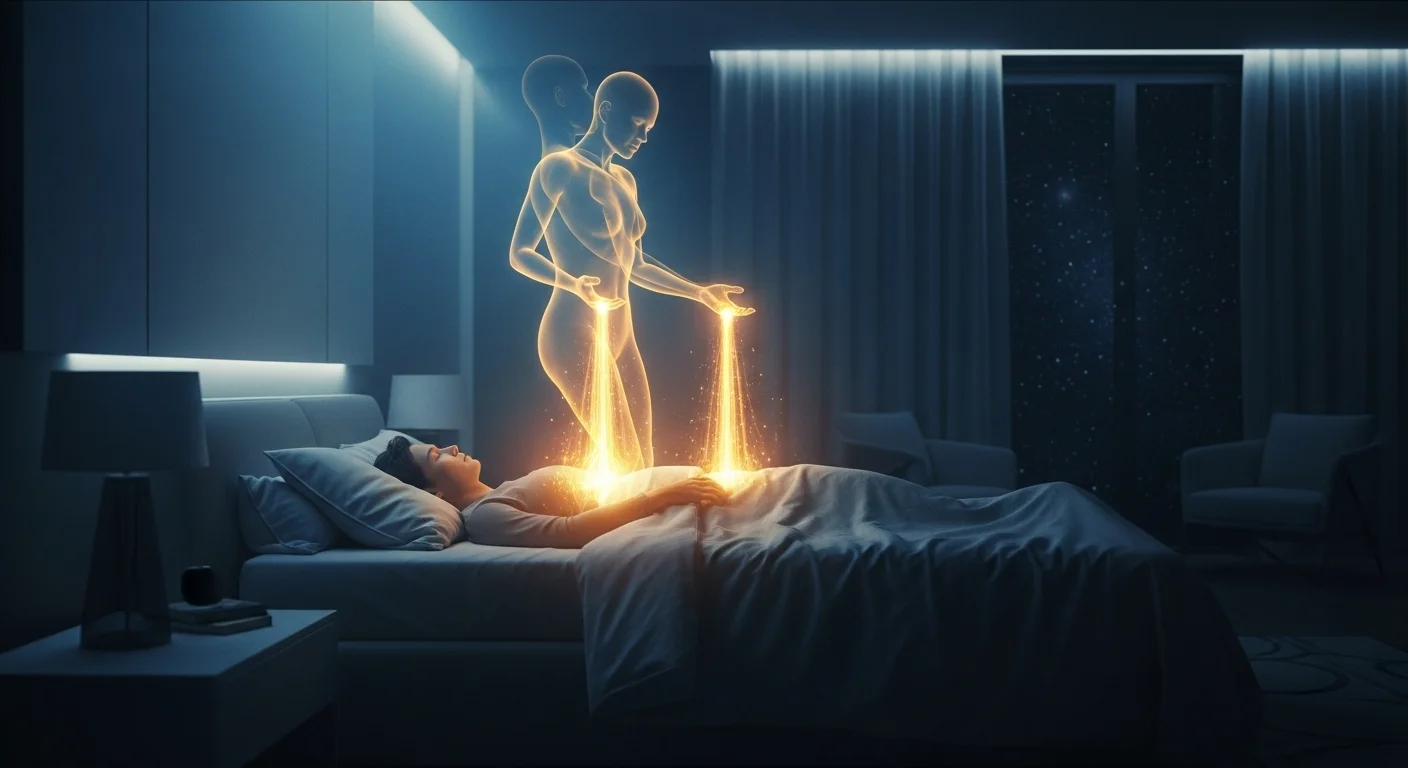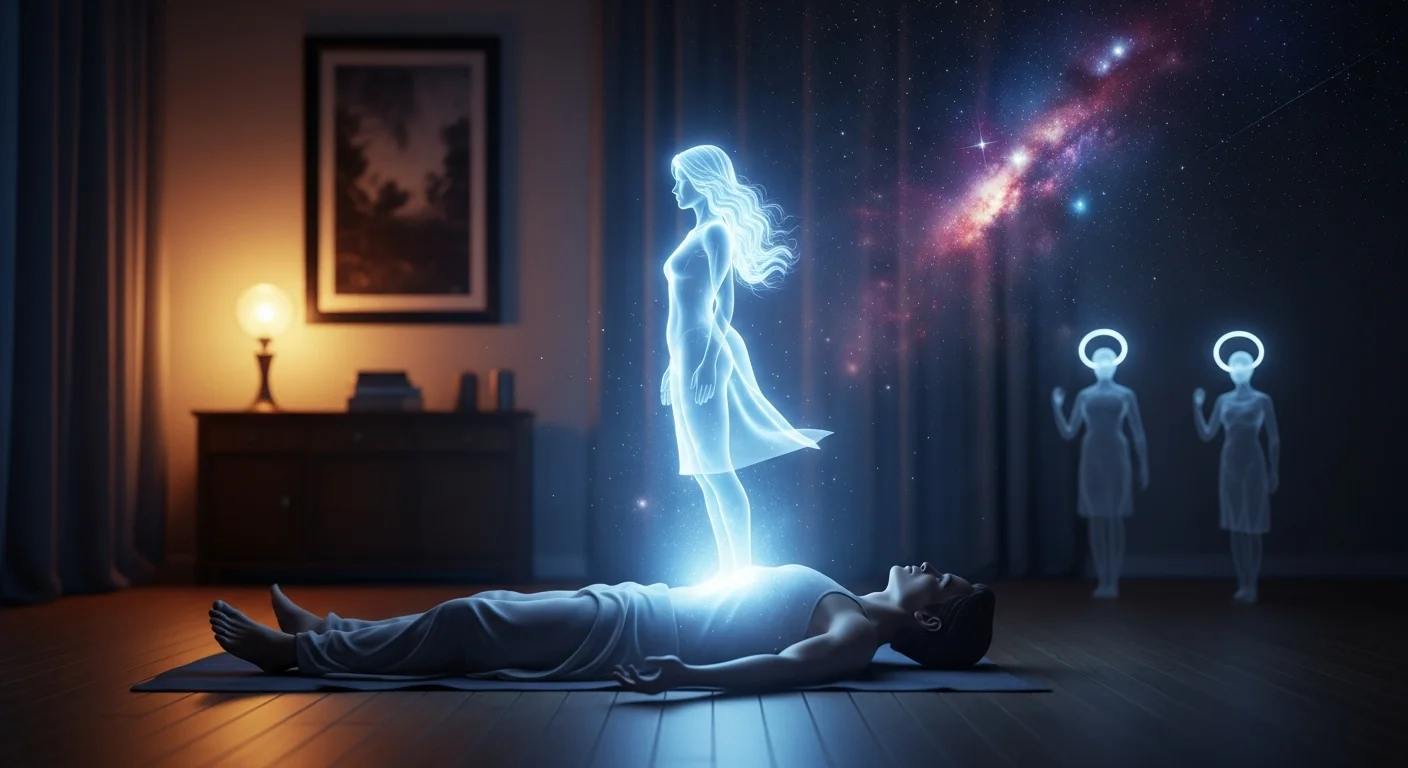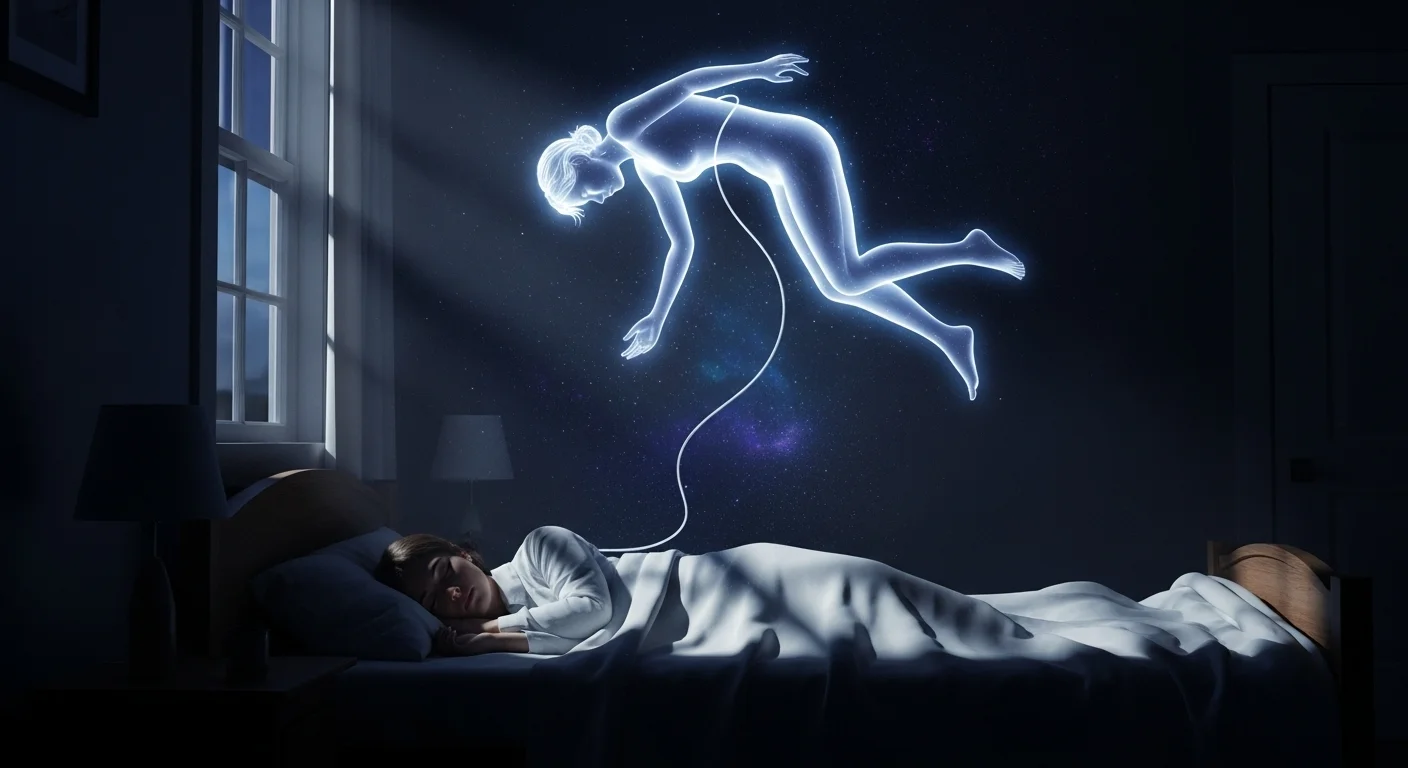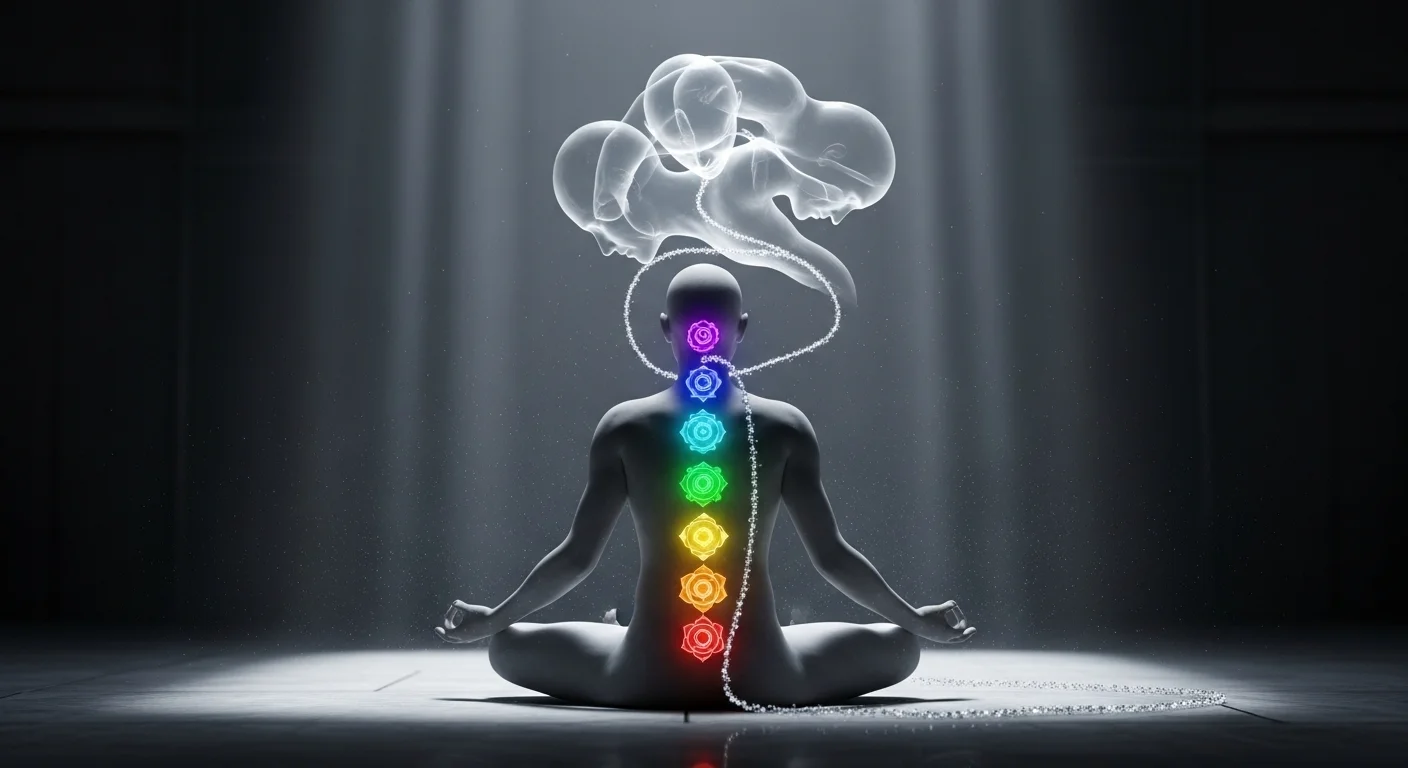
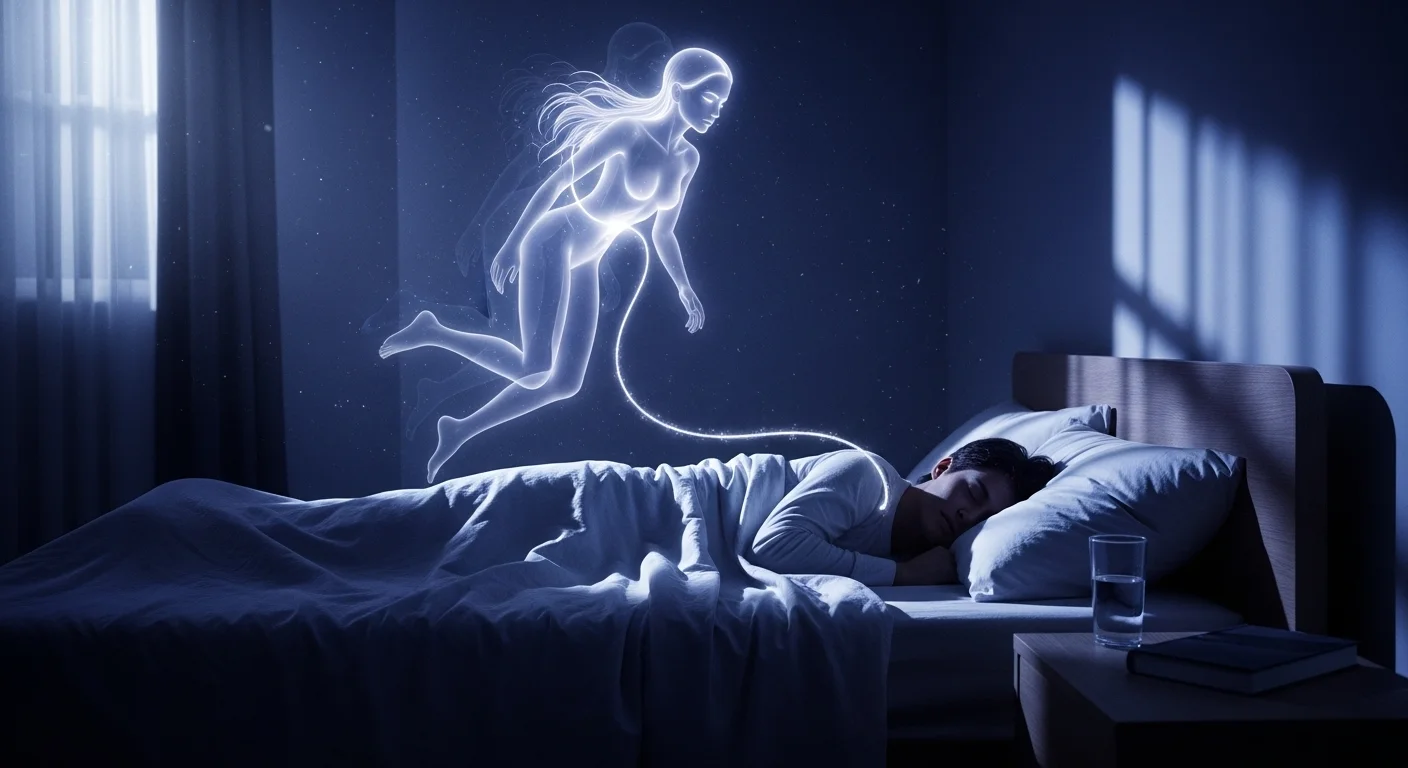
Astral projection is a term used to describe an intentional out-of-body experience. Practitioners believe that a non-physical consciousness separates from the physical body to travel independently. This concept assumes the existence of an astral form that functions without the biological frame. People often report looking down at their own sleeping bodies during these events. The experience differs from ordinary dreaming because the individual maintains a high level of alertness and observes the physical world from a different perspective.
Various cultures and religious traditions have documented these experiences for centuries. Ancient texts from Egypt and India mention the ability of the spirit to travel outside the physical vessel. Theosophy and modern spiritual movements popularized the specific term astral projection in the nineteenth century. These groups view the phenomenon as a spiritual practice rather than a hallucination. Researchers analyze these reports to determine if they represent objective reality or psychological states induced by specific patterns of brain activity.
Individuals often initiate this state through specific techniques involving deep relaxation and meditation. The process frequently begins with a sensation of vibration or buzzing before the perceived separation occurs. Unlike a lucid dream where the dreamer controls the narrative, astral projection involves exploring an environment that appears external and stable. The person retains full memory of the event after returning to the physical body. Skeptics argue that these sensations are neurological events rather than proof of a separate soul.
Common Myths About Physical Harm
Many practitioners worry that they might get trapped outside their physical body during an astral projection session. This specific fear is a very common misconception that lacks any factual evidence. The physical body maintains a strong connection to the consciousness at all times during the experience. You can return to your body instantly by simply thinking about it or moving a physical muscle. There is no risk of the connection severing permanently or the mind getting lost.
Another frequent myth suggests that an empty body is vulnerable to possession by other entities. This idea implies that the body is left unguarded, but this is incorrect. The subconscious mind continues to protect the physical form throughout the entire experience. No external entity can take control of your body while you project. Additionally, the body remains safe in its resting place. You cannot sustain physical injuries like cuts or bruises from events that happen in the astral plane.
Some people believe that astral projection causes the heart to stop or breathing to cease. This belief is scientifically unfounded and biological functions continue normally. The body enters a state of deep relaxation similar to sleep or meditation. Your autonomic nervous system regulates your heartbeat and respiration automatically. There is no evidence that projection affects these vital functions negatively. The physical sensation of paralysis is a normal part of the sleep cycle and does not indicate physical harm.
Potential Mental Health Effects
Practicing astral projection often involves inducing states of deep dissociation intentionally. This specific process requires a person to mentally detach from their physical body and their immediate surroundings. Individuals with pre-existing dissociative disorders may find that these exercises significantly worsen their condition. Frequent attempts to leave the physical body can lead to a lingering sense of detachment from reality. This resulting state makes it difficult for some practitioners to engage fully with their daily lives and routine responsibilities.
Many people report experiencing intense fear during astral projection attempts. The sensation of sleep paralysis often accompanies these practices and causes panic in unprepared individuals. This specific phenomenon restricts physical movement while the mind remains awake. Recurring episodes of sleep paralysis can generate significant anxiety regarding sleep. This anxiety may lead to insomnia or disrupted sleep patterns. High levels of stress can negatively impact overall mental stability and emotional well-being over time.
Individuals prone to psychosis or schizophrenia face distinct risks when attempting astral projection. The practice blurs the line between internal mental experiences and external objective reality. This confusion can trigger hallucinations or delusions in vulnerable people. Medical professionals generally advise against these practices for patients with a history of unstable mental health. A lack of proper grounding can cause a person to lose their grasp on what is real and what is imagined.
Sleep Paralysis and Fear Responses
Sleep paralysis is a common physiological state that occurs when the body transitions between wakefulness and sleep. The brain inhibits muscle movement to prevent physical action during dreams. People attempting astral projection often induce this state intentionally to separate consciousness from the physical form. The mind remains fully alert while the body falls asleep. This disconnect causes a temporary inability to move or speak. Understanding this biological mechanism helps practitioners reduce panic. The sensation is physical and not supernatural in origin.
A fear response frequently accompanies sleep paralysis due to the brain’s reaction to immobility. The amygdala detects a potential threat when the body cannot move. This reaction triggers a stress response despite the lack of actual danger. Visual or auditory hallucinations often manifest during this stage. Practitioners may see shadow figures or hear loud noises. These perceptions are created by the brain and are not external entities. Recognizing these symptoms as internal projections allows for better emotional control.
Experiencing fear during these episodes does not indicate physical danger. The primary risk involves psychological stress rather than physical harm. You can stop the paralysis by focusing on small movements like wiggling a toe or finger. Controlled breathing also signals the body to relax and wake up. Knowledge of these exit strategies provides a sense of safety. Most episodes last only a few minutes. Maintaining a calm mindset prevents the fear loop from escalating into a negative experience.
Steps for a Controlled Experience
To begin a controlled astral projection session, you must establish a secure physical environment. Choose a quiet room where you will not face interruptions for at least one hour. Lie down on a comfortable surface like a bed or a mat. Close your eyes and focus on your breathing to calm the body. Systematically relax every muscle group from your feet to your head. This process reduces physical sensation and helps the mind remain alert while the body falls asleep.
Once your body reaches a state of deep relaxation, you may feel vibrations or hear humming sounds. Do not panic, as these sensations are normal indicators of the separation phase. Maintain your mental focus on a specific location outside your physical body. Visualize yourself moving toward that point or imagine pulling on a rope. This mental action signals your intention to separate. If you feel fear or excitement, the process will stop, so keep your emotions neutral and steady.
Navigation during the experience relies on your thoughts rather than physical movement. To move to a new location, simply think clearly about that destination. When you wish to end the session, think firmly about your physical body. This thought will instantly pull you back. Upon returning, do not move immediately. Allow your body to wake up slowly by wiggling your fingers and toes. Record your observations in a journal right away to ensure you remember the details accurately.
Conclusion on Astral Projection Safety
The practice of astral projection does not pose a direct threat to the physical body. Research indicates that the vital functions of the body continue normally during these experiences. There are no documented cases of individuals dying or sustaining physical injuries solely because of an out-of-body state. The primary consensus among practitioners is that the connection to the body remains intact at all times. This means that you can wake up instantly if there is an external disturbance.
Psychological safety is a more relevant concern than physical danger. Some individuals may experience fear, anxiety, or confusion during or after the process. People with a history of mental health issues, such as dissociation or psychosis, should approach this practice with caution. It is important to maintain a stable mental state before attempting these techniques. Intense hallucinations or sleep paralysis can occur, which might be distressing for unprepared individuals. A grounded mindset helps manage these subjective reactions.
You should prioritize education and preparation to ensure a positive experience. Understanding the mechanics of sleep paralysis and the relaxation process reduces the likelihood of panic. If you feel uncomfortable or overwhelmed at any point, you should stop the practice immediately. Astral projection is a personal exploration of consciousness rather than a dangerous physical event. By following established guidelines and listening to your own limits, you can minimize potential risks and navigate the experience with confidence and control.
Your next step
If you already understand what astral projection is and you’re looking for practices that truly work, this e-book presents 35 tested techniques to induce out-of-body experiences. Each technique is explained clearly and directly, allowing you to choose the method that best fits your routine and level of awareness.
This material is ideal for those who want to apply objective and varied methods, speeding up the process of conscious out-of-body projection. It works for both beginners and practitioners who have already had experiences and want to expand their possibilities. This is a practical guide for anyone who wants consistent results.
If you are taking your first steps and want to understand the fundamentals of astral projection with clarity, this manual was created to make your learning easier. In it, you will find clear explanations about the subtle bodies, the stages of projection, the most common sensations, and how to deal with fear and mental blocks.
This e-book is recommended for anyone who needs a solid and safe foundation to start practicing with confidence. It organizes the concepts in a progressive way, helping you understand the process as a whole and develop a consistent and conscious practice.
For those who want more complete and in-depth guidance, the complete astral projection course offers structured lessons, guided practices, visualizations, advanced techniques, and ongoing support. The content was designed to take you from theory to practice with safety and consistency.
This course is suitable for all levels, from beginner to advanced, and provides a systematic approach based on years of research, experience, and proven results. You will learn how to awaken your potential, gain control of your experiences, and integrate spiritual insights into your daily life.