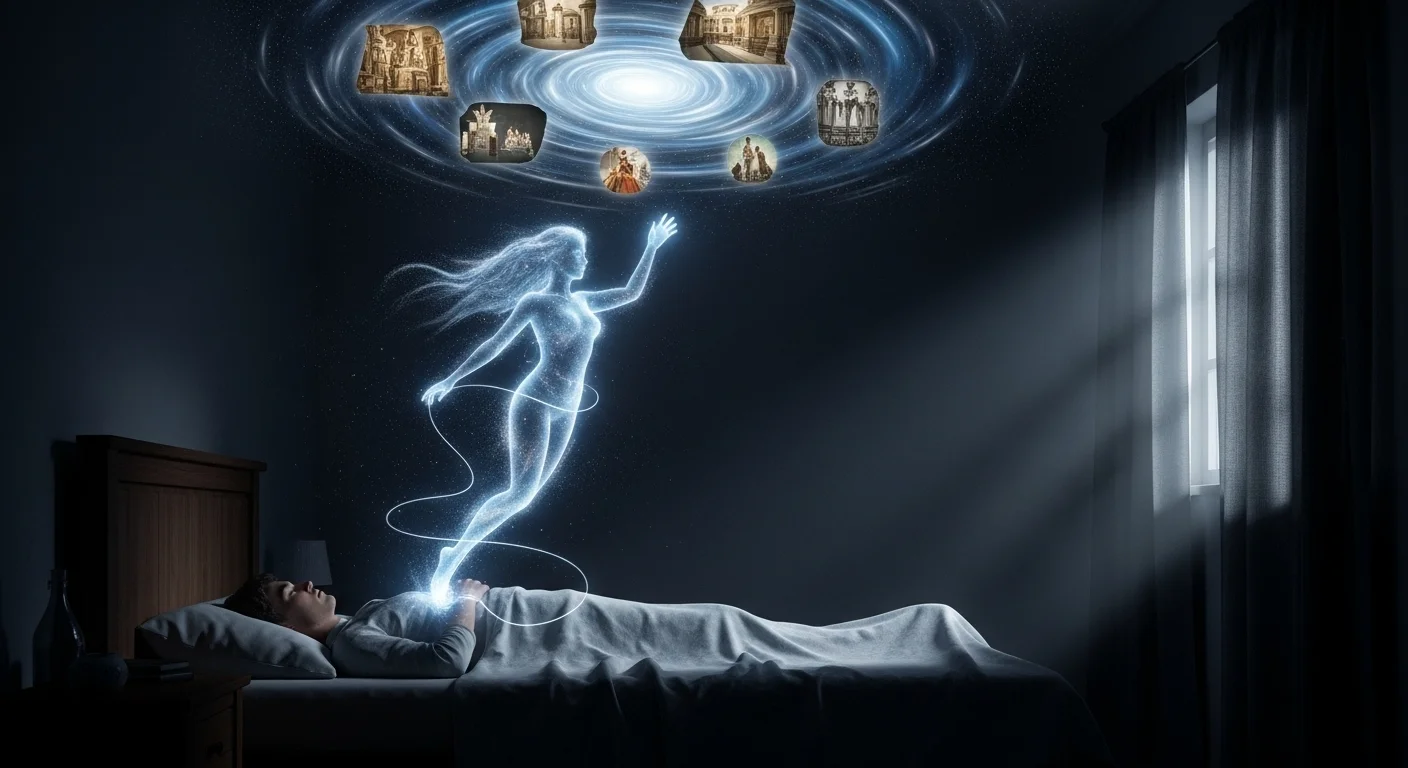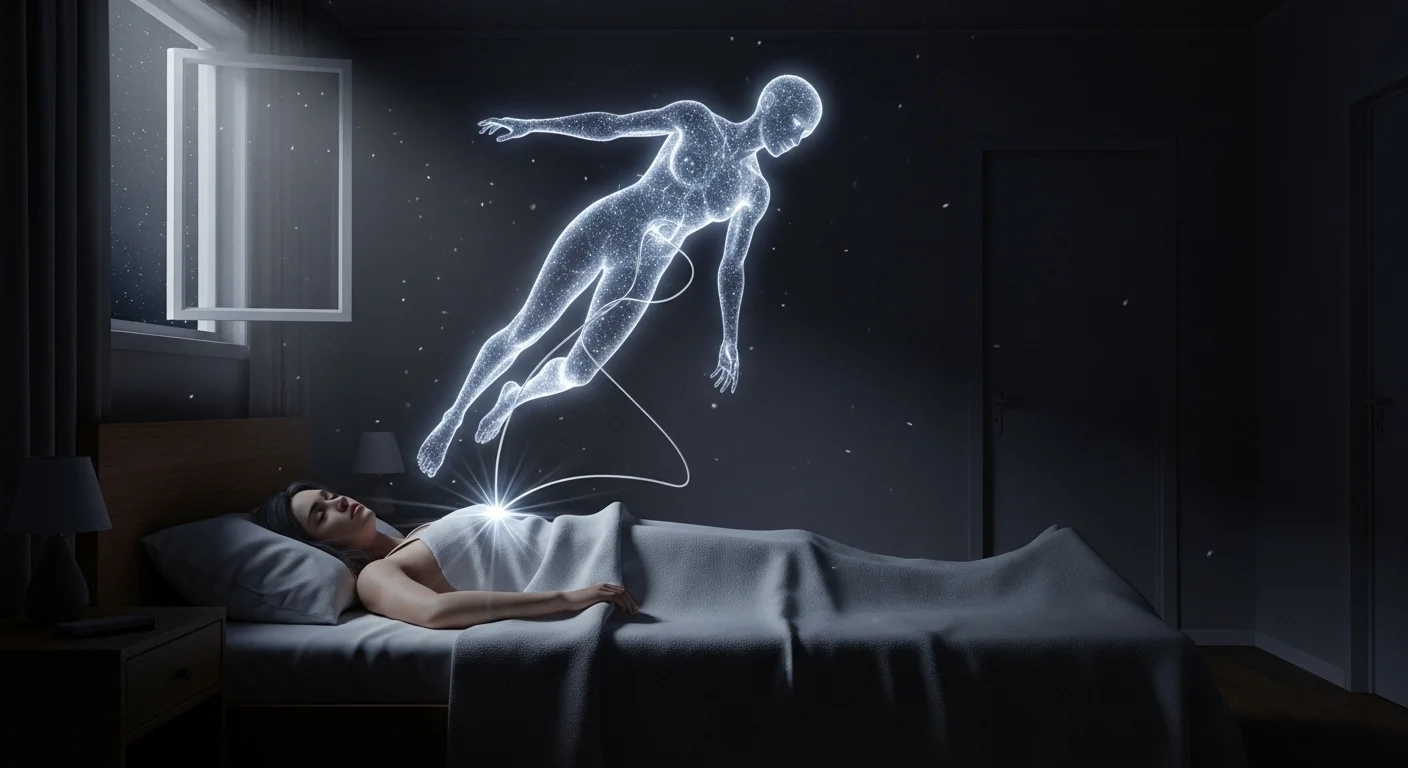

Astral projection is a term used to describe an intentional out-of-body experience. This phenomenon occurs when a person’s consciousness temporarily separates from their physical body. During this state, the individual retains full awareness and can observe their surroundings from a perspective outside their physical form. The concept suggests the existence of a subtle body, often called the astral body, which functions independently of the biological body. This distinction is crucial for understanding the definition in a technical context.
Practitioners believe that the astral body travels through a non-physical dimension known as the astral plane. This plane is described as a layer of reality that exists parallel to the physical world. While esoteric traditions view this as a literal separation, some researchers offer psychological explanations. These experts suggest that the experience is a complex neurological function or a lucid hallucination. Despite these differing views, the definition always centers on the subjective sensation of traveling away from the physical body.
A key characteristic of astral projection is the retention of mental clarity and volition. The individual can often control their movements and make decisions while separated from the physical form. This state typically occurs during deep relaxation or the transition between wakefulness and sleep. Many reports describe a connection known as the silver cord that links the physical and astral bodies. The experience ends when the consciousness returns to the physical body, which usually happens instantly upon intention.
Scientific Explanations for Out-of-Body Experiences
Researchers attribute out-of-body experiences to specific neurological functions rather than supernatural events. The primary focus of these studies is the temporoparietal junction in the brain. This region processes sensory information from the body, such as touch and balance, to create a sense of self-location. When this area malfunctions due to trauma, electrical stimulation, or sleep disorders, the brain fails to integrate these signals correctly. This failure creates the sensation that the self is located outside the physical body.
Another scientific explanation involves disruptions in the sleep-wake cycle. Many reported cases occur during the transition between wakefulness and sleep, known as the hypnagogic state. During this time, the body may experience sleep paralysis, where the muscles cannot move, but the mind remains alert. The brain may enter a dream state while the individual is conscious. This overlap causes vivid hallucinations that simulate floating or movement, which the individual interprets as separating from their physical form.
Psychology offers additional insights regarding dissociation and extreme physical stress. In situations of severe trauma or sensory deprivation, the mind may use dissociation as a defense mechanism. This process distances the individual’s awareness from their physical sensations and immediate reality. Studies also show that certain drugs, such as ketamine, impact the brain’s receptors to reproduce these sensations. These findings suggest that the experience is a complex internal model generated by the brain to manage conflicting sensory data.
Historical and Cultural Perspectives
The concept of separating consciousness from the body appears in many ancient civilizations. Ancient Egyptian texts describe a soul component called the “Ba” that traveled outside the physical form during sleep. Greek philosophers like Plato also discussed the separation of the soul from the body. These early historical records suggest that humans have explored out-of-body experiences for thousands of years. This demonstrates that the interest in existence beyond the physical body is a long-standing part of human history.
Eastern philosophies provide detailed accounts of this phenomenon within their religious frameworks. Hindu scriptures describe special powers known as “Siddhis,” which include the ability to leave the body at will. Buddhist teachings also mention a “mind-made body” that practitioners access during deep states of meditation. Shamanic cultures report similar practices where shamans enter trance states to travel to spiritual realms. These traditions view the experience as a learnable skill rather than a random occurrence or a simple dream.
In the nineteenth century, the Theosophical Society helped popularize the specific term “astral projection” in the West. Writers classified it as a spiritual practice involving a distinct astral body. Later, researchers in the twentieth century began to study these events under the clinical name “out-of-body experiences.” They attempted to document these cases using surveys and laboratory monitoring. This shift moved the subject from purely religious texts to a topic of psychological and parapsychological investigation in the modern era.
Common Techniques Used to Attempt Projection
One of the most frequently cited methods is the rope technique. This practice involves lying down in a completely relaxed state and closing your eyes. You visualize a rope hanging from the ceiling directly above your chest. The practitioner attempts to climb this imaginary rope using their non-physical hands. This mental action aims to separate the consciousness from the physical body. The sensation of pulling upwards helps focus the mind and encourages the astral form to detach.
Another common approach focuses on deep relaxation and induced vibrations. The individual lies in a quiet room and relaxes every muscle group systematically. The goal is to reach a state between wakefulness and sleep without losing consciousness. In this state, the practitioner tries to induce internal vibrations or a buzzing sensation. Once these vibrations stabilize, the person attempts to roll out of their body sideways. This method relies on maintaining mental awareness while the physical body falls asleep.
The Wake Back to Bed method utilizes the natural sleep cycles to aid projection. You set an alarm to wake up after approximately five hours of sleep. You stay awake for a short period to regain mental clarity before returning to bed. As you fall back asleep, you keep your mind active with the intention of projecting. This timing targets the rapid eye movement sleep phase. This stage allows for an easier transition into a projected state.
Potential Risks and Safety Considerations
Practitioners of astral projection often report that the experience is physically safe, but mental preparation is necessary. Individuals with a history of severe mental health issues should consult a professional before attempting these techniques. The practice can induce states of dissociation or intense hallucinations that may cause confusion or anxiety. A stable mind is essential to process the experience without negative psychological impacts. Fear is a common reaction that can disrupt the process and cause distress during the attempt.
You must choose a safe and quiet environment where you will not be disturbed. The physical body remains in a state of deep relaxation or sleep while you practice these techniques. There is no evidence to suggest that the body can be physically harmed or possessed during this state. However, some people experience sleep paralysis, which prevents movement upon waking. This natural phenomenon is harmless but can be frightening if you do not understand what is happening.
Establishing a clear intention before starting helps maintain focus and reduces the likelihood of a negative experience. Many guides recommend learning grounding techniques to help you return to your normal state of awareness quickly. You should set a specific time limit for your practice to ensure you do not become overly exhausted. If you feel uncomfortable at any point, focus on moving a physical part of your body, such as a finger, to end the state immediately.
Current Research and Conclusions
Scientists have studied reports of astral projection under the term “out-of-body experiences.” Most research focuses on neurology and brain function during these events. Studies suggest that these experiences often result from specific electrical activity in the brain. Researchers have stimulated the temporal and parietal lobes to reproduce sensations of leaving the physical body. This indicates that the experience is likely a hallucinatory event generated by the brain rather than a literal separation of a spirit.
Psychological factors also play a significant role in these occurrences. Many reported cases happen during the state between waking and sleeping. This transition period is known as the hypnagogic state. Sleep paralysis is another common trigger for the sensation of floating or moving outside the body. During this paralysis, the mind remains awake while the body is immobile. The brain may create vivid sensory illusions to explain the disconnect between motor commands and lack of movement.
Current scientific conclusions do not support the existence of a soul or consciousness traveling outside the body. Experiments attempting to verify external observation during these states have failed. For example, subjects claiming to project astrally cannot identify hidden objects in a room. Therefore, the scientific community views astral projection as an internal cognitive process. It is considered a subjective experience that feels real to the individual but lacks objective physical proof in the material world.
Your next step
If you already understand what astral projection is and you’re looking for practices that truly work, this e-book presents 35 tested techniques to induce out-of-body experiences. Each technique is explained clearly and directly, allowing you to choose the method that best fits your routine and level of awareness.
This material is ideal for those who want to apply objective and varied methods, speeding up the process of conscious out-of-body projection. It works for both beginners and practitioners who have already had experiences and want to expand their possibilities. This is a practical guide for anyone who wants consistent results.
If you are taking your first steps and want to understand the fundamentals of astral projection with clarity, this manual was created to make your learning easier. In it, you will find clear explanations about the subtle bodies, the stages of projection, the most common sensations, and how to deal with fear and mental blocks.
This e-book is recommended for anyone who needs a solid and safe foundation to start practicing with confidence. It organizes the concepts in a progressive way, helping you understand the process as a whole and develop a consistent and conscious practice.
For those who want more complete and in-depth guidance, the complete astral projection course offers structured lessons, guided practices, visualizations, advanced techniques, and ongoing support. The content was designed to take you from theory to practice with safety and consistency.
This course is suitable for all levels, from beginner to advanced, and provides a systematic approach based on years of research, experience, and proven results. You will learn how to awaken your potential, gain control of your experiences, and integrate spiritual insights into your daily life.