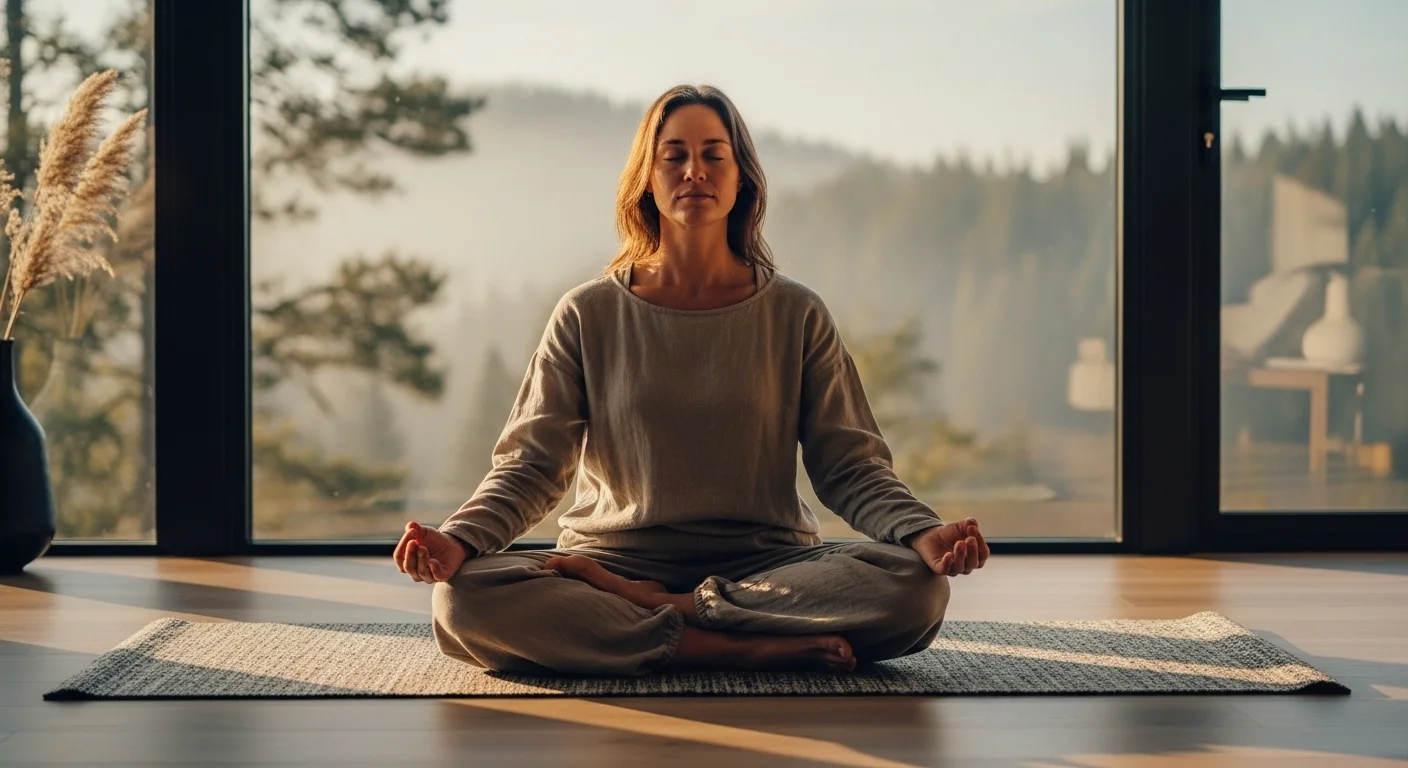
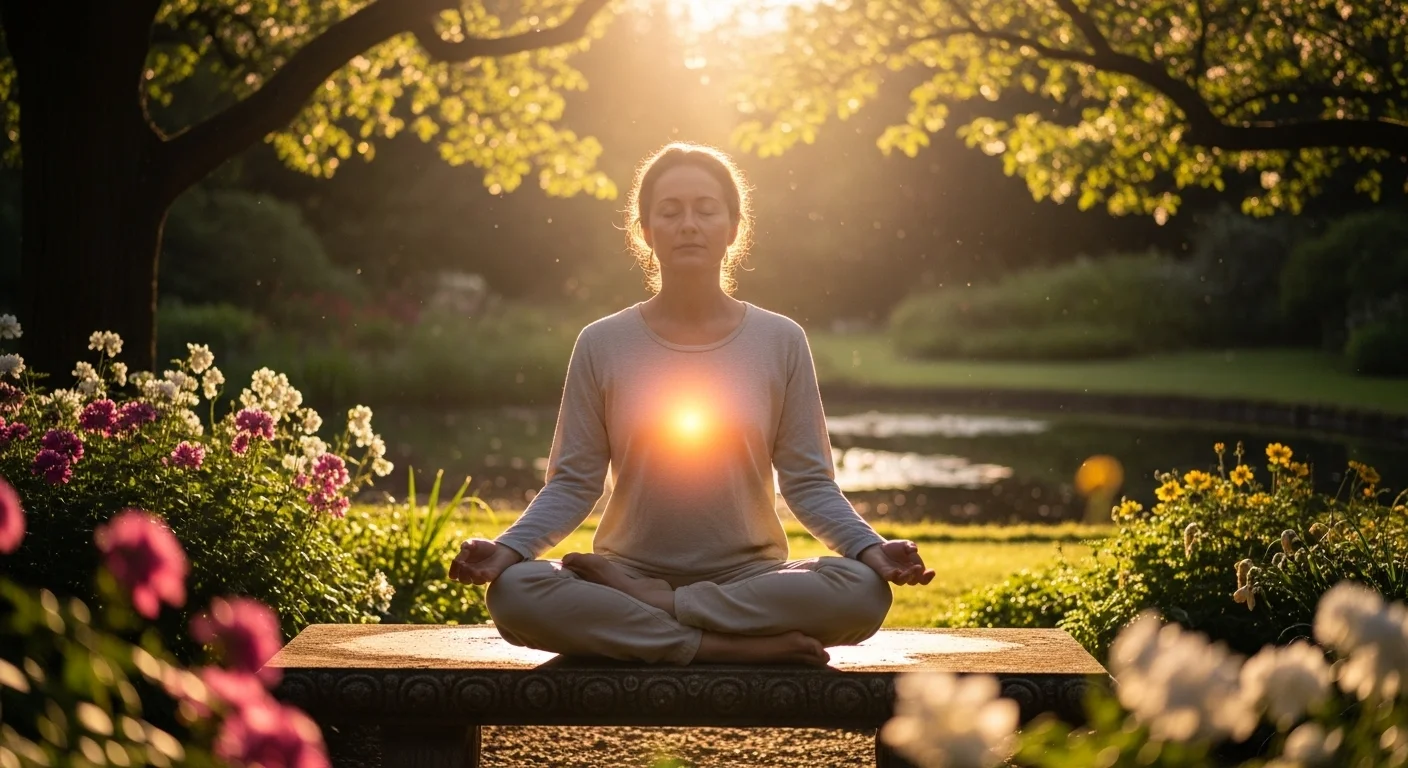
Loving Kindness Meditation is a mental practice that cultivates positive emotions. It originates from the Buddhist tradition known as Metta. The primary goal of this technique is to direct feelings of unconditional good will and benevolence toward oneself and others.
Practitioners typically sit in a comfortable position and silently repeat specific phrases. These statements express desires for safety, happiness, health, and peace. The process begins by focusing on oneself before expanding the scope to include friends, strangers, and difficult people.
This type of meditation acts as a form of mental training to reduce negative emotions. It aims to replace anger and resentment with patience and compassion. Consistently practicing this method helps individuals develop a more accepting and open mindset toward everyone.
Origins of the Practice
Loving Kindness Meditation comes from Buddhist traditions. It is known as Metta in the Pali language. This term translates to benevolence or friendliness. The practice appears in ancient texts like the Metta Sutta. It focuses on developing unconditional love.
This technique is one of the four Brahmaviharas, or sublime states. These states are virtues that practitioners cultivate towards others. The other three virtues include compassion, empathetic joy, and equanimity. Together, they form a foundation for ethical conduct and mental training.
Teachers brought this meditation to Western countries in the twentieth century. It is now a common part of mindfulness programs and therapy. Researchers study its effects on mental health. Today, people use it to reduce stress and increase positive emotions.
Benefits of the Meditation
Loving kindness meditation increases positive emotions in practitioners. Studies show that this practice reduces symptoms of depression and anxiety over time. People often report feeling more satisfaction and significantly less stress in their daily lives after regular sessions.
This technique also improves social connections and empathy skills. Individuals learn to process their interactions with others more effectively. Consequently, feelings of isolation decrease while compassion for friends, strangers, and even difficult people tends to grow consistently.
Research indicates physical health improvements linked to this meditation. Regular practice can lower inflammation markers in the body and slow biological aging. Many practitioners also experience relief from chronic pain and migraines due to reduced physical tension.

How to Practice Loving Kindness Meditation
Find a quiet place to sit comfortably. Close your eyes and take a few deep breaths to relax your body. Begin by directing positive thoughts toward yourself. Repeat a phrase silently, such as “May I be happy, may I be healthy.”
Shift your focus outward after sending kindness to yourself. Visualize a friend or family member and repeat the phrases for them. Then, choose a neutral person, like a stranger, and wish them safety and well-being using the same simple words.
Extend these wishes to someone with whom you have conflict. Try to wish them happiness despite your differences. Finally, expand this feeling to include all living beings everywhere. End the session by sitting quietly for a moment before opening your eyes.
Phrases for the Meditation
Practitioners use specific phrases to direct positive intentions toward themselves and others. You repeat these sentences silently throughout the practice to focus your mind. The goal is to cultivate distinct feelings of goodwill, safety, and happiness through structured repetition.
The most common traditional phrases include simple wishes for general well-being. Standard examples are “May I be happy,” “May I be healthy,” “May I be safe,” and “May I live with ease.” These words act as the core anchor of the meditation technique.
You can modify these statements to make them more personally meaningful. The exact wording matters less than the intention behind the words. Choose language that feels natural to you, provided it maintains a clear and positive focus on well-being.
Tips for Routine Practice
You should select a specific time each day for meditation. Many people prefer the morning to establish a daily routine. You must also choose a quiet location without distractions. Consistency allows you to build a stable habit over a long period.
Beginners should start with short sessions to prevent fatigue. Five minutes is sufficient for the first week. You may use guided audio recordings if you need assistance. Increase the duration of your practice gradually as you become comfortable with the technique.
Do not judge yourself if your mind wanders during the session. Simply return your attention to the specific phrases. You do not need to feel strong emotions every time. The most important aspect of the process is simply practicing every day.