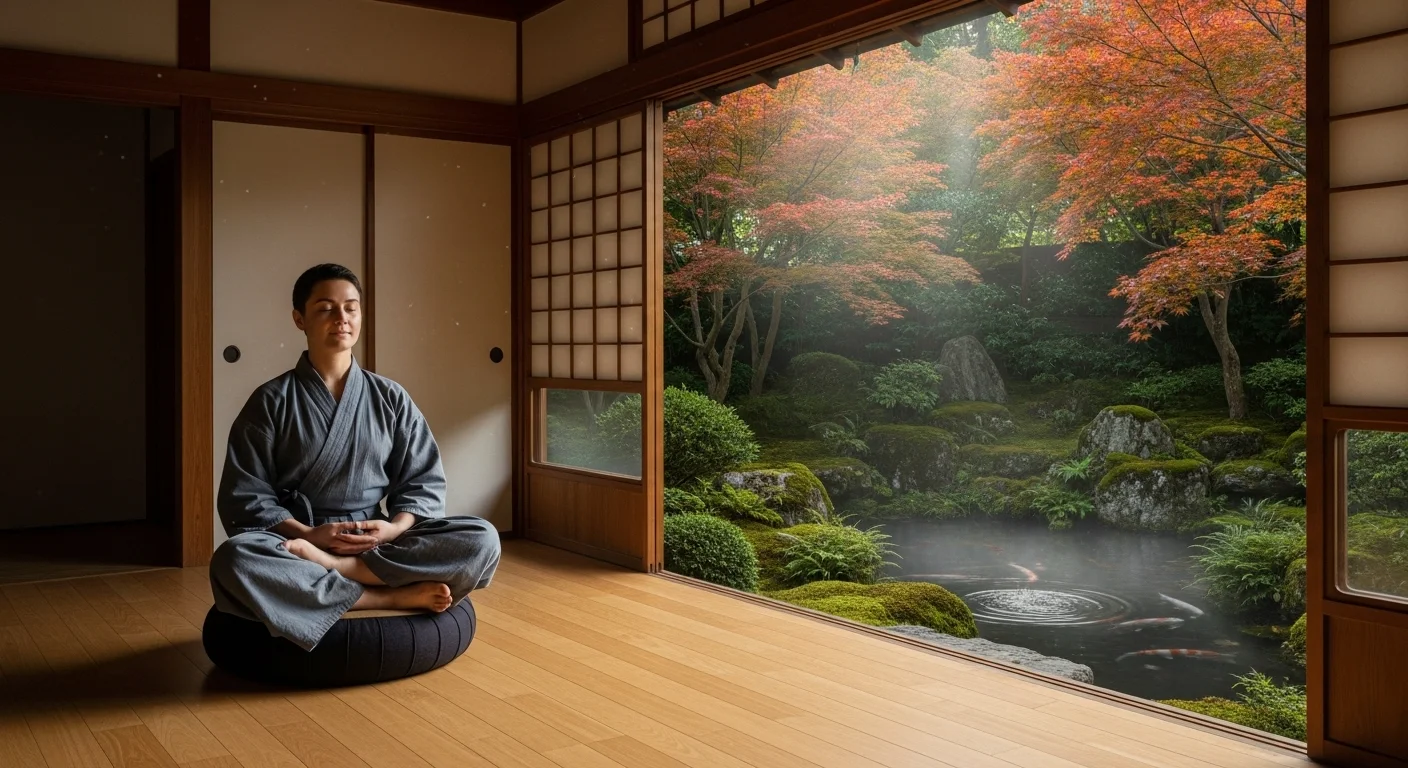
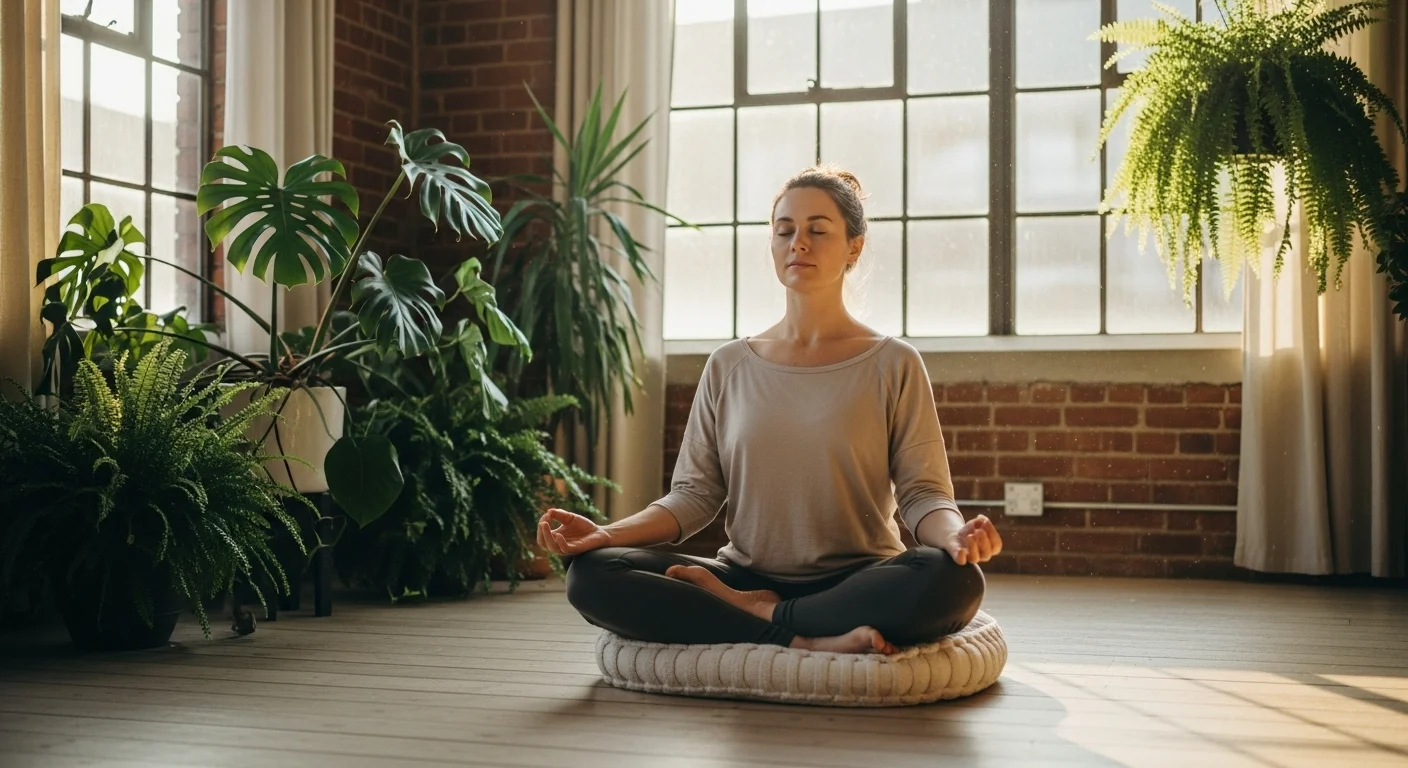
Mindfulness breathing is a mental practice where you focus your attention on the flow of your breath. You observe the inhalation and exhalation without trying to change the rhythm. This technique keeps the mind focused on the current moment.
Practitioners sit quietly and notice physical sensations. They feel air entering the nostrils or the chest rising. The goal is not to control the breath but simply to notice it. If the mind wanders, they return focus to breathing.
This method is a fundamental part of meditation. It trains awareness and helps regulate emotional responses. By concentrating on the breath cycle, individuals interrupt automatic thought patterns. This creates a state of mental clarity and reduced physical tension.
How Breathing Affects the Nervous System
The autonomic nervous system controls involuntary body functions, including heart rate and digestion. Breathing patterns send direct signals to this system. Fast and shallow breaths trigger the sympathetic nervous system, which activates the body’s fight or flight response to stress.
Slow and deep breathing stimulates the vagus nerve. This action activates the parasympathetic nervous system, which is responsible for rest and digestion. Consequently, your heart rate decreases, muscles relax, and blood pressure lowers to promote a state of calm.
You can consciously regulate your nervous system by altering how you breathe. Extending the exhalation specifically signals safety to the brain. This physiological mechanism allows you to reduce anxiety and regain physical control during moments of high tension or stress.
Step-by-Step Instructions for Practice
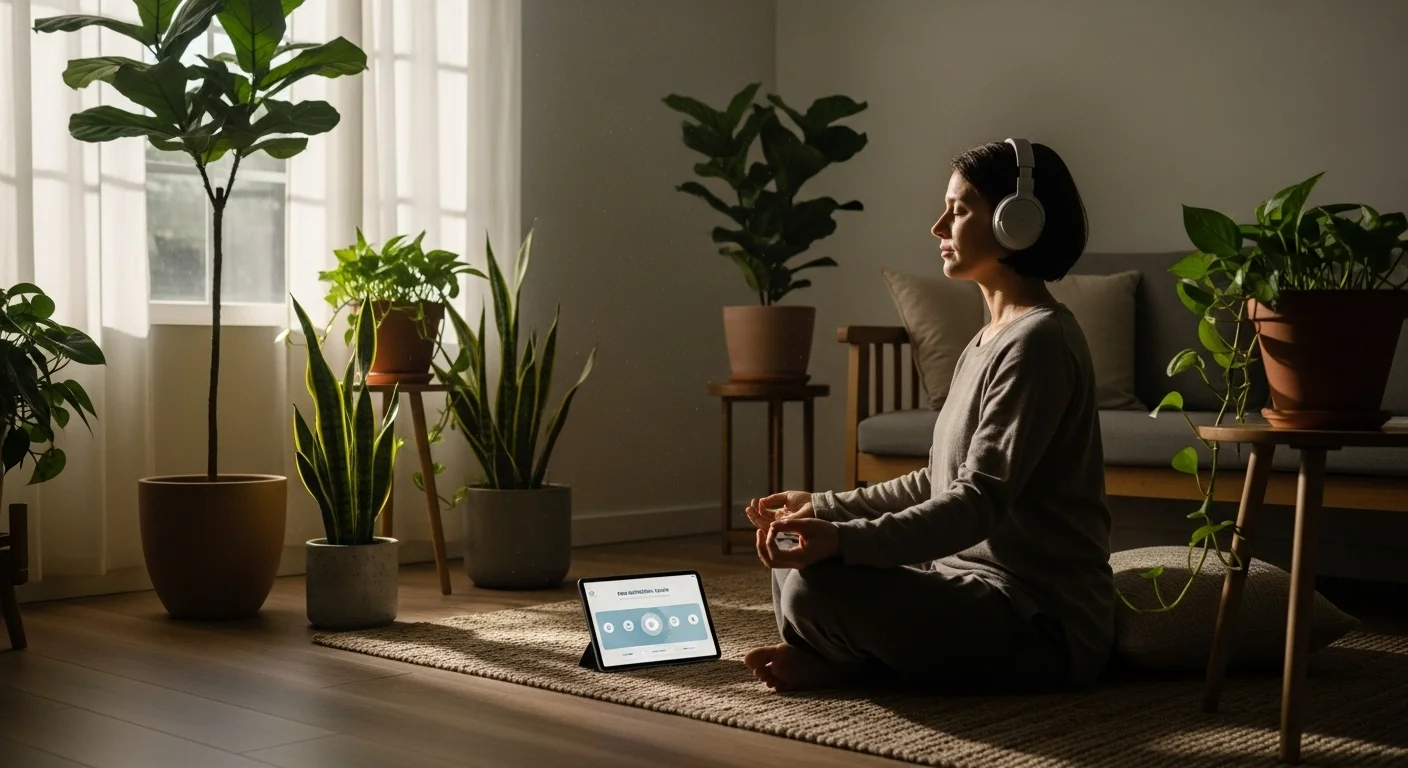
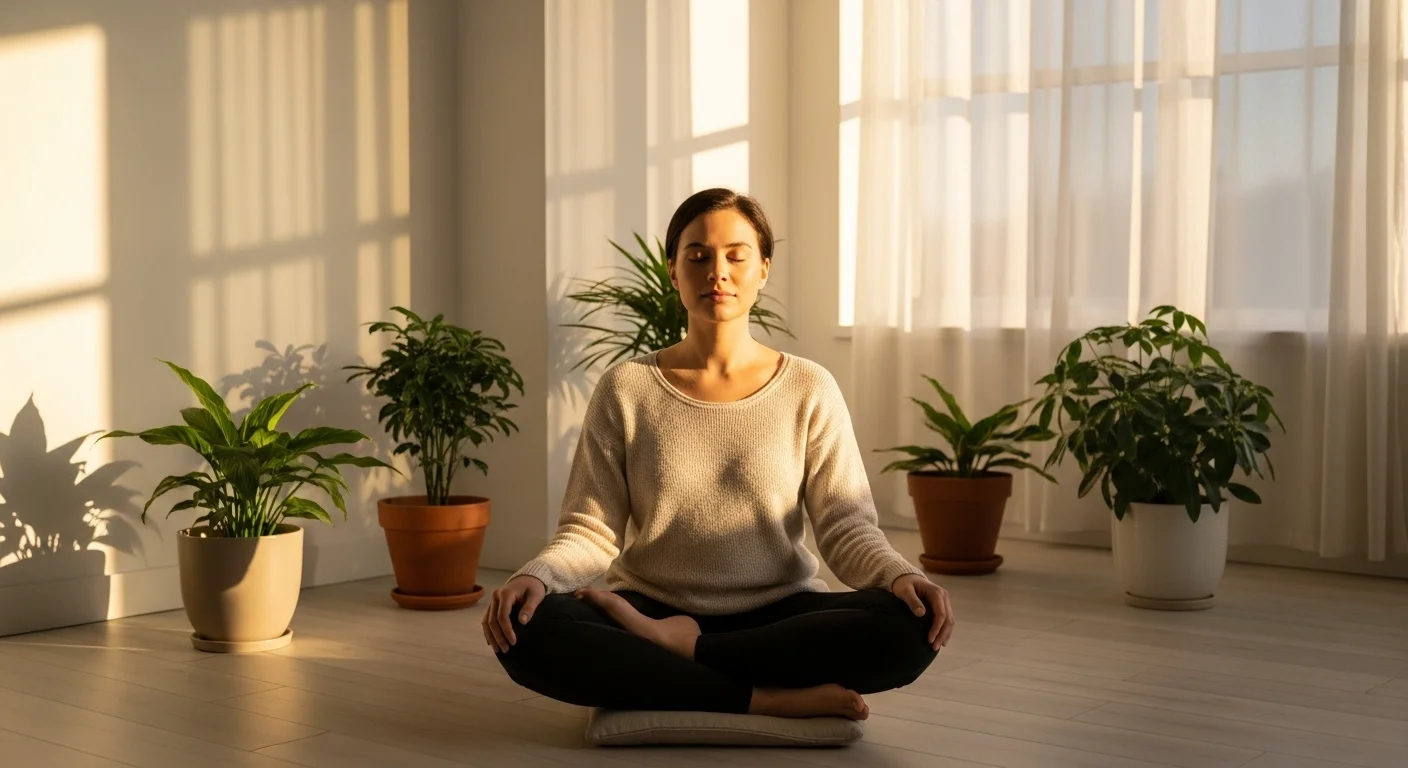
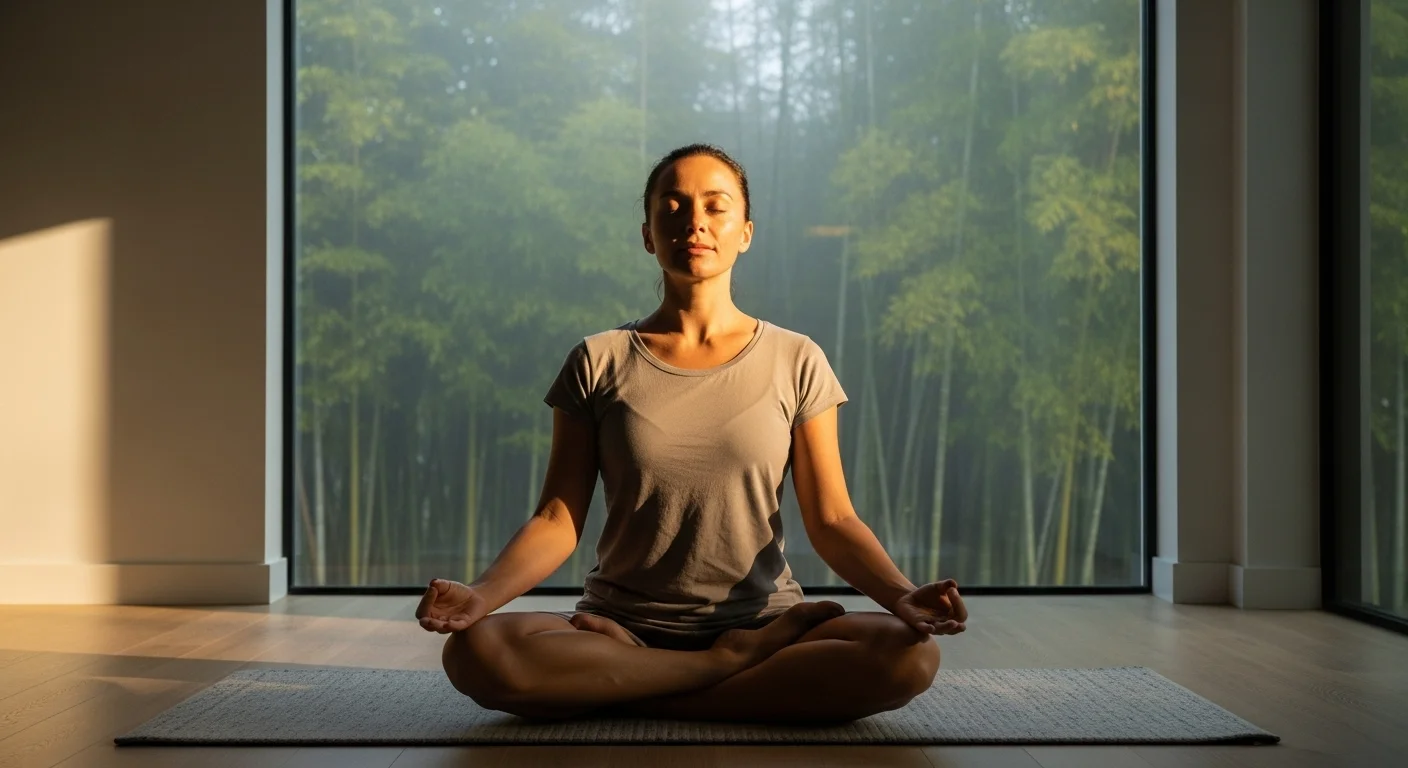
Find a quiet location to sit comfortably. You can use a chair or sit on the floor. Keep your back straight to maintain an alert posture. Place your hands on your knees and close your eyes. This position helps you focus on the exercise.
Direct your attention to your natural breath. Inhale slowly through your nose and feel the air fill your lungs. Notice your chest or abdomen rise. Exhale gently through your nose or mouth. Do not force the breath; simply let it flow naturally.
If your mind wanders, acknowledge the distraction without judgment. Gently return your focus to the sensation of breathing. Continue this cycle for five to ten minutes. When the time is up, open your eyes and remain seated for a moment before standing.
Primary Benefits for Mental Health
Mindfulness breathing directly impacts the nervous system. It activates the parasympathetic response, which lowers heart rate and blood pressure. This process reduces levels of cortisol in the body. Consequently, individuals experience a decrease in immediate stress and chronic anxiety symptoms.
Regular practice improves cognitive function and attention span. Focusing on the breath trains the brain to ignore distractions. This leads to better concentration on daily tasks. Additionally, it helps regulate emotions by creating space between a stimulus and a reaction.
This technique also supports better mood stability. Studies show that mindfulness breathing decreases symptoms of depression. It stops negative thought loops by grounding thoughts in the present moment. This promotes a neutral mental state and improves overall psychological well-being.
Common Challenges and Solutions
Many practitioners experience a wandering mind during breathing exercises. This loss of focus is a normal part of the process. When thoughts drift away from the breath, simply acknowledge the distraction without judgment. Gently return your attention to the rhythm of inhaling and exhaling.
Physical discomfort or restlessness often occurs when sitting for long periods. You do not need to maintain a rigid posture to practice effectively. If you feel pain, adjust your position to improve support. Beginners should start with short sessions to build tolerance gradually.
Some individuals feel frustration when relaxation does not happen immediately. Mindfulness breathing aims to observe the present moment rather than force a specific state. Consistency matters more than the duration of the practice. Regular attempts will yield better results over time than sporadic efforts.
Establishing a Daily Breathing Routine
To build a habit, you should choose a specific time every day for your practice. Morning hours or evenings are often best for consistency. Select a quiet location where distractions are minimal. This helps your brain associate the space with relaxation.
Start with short sessions to avoid feeling overwhelmed by the process. Five minutes is a sufficient duration for beginners to learn the techniques. You can gradually increase the time as you become more comfortable with the exercises and the routine.
Set an alarm on your phone to remind you to practice at your chosen time. You can also use a journal to track your progress and consistency. Regular tracking helps you identify patterns and maintains your commitment to the schedule.