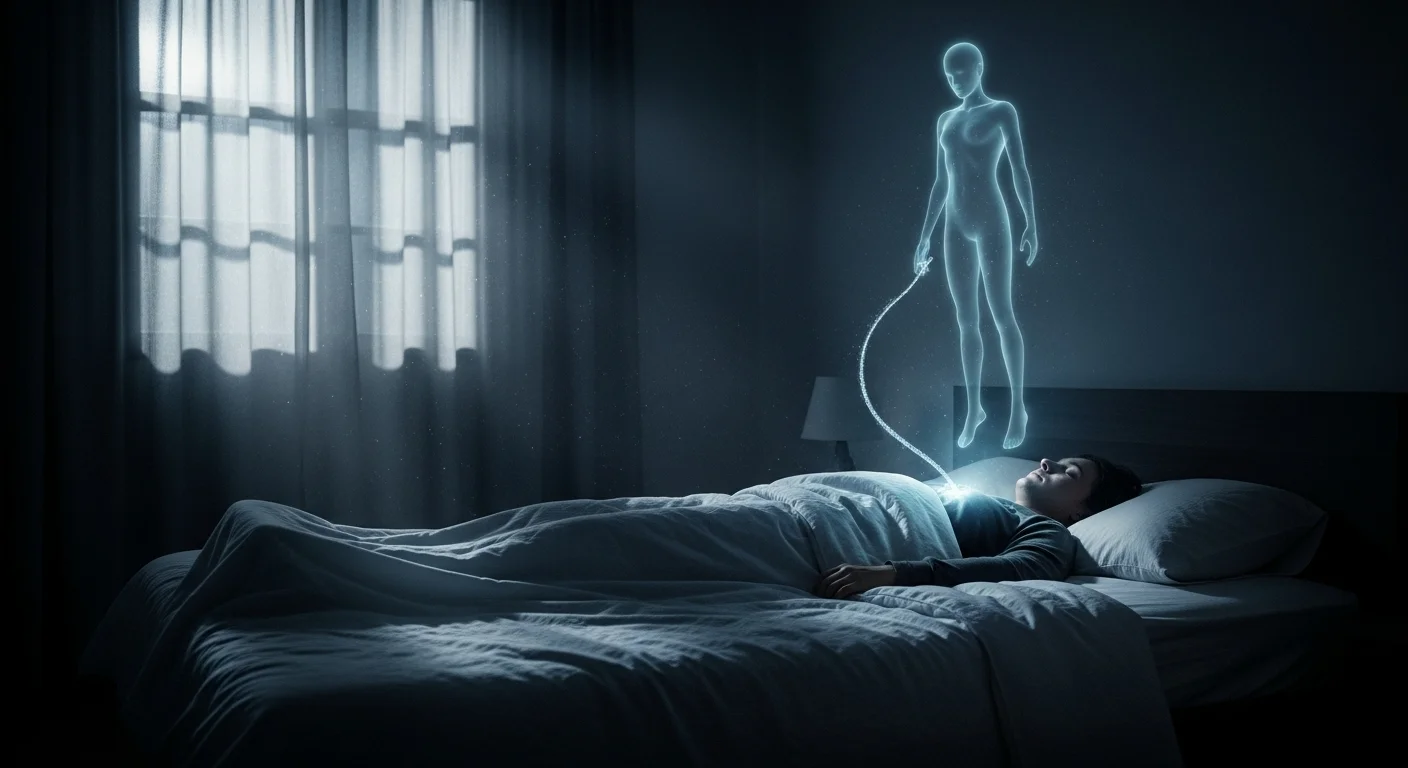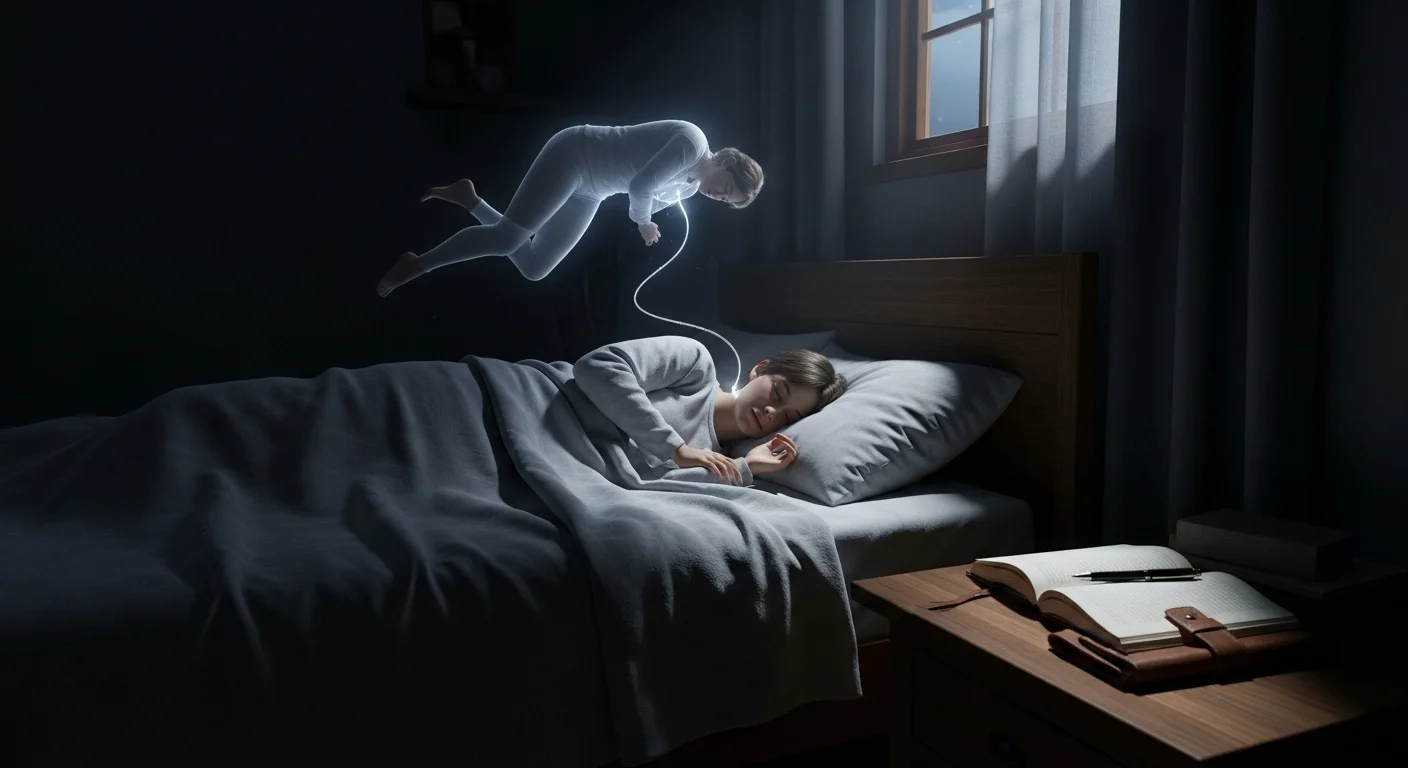

Floating sensations in dreams occur when an individual perceives a state of weightlessness or levitation. The dreamer feels their body lift off the ground without any physical effort or external mechanical aid. This experience often involves a separation from the floor or bed, allowing the person to hover in mid-air. The sensation ranges from drifting slightly above a surface to soaring at high altitudes. It is distinct from flying because it usually lacks active propulsion or controlled movement.
This phenomenon is classified as a specific type of sensory hallucination related to body position. The brain constructs a feeling of movement or suspension despite the physical body remaining stationary during sleep. This process involves the vestibular system, which manages balance, and proprioception, which tracks body placement. In the dream state, the lack of external sensory feedback allows the mind to generate these internal perceptions. The result is a realistic feeling of defying gravity while the body rests.
These sensations frequently happen during Rapid Eye Movement sleep or the transition between wakefulness and sleep. Researchers often associate the feeling of floating with the onset of sleep paralysis or lucid dreaming episodes. During these phases, the muscles enter a state of atonia, meaning they are temporarily paralyzed to prevent acting out dreams. The brain interprets this lack of muscle tension and sensory input as a sensation of lightness. Consequently, the dreamer perceives themselves as drifting freely.
Connection to Sleep Paralysis and REM Atonia
Rapid Eye Movement (REM) sleep is the stage where most dreaming occurs. During this phase, the brain sends signals to the muscles to prevent voluntary movement. This physiological process is called REM atonia. It acts as a safety mechanism to stop the physical body from acting out dream narratives. When this system works correctly, the brain is active while the body remains paralyzed. This disconnect creates a distinct physical state that influences sensory perception within the dream environment.
Sleep paralysis happens when a person wakes up but REM atonia remains active. The mind becomes conscious, but the body remains unable to move. During this state, the brain creates hallucinations to explain the lack of sensory input from the muscles. The vestibular system, which controls balance and spatial orientation, often misinterprets these signals. Without feedback from the limbs or gravity, the brain may perceive the body as hovering, flying, or floating above the bed.
This sensory conflict is the primary cause of floating sensations during these episodes. The motor cortex sends commands to move, but the paralyzed muscles do not respond. The brain resolves this error by generating a sensation of movement without physical resistance. This results in the specific feeling of weightlessness or levitation. Unlike normal dreams, these experiences feel very realistic because the person is partially awake. This phenomenon links physiological paralysis directly to the hallucination of floating.
Impact of the Vestibular System on Balance
The vestibular system serves as the primary mechanism for detecting motion and maintaining equilibrium. Located in the inner ear, it comprises semicircular canals and otolith organs that contain fluid and hair cells. When the head moves, the fluid shifts and stimulates the cells to send nerve impulses to the brain. The brain uses this data to coordinate eye movements and muscle adjustments. This process ensures the body remains upright and stable during physical activities in the waking state.
During rapid eye movement sleep, external sensory input decreases significantly. Despite this reduction, the vestibular system can spontaneously generate signals or react to minor physiological changes. The brain receives these signals without corroborating information from vision or the proprioceptive system. In the waking state, vision confirms movement, but sleep eliminates this visual reference. Consequently, the brain must interpret isolated vestibular activity without the usual context provided by the other sensory systems that usually track physical position.
The interpretation of these isolated signals often results in illusions of movement. Because the muscles are paralyzed during this stage of sleep, the body does not feel the usual force of gravity. The brain synthesizes the random vestibular activation and the lack of physical resistance into a coherent narrative. This synthesis often produces the specific sensation of floating or levitation. The dreamer perceives motion through space because the vestibular cortex is active while the systems for physical grounding are dormant.
Relationship Between Floating and Lucid Dreaming
Lucid dreaming occurs when a person becomes aware that they are dreaming while the dream is still happening. A sensation of floating or flying is a common trigger for this state of awareness. The brain detects a conflict between the physical body’s sensory input and the dream narrative. Since floating is impossible in the waking world, the dreamer questions their reality. This reality check often leads to the sudden realization that the experience is a dream.
Experienced lucid dreamers frequently use floating as a method to control the dream environment. Once the dreamer establishes lucidity, they may consciously decide to levitate or fly. This action engages specific areas of the brain associated with motor control and spatial navigation. Research suggests that the sensation of movement without physical muscle activity stimulates the vestibular system. This process helps the dreamer maintain focus and prevents them from waking up prematurely or losing their lucidity.
The connection between floating and lucid dreaming also involves the transition between wakefulness and sleep. This state is sometimes associated with sleep paralysis or out-of-body experiences. During this transition, the body creates strong vestibular hallucinations distinct from visual dreams. Techniques used to induce lucid dreams directly from a waking state often rely on these sensations. The dreamer observes the feeling of floating out of their body to enter the dream state without losing consciousness.
Psychological States and Anxiety Levels
Research suggests that high levels of daily stress directly influence dream content. When an individual experiences significant anxiety during waking hours, their brain remains hyperactive during sleep. This state often leads to vivid dreams where physical laws appear distorted. A common manifestation of this tension is the sensation of weightlessness. This occurs because the brain processes emotional distress by creating scenarios where the dreamer feels detached. The resulting experience is a feeling of floating away from the physical body.
Psychologists often link floating dreams to a feeling of losing control in real life. If a person feels overwhelmed by responsibilities, their subconscious may project this as physical drifting without direction. The floating sensation represents a lack of stability in their daily routine. Additionally, this experience functions as a form of dissociation. The mind attempts to distance itself from sources of stress. Consequently, the dreamer perceives themselves as hovering above the ground to escape immediate psychological pressure.
Anxiety levels also impact the physiological stages of sleep, specifically Rapid Eye Movement cycles. High stress can cause minor interruptions in the body’s natural sleep paralysis. When the brain is partially alert due to anxiety, it misinterprets internal signals from the vestibular system. This system controls balance and spatial orientation. If the mind is agitated, it fails to integrate these signals correctly. This processing error results in the convincing physical hallucination of levitating or floating in the air.
Neurological Basis of Out-of-Body Experiences
Scientists have identified specific brain regions that generate out-of-body experiences. The primary area involved is the temporoparietal junction. This region integrates sensory information from the visual, auditory, and somatosensory systems. When this area functions correctly, you perceive the world from within your physical body. However, electrical stimulation or dysfunction in this specific neural network can disrupt the integration of sensory data. This disruption causes the brain to create a false perception of self-location.
The vestibular system also plays a crucial role in these sensations. This system resides in the inner ear and manages balance and spatial orientation. During sleep, the brain limits external sensory input to maintain the dream state. If the vestibular cortex activates without corresponding physical movement, a sensory conflict occurs. The brain attempts to resolve this mismatch by generating a sensation of floating or drifting. This process explains why flight occurs frequently during vivid dreaming.
Neural mechanisms associated with Rapid Eye Movement sleep can trigger these events. During this phase, the brainstem induces muscle atonia to prevent physical acting out of dreams. Sometimes, the mind wakes up while the body remains paralyzed. The motor cortex sends signals to move, but the muscles do not respond. The parietal lobes interpret this lack of feedback as a separation from the physical form. This neurological error results in the convincing hallucination of leaving the body.
our next step
If you already understand what astral projection is and you’re looking for practices that truly work, this e-book presents 35 tested techniques to induce out-of-body experiences. Each technique is explained clearly and directly, allowing you to choose the method that best fits your routine and level of awareness.
This material is ideal for those who want to apply objective and varied methods, speeding up the process of conscious out-of-body projection. It works for both beginners and practitioners who have already had experiences and want to expand their possibilities. This is a practical guide for anyone who wants consistent results.
If you are taking your first steps and want to understand the fundamentals of astral projection with clarity, this manual was created to make your learning easier. In it, you will find clear explanations about the subtle bodies, the stages of projection, the most common sensations, and how to deal with fear and mental blocks.
This e-book is recommended for anyone who needs a solid and safe foundation to start practicing with confidence. It organizes the concepts in a progressive way, helping you understand the process as a whole and develop a consistent and conscious practice.

For those who want more complete and in-depth guidance, the complete astral projection course offers structured lessons, guided practices, visualizations, advanced techniques, and ongoing support. The content was designed to take you from theory to practice with safety and consistency.
This course is suitable for all levels, from beginner to advanced, and provides a systematic approach based on years of research, experience, and proven results. You will learn how to awaken your potential, gain control of your experiences, and integrate spiritual insights into your daily life.