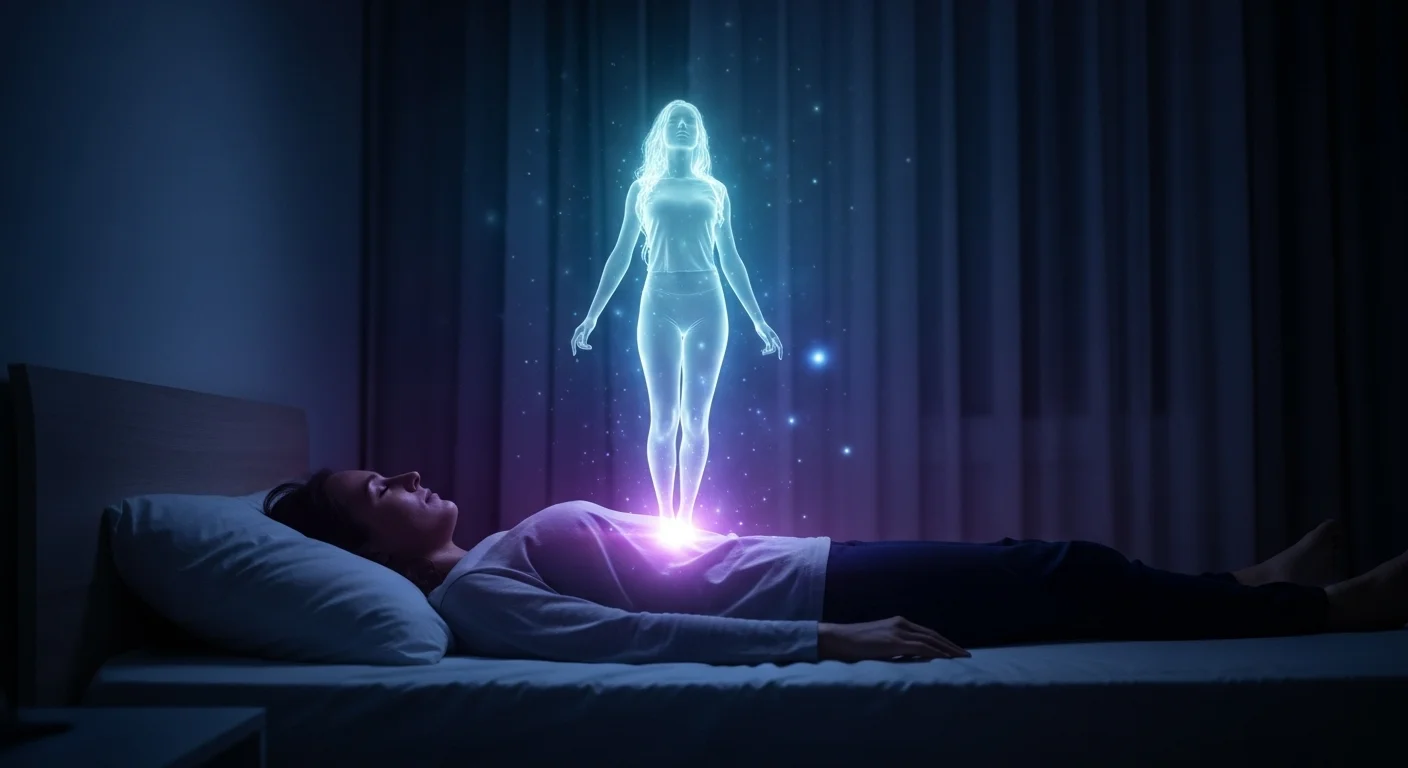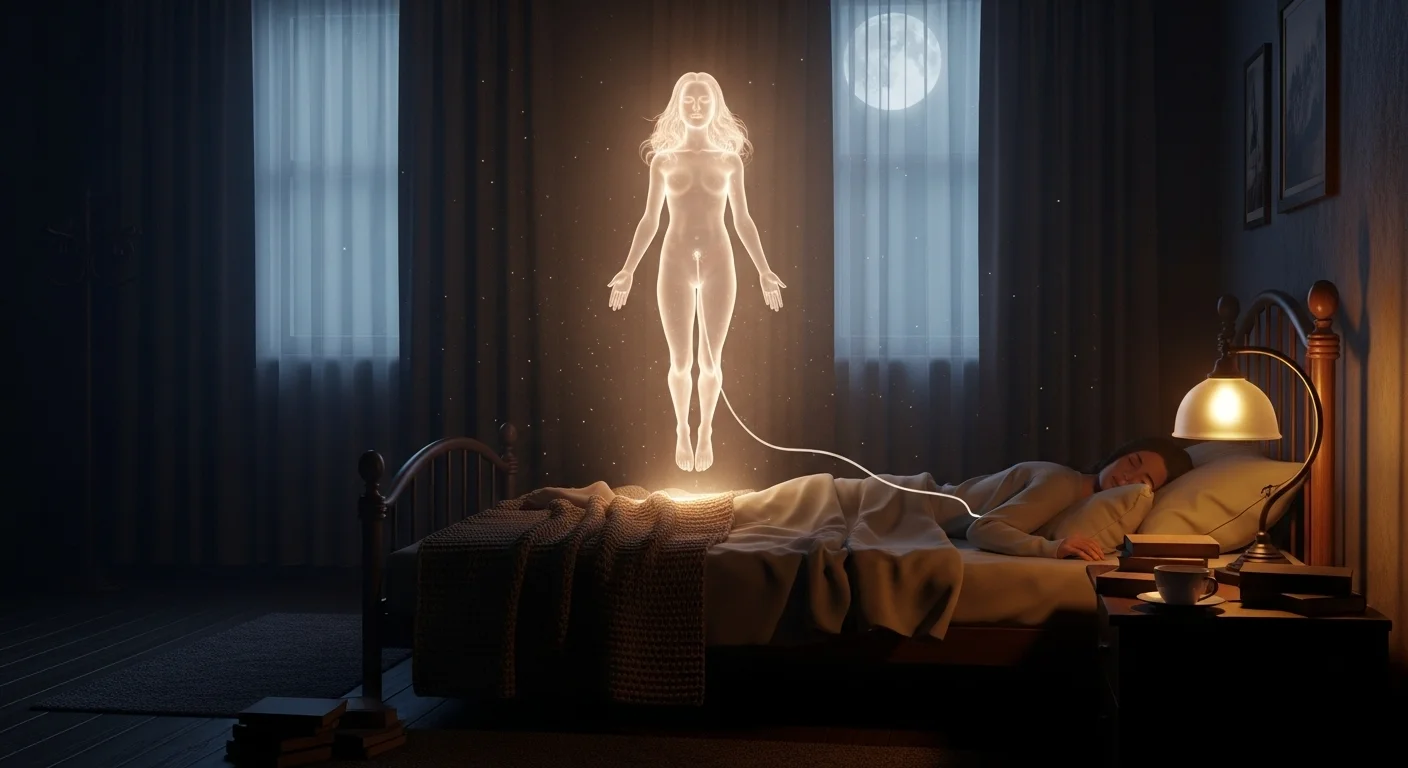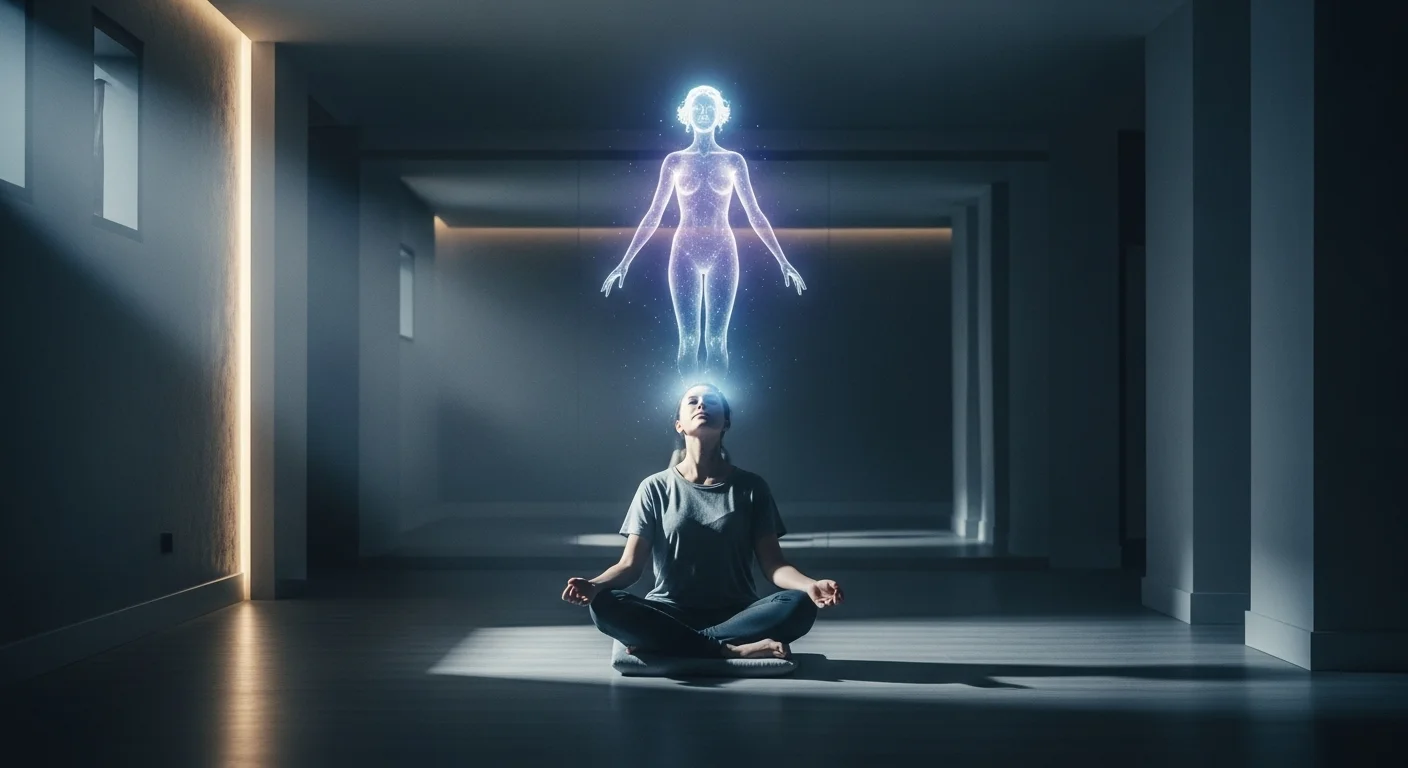
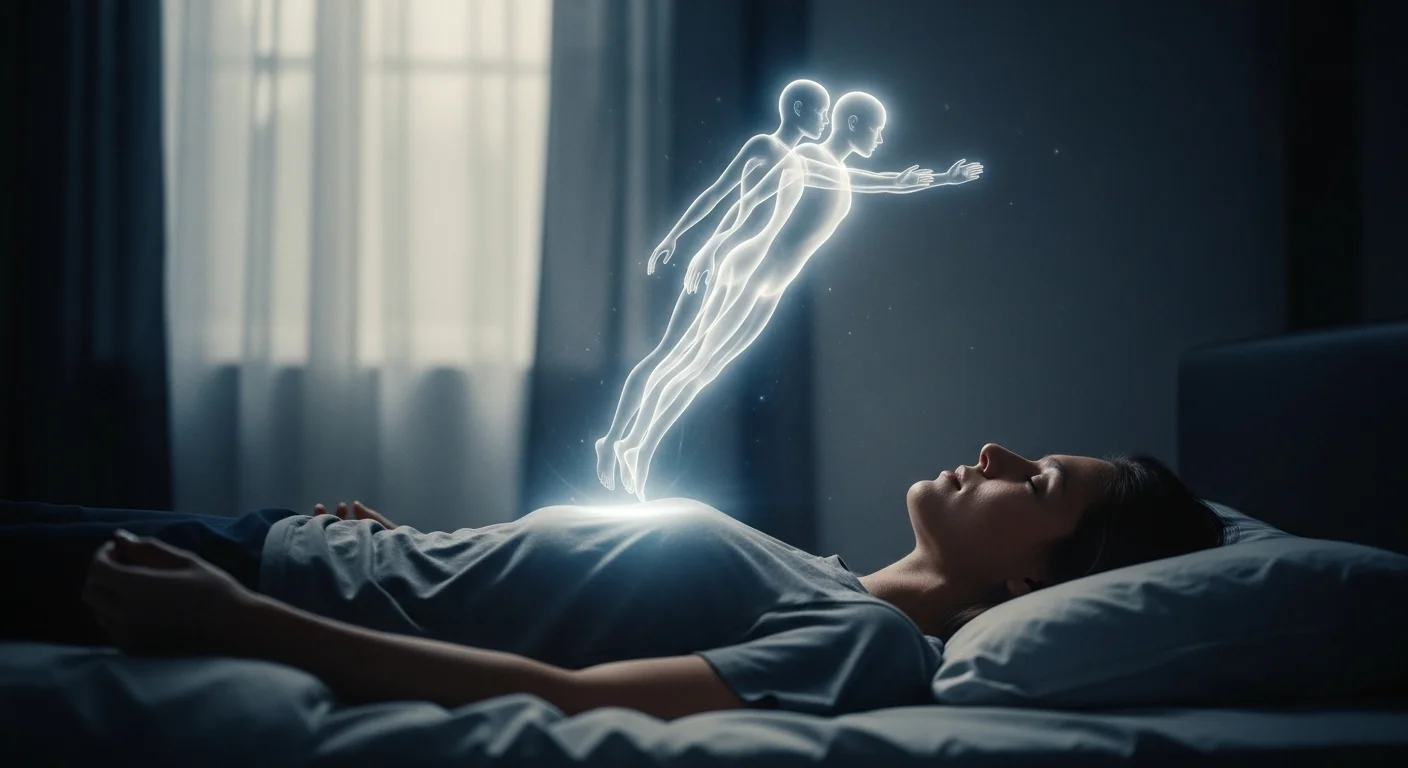
Astral projection requires a specific state where the physical body falls asleep but the mind remains alert. This state cannot happen if the muscles are tense. Physical tension keeps your focus on the physical environment and bodily sensations. You must consciously relax every muscle group to disconnect your awareness from physical signals. When the body is completely relaxed, the brain lowers its electrical activity. This shift allows consciousness to move away from physical reality.
Deep relaxation also serves a vital function for the energy body. Stress and anxiety consume a large amount of mental energy. You need this energy to project your consciousness outside of the physical form. If the mind is active with daily worries, it creates a barrier to separation. A calm mind allows the vibrational state to occur naturally. Without this deep mental and physical calmness, the energetic body remains too tightly bonded to the physical cells.
The actual separation process depends entirely on the level of relaxation you achieve. Practitioners often fail because they hold subtle tension in the jaw, neck, or shoulders. This minor tension sends signals to the brain that the body is still active. These signals prevent the onset of sleep paralysis, which is often a precursor to projection. You must reach a point where you no longer feel your physical body. Only then can the astral body separate successfully.
How Breathing Affects the Nervous System
The autonomic nervous system controls involuntary functions like heart rate and digestion. It divides into two main branches: the sympathetic system and the parasympathetic system. The sympathetic branch prepares the body for stress and action. The parasympathetic branch manages rest and recovery. Breathing acts as a mechanical switch between these two systems. Rapid breaths trigger the stress response. Slow and deep breaths activate the relaxation response. This biological connection allows you to manually regulate your physical state.
Deep breathing specifically stimulates the vagus nerve. This long nerve connects the brain to the heart and stomach. When you lengthen your exhalation, the vagus nerve signals the brain to lower blood pressure. The body then releases acetylcholine. This neurotransmitter acts to slow the heart rate and relax muscle fibers. This physiological shift moves the body out of a defensive mode. The resulting lack of tension is necessary for the deep physical relaxation required for projection.
Controlled respiration also impacts electrical activity in the brain. Shallow breathing keeps the brain in a Beta state. This high frequency creates alertness and active thought. Rhythmic breathing shifts brainwaves into Alpha and Theta patterns. These slower frequencies occur during deep meditation and early sleep stages. Stabilizing the nervous system through breath is crucial for the separation process. It allows the mind to maintain awareness while the physical body falls asleep.
Essential Breathing Techniques for Beginners
The first step in astral projection involves calming the physical body. A simple method is diaphragmatic breathing. You lie down on a flat surface and place a hand on your stomach. You inhale slowly through your nose and push your abdomen outward. You hold this breath for a few seconds before you exhale through your mouth. This action reduces your heart rate and signals your nervous system to relax. It prepares your mind for the separation process.
Beginners often find success with the four-seven-eight technique. You start by emptying your lungs of air completely. Then you breathe in quietly through the nose for a count of four. You hold the breath for a count of seven. Finally, you exhale forcefully through the mouth for a count of eight. You repeat this cycle four times. This specific pattern forces your mind to focus on counting. It prevents distractions and deepens the state of physical relaxation.
You must eventually shift from active control to passive observation. After you complete the breathing exercises, you let your breath return to a natural rhythm. You keep your attention on the sensation of air moving in and out. You do not try to alter the speed or depth of the breath at this stage. This steady focus helps you remain conscious while your body falls asleep. This state is necessary to initiate the astral projection experience successfully.
Methods to Achieve Deep Physical Relaxation
Progressive Muscle Relaxation is a systematic technique used to reduce physical tension. You start by tensing a specific muscle group, such as your feet, for a few seconds. Then, you release the tension suddenly and observe the feeling of relaxation. You repeat this process for every muscle group in your body, moving upward from your toes to your head. This method helps you identify areas of stress and promotes a state of total physical calmness necessary for projection.
Another effective method involves a mental body scan combined with autogenic training. You lie down in a comfortable position and close your eyes. You focus your attention on individual body parts without moving them. You mentally repeat a phrase suggesting heaviness or warmth, such as “my right arm is heavy.” You continue this practice throughout the entire body. This technique slows down your heart rate and disconnects your mind from physical sensations, which aids the separation process.
Controlled breathing exercises effectively induce deep physical relaxation by regulating your nervous system. The 4-7-8 technique requires you to inhale quietly through your nose for four seconds. You hold your breath for seven seconds. Then, you exhale completely through your mouth for eight seconds. Repeating this cycle forces the body to relax. This physiological shift lowers blood pressure and prepares the physical body to enter a sleep state while the mind remains awake.
Managing Heart Rate Through Controlled Breathing
The autonomic nervous system controls your heart rate and breathing patterns. These two functions share a direct physiological link that you can utilize. When you inhale, your heart rate naturally increases by a small amount. When you exhale, your heart rate decreases. You can manipulate this relationship to induce a physical state suitable for astral projection. By deliberately slowing down your exhalation, you stimulate the parasympathetic nervous system. This action signals your body to relax and lowers your beats per minute effectively.
You can apply specific rhythmic breathing techniques to stabilize a racing heart. A common method involves inhaling for four seconds and exhaling for eight seconds. This ratio extends the duration of the heart-slowing phase of the breath cycle. Focusing on a long and slow exhalation forces the heart muscle to beat at a more rhythmic and calm pace. This control prevents the rapid acceleration that often occurs during the vibrational stage of astral projection.
Maintaining a low heart rate allows the physical body to enter a state of deep rest. This physical dormancy is necessary for the mind to remain alert while the body falls asleep. If the heart rate spikes due to excitement or fear, the physical senses reactivate immediately. This physiological arousal breaks the trance state required for separation. Consistent control over your pulse creates a stable foundation for a successful and conscious out-of-body experience.
Maintaining Awareness During the Relaxation Process
The primary goal during the relaxation phase is to keep your mind alert while your body falls asleep. Many practitioners fall asleep completely because they lose focus as physical tension disappears. You must monitor your mental state continuously to prevent unconsciousness. Focus your attention on a specific point, such as your breathing pattern or a simple mental image. This specific focus keeps your consciousness active even as your heart rate slows and your muscles become completely limp.
You should adopt an attitude of passive observation toward your thoughts during this process. Do not analyze stray thoughts or engage with internal dialogue, as this increases mental activity too much. Simply notice these thoughts and let them pass without judgment. If you engage too deeply with a thought, you break the relaxation state. If you drift into a dream, gently return your focus to your breathing. This balance prevents the mind from wandering while allowing the body to rest.
As you maintain this awareness, you will notice distinct changes in your perception. You may hear buzzing sounds or feel vibrations throughout your body. These sensations indicate that you are entering the correct state for astral projection. Do not react with fear or excitement, as strong emotions will wake your physical body. Remain calm and observe these sensations objectively. This state confirms that your mind is awake and ready to separate, while your body remains in deep relaxation.
Your next step
If you already understand what astral projection is and you’re looking for practices that truly work, this e-book presents 35 tested techniques to induce out-of-body experiences. Each technique is explained clearly and directly, allowing you to choose the method that best fits your routine and level of awareness.
This material is ideal for those who want to apply objective and varied methods, speeding up the process of conscious out-of-body projection. It works for both beginners and practitioners who have already had experiences and want to expand their possibilities. This is a practical guide for anyone who wants consistent results.
If you are taking your first steps and want to understand the fundamentals of astral projection with clarity, this manual was created to make your learning easier. In it, you will find clear explanations about the subtle bodies, the stages of projection, the most common sensations, and how to deal with fear and mental blocks.
This e-book is recommended for anyone who needs a solid and safe foundation to start practicing with confidence. It organizes the concepts in a progressive way, helping you understand the process as a whole and develop a consistent and conscious practice.
For those who want more complete and in-depth guidance, the complete astral projection course offers structured lessons, guided practices, visualizations, advanced techniques, and ongoing support. The content was designed to take you from theory to practice with safety and consistency.
This course is suitable for all levels, from beginner to advanced, and provides a systematic approach based on years of research, experience, and proven results. You will learn how to awaken your potential, gain control of your experiences, and integrate spiritual insights into your daily life.