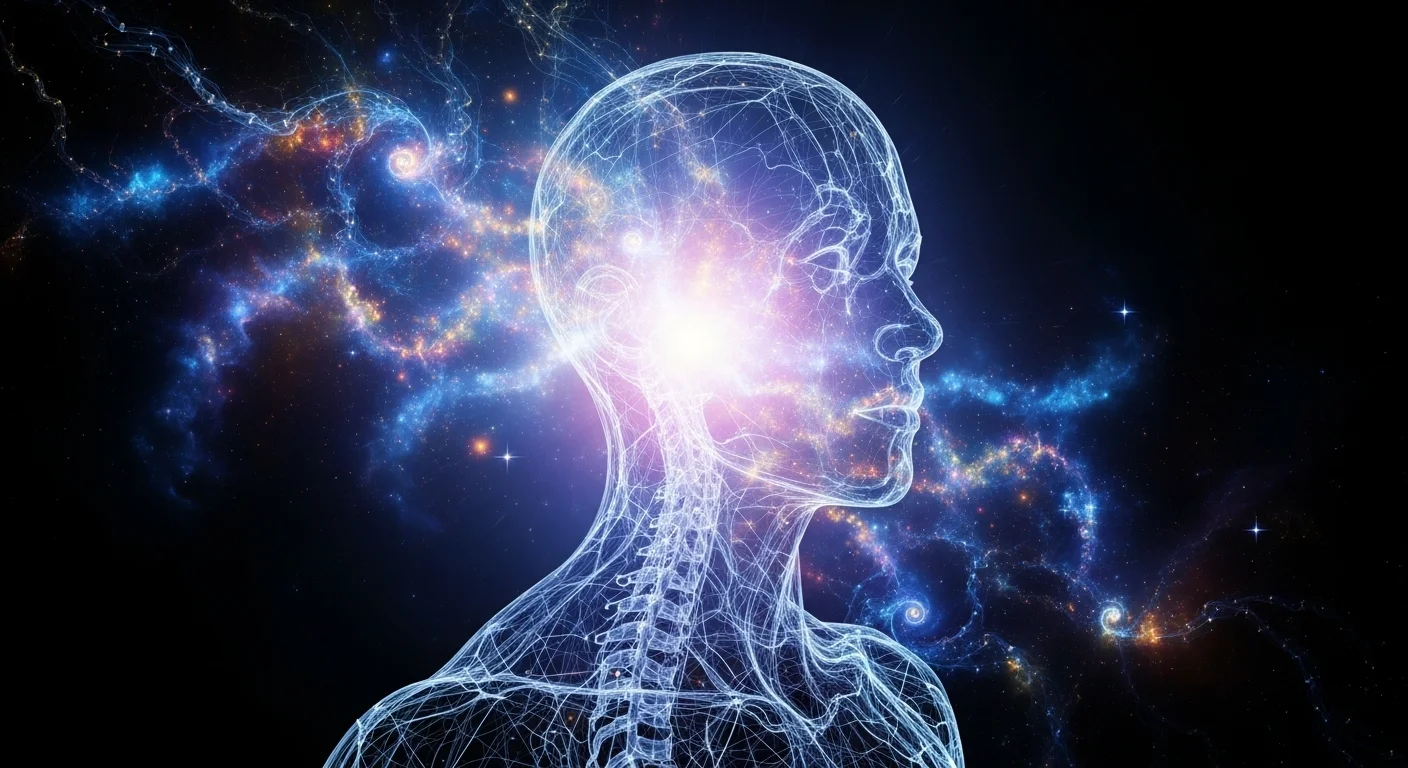
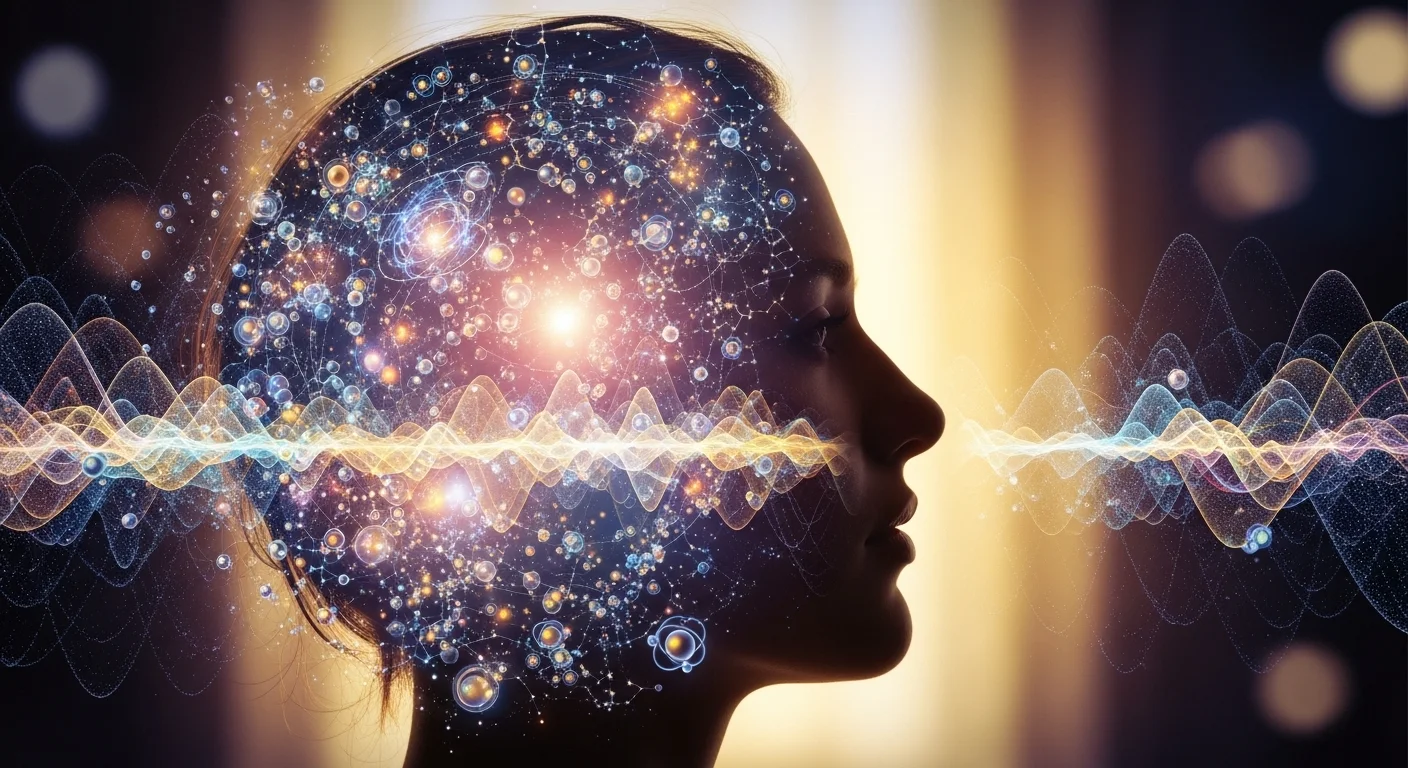
Quantum healing is a form of alternative medicine. It suggests that the mind can heal the body by influencing energy at a quantum level. Practitioners believe that thoughts interact with matter. This approach combines ideas from quantum physics with Eastern spiritual practices to promote physical recovery.
Consciousness refers to the state of being aware of one’s surroundings and internal thoughts. In this context, it involves the subjective experience of the mind. Scientists study it as a product of brain activity, while some theories suggest it exists independently of the physical body.
The connection between these concepts relies on the observer effect. This principle implies that observation changes a physical system. Proponents argue that conscious intention directs energy to repair cells. Consequently, this theory proposes that mental focus creates physical changes within the biological structure of the body.
Basic Principles of Quantum Mechanics in Health
Quantum mechanics studies the behavior of matter and light at the atomic and subatomic levels. This field suggests that all matter, including the human body, consists of vibrating energy fields. Health practitioners use this concept to understand how energy interactions affect physical cells and biological systems.
A central principle is the observer effect, which states that observation changes the outcome of a phenomenon. In health contexts, this implies that conscious attention acts upon biological processes. Additionally, quantum entanglement suggests that particles remain connected and communicate instantly across distances within the human system.
These theories propose that the body operates beyond simple chemical reactions. Researchers examine biofields to see how frequencies impact cellular function and recovery. Understanding these subatomic mechanisms provides a framework for how the physical body maintains balance and repairs itself after injury or disease occurs.
The Connection Between Thoughts and Physical Reality
Quantum physics suggests that the observer affects the observed reality. This concept implies that human consciousness plays a role in shaping physical matter. Researchers study how focused intention changes the state of subatomic particles during experiments. This indicates a fundamental link between mental states and matter.
Thoughts trigger specific chemical reactions within the human brain. These chemicals signal the body to alter functions such as heart rate and immune response. Stressful thoughts release cortisol, while positive thoughts release dopamine. This process demonstrates how mental activity converts directly into measurable physical changes.
Proponents of quantum healing argue that changing thought patterns alters energy fields. They believe this realignment promotes physical recovery from illness. Studies continue to examine if directing consciousness toward specific outcomes influences biological systems. Evidence suggests that belief impacts the efficiency of medical treatments.
Common Techniques in Quantum Healing Practices
Practitioners often use meditation to reach a specific state of mind. This process involves clearing thoughts and focusing attention on the present moment. The goal is to alter brain wave patterns to facilitate physical changes. Many sessions start with deep breathing exercises to relax the body.
Another common method involves light touch or non-physical energy manipulation. The healer places hands near the body to address energy imbalances. This technique aims to adjust the flow within the energetic field. The practitioner attempts to transfer specific frequencies to the client during the session.
Distance healing constitutes a frequent practice in this field. Practitioners believe that physical proximity is not necessary for results. They focus specific intentions on the client from a remote location. This approach relies on the concept of non-local connection between the observer and the subject.
Scientific Perspectives on Energy Medicine
Conventional science often views the body as a biochemical system. However, researchers are studying the biofield, which is a field of energy and information that regulates the organism. Instruments like the electroencephalogram measure these electrical activities to understand how energy impacts health and bodily function.
Quantum physics suggests that matter and energy are interchangeable at atomic levels. Scientists investigate how subatomic particles within cells interact through non-local connections. This research attempts to explain how intention and consciousness might influence physical matter, providing a theoretical framework for various energy healing modalities.
Clinical studies currently examine the effects of therapies like Reiki and therapeutic touch. While some results show pain reduction and stress relief, critics often attribute these outcomes to the placebo effect. Rigorous peer-reviewed trials continue to evaluate whether these energy interventions produce measurable physiological changes.
Criticisms and Limitations of Quantum Therapy
Most scientists classify quantum healing as pseudoscience. They argue that the methods rely on misinterpretations of known quantum physics principles. Researchers have not found sufficient empirical evidence to support the claim that human consciousness directly alters physical reality through quantum mechanisms in medical settings.
Medical experts suggest that positive results from quantum therapy often stem from the placebo effect. Patients feel better because they believe the treatment works, not because of energy manipulation. This psychological response can temporarily relieve symptoms but does not cure underlying physiological diseases or conditions.
A significant limitation involves the risk of delaying necessary medical care. Individuals might choose alternative quantum methods instead of proven treatments for serious illnesses like cancer. This decision can lead to disease progression and worse health outcomes because the alternative therapy lacks verified biological efficacy.