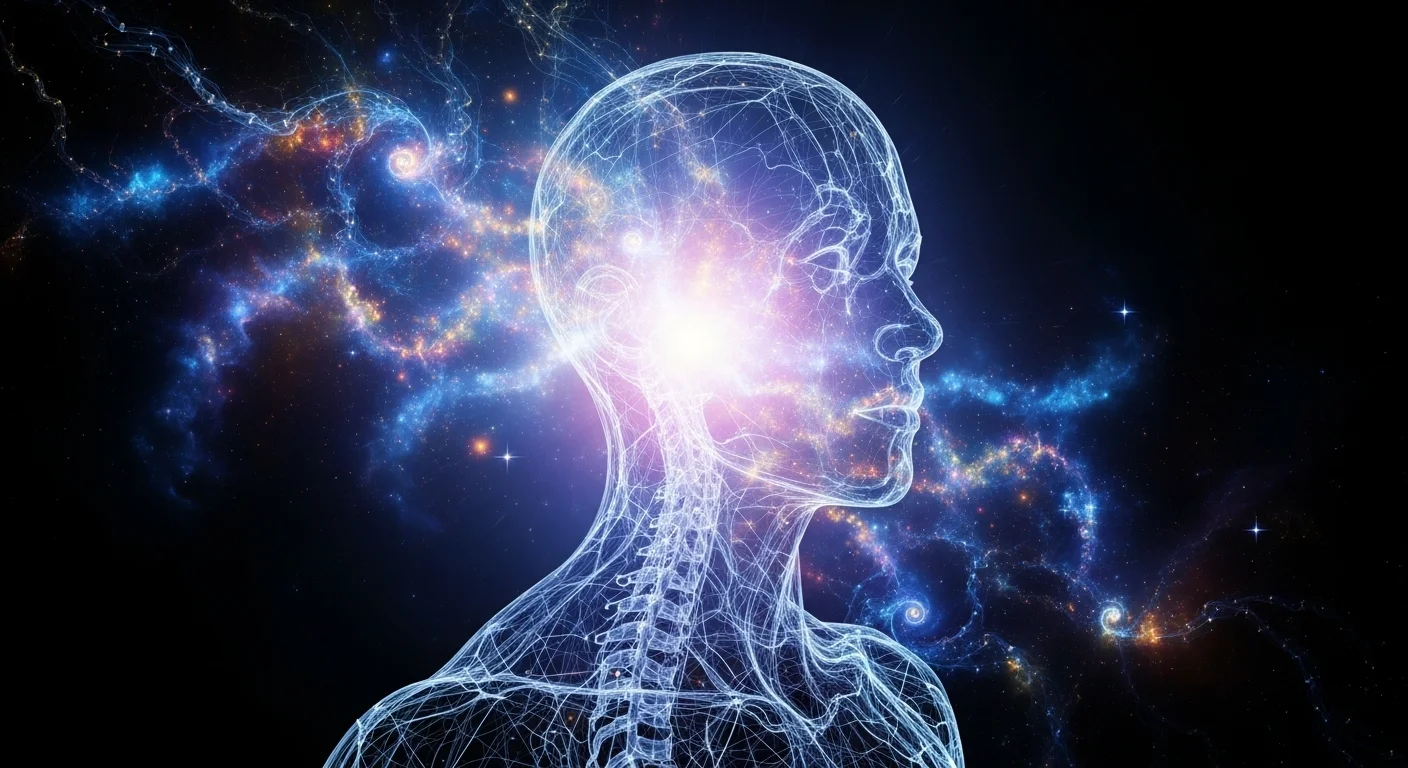

Reality creation proposes that thoughts influence events. People focus attention on ideas, and this focus shapes outcomes. The theory suggests the mind functions as a selector. It chooses experiences that align with beliefs. This perspective places responsibility on the individual for their specific circumstances.
This concept argues that perception determines facts. Observers do not merely witness the world; they construct it. When a person alters their viewpoint, the situation changes. A direct link exists between internal states and external results. The environment reflects the mindset of the observer.
Practitioners use visualization to direct this process. They repeat statements to change their focus. The goal is to align thoughts with aims. Consistency produces results over time. This framework explains how intention interacts with the environment to produce specific changes and tangible outcomes.

The Function of Emotions in the Human Brain
Emotions serve as distinct biological signals that process information from the external environment. The brain uses these specific signals to evaluate threats and opportunities for survival. When the amygdala detects danger, it triggers a rapid physical response to prepare the body for immediate action.
Neuroscientists indicate that feelings are essential for making logical decisions. The prefrontal cortex interacts with emotional centers to weigh options based on past experiences. Without this constant input, individuals often struggle to assign value to choices or prioritize tasks effectively in their daily life.
Neurotransmitters such as dopamine and serotonin transmit emotional messages throughout the central nervous system. The brain constantly monitors internal states to maintain balance and regulate human behavior. This chemical activity directly influences how a person perceives reality and interacts with the world around them.
How Feelings Influence Perception of Facts
Human emotions directly affect how the brain processes sensory information. When a person feels a strong emotion, the mind prioritizes data that aligns with that specific feeling. This process causes individuals to ignore objective facts that contradict their current state. Consequently, reality appears different based on internal conditions.
Emotional states also alter how people interpret specific events. Fear can make a neutral situation seem dangerous, while happiness makes the same situation appear positive. The brain retrieves memories associated with the current mood to interpret the present. This creates a subjective version of the actual truth.
These altered perceptions lead to decisions based on feelings rather than evidence. If someone feels angry, they interpret harmless actions as attacks. This reaction reinforces the initial emotion and solidifies the perception. Over time, these emotional responses shape a personal belief system regarding what is factual.

The Effect of Emotions on Decisions and Actions
Emotions function as critical signals for the human brain during the decision-making process. Research shows that feelings influence choices even before logical reasoning occurs. When an individual experiences strong emotions, their perception of risk and reward changes significantly, which alters the final decision they make.
Internal emotional states directly dictate external behaviors and physical actions. For instance, fear often leads to avoidance or hesitation, while excitement usually generates engagement and proactive movement. These specific behaviors create chains of cause and effect that ultimately shape the reality a person experiences daily.
Repeated emotional patterns establish consistent habits and automatic responses over time. If a person feels constant negativity, they make poor choices that produce negative outcomes. Conversely, regulating emotions allows for intentional actions. This control enables individuals to direct their lives toward specific and desired practical results.
The Cycle of Emotional States and External Results
Your internal emotional state directly influences your daily actions and specific decisions. When individuals experience positive emotions, they tend to make constructive choices and interact effectively with others. This consistent behavior produces tangible outcomes in the physical world that align exactly with the original feeling.
Once an external result occurs, the brain observes this reality and reacts immediately. If the outcome is favorable, it validates and reinforces the initial emotional state. This confirmation process strengthens the neural pathways associated with that emotion, causing the individual to feel that specific way again.
This sequence creates a continuous cycle between internal feelings and external events. Repeated experiences solidify a predictable pattern of behavior and expectation. Over time, this recursive loop determines the long-term reality for the person. Changing external results requires breaking this cycle at the emotional level first.
Techniques to Regulate Emotions for Positive Change
To regulate emotions, you must first observe them clearly. Mindfulness meditation allows you to notice feelings without immediate judgment. This practice helps you detach from impulsive reactions. By watching your thoughts objectively, you gain control over your state. This awareness prevents negative patterns from repeating.
Cognitive reframing involves changing how you interpret a specific situation. When you identify a negative thought, challenge its validity immediately. Replace the unhelpful thought with a constructive alternative. Deep breathing exercises also assist by lowering your heart rate. These actions shift your focus toward a positive outcome.
Writing down your experiences helps clarify complex feelings effectively. Keep a daily journal to track your emotional triggers. This record allows you to spot trends in your behavior. Consistent practice of these techniques strengthens emotional stability over time. You consciously choose emotions that align with your goals.