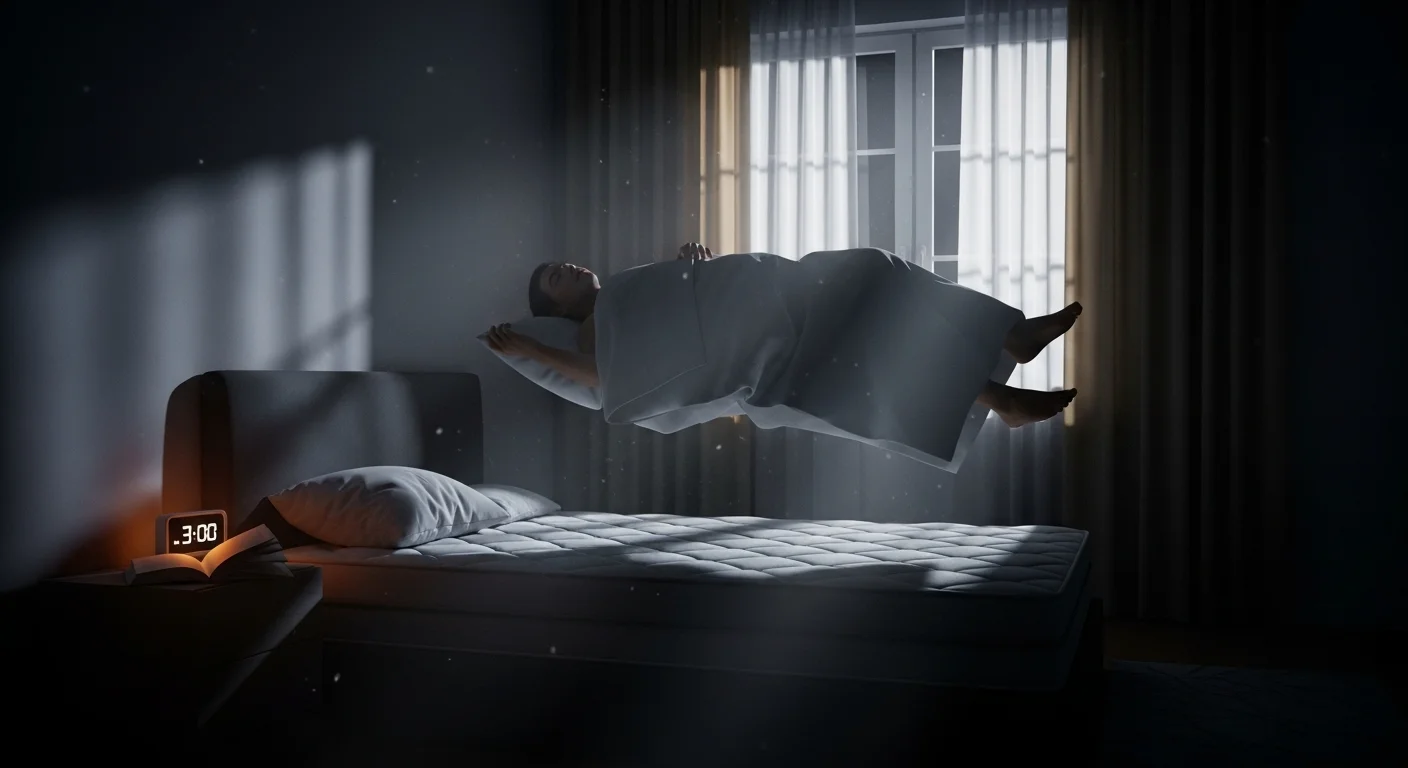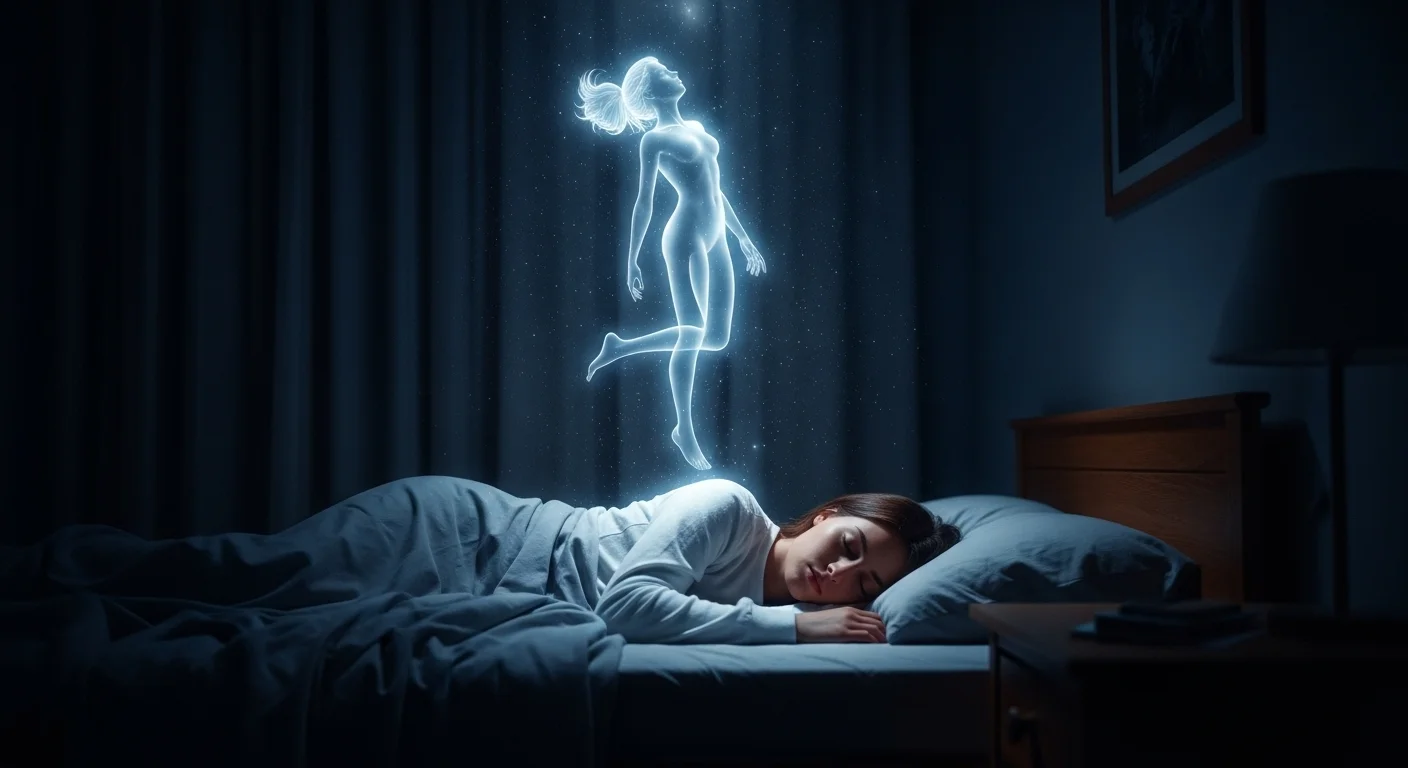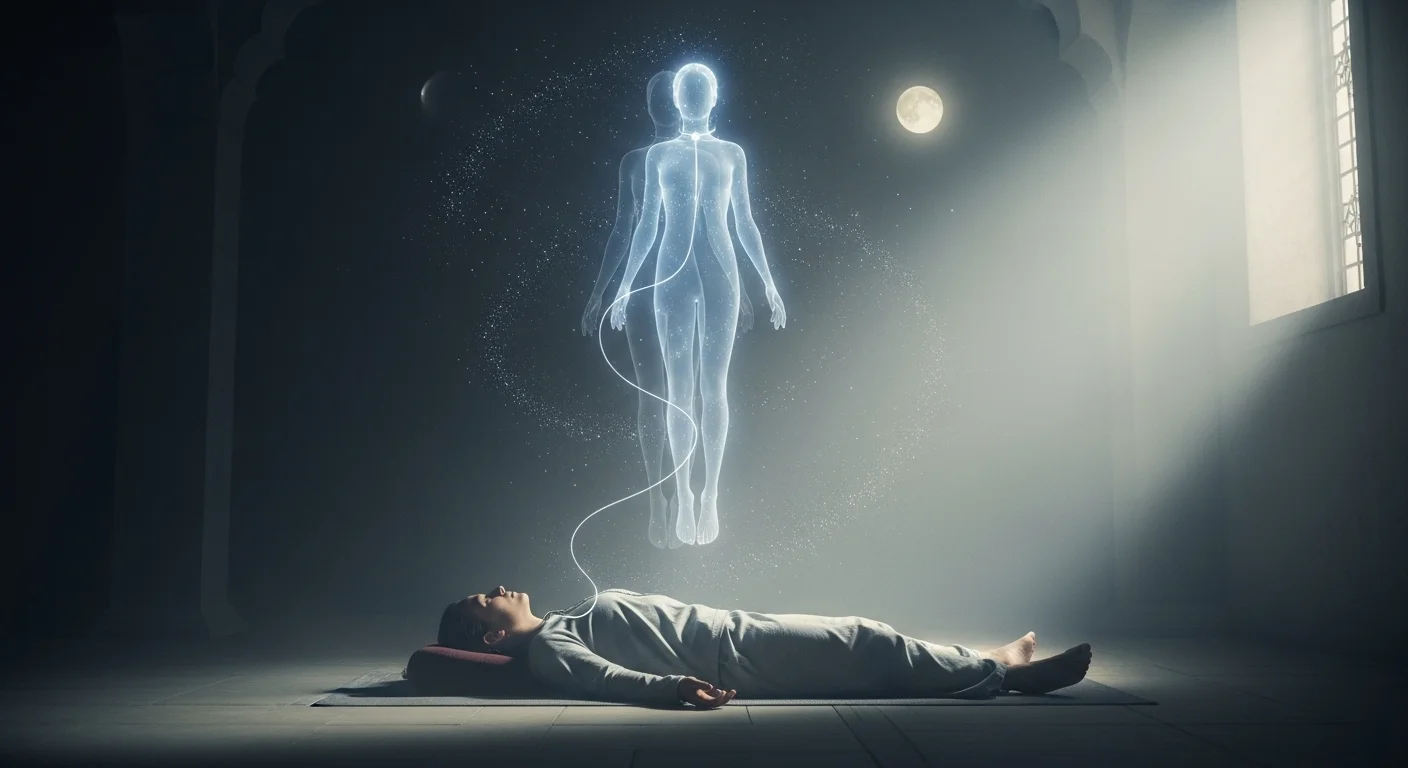
Astral projection is a term used to describe a willful out-of-body experience. Practitioners believe that a non-physical form of consciousness separates from the physical body. This separate entity is often called the astral body. People report traveling to other locations or dimensions during this state. The experience usually happens while the physical body remains asleep or in a deep state of relaxation. It differs from dreaming because the individual maintains full waking awareness throughout the event.
An out-of-body experience involves the sensation of floating outside one’s physical body. The subject often perceives their physical form from an external perspective. These events can occur spontaneously during traumatic accidents or near-death experiences. They also happen during moments of extreme physical stress or medical procedures. Science classifies these phenomena as dissociative experiences rather than literal separations of a spirit. Researchers study these states to understand how the brain constructs the sense of self and spatial location.
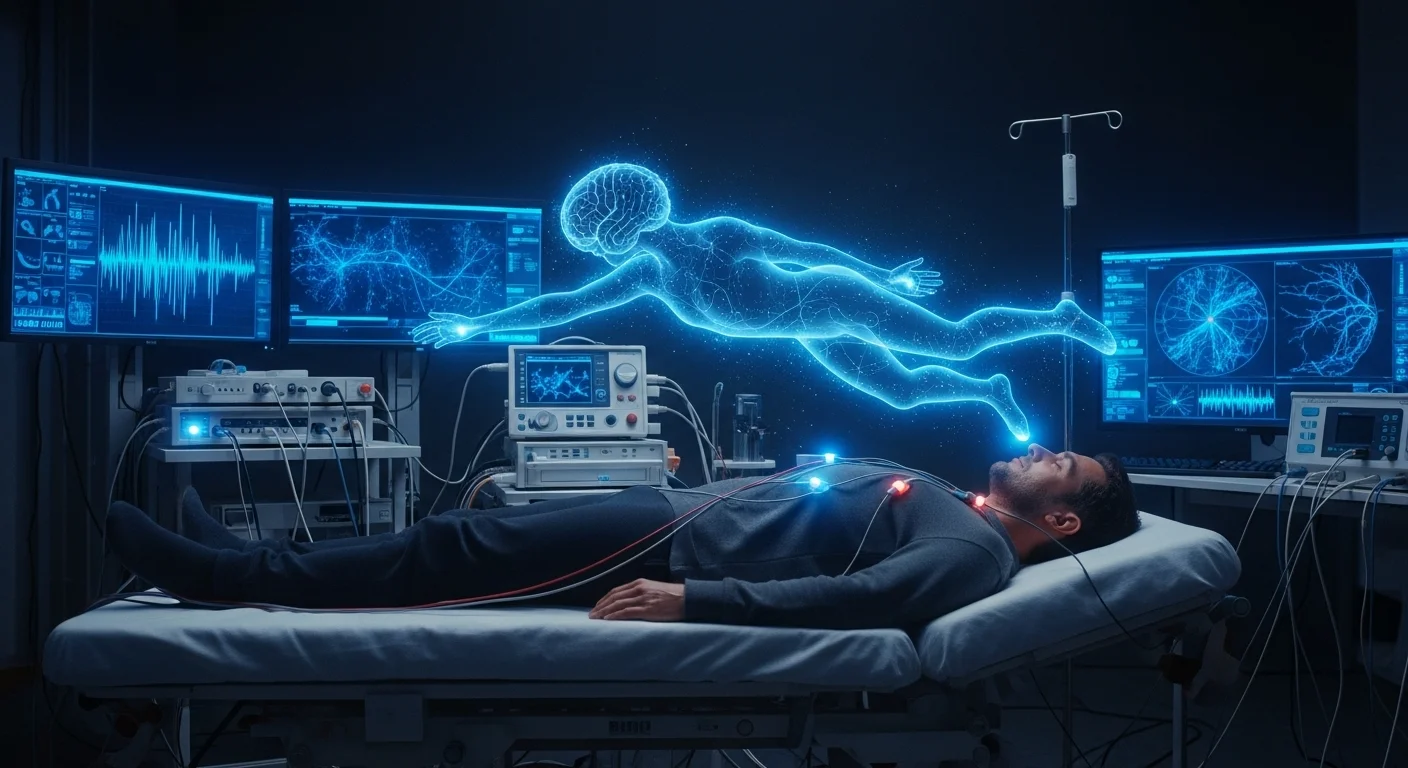
The terms astral projection and out-of-body experience are often used interchangeably. However, distinctions exist based on the intent and context of the event. Astral projection implies a deliberate effort to travel or explore non-physical planes. An out-of-body experience is a broader category that includes both voluntary and involuntary occurrences. Scientific studies focus primarily on the out-of-body experience as a neurological function. Neurologists analyze brain activity to explain why these realistic sensations occur without external stimuli.
Neurological Mechanisms Linked to Out-of-Body States
Researchers identify specific brain regions that generate out-of-body experiences. The temporoparietal junction is the most significant area involved in this process. This region processes information from the senses to create a sense of physical location. Studies show that electrical stimulation of this area causes patients to perceive themselves outside their bodies. The brain fails to integrate visual and vestibular signals correctly during these events. This failure results in a shift of the perceived center of consciousness.
The vestibular system plays a critical role in these neurological states. This system manages balance and spatial orientation within the inner ear. During an out-of-body experience, the brain receives conflicting signals from the vestibular and visual systems. The mind attempts to resolve this conflict by creating a new perspective. This results in the sensation of floating or viewing the physical body from above. The phenomenon creates a temporary disintegration of personal bodily ownership.
Scientific evidence also links these states to sleep transition phases. Many reported experiences occur during the hypnagogic state just before sleep. Brain scans reveal unusual patterns of activity during these moments. The brain exhibits high cortical arousal while the body remains immobile due to sleep paralysis. This combination allows vivid hallucinations to occur while the subject is conscious. Rapid eye movement sleep intrusions into wakefulness also contribute to the sensation of separating from the body.
The Role of the Temporoparietal Junction in Brain Function
The temporoparietal junction is a specific area in the brain where the temporal and parietal lobes meet. This region plays a central role in processing information from the senses. It integrates input from the visual, auditory, and somatosensory systems to create a coherent representation of the body. Scientists state that this integration allows individuals to distinguish between themselves and their external environment. This distinction is necessary for self-awareness and understanding spatial relationships within physical space.
Research links the temporoparietal junction directly to out-of-body experiences. Clinical studies show that electrical stimulation of this brain region can induce sensations of floating or seeing one’s body from above. When the function of this area is disrupted, the brain fails to integrate sensory signals correctly. This failure causes a breakdown in the perceived location of the self. The result is a sensation that the consciousness has detached from the physical body.
This region is also involved in higher-level cognitive processes beyond body perception. It assists in social cognition and the ability to understand the perspectives of other people. The temporoparietal junction helps the brain process empathy and moral reasoning during social interactions. Damage or dysfunction in this area can impair the ability to process these social cues. Therefore, the region serves as a critical hub for both physical self-location and social mental processing.
Key Scientific Studies on Consciousness Projection
Researchers have conducted various experiments to test the validity of out-of-body experiences. One notable study occurred in the 1960s under psychologist Charles Tart. He monitored a subject known as Miss Z in a sleep laboratory. Tart placed a five-digit number on a shelf high above her bed. The subject claimed to float above her body during sleep and correctly identified the number. This experiment suggests that perception might occur outside the physical body during specific states of consciousness.
Modern neuroscience provides a different perspective through brain stimulation studies. Dr. Olaf Blanke and his team in Switzerland discovered that stimulating the temporoparietal junction triggers out-of-body sensations. This region of the brain processes sensory input and body orientation. When researchers applied a mild electric current to this area, patients reported viewing their bodies from an external perspective. These findings indicate that the brain constructs the experience of location and self, which can be altered by external electrical stimulation.
The AWARE study represents a large-scale attempt to verify visual awareness during cardiac arrest. Led by Dr. Sam Parnia, this multi-hospital project investigated patients who survived clinical death. Researchers placed specific images on shelves that were only visible from the ceiling. While many patients reported feelings of detachment, the study did not yield definitive proof of remote viewing. However, the data confirmed that consciousness may persist for several minutes after the heart stops beating, warranting further clinical investigation.
Psychological Interpretations of Astral Phenomena
Psychologists often classify out-of-body experiences as dissociative episodes rather than literal separations of the soul. These events occur when the brain fails to integrate sensory information correctly. The temporoparietal junction is a specific brain region responsible for processing self-location and body ownership. When this area malfunctions due to trauma, sleep disorders, or electrical stimulation, it can create the sensation of floating outside the physical form. This suggests the phenomenon is an internal cognitive error.
Many reported astral projections happen during the transition between wakefulness and sleep. This state is known as the hypnagogic or hypnopompic phase. During these moments, the body may experience sleep paralysis while the mind remains alert. The brain creates vivid hallucinations to explain the lack of movement and sensory input. These hallucinations often include visual or auditory perceptions of leaving the bed. Researchers argue that these vivid dreams mimic reality closely enough to convince the subject.
Another psychological interpretation involves the concept of depersonalization as a defense mechanism. Individuals undergoing extreme stress or physical trauma may mentally detach from their bodies to avoid pain. This psychological response creates a feeling of observing oneself from a distance. The mind separates the observer from the experiencing self to reduce emotional impact. Clinical studies show a high correlation between people with depersonalization disorders and those who report frequent out-of-body experiences without induced triggers.
Current Limitations of Scientific Evidence
One major challenge in studying astral projection is the reliance on anecdotal evidence. Researchers depend on personal accounts from participants, which introduces bias and inaccuracy. Current technology cannot objectively measure consciousness separating from the body. Neuroimaging tools like fMRI or EEG only show brain activity during these states. They do not provide proof that the mind actually travels outside the physical form. This lack of physical evidence makes it difficult to validate the phenomenon using standard scientific methods.
Another significant limitation is the lack of reproducibility in laboratory settings. Scientific validation requires that experiments produce consistent results under controlled conditions. However, out-of-body experiences are often spontaneous and difficult to induce on demand. Most studies involve very small groups of people who claim to have this ability. The inability to replicate specific results across large populations prevents researchers from establishing universal laws or theories. Consequently, data remains scattered and insufficient for drawing firm conclusions.
Finally, the current theoretical framework of modern science creates a barrier for acceptance. Mainstream biology and physics operate on the principle that consciousness is a product of brain function. This materialist view assumes that awareness cannot exist without biological processes. Astral projection implies that consciousness functions independently of the physical brain. Science currently lacks a verified mechanism to explain how non-physical awareness operates. Without a compatible theoretical model, researchers cannot fully explain or accept the observed phenomena.
Your next step
If you already understand what astral projection is and you’re looking for practices that truly work, this e-book presents 35 tested techniques to induce out-of-body experiences. Each technique is explained clearly and directly, allowing you to choose the method that best fits your routine and level of awareness.
This material is ideal for those who want to apply objective and varied methods, speeding up the process of conscious out-of-body projection. It works for both beginners and practitioners who have already had experiences and want to expand their possibilities. This is a practical guide for anyone who wants consistent results.
If you are taking your first steps and want to understand the fundamentals of astral projection with clarity, this manual was created to make your learning easier. In it, you will find clear explanations about the subtle bodies, the stages of projection, the most common sensations, and how to deal with fear and mental blocks.
This e-book is recommended for anyone who needs a solid and safe foundation to start practicing with confidence. It organizes the concepts in a progressive way, helping you understand the process as a whole and develop a consistent and conscious practice.

For those who want more complete and in-depth guidance, the complete astral projection course offers structured lessons, guided practices, visualizations, advanced techniques, and ongoing support. The content was designed to take you from theory to practice with safety and consistency.
This course is suitable for all levels, from beginner to advanced, and provides a systematic approach based on years of research, experience, and proven results. You will learn how to awaken your potential, gain control of your experiences, and integrate spiritual insights into your daily life.