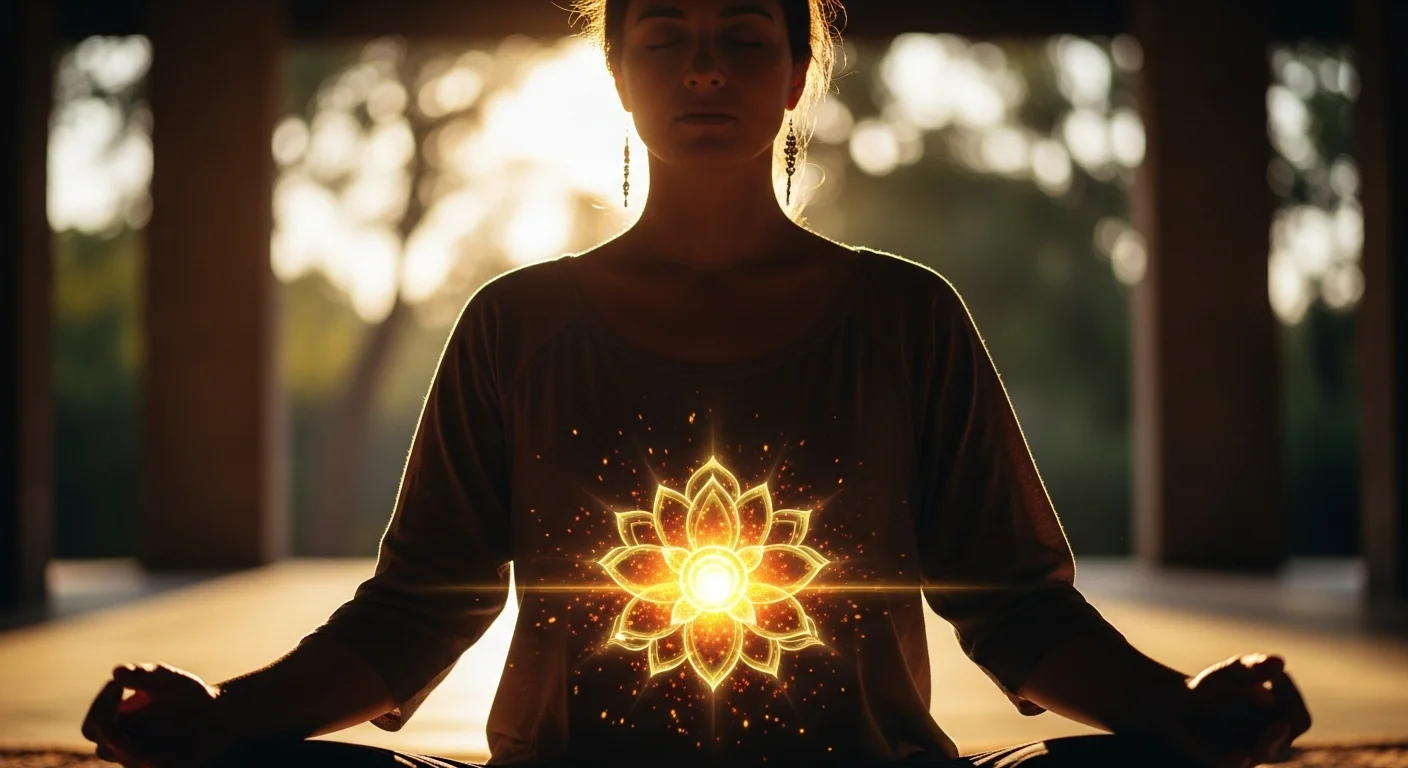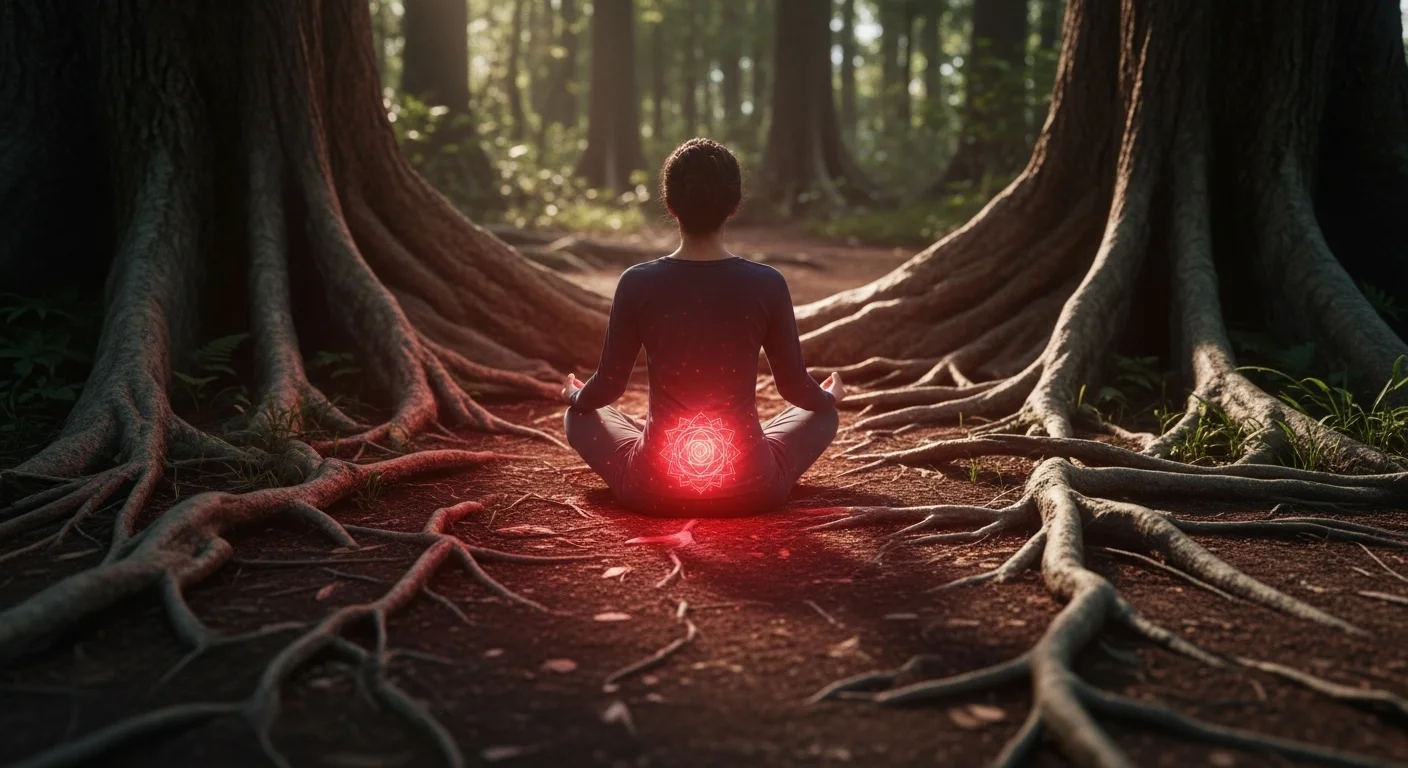
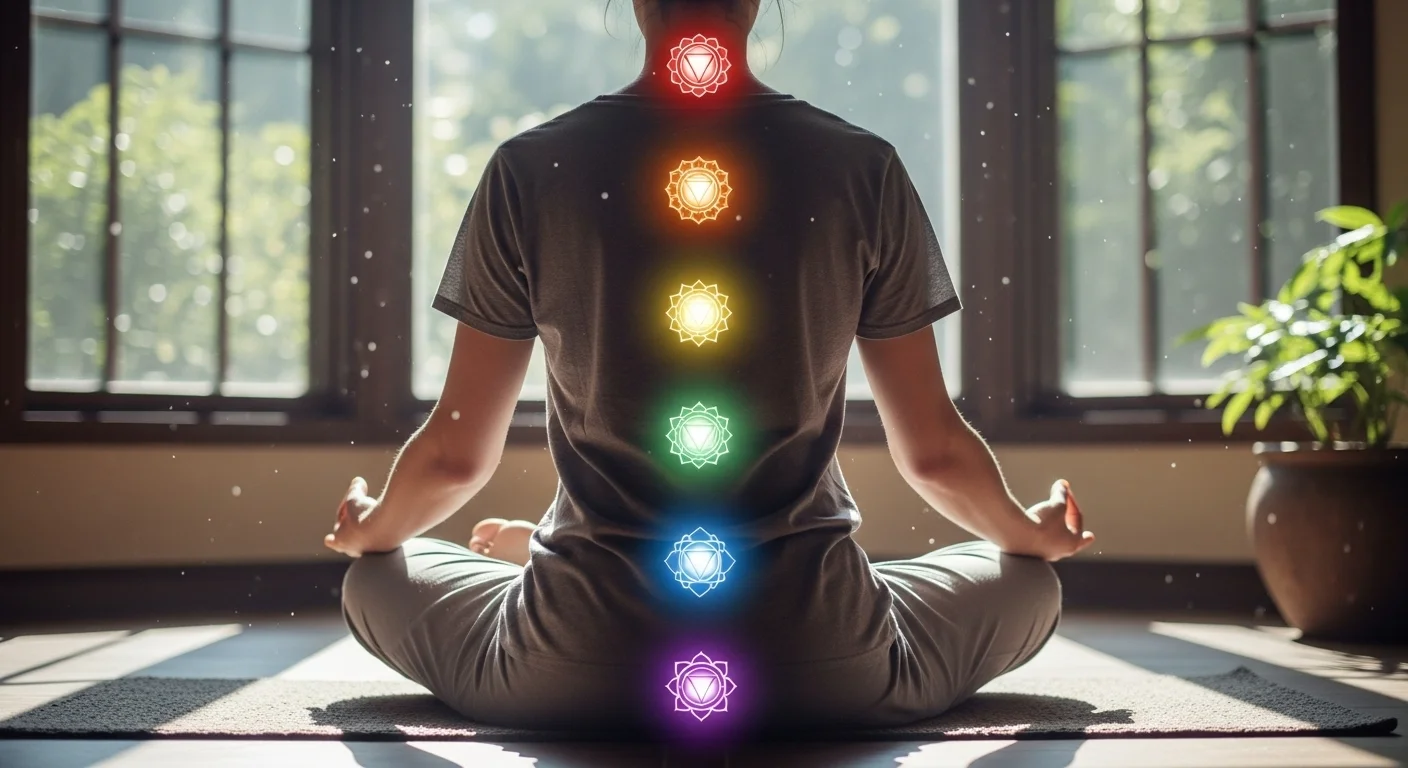
The term chakra originates from Sanskrit and translates to wheel or disk. It refers to distinct energy centers located within the human body. These centers align along a central vertical channel that extends from the base of the spine to the top of the head.
There are seven primary chakras recognized in this specific framework. Each point corresponds to specific nerve bundles and major internal organs. They regulate the flow of energy throughout the biological system. Proper function of these centers supports physical health and maintains emotional stability.
This system operates as a fully interconnected network. A blockage or overactivity in one specific area affects the function of the entire structure. Practitioners analyze these points to identify potential issues. The main objective is to ensure that energy moves freely to promote systemic balance.
Overview of the Seven Main Chakras
The seven main chakras start at the base of the spine and extend upward. The Root Chakra relates to physical stability and survival. The Sacral Chakra governs reproduction and emotional processing. The Solar Plexus Chakra controls personal power, will, and digestion in the human body.
The Heart Chakra sits in the center of the chest and manages love or compassion. Located in the neck, the Throat Chakra regulates verbal communication and expression. These central points serve as the connection between the lower physical needs and higher mental functions.
The Third Eye Chakra is positioned on the forehead and directs intuition or perception. The final point is the Crown Chakra at the top of the head. This specific center facilitates a connection to spiritual consciousness and universal awareness during a balancing session.
Signs of Blocked or Unbalanced Chakras
Blocked chakras often manifest as specific physical ailments in the body. You might experience chronic pain, stiffness, or recurring tension in areas related to the affected energy center. For example, a blockage in the throat chakra frequently causes sore throats, neck pain, or thyroid issues.
Emotional instability is another common indicator of an unbalanced system. You may feel overwhelming fear, sudden anger, or deep sadness without a clear cause. These feelings usually correspond to the specific function of a chakra, such as insecurity indicating a problem with the root chakra.
Behavioral changes also signal that energy flow is restricted. You might struggle with communication, lack motivation, or isolate yourself from others socially. Recognizing these patterns helps identify which specific area needs attention so you can apply the correct balancing techniques to restore proper function.
Techniques for Chakra Balancing
Meditation is a primary method used to align chakras. Practitioners focus on specific energy centers within the body while breathing deeply. You can visualize colors associated with each chakra to assist the process. This practice reduces stress and helps restore the natural flow of energy.
Sound therapy utilizes specific frequencies to balance energy centers. Vocalizing mantras or using singing bowls creates vibrations that resonate with the body. These sounds aim to clear blockages and promote stability. You should repeat these sounds consistently to achieve the desired state of equilibrium.
Physical movement and touch also facilitate chakra balancing. Yoga poses target specific areas of the body to release tension and improve circulation. Alternatively, energy healing methods like Reiki use hand placement to transfer energy. These physical actions support the overall regulation of the system.
Role of Diet and Physical Exercise
Consuming whole foods supports the body’s energy systems. Fresh vegetables and fruits provide essential nutrients that maintain physical health. Processed foods often cause lethargy and block the flow of energy. A balanced diet ensures the physical body functions correctly, which is necessary for stable energy centers.
Physical activity increases circulation and helps remove tension from the body. Regular movement prevents stagnation in the muscles and joints. Exercises like yoga or walking promote deep breathing and relaxation. This physical engagement allows energy to move freely through the body and reduces stress levels.
Combining proper nutrition with regular exercise creates a strong foundation for chakra work. These lifestyle choices strengthen the physical vessel that holds energy. When the body is healthy and active, mental focus improves. This stability allows for effective meditation and easier alignment of the chakras.
Maintenance of Energy Balance
Chakra balancing is not a permanent state after a single session. You must practice specific habits every day to keep the energy flowing correctly. Regular meditation helps scan the body for blockages. This consistent attention prevents minor issues from becoming major problems over time.
Physical health directly impacts the energy system of the body. You should eat nutritious food and exercise often to support energy flow. Mental stress causes disruptions in the chakras. Therefore, stress management techniques like deep breathing remain essential for long-term stability and wellness.
Your environment affects your internal balance significantly. Keep your living space clean and organized to reduce external distractions. You should also perform a weekly self-check to assess your current state. Adjust your routine immediately if you notice signs of imbalance or physical discomfort.
our Next Step
You can deepen your knowledge even further with the comprehensive manual I’ve prepared on the 7 main chakras. In it, you’ll understand what chakras are, their physical, emotional, and spiritual aspects, as well as the associated deities. It also includes practical charts with crystals, flower essences, scents, Reiki, and much more.

Additionally, you can purchase my book, 69 Exercises for Chakra Alignment—a direct, accessible, and transformative guide filled with specific techniques to work on each chakra. This material is perfect for both those looking to apply exercises in their daily routine and therapists seeking safe, structured resources to use in their sessions.