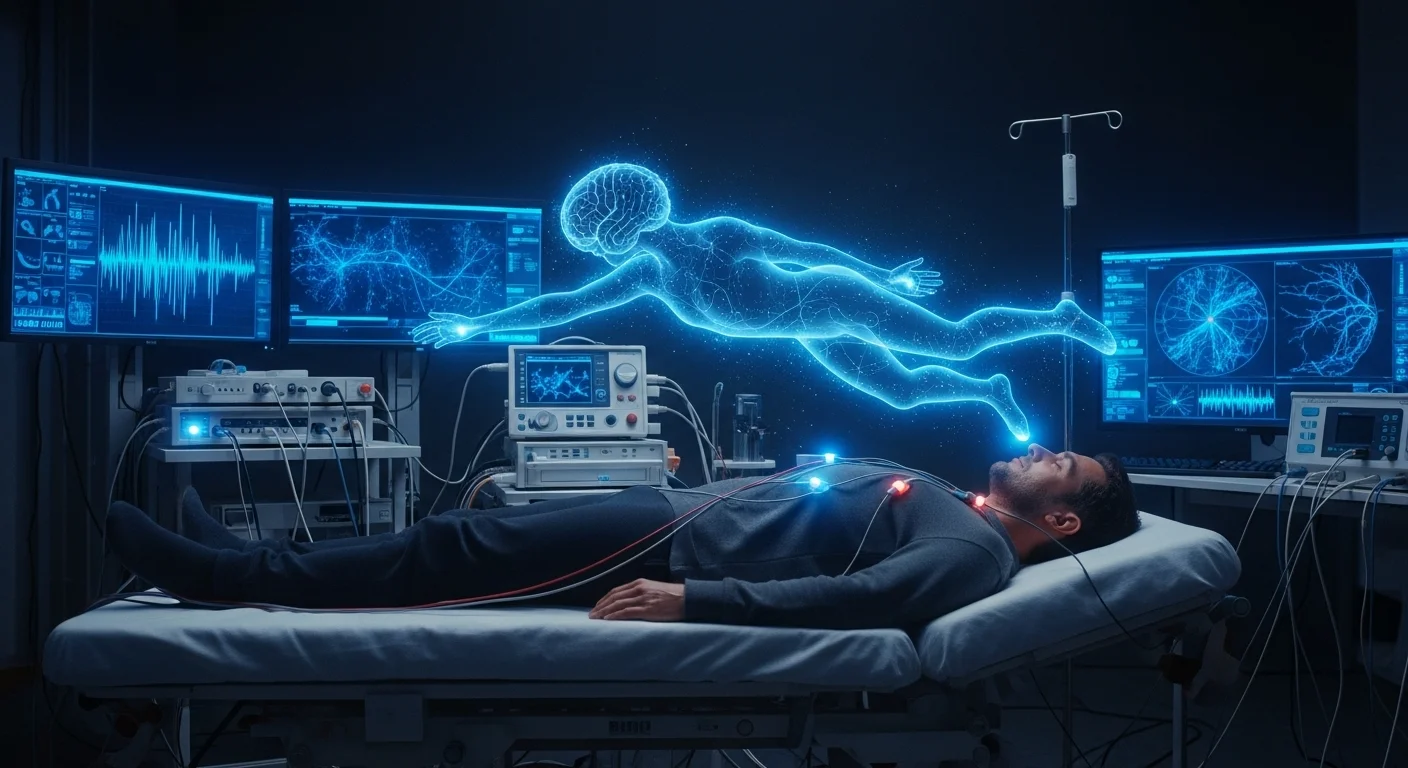
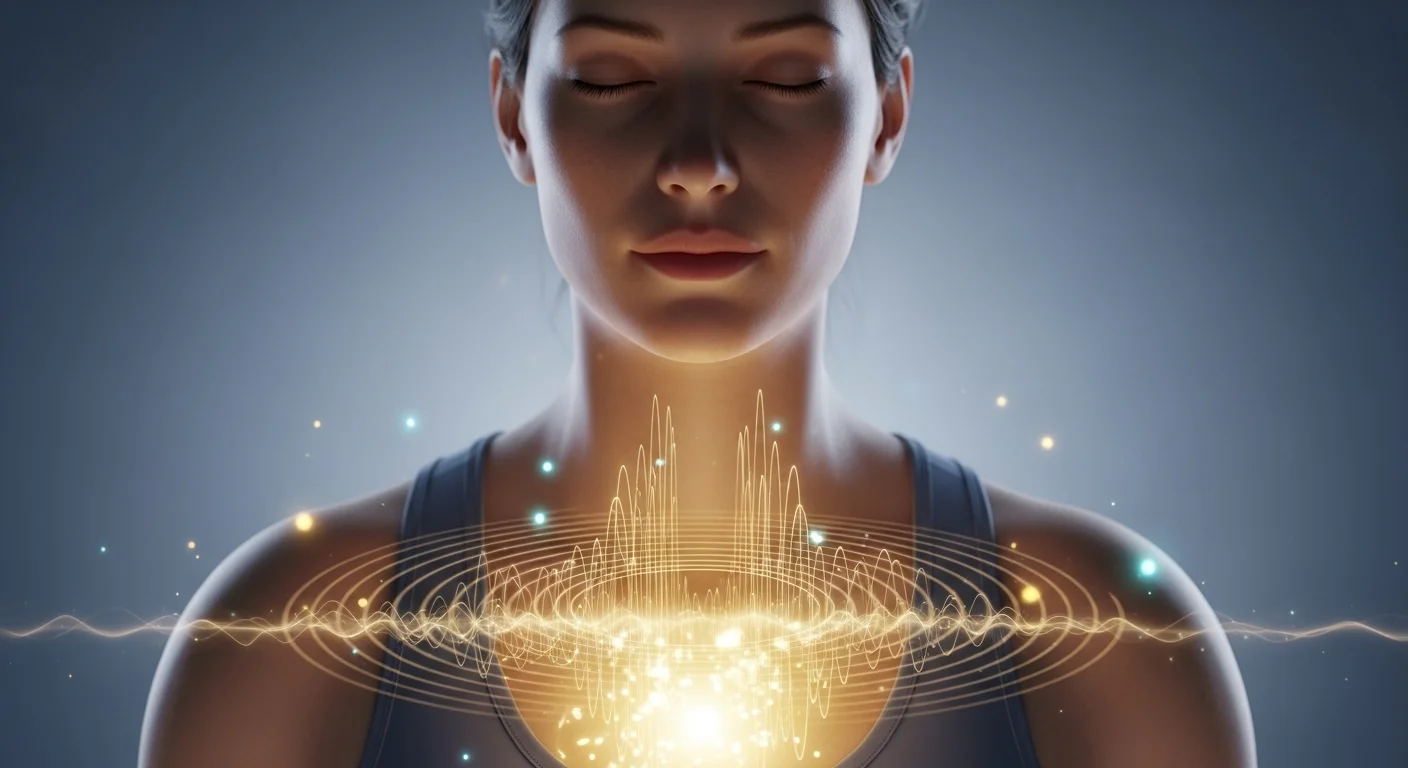
Internal body vibrations are specific physical sensations that occur during states of deep relaxation. A person feels a shaking or trembling movement inside the body, but this movement is usually not visible to others. These sensations often happen when the muscles relax completely during meditation or the moments before sleep. The experience feels like a subtle electrical current or a rhythmic pulse running through the limbs or torso. It is a sensory phenomenon rather than an external physical action.
The primary cause of these vibrations often relates to the nervous system transitioning between alert states and rest. As the body enters a state of sleep onset, signals between the brain and muscles change. The nervous system discharges residual energy or tension as the muscles loosen. This process can create a feedback loop where sensory nerves detect internal shifts, resulting in the feeling of vibration. Medical professionals often categorize these sensations as hypnic jerks or benign fasciculations.
Experiencing internal vibrations is generally a harmless occurrence and does not indicate a medical problem. Many individuals report this phenomenon when their body releases significant amounts of accumulated stress. It serves as a sign that the physical body is entering a profound state of rest while the mind remains awake. Understanding this mechanism helps reduce anxiety about the sensation. If the internal shaking is accompanied by pain or other distinct symptoms, a doctor should examine the condition.
The Role of the Nervous System in Relaxation
The autonomic nervous system regulates involuntary bodily functions, including heart rate, digestion, and breathing patterns. It consists of two primary divisions known as the sympathetic and parasympathetic branches. The sympathetic system activates during stress to prepare the body for immediate physical action. In contrast, the parasympathetic system promotes necessary rest and recovery processes. Deep relaxation occurs when the body successfully transitions from sympathetic dominance to parasympathetic control. This physiological shift significantly alters internal states and various physical sensations.
As the parasympathetic nervous system takes charge, specific physiological changes happen throughout the body. Heart rate slows down and blood pressure decreases to a stable resting level. Skeletal muscles release tension and become loose. This reduction in physical activity lowers the amount of sensory input sent to the brain. Consequently, the nervous system becomes more sensitive to internal signals. This heightened internal awareness allows a person to feel subtle nerve discharges that usually go unnoticed during active states.
The sensation of internal vibration often results from the nervous system recalibrating during this transition. As muscles relax deeply, nerves may discharge residual electrical impulses. These discharges create physical sensations that resemble trembling or buzzing. This activity indicates that the nervous system is discharging accumulated stress. The brain interprets these neural signals as movement even when the body remains still. Therefore, these vibrations serve as a physical sign that the body is successfully entering a profound state of rest.
Muscle Tension Release and Tremors
When the body enters a state of deep relaxation, the nervous system shifts from alertness to rest. During this transition, muscles that have remained contracted for long periods begin to loosen. Chronic stress often causes the body to hold tension in specific areas without conscious awareness. As you relax deeply, the brain sends signals to these muscle groups to release that stored rigidity. This process creates a physical change in the body’s structure and reduces energy consumption.
The sudden release of accumulated tension can result in involuntary movements known as neurogenic tremors. These tremors occur because the muscles discharge excess energy that was previously used to maintain contraction. You might feel this sensation as a subtle vibration, a shaking limb, or a consistent tremor. This reaction is a normal biological mechanism designed to restore balance to the muscular system. It indicates that the nervous system is successfully discharging stress and returning to a neutral state.
Many people experience these internal vibrations during meditation or moments of profound rest. It is essential to remain passive and allow the shaking to continue until it stops naturally. Resisting the tremors can cause the muscles to tighten again, which hinders the relaxation process. Once the tremors subside, the body typically feels lighter and more flexible. Recognizing these physical signs helps you understand that the body is effectively processing and releasing deep-seated stress patterns.
The Hypnagogic State Before Sleep
The hypnagogic state occurs during the transition from wakefulness to sleep. This phase happens when the body relaxes deeply and the brain shifts its activity levels. People often remain conscious of their surroundings while the physical body begins to shut down for rest. This transitional period allows the brain to generate sensory experiences that do not exist in the external environment. It is a normal physiological process that affects nearly everyone during the immediate onset of sleep.
During this state, individuals frequently report distinct physical sensations. Common experiences include the feeling of internal vibrations, buzzing sounds, or sudden muscle twitches. These vibrations happen because the nervous system changes its mode of operation. The brain sends signals that interpret relaxation as movement or energy flow. These internal tremors are usually painless and brief. They indicate that the muscles are releasing tension and the mind is entering a deeper stage of rest.
Scientists attribute these phenomena to the brain switching between alpha and theta waves. This shift alters how the brain processes sensory information from the body. You might see flashes of light or hear distinct noises alongside the vibrations. These hallucinations are standard byproducts of the hypnagogic state. Understanding this process helps reduce anxiety when these sensations occur. This natural event simply marks the precise boundary between being awake and falling asleep.
Effects of Stress and Anxiety on Sensation
Chronic stress triggers the body’s fight or flight response. This system releases hormones like cortisol and adrenaline into the bloodstream. These chemicals cause muscles to tighten in preparation for immediate physical action. When the body remains in this state for long periods, the muscles do not fully relax. This continuous tension often results in involuntary tremors, twitching, or internal vibrations. You may notice these sensations more acutely when you finally try to rest or lie down.
Anxiety significantly impacts how the nervous system processes sensory information. High levels of anxiety lead to a state known as sensory hyperstimulation. In this condition, the nerves become overly sensitive to internal signals. Normal biological processes, such as blood flow or minor muscle contractions, get amplified by the brain. A person might interpret these amplified signals as buzzing or vibrating sensations inside the body. This effect is common during quiet moments when external distractions are minimal.
The experience of internal vibrations often creates a cycle of increased anxiety. When an individual feels these unexpected sensations during relaxation, they may worry about their health. This worry triggers the release of more stress hormones, which further sensitizes the nervous system. As the nerves become more sensitive, the intensity of the vibrations increases. This feedback loop prevents the body from entering a state of deep relaxation until the stress response subsides completely.
Medical Conditions Associated with Internal Tremors
Internal tremors often stem from specific neurological disorders that affect the central nervous system. Parkinson’s disease is a primary cause, where patients report shaking sensations inside the limbs or chest before visible symptoms appear. Multiple sclerosis also triggers these sensations due to damage in the protective covering of nerve fibers. Essential tremor is another common condition where internal vibrations occur without external movement. These disorders disrupt the signals sent between the brain and the body’s muscles.
High levels of anxiety and chronic stress frequently result in the perception of internal vibrations. The body releases stress hormones like adrenaline which stimulate the nervous system and increase muscle tension. This physiological response can create a buzzing or trembling feeling within the torso and extremities. Patients with panic disorder often experience these somatic symptoms during periods of intense emotional arousal. The autonomic nervous system remains overactive, leading to continuous sensory disturbances even during rest.
Various metabolic imbalances and physical deficiencies also contribute to the sensation of internal shaking. Hyperthyroidism accelerates the body’s metabolism and causes the nervous system to become hyperactive. Deficiencies in essential vitamins like B12 or minerals such as magnesium impair nerve function and muscle control. Additionally, withdrawal from certain medications or substances like alcohol can induce temporary internal tremors. It is important to consult a healthcare provider to rule out these underlying physical issues through proper testing.
our next step
If you already understand what astral projection is and you’re looking for practices that truly work, this e-book presents 35 tested techniques to induce out-of-body experiences. Each technique is explained clearly and directly, allowing you to choose the method that best fits your routine and level of awareness.
This material is ideal for those who want to apply objective and varied methods, speeding up the process of conscious out-of-body projection. It works for both beginners and practitioners who have already had experiences and want to expand their possibilities. This is a practical guide for anyone who wants consistent results.
If you are taking your first steps and want to understand the fundamentals of astral projection with clarity, this manual was created to make your learning easier. In it, you will find clear explanations about the subtle bodies, the stages of projection, the most common sensations, and how to deal with fear and mental blocks.
This e-book is recommended for anyone who needs a solid and safe foundation to start practicing with confidence. It organizes the concepts in a progressive way, helping you understand the process as a whole and develop a consistent and conscious practice.
For those who want more complete and in-depth guidance, the complete astral projection course offers structured lessons, guided practices, visualizations, advanced techniques, and ongoing support. The content was designed to take you from theory to practice with safety and consistency.
This course is suitable for all levels, from beginner to advanced, and provides a systematic approach based on years of research, experience, and proven results. You will learn how to awaken your potential, gain control of your experiences, and integrate spiritual insights into your daily life.