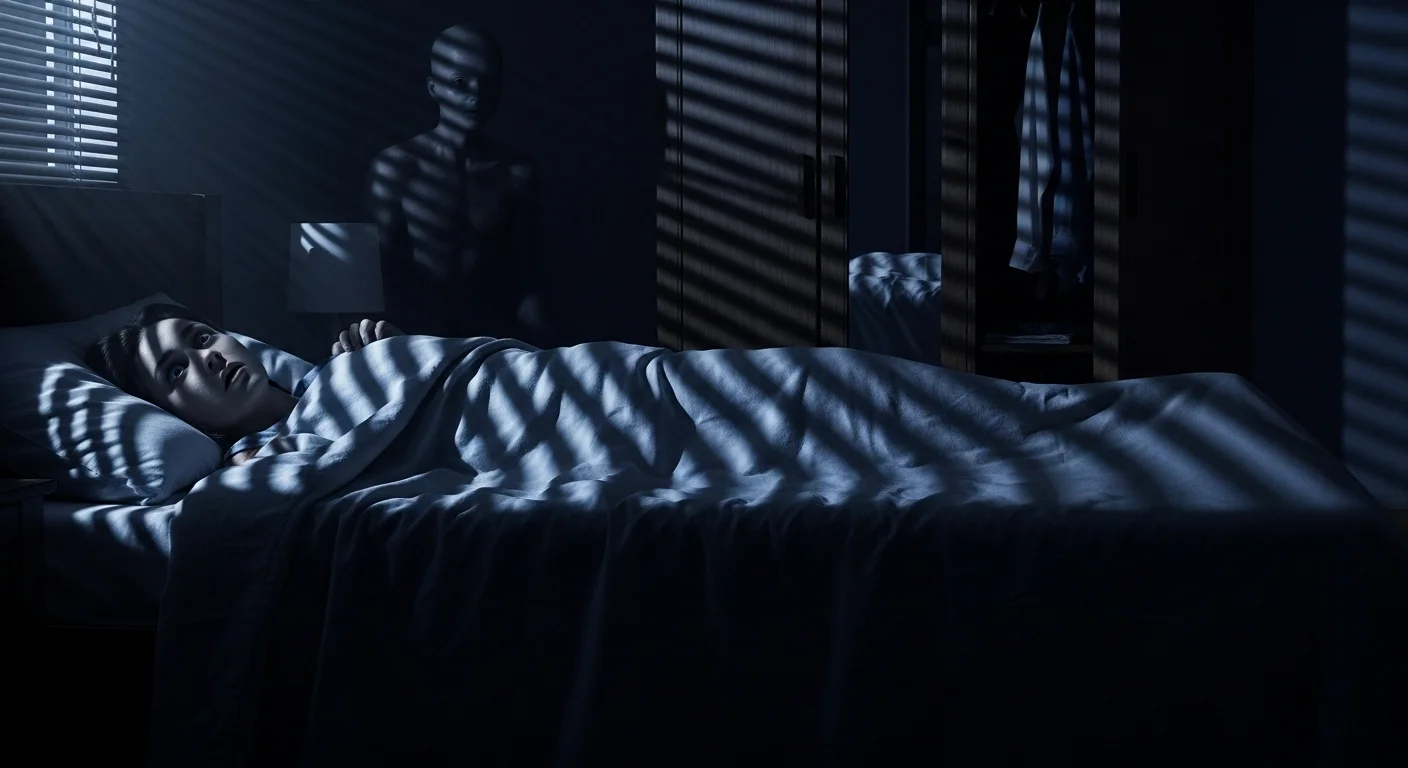
Sleep paralysis is a temporary inability to move or speak that occurs when you are waking up or falling asleep. This condition is classified as a parasomnia, which is a category of disruptive sleep-related events. It happens when there is a disconnect between the brain and the body during the transition into or out of rapid eye movement sleep. During this specific sleep stage, your muscles naturally relax to a state of complete immobility to prevent you from physically acting out your dreams.
The primary characteristic of this phenomenon is the total loss of voluntary muscle control while consciousness remains fully intact. You are completely aware of your immediate surroundings, but you cannot move your arms, legs, or head. You are also unable to speak or cry out for help. Despite this temporary paralysis, your breathing continues normally, and you can usually move your eyes. The episode creates a distinct and often distressing feeling of being trapped within your own body while your mind is awake.
These episodes are typically brief and last anywhere from a few seconds to a couple of minutes. The paralysis ends on its own, or it stops if someone touches you or speaks to you. While the experience is often frightening, sleep paralysis is not physically harmful and does not indicate a serious medical problem. It can occur in healthy individuals of any age. Common factors that trigger these events include a lack of sleep, irregular sleep schedules, and high stress levels.
Common Symptoms and Hallucinations
Sleep paralysis primarily manifests as a temporary inability to move or speak while falling asleep or waking up. Individuals remain fully conscious and aware of their surroundings during these episodes. The condition involves muscle atonia, which prevents voluntary movement. The chest often feels heavy or compressed, which leads to a sensation of difficulty in breathing. This physical restriction causes significant anxiety and fear because the person cannot control their muscles. Most episodes last only a few seconds or minutes.
Visual and auditory hallucinations frequently accompany the physical paralysis. The most common type is the intruder hallucination, where a person senses a dangerous presence in the room. This figure often appears as a shadow or a dark silhouette standing near the bed. Another common experience is the incubus hallucination. In this scenario, the individual feels physical pressure on the chest, as if someone or something is sitting on them. These experiences trigger an intense physiological fear response.
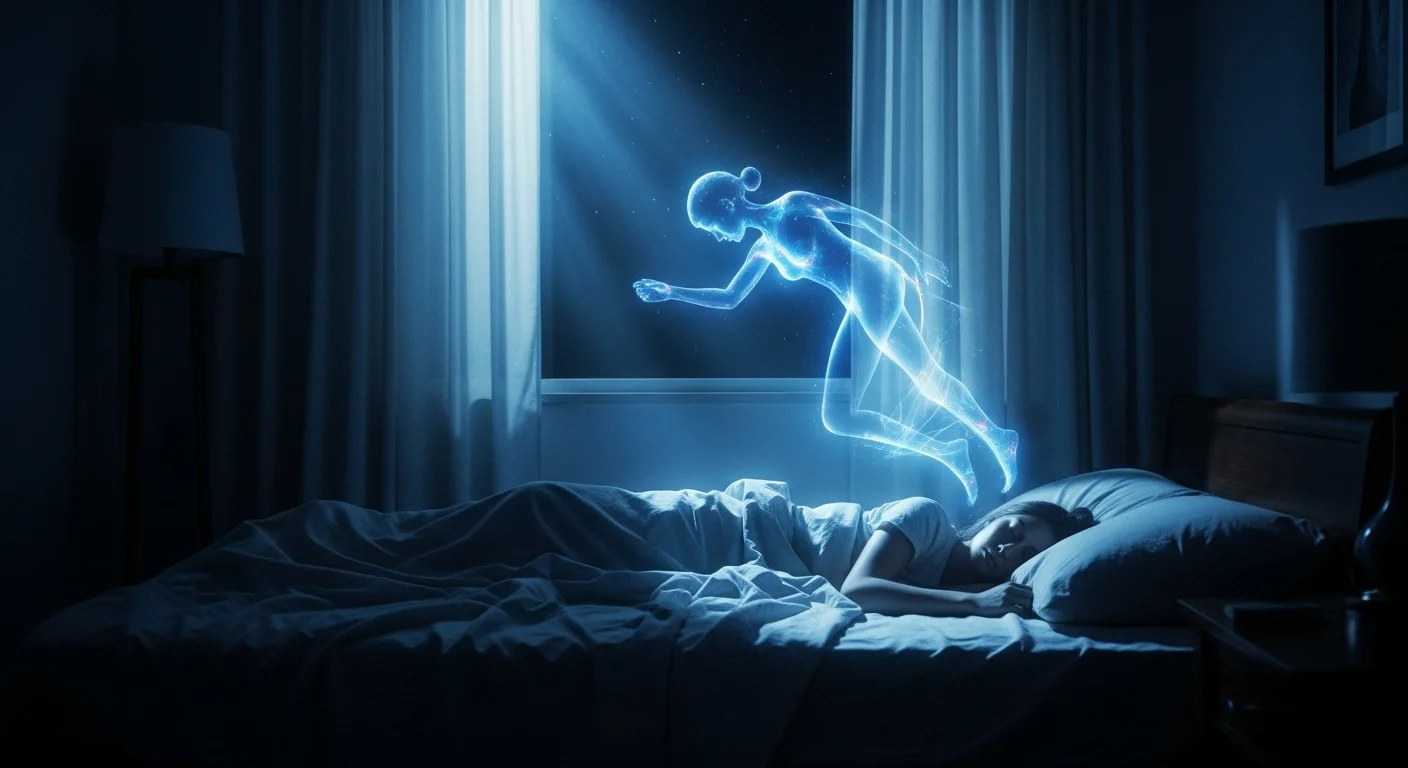
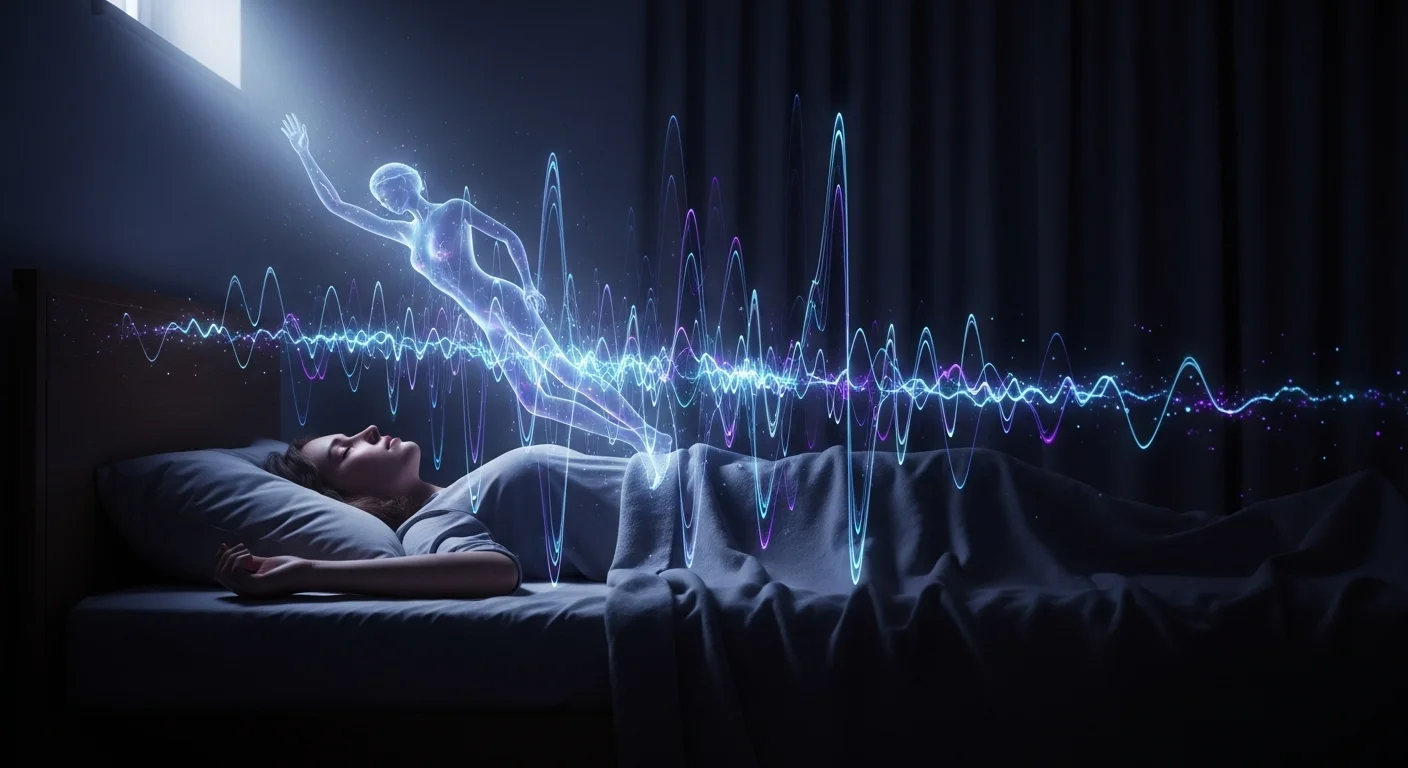
Some individuals experience vestibular-motor hallucinations during an episode. These sensations involve imaginary movement, such as floating, flying, or falling through the bed. The person might also feel like they are spinning or leaving their physical body. Auditory hallucinations also occur frequently alongside visual elements. People report hearing buzzing, hissing, humming, or clear voices when no external sound exists. These sensory distortions combine with the paralysis to create a confusing and distressing event for the sleeper.
Biological Causes in the Brain
Sleep paralysis occurs when the body transitions into or out of Rapid Eye Movement (REM) sleep incorrectly. During normal REM sleep, the brain sends signals to relax the voluntary muscles in the body. Two specific chemicals, glycine and GABA, act as neurotransmitters to stop muscle movement. This process creates a state called REM atonia. This temporary paralysis prevents people from acting out their dreams and physically injuring themselves while they are unconscious.
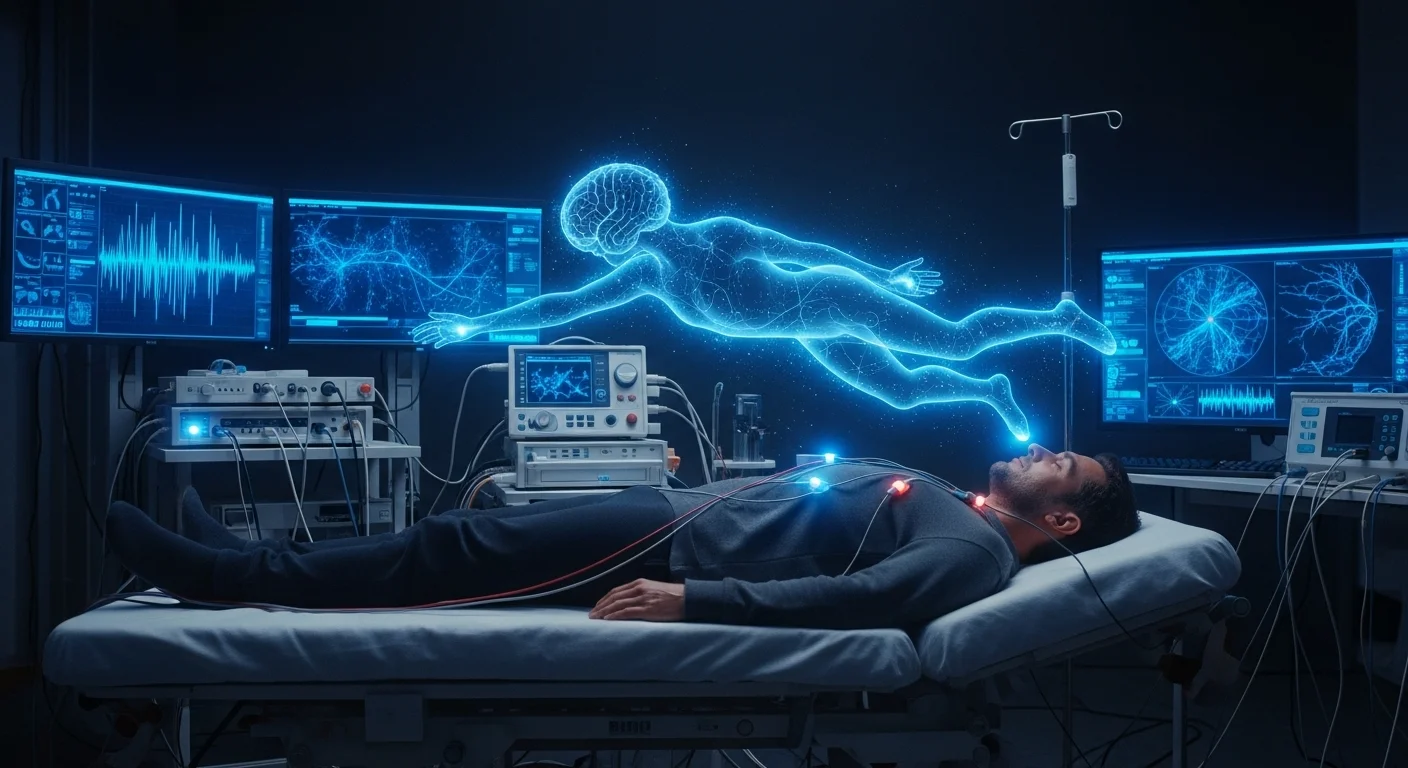
A biological error happens when the brain wakes up before the REM cycle finishes completely. The cerebral cortex becomes active and the person regains full consciousness. However, the brainstem continues to release the neurotransmitters that inhibit motor neurons. This results in a disconnect between the mind and the body. The individual is fully aware of their surroundings but remains physically unable to move or speak. This state persists until the brain stops sending the paralysis signals.
The hallucinations associated with this condition stem from heightened activity in the amygdala. This part of the brain manages fear and threat detection. During sleep paralysis, the brain is in a hybrid state between dreaming and waking. It projects dream imagery into the real physical environment. The active amygdala interprets these projections as immediate dangers. This biological confusion causes the person to see, hear, or feel threatening presences that are not actually there.
Main Risk Factors and Triggers
Sleep deprivation is the most significant cause of sleep paralysis. People who do not get enough rest or have irregular sleep schedules face a higher risk. This includes shift workers and individuals who experience jet lag. Poor sleep hygiene, such as using electronic devices before bed, disrupts the natural sleep cycle. Lying on your back while sleeping also increases the likelihood of an episode. Establishing a consistent routine helps regulate the brain and reduces the frequency of these occurrences.
Certain medical conditions often coexist with sleep paralysis. Narcolepsy is a neurological disorder that frequently causes this phenomenon. Mental health issues, such as anxiety, panic disorder, and post-traumatic stress disorder, are also strong predictors. High levels of daily stress disrupt sleep transitions. A family history of sleep disorders suggests a genetic component. Treating these underlying health issues can significantly decrease the number of episodes a person experiences.
Substance use plays a major role in triggering waking hallucinations. Consuming alcohol or caffeine late in the day alters sleep architecture. This leads to fragmented rest and increases the chance of paralysis upon waking or falling asleep. Specific medications, particularly those used for ADHD or certain psychiatric conditions, list sleep disruptions as a side effect. Withdrawal from sedatives or stopping antidepressants abruptly can also trigger episodes. Consulting a doctor about medication adjustments often resolves these specific sleep disturbances.
Relationship with Other Sleep Disorders
Sleep paralysis frequently occurs as a primary symptom of narcolepsy. This neurological disorder affects the control that the brain exercises over sleep-wake cycles. Patients often experience a group of symptoms that includes excessive daytime sleepiness, sudden muscle weakness, vivid hallucinations, and sleep paralysis. While isolated paralysis happens to many people, its presence alongside these specific symptoms strongly indicates narcolepsy. Doctors evaluate this specific combination of signs to determine if a patient requires medication to regulate their sleep stages.
Chronic insomnia and general sleep deprivation also have a direct connection to sleep paralysis. When a person suffers from fragmented sleep or significant sleep loss, the brain disrupts the normal sleep architecture. This disruption often causes the body to enter the REM stage too quickly or at irregular times. Consequently, individuals with untreated insomnia report higher frequencies of waking up unable to move. Establishing a consistent sleep schedule often helps the brain transition between stages correctly.
Obstructive sleep apnea is another condition that correlates with episodes of sleep paralysis. This disorder causes repeated pauses in breathing that force the sleeper to wake up briefly to gasp for air. These interruptions frequently happen during the REM phase when the muscles are naturally relaxed. The sudden shift from dreaming to wakefulness results in the mind becoming alert while the body remains immobile. Treating the breathing obstruction usually stops these specific paralysis episodes from occurring.
Prevention and Treatment Options
Most experts recommend improving sleep hygiene to prevent sleep paralysis. You should aim to go to bed and wake up at the same time every day to help regulate your internal body clock. It is also helpful to create a comfortable sleeping environment that is dark and quiet. Avoiding sleeping on your back can reduce the frequency of episodes. If you often experience paralysis while lying supine, try sleeping on your side or stomach instead.
Reducing stress and anxiety levels is another effective way to decrease the occurrence of these events. You should avoid consuming alcohol, caffeine, or heavy meals right before bedtime because these substances can disrupt your sleep cycle. Sometimes sleep paralysis is a symptom of an underlying medical condition like narcolepsy or sleep apnea. Treating these primary disorders usually resolves the paralysis. A doctor can evaluate your specific symptoms to determine if a medical sleep disorder exists.
Medical treatment is rarely necessary for isolated cases of sleep paralysis. However, severe cases may require prescription medication to regulate sleep cycles. Doctors sometimes prescribe antidepressants to alter brain chemistry and suppress rapid eye movement sleep. If you experience an episode, try to focus on making small movements. Moving a finger or a toe can break the state of paralysis. Remind yourself that the hallucination is not real and that the physical inability to move is temporary.
our next step
If you already understand what astral projection is and you’re looking for practices that truly work, this e-book presents 35 tested techniques to induce out-of-body experiences. Each technique is explained clearly and directly, allowing you to choose the method that best fits your routine and level of awareness.
This material is ideal for those who want to apply objective and varied methods, speeding up the process of conscious out-of-body projection. It works for both beginners and practitioners who have already had experiences and want to expand their possibilities. This is a practical guide for anyone who wants consistent results.
If you are taking your first steps and want to understand the fundamentals of astral projection with clarity, this manual was created to make your learning easier. In it, you will find clear explanations about the subtle bodies, the stages of projection, the most common sensations, and how to deal with fear and mental blocks.
This e-book is recommended for anyone who needs a solid and safe foundation to start practicing with confidence. It organizes the concepts in a progressive way, helping you understand the process as a whole and develop a consistent and conscious practice.

For those who want more complete and in-depth guidance, the complete astral projection course offers structured lessons, guided practices, visualizations, advanced techniques, and ongoing support. The content was designed to take you from theory to practice with safety and consistency.
This course is suitable for all levels, from beginner to advanced, and provides a systematic approach based on years of research, experience, and proven results. You will learn how to awaken your potential, gain control of your experiences, and integrate spiritual insights into your daily life.