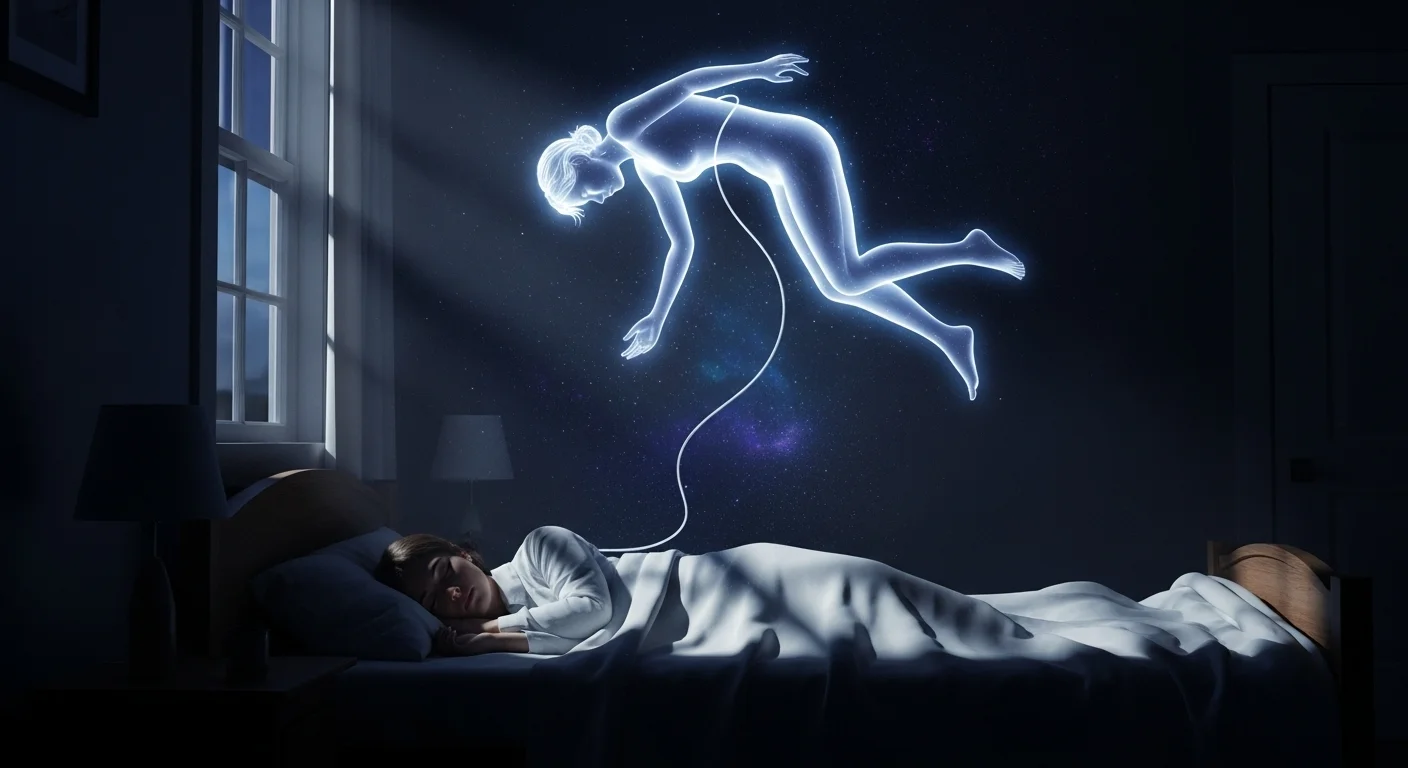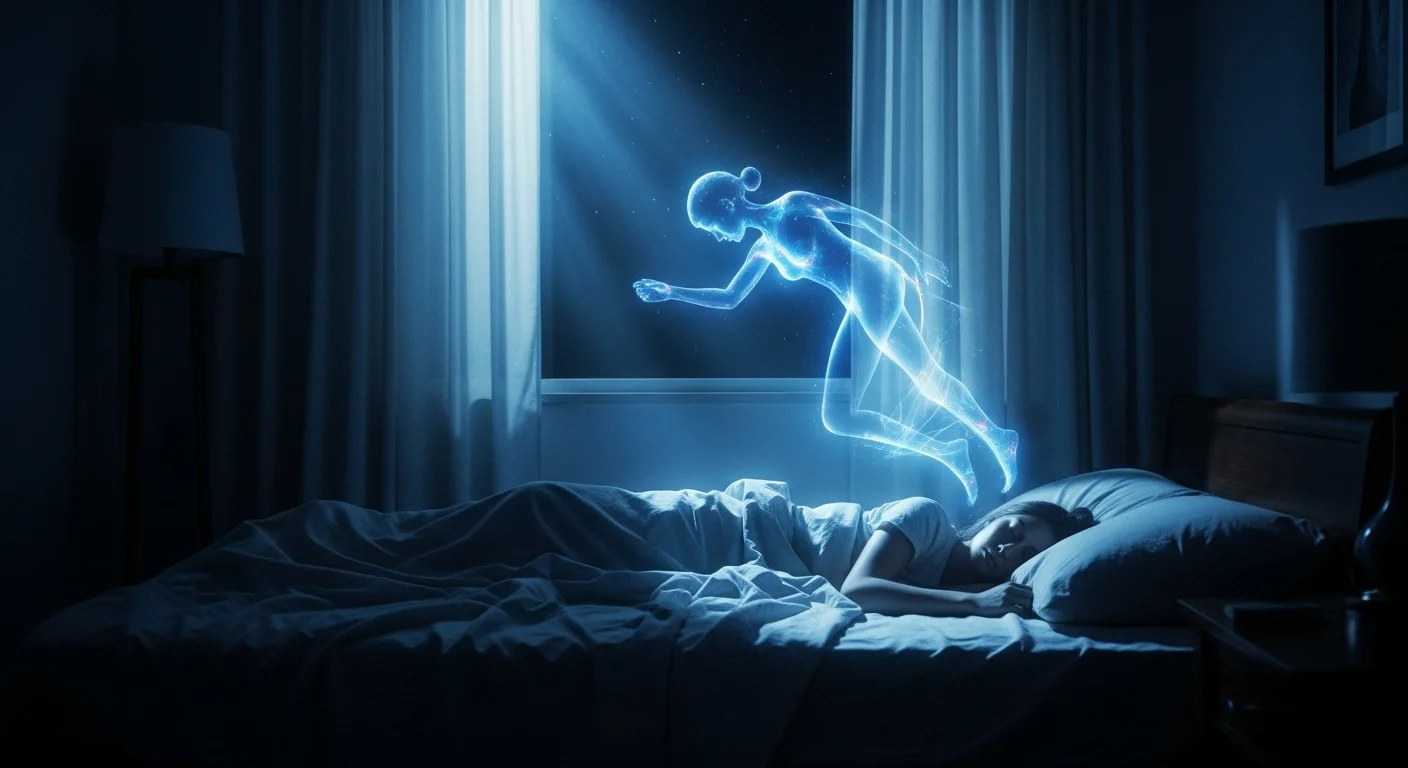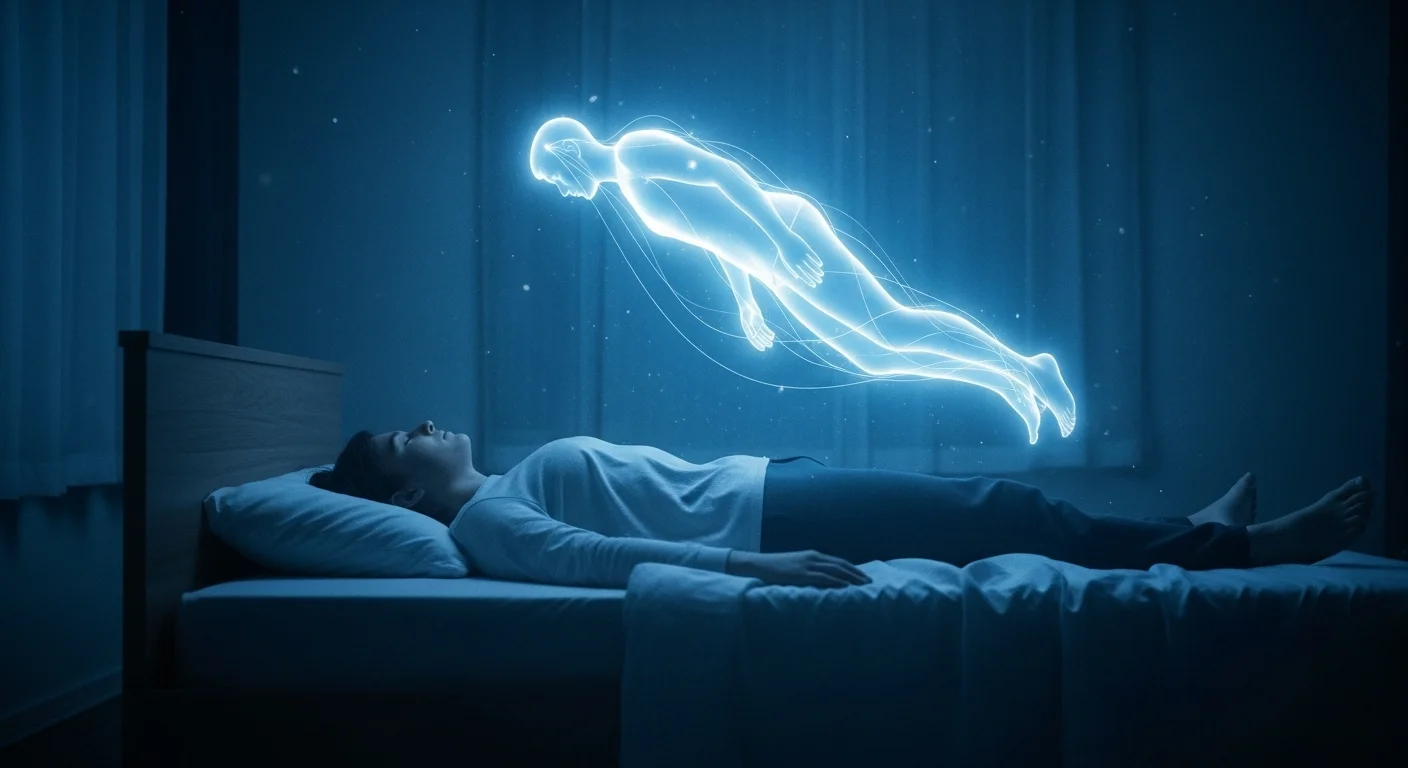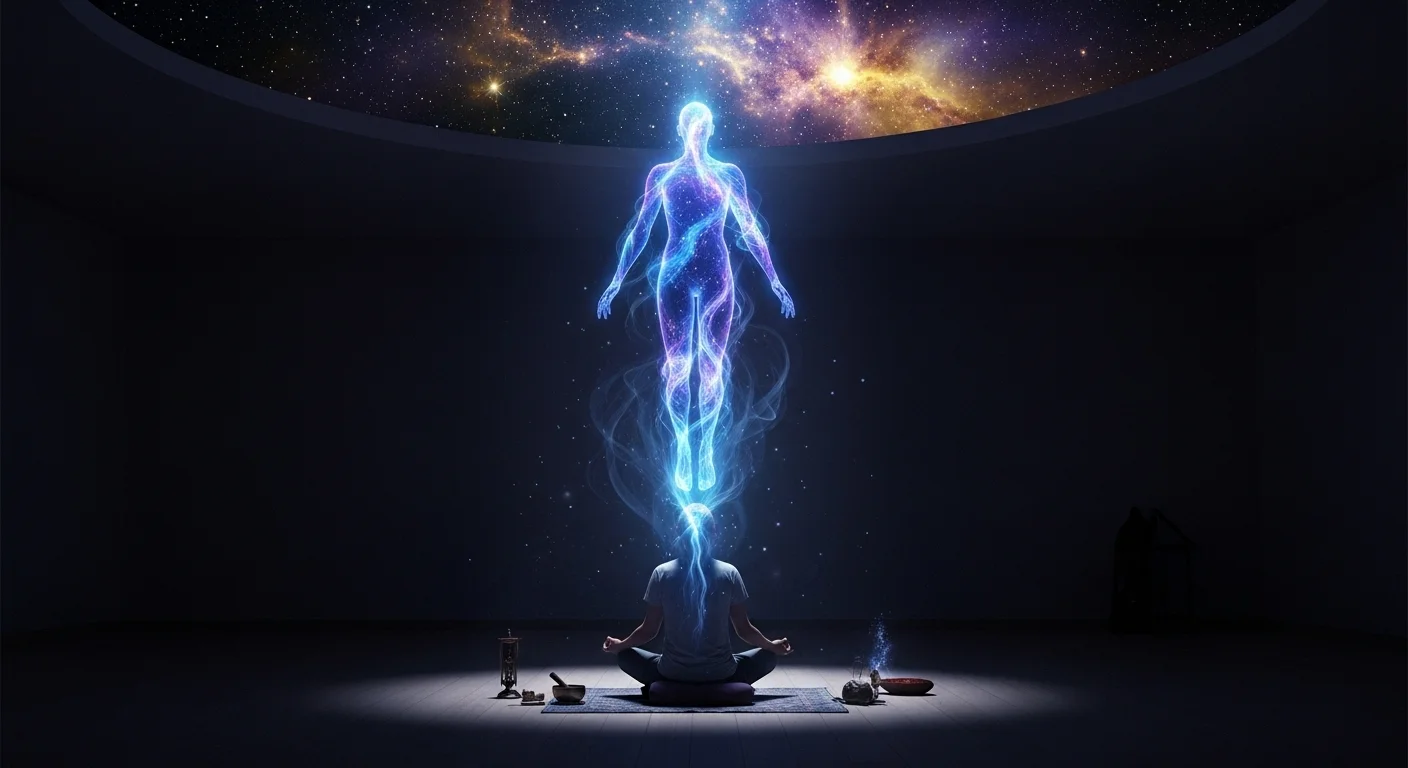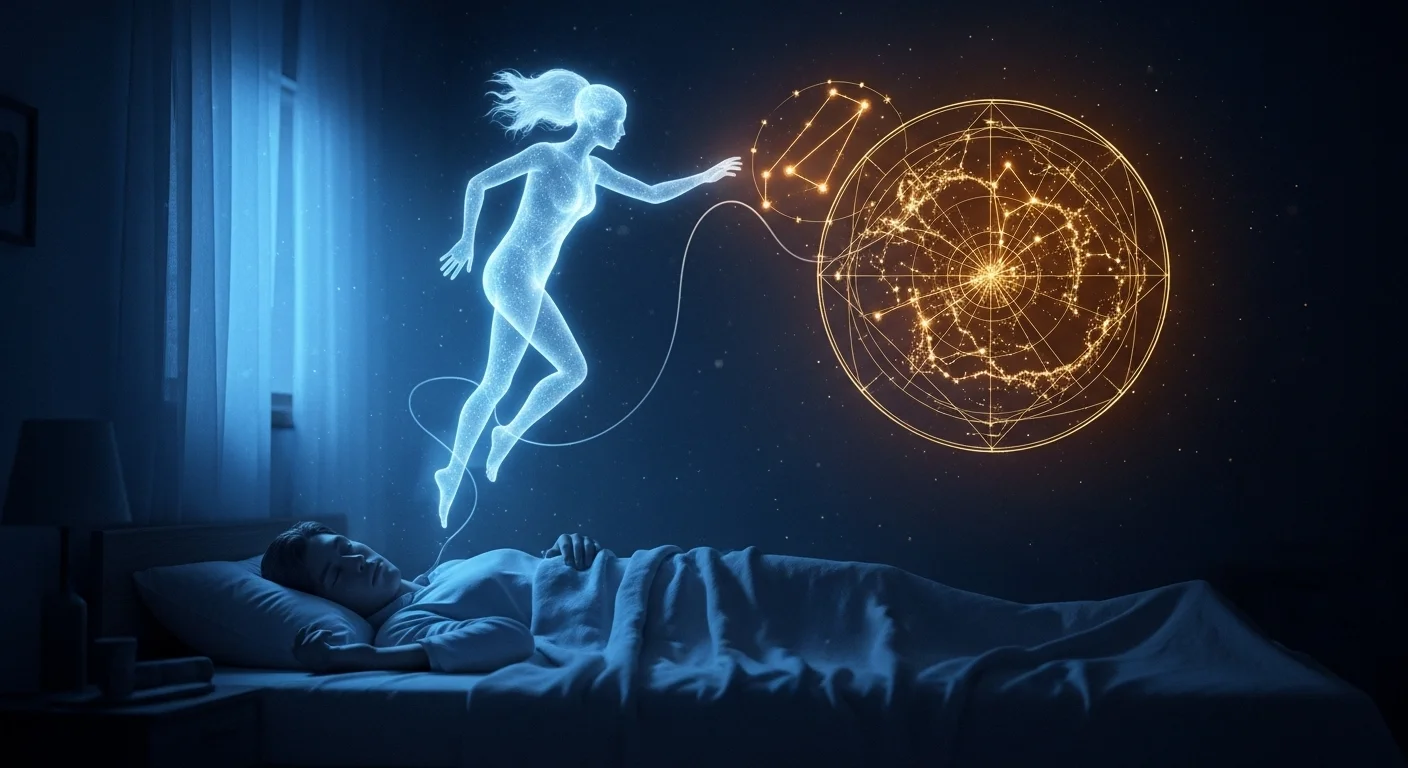

An out-of-body experience occurs when a person feels separated from the physical body. The individual perceives the world from a location outside of the physical form. This often involves seeing the body from an elevated perspective, such as from the ceiling. Researchers classify this phenomenon as a state of altered consciousness. It differs from a dream because the person feels fully awake and aware. The experience feels realistic and distinct to the subject involved.
These experiences happen during various specific situations. Many reports come from people who are near death or facing cardiac arrest. However, they also occur during periods of deep relaxation or sleep states. Some individuals report leaving their bodies during intense meditation sessions. Physical trauma or high levels of stress can also trigger the event. Medical studies suggest that specific brain functions change during these moments. The phenomenon is not always connected to life-threatening danger.
The brain constructs a model of where the body is located in space. It uses sensory information from the eyes and the inner ear. Sometimes, the brain fails to integrate this information correctly. This processing error causes a shift in the sense of self-location. The temporoparietal junction is a brain region often linked to this function. When this area is stimulated, people may feel they are outside their bodies. This provides a biological explanation for the event.
Common Visual Sensations During the Event
When an out-of-body experience begins, the individual often reports a distinct shift in visual perspective. Instead of looking through physical eyes, they perceive the environment from a point outside their physical body. A frequent observation involves seeing one’s own sleeping or resting form from above. This perspective often encompasses the entire room, including furniture and objects that are usually outside the normal field of vision. The visual details remain clear and recognizable despite the unusual vantage point.
Many accounts describe the quality of vision as sharper than normal physical sight. The lighting in the environment may appear different, often described as a soft or uniform glow that does not cast strong shadows. Some individuals report the ability to see in all directions simultaneously, known as spherical or 360-degree vision. This allows the person to observe the space behind them without turning their head. Colors may also appear more vivid or distinct than usual.
Another common visual sensation involves the transparency of physical objects. During the experience, solid structures like walls, ceilings, or doors may appear semi-transparent or permeable. This visual effect allows the observer to see into adjacent rooms or even outside the building while staying in one location. Movement often changes the visual field rapidly, as the person glides or floats through these barriers. The transition between different environments occurs seamlessly without the visual obstruction of physical matter.
Neurological Factors Behind the Phenomenon
Research indicates that out-of-body experiences often stem from specific brain activity. The temporoparietal junction is a key area involved in this process. This region processes sensory information from the ears, eyes, and skin. It helps the brain determine the location of the body in space. When this area malfunctions, it fails to integrate these signals correctly. This disruption causes the sensation that the self is located outside the physical body.
Scientists have successfully reproduced these sensations using electrical stimulation. By stimulating the right temporoparietal junction, researchers can trigger the feeling of floating above the body. This phenomenon also occurs during certain medical conditions. People with epilepsy or severe migraines may experience this state during a seizure. These events suggest that the experience is a physiological error rather than a supernatural event. The brain creates a false perspective due to temporarily mixed signals.
The vestibular system also plays a significant role in these episodes. This system controls balance and spatial orientation within the inner ear. When the visual system and the vestibular system send conflicting information, the brain attempts to resolve the conflict. It constructs a new coherent narrative to explain the mismatch. This construction results in the visual perception of seeing oneself from a distance. The brain prioritizes this new perspective to maintain stability.
Situations That Trigger Separation from the Body
Many people report leaving their bodies during moments of extreme physical stress. This often happens during near-death experiences or severe trauma. For example, a person might observe their own body during a cardiac arrest or a serious accident. Medical experts suggest that the brain alters its processing during these critical moments. This shift in brain activity can disconnect the sense of self from the physical body. The experience usually stops when the physical danger ends or medical treatment stabilizes the patient.
Separation can also occur during specific stages of sleep or rest. The transition between wakefulness and sleep is a common trigger point for this phenomenon. This specific time is known as the hypnagogic state. Sleep paralysis is another frequent cause where the mind wakes up while the muscles remain frozen. During these episodes, the brain may create vivid sensory hallucinations. These hallucinations can make a person feel as though they are floating above their bed or moving through the room.
Certain voluntary actions or external substances can also induce this phenomenon. Deep meditation practices sometimes lead to a sense of detachment from the physical form. Sensory deprivation tanks remove external stimuli and can produce similar results in some users. Additionally, specific psychedelic drugs affect the neurological systems that map the body. When these systems are disrupted, the brain struggles to locate the self within physical space. This confusion causes the sensation of viewing the body from an external perspective.
Scientific Studies on Autoscopy and Consciousness
Scientific research defines autoscopy as a phenomenon where an individual perceives the external world from a vantage point outside their physical body. Neurologists have identified specific brain regions associated with this experience. Studies using electrical stimulation show that the temporoparietal junction plays a critical role in processing sensory information. When this area malfunctions or receives artificial stimulation, it fails to integrate visual and tactile signals correctly. This disruption causes the brain to create a displaced sense of self.
Researchers often examine autoscopic phenomena in patients who survive cardiac arrest. Large-scale clinical studies investigate whether consciousness persists after the heart stops beating. The AWARE study is a prominent example of this research. It aims to verify visual reports from patients who claim to see events in the operating room during resuscitation. These studies attempt to determine if awareness is a product of brain activity or if it can function independently for a short duration.
Modern experiments use virtual reality technology to replicate out-of-body experiences in a controlled laboratory setting. Scientists use video goggles and tactile stimulation to manipulate a participant’s sense of body ownership. The results demonstrate that the brain constructs the feeling of being inside a body based on sensory input. These findings suggest that self-consciousness is a flexible mechanism rather than a fixed state. This research helps explain how the mind generates the physical sense of self.
Differences Between Lucid Dreaming and Out-of-Body Experiences
Lucid dreaming occurs when a person becomes aware that they are dreaming while the dream is still happening. The dreamer knows the environment is a mental creation and often controls the narrative. An out-of-body experience involves a sensation of floating outside the physical body and viewing the world from a different perspective. The primary distinction lies in the perception of reality. In a lucid dream, the setting feels constructed, whereas an out-of-body experience feels like a visit to a real physical location.
Control mechanisms differ significantly between these two states. During a lucid dream, the individual frequently manipulates the environment, changes the plot, or summons specific objects at will. The experience responds directly to imagination. In contrast, an out-of-body experience is usually characterized by observation rather than manipulation. The individual explores the existing environment but cannot typically alter physical objects or change the setting. The focus remains on witnessing the surroundings rather than creating them through mental effort.
The verification of these events also separates the two phenomena. A lucid dream often fades from memory or feels like a fantasy upon waking. The dreamer recognizes the events as internal mental processes. Conversely, people who report out-of-body experiences describe them as hyper-real events with lasting clarity. They often claim to see actual events in the physical world that they could not perceive from their bed. This external validation is a feature that distinguishes the experience from dreaming.
Your next step
If you already understand what astral projection is and you’re looking for practices that truly work, this e-book presents 35 tested techniques to induce out-of-body experiences. Each technique is explained clearly and directly, allowing you to choose the method that best fits your routine and level of awareness.
This material is ideal for those who want to apply objective and varied methods, speeding up the process of conscious out-of-body projection. It works for both beginners and practitioners who have already had experiences and want to expand their possibilities. This is a practical guide for anyone who wants consistent results.
If you are taking your first steps and want to understand the fundamentals of astral projection with clarity, this manual was created to make your learning easier. In it, you will find clear explanations about the subtle bodies, the stages of projection, the most common sensations, and how to deal with fear and mental blocks.
This e-book is recommended for anyone who needs a solid and safe foundation to start practicing with confidence. It organizes the concepts in a progressive way, helping you understand the process as a whole and develop a consistent and conscious practice.
For those who want more complete and in-depth guidance, the complete astral projection course offers structured lessons, guided practices, visualizations, advanced techniques, and ongoing support. The content was designed to take you from theory to practice with safety and consistency.
This course is suitable for all levels, from beginner to advanced, and provides a systematic approach based on years of research, experience, and proven results. You will learn how to awaken your potential, gain control of your experiences, and integrate spiritual insights into your daily life.