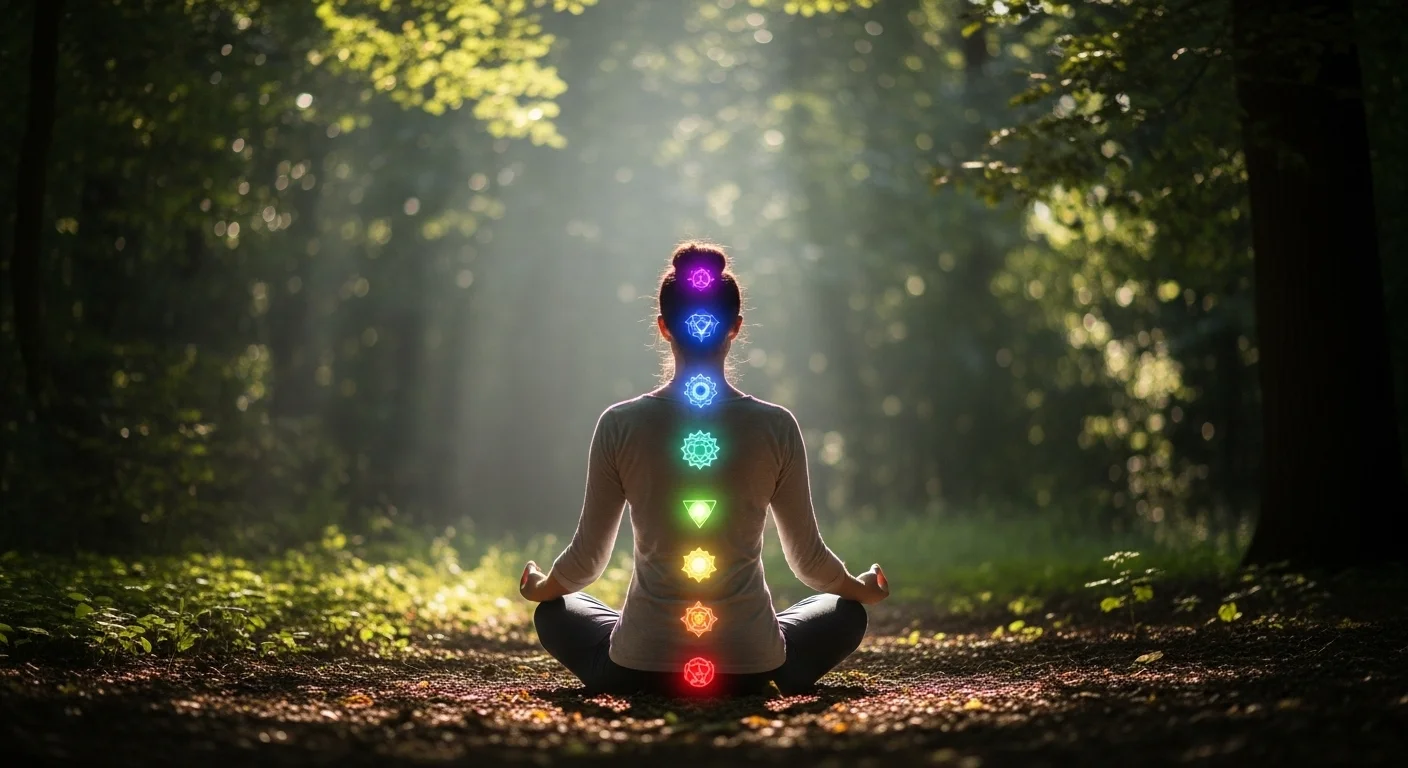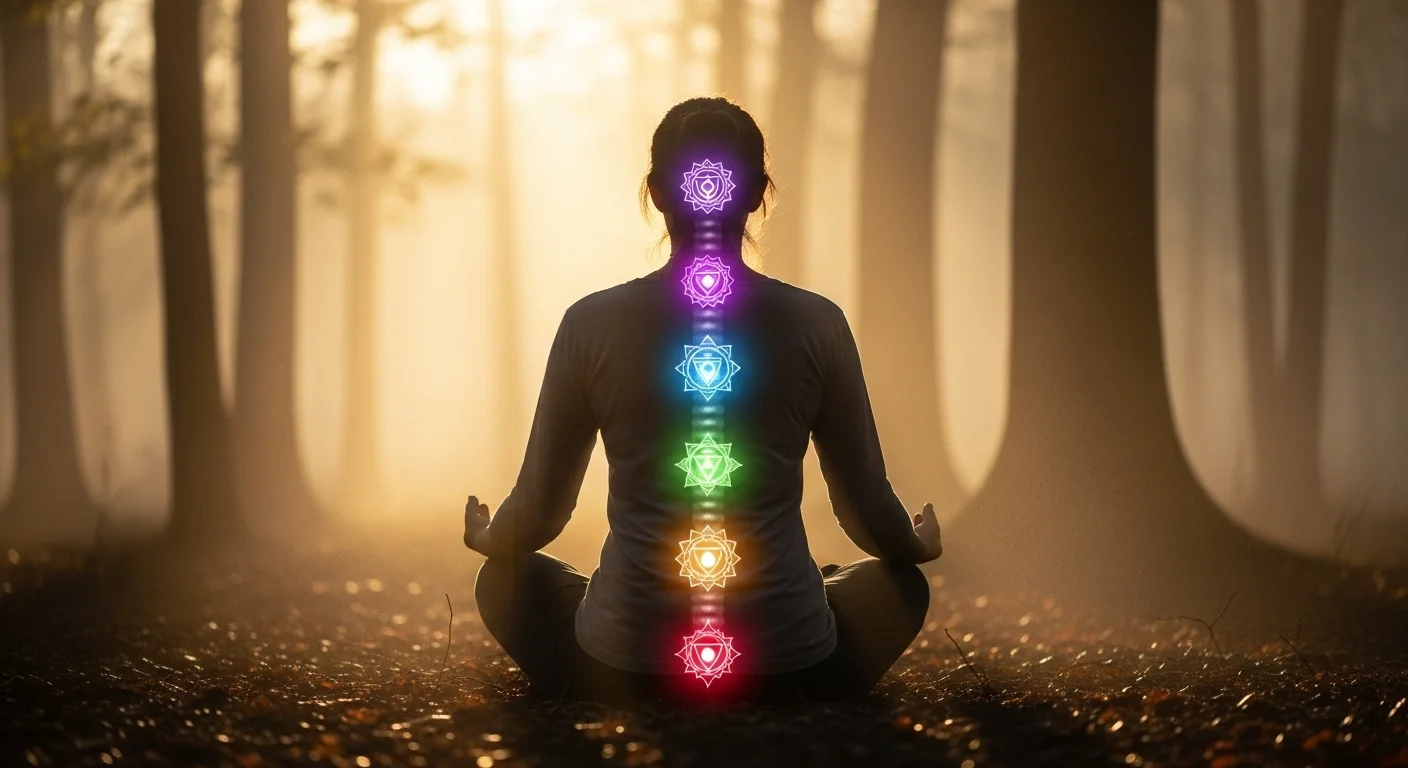
The Muladhara chakra is situated at the very base of the spine. It is specifically located in the perineum, which is the area between the anus and the genitals. This center serves as the primary foundation for the energy system in the human body.
The name Muladhara originates from the Sanskrit language. The word Mula means root, while Adhara means support or base. Consequently, this center is often called the Root Chakra. This designation highlights its function as the fundamental support for physical existence and personal stability.
This energy center connects directly to the earth element and the color red. These attributes symbolize grounding and survival instincts. The function of this chakra focuses on satisfying basic human needs like safety and shelter. It governs the sense of security in the physical world.
Associated Element, Color, and Symbolism
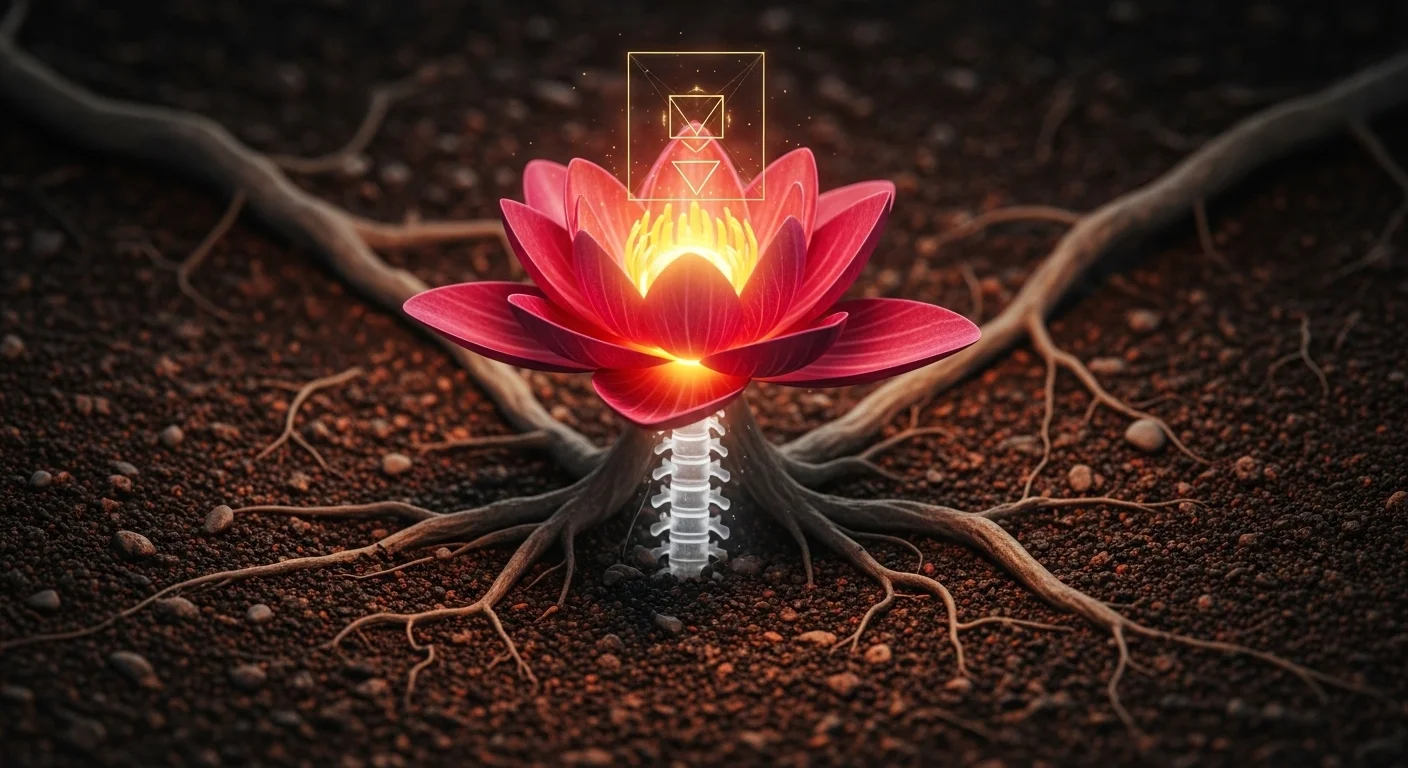
The Muladhara chakra is directly associated with the Earth element. This element represents solid matter, stability, and structure within the physical world. In the context of yoga philosophy, the Earth element provides the necessary grounding for the body and serves as a foundation for physical survival.
The primary color connected to this energy center is red. This color possesses the slowest vibration and the longest wavelength in the visible spectrum. It signifies vitality, physical strength, and the basic primal energy required to maintain life and health in the human body.
Traditional symbolism depicts this chakra as a lotus flower with four crimson petals. Inside the lotus is a yellow square, which visually represents the Earth element and rigidity. At the center of the square is the Sanskrit syllable Lam, which is the seed sound for this specific chakra.
Physical Organs Connected to the Root Chakra
The Muladhara chakra is located at the base of the spine. Consequently, it governs the solid physical structures in this specific region. Its influence primarily extends to the skeletal system and the lower extremities. This includes the legs, the feet, and the entire pelvic bone structure.
This energy center connects directly to the excretory system. It manages the functions of the large intestine, the rectum, and the anus. Additionally, the root chakra relates to the kidneys and the bladder. These organs are responsible for processing solid waste and fluids within the body.
In the endocrine system, the Muladhara is linked to the adrenal glands. These glands regulate the stress response. Furthermore, this chakra supports the teeth, nails, and bones. Proper function of these physical parts relies on the stability associated with the root chakra’s energy flow.
Psychological Roles and Survival Instincts
The Muladhara chakra governs the mind’s fundamental need for stability. It creates a necessary foundation for mental health by ensuring a sense of safety. When this energy center functions correctly, an individual feels grounded and secure. This psychological state reduces anxiety and promotes confidence in daily activities.
This chakra controls the primary survival instincts found in the human body. It activates the fight-or-flight response when a person faces immediate danger. This biological mechanism prioritizes essential physical needs, such as food and shelter. The energy focuses entirely on self-preservation and maintaining physical existence.
A blockage in this area often leads to specific psychological issues. A person may experience chronic fear, insecurity, or paranoia without a clear cause. These negative feelings disrupt normal decision-making processes. The mind focuses excessively on potential threats rather than focusing on personal growth.
Signs of Imbalance in the Muladhara Chakra
Physical symptoms often indicate an issue with the root chakra. A person may experience chronic fatigue or lethargy despite sleeping well. Common problems include lower back pain, inflammation in the sciatic nerve, and digestive disorders like constipation. These issues suggest a lack of grounding energy.
Mental instability is another clear sign of a blocked root chakra. Individuals often feel high levels of anxiety and persistent fear without a specific cause. This state creates a sense of insecurity and makes it difficult to focus on daily tasks or long-term goals.
Behavioral changes also occur when this energy center functions poorly. A person might show excessive attachment to material possessions or money due to a fear of scarcity. This survival mode often leads to greed, rigidity in routines, and a strong resistance to necessary changes.
Methods to Balance and Strengthen the Root Chakra
Specific yoga poses help balance the Muladhara chakra. Useful positions include Tadasana and Vrikshasana. These exercises increase physical stability and leg strength. Walking barefoot on natural surfaces like grass or soil also supports this process. This practice connects the body directly to the ground.
Meditation techniques often focus on the base of the spine. Practitioners chant the seed mantra “LAM” to activate this energy center. Visualizing the color red during these sessions is another common method. These mental exercises aim to reduce anxiety and increase feelings of security.
Dietary changes can also strengthen the root chakra. Eating root vegetables like carrots and potatoes provides essential nutrients. Aromatherapy using cedarwood or patchouli oil is frequently recommended. Some individuals also utilize stones such as red jasper or hematite to maintain a sense of stability.
Your Next Step
You can deepen your knowledge even further with the comprehensive manual I’ve prepared on the 7 main chakras. In it, you’ll understand what chakras are, their physical, emotional, and spiritual aspects, as well as the associated deities. It also includes practical charts with crystals, flower essences, scents, Reiki, and much more.

Additionally, you can purchase my book, 69 Exercises for Chakra Alignment—a direct, accessible, and transformative guide filled with specific techniques to work on each chakra. This material is perfect for both those looking to apply exercises in their daily routine and therapists seeking safe, structured resources to use in their sessions.