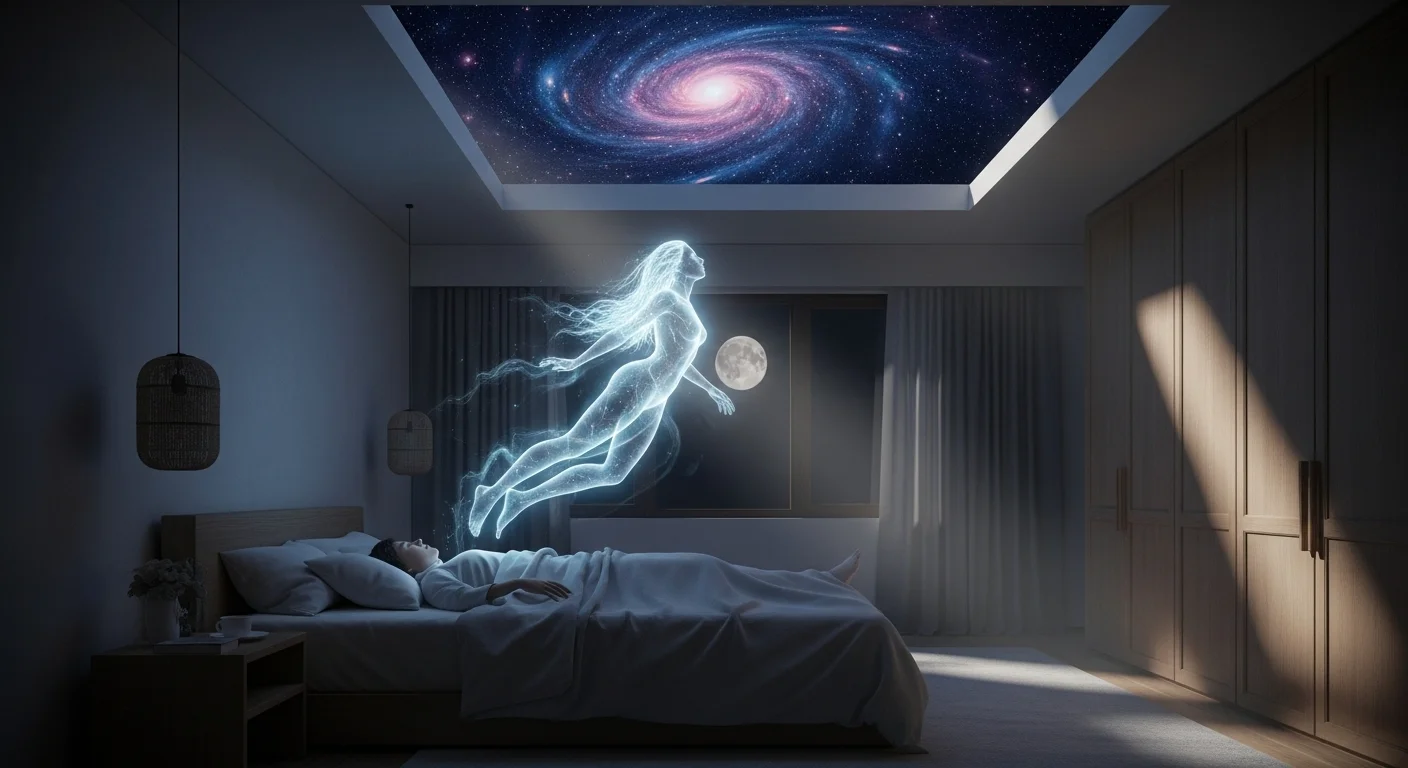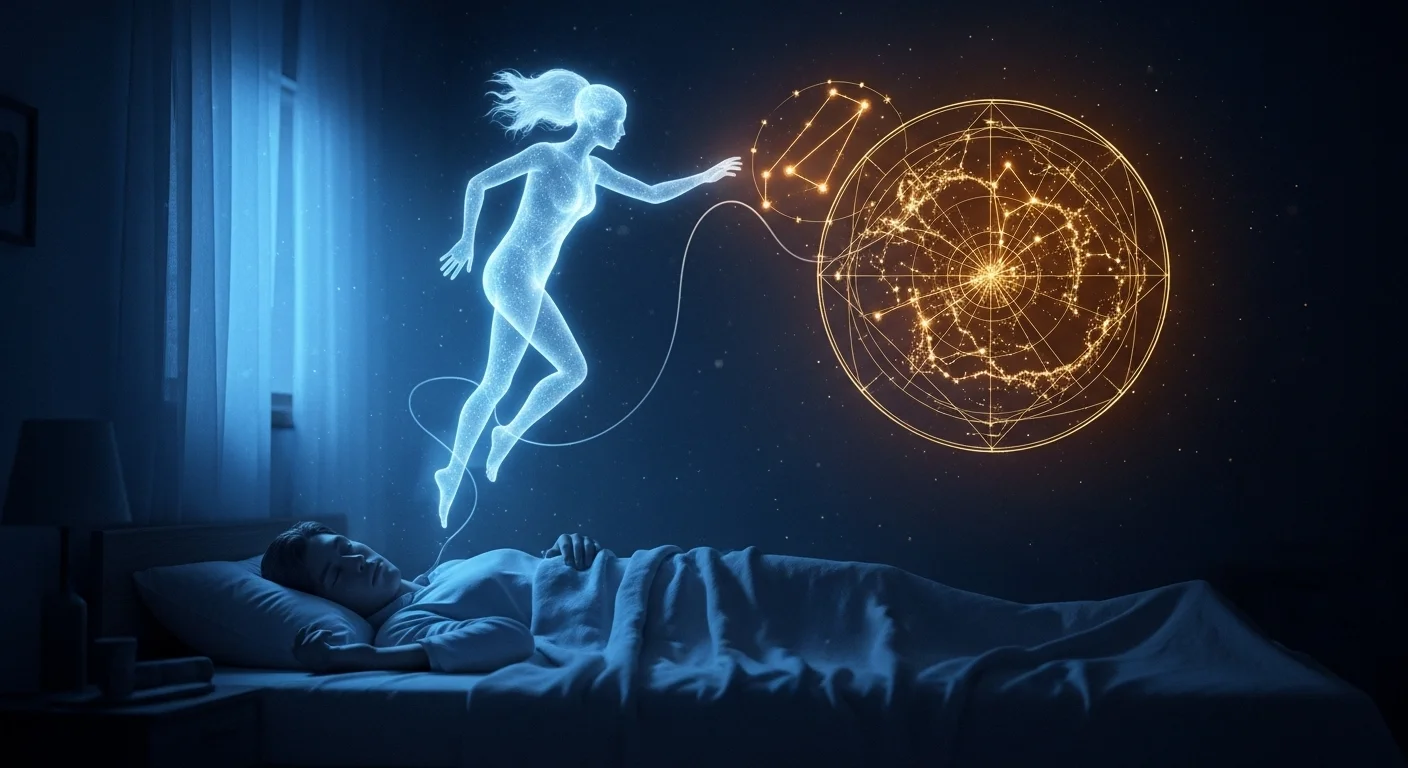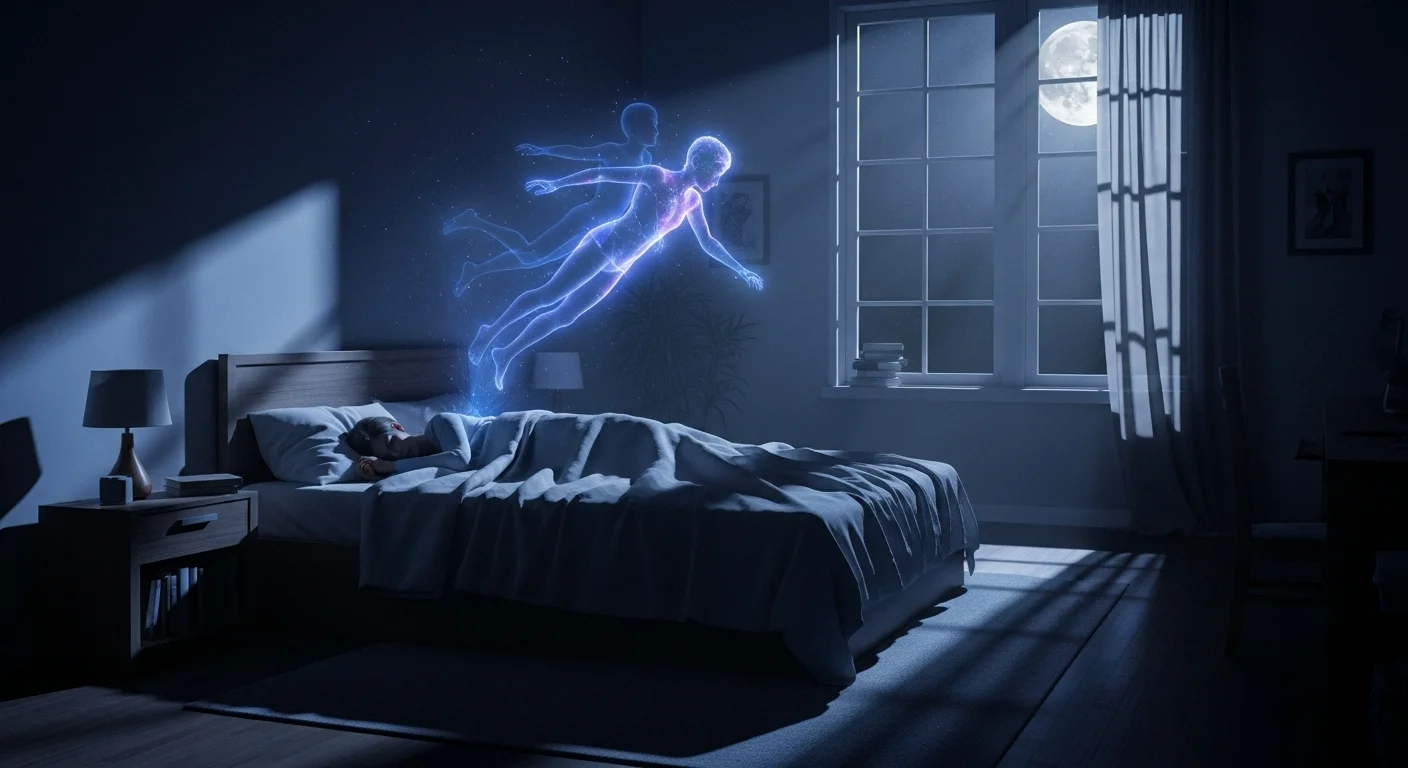
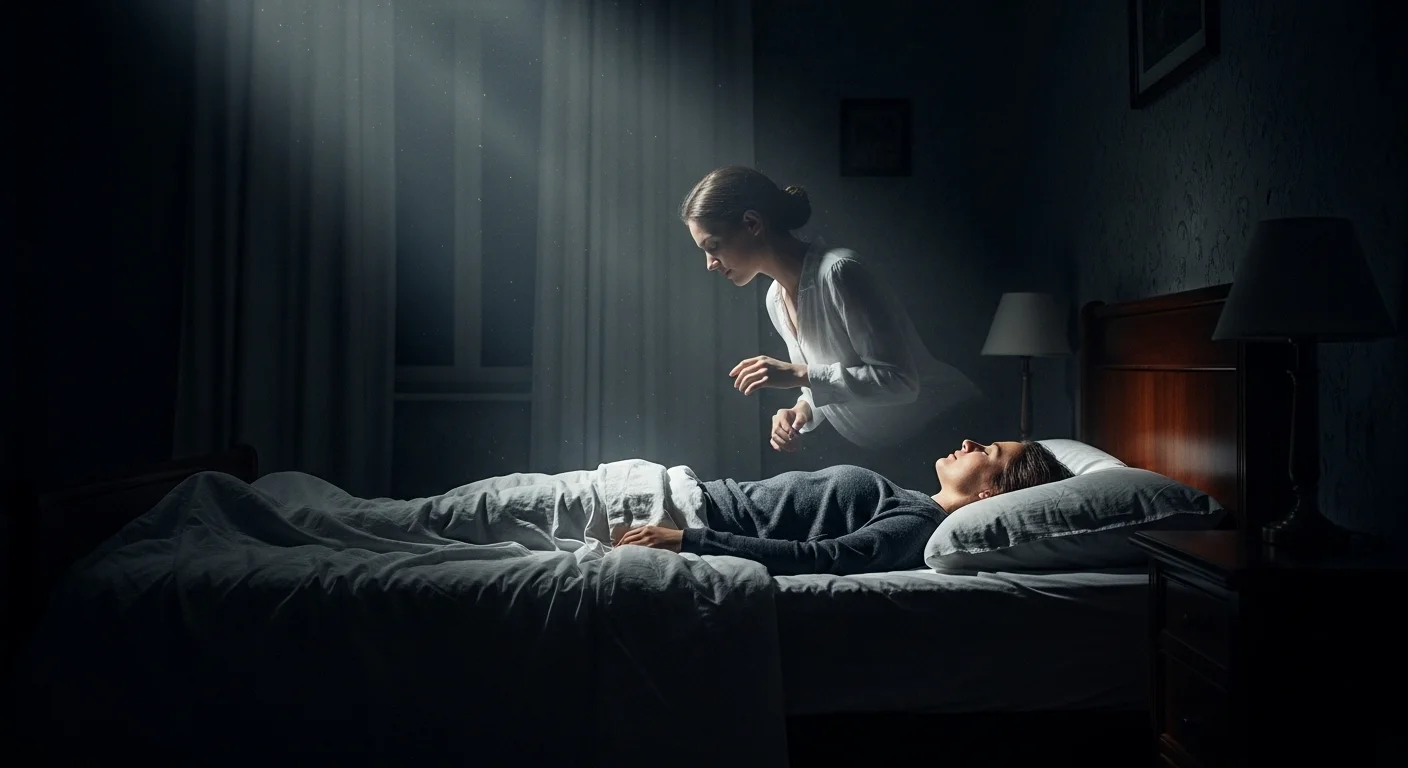
An out-of-body experience is a state where a person feels that their consciousness is separated from their physical body. Individuals report a sensation of floating outside themselves and observing their own physical form from a distance. This phenomenon often involves a shift in perspective, where the center of perception moves away from the eyes. The experience feels vivid and real to the subject, rather than like a dream or a hallucination. It can occur spontaneously or be induced by specific techniques.
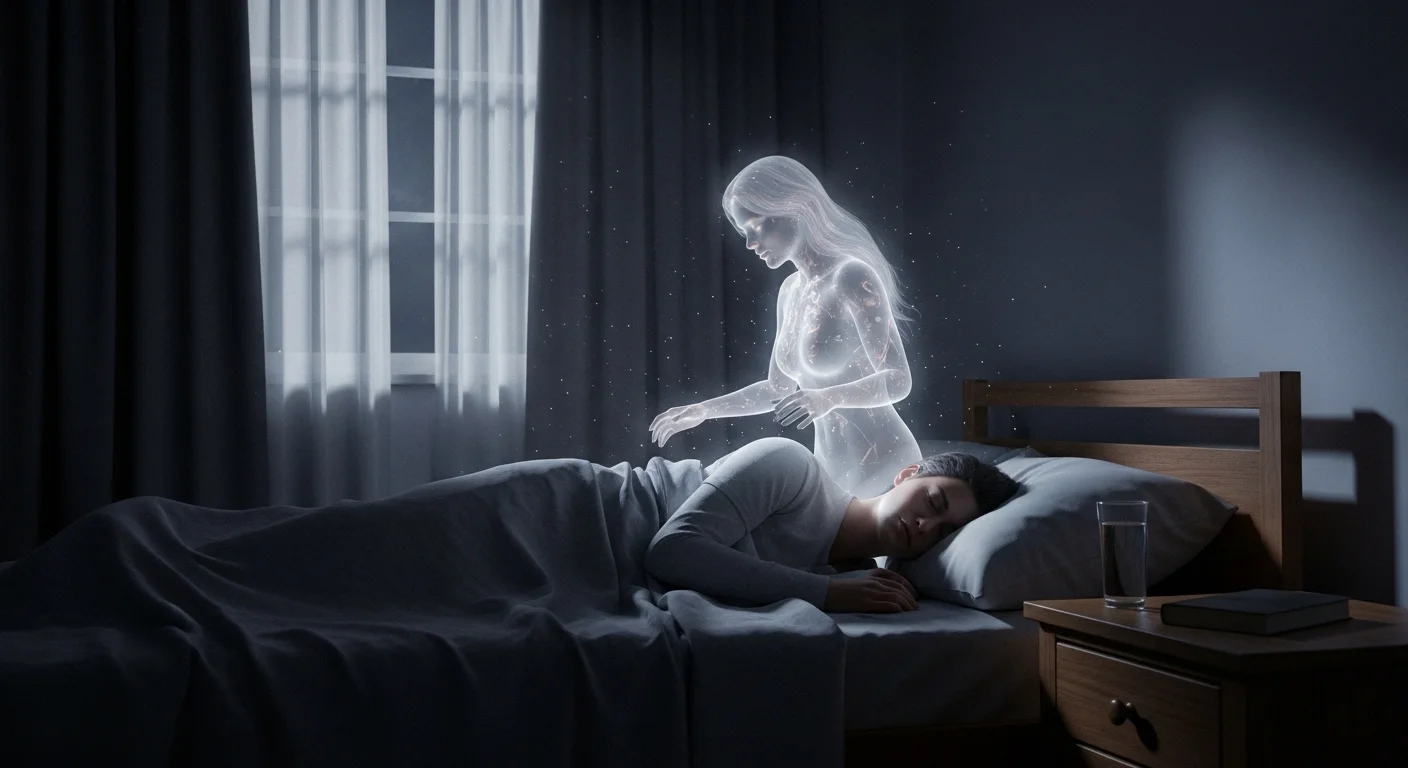
A primary characteristic of this event is the visual perception of one’s own body from an external vantage point. This specific visual element is often called autoscopy. These experiences frequently happen during moments of extreme physical relaxation, sleep paralysis, or near-death situations. However, they can also occur when the brain is functioning normally during meditation or deep focus. Researchers classify these events as altered states of consciousness. The duration varies significantly, ranging from a few seconds to several minutes.
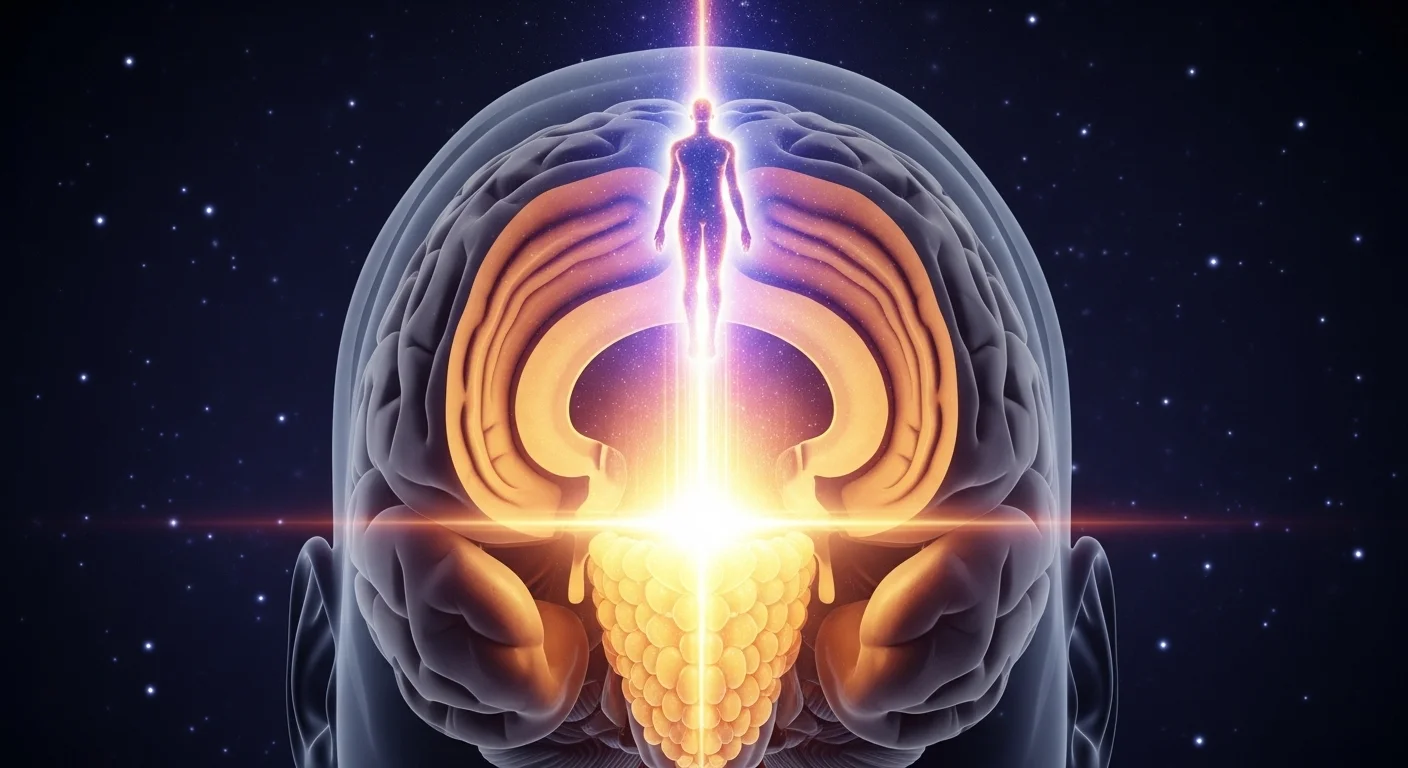
Medical professionals and scientists study this phenomenon to understand the relationship between the brain and the sense of self. Neurological studies suggest that specific brain regions, such as the temporoparietal junction, play a role in creating this sensation. Despite the feeling of separation, the body remains biologically active and functioning. It is important to note that this experience is not considered a mental disorder. Most individuals who report these events are psychologically healthy and describe the occurrence as distinct from imagination.
Scientific Explanations for Visualizing the Physical Body
Researchers attribute the sensation of seeing one’s own body to specific brain activity. The primary area involved is the temporoparietal junction. This region integrates information from the visual, tactile, and vestibular systems to create a sense of physical location. When electrical stimulation disrupts this area, the brain fails to integrate sensory inputs correctly. This failure creates a sensory conflict. Consequently, the brain constructs a false perspective where the individual perceives their body from an external location.
Various physiological states can also trigger these visual hallucinations. Extreme physical stress, near-death experiences, or deep sleep stages often precede the phenomenon. Scientists observe that sleep paralysis prevents muscle movement while the mind remains alert. This state causes a disconnect between motor signals and sensory feedback. The brain attempts to resolve this discrepancy by projecting a visual representation of the self. Psychological dissociation during traumatic events serves a similar function by separating the mind from the physical body.
Disorders affecting the vestibular system frequently contribute to these experiences. The vestibular system resides in the inner ear and manages balance and spatial orientation. When this system malfunctions, it sends erratic signals to the brain regarding the body’s position in space. The cortex receives contradictory data about gravity and movement. To interpret these conflicting signals, the brain generates a visual hallucination of the body. This process explains why people with vestibular disorders often report seeing themselves from outside.
Common Triggers That Induce the Experience
Many out-of-body experiences occur during life-threatening situations. Medical experts often report that patients feel separated from their physical forms during cardiac arrest or severe brain trauma. This specific type of event is frequently called a near-death experience. The brain reacts to extreme stress or oxygen deprivation by altering sensory perception. These biological changes can disrupt the integration of visual and tactile information. Consequently, the individual perceives the self from a location outside the body.
Specific states of consciousness related to sleep also trigger these sensations. Sleep paralysis is a common cause where the mind wakes up while the body remains immobile. This disconnect often leads to the feeling of floating above the bed. The phase just before falling asleep can produce similar effects due to unstable sensory signals. Additionally, deep meditation or isolation tanks reduce external input to the brain. This lack of data forces the mind to construct a simulated spatial reality.
Chemical substances and neurological factors play a significant role in inducing these episodes. Anesthetic drugs used in surgery often disrupt the connection between the brain and body. Dissociative substances affect neural pathways and create a sense of detachment from physical reality. Scientific studies show that electrical stimulation of the temporoparietal junction causes similar results. This brain region controls how the body maps its position in space. Malfunctions here directly lead to the perception of seeing oneself from a distance.
Sensations Reported During the Event
Individuals often describe specific physical symptoms right before the experience begins. The most common report involves a state of sleep paralysis where the body feels unable to move. During this phase, many people feel intense vibrations or shaking that spreads through the entire body. These vibrations frequently come with loud buzzing, humming, or roaring sounds that are not audible to others. These initial physical signs usually happen while the person is mentally awake but physically asleep.
Once the separation process starts, the primary sensation is a feeling of weightlessness or floating. Subjects report drifting upwards towards the ceiling or rolling out of their physical body. After this movement occurs, they often see their physical form resting on the bed from an external perspective. This visual confirmation is a defining characteristic of the phenomenon. The person typically feels they occupy a separate form that mimics the shape of the physical body.
Sensory perception changes significantly during the event. Vision often becomes distinct, allowing observation of the room from different angles. Hearing may become sharper or nonexistent depending on the specific case. Emotionally, reports vary between initial fear caused by the strange sensations and a sudden sense of calm. Some individuals claim they can pass through solid objects like walls or doors. The experience usually ends with a rapid sensation of returning quickly into the physical body.
Neurological Causes of Self-Visualization
Scientists have identified the temporoparietal junction as a critical area for out-of-body experiences. This brain region processes signals from the visual, tactile, and vestibular systems to determine body location. Research demonstrates that electrical stimulation of this area can trigger the sensation of leaving the physical form. When the brain fails to integrate these signals correctly, the individual perceives their body from an outside point of view. This creates a distinct visual separation from the self.
The vestibular system is essential for balance and spatial orientation. Neurological studies indicate that conflicts between visual data and vestibular signals disrupt the brain’s internal model. The brain attempts to fix this sensory mismatch by shifting the visual perspective. This adjustment results in the hallucination of seeing the body from a distance. These processing errors frequently happen during sleep paralysis or severe physical trauma. The brain constructs a new perspective to maintain spatial coherence.
Specific medical conditions directly impact the neurological pathways that control self-perception. Individuals with temporal lobe epilepsy often report viewing themselves from above during seizures due to erratic electrical activity. Furthermore, dissociative anesthetics interfere with the neurotransmitters that manage sensory processing. These chemical changes disconnect conscious awareness from physical sensations. Consequently, the brain constructs a visual representation of the body to compensate for the missing sensory feedback. This leads to the phenomenon of self-visualization.
Distinctions Between Hallucinations and Out-of-Body Experiences
Out-of-body experiences typically follow a structured narrative that resembles reality. Individuals report seeing their physical environment clearly and accurately from a different perspective. In contrast, hallucinations often contain disorganized or impossible elements that do not match the physical world. Medical professionals note that people who experience leaving their body often retain full mental clarity during the event. This clarity allows them to recall specific details about their surroundings that can sometimes be verified later by others.
The triggers for these two phenomena usually differ significantly in medical contexts. Hallucinations frequently result from chemical imbalances, high fever, sleep deprivation, or the use of specific substances. They indicate a temporary malfunction in sensory processing within the brain. On the other hand, out-of-body experiences often occur during near-death situations, deep meditation, or sudden trauma. These experiences happen even when brain function differs from the states associated with psychosis. The subject feels a specific detachment rather than sensory distortion.
The psychological impact on the individual serves as a final major distinction. People who experience hallucinations often feel confusion, fear, or anxiety after the event ends. They typically recognize the images as false or symptoms of a medical issue. Conversely, those who undergo an out-of-body experience usually describe it as a profound and positive event. They view the occurrence as real rather than illusory. This often leads to lasting changes in their beliefs about consciousness and death.
Your next step
If you already understand what astral projection is and you’re looking for practices that truly work, this e-book presents 35 tested techniques to induce out-of-body experiences. Each technique is explained clearly and directly, allowing you to choose the method that best fits your routine and level of awareness.
This material is ideal for those who want to apply objective and varied methods, speeding up the process of conscious out-of-body projection. It works for both beginners and practitioners who have already had experiences and want to expand their possibilities. This is a practical guide for anyone who wants consistent results.
If you are taking your first steps and want to understand the fundamentals of astral projection with clarity, this manual was created to make your learning easier. In it, you will find clear explanations about the subtle bodies, the stages of projection, the most common sensations, and how to deal with fear and mental blocks.
This e-book is recommended for anyone who needs a solid and safe foundation to start practicing with confidence. It organizes the concepts in a progressive way, helping you understand the process as a whole and develop a consistent and conscious practice.

For those who want more complete and in-depth guidance, the complete astral projection course offers structured lessons, guided practices, visualizations, advanced techniques, and ongoing support. The content was designed to take you from theory to practice with safety and consistency.
This course is suitable for all levels, from beginner to advanced, and provides a systematic approach based on years of research, experience, and proven results. You will learn how to awaken your potential, gain control of your experiences, and integrate spiritual insights into your daily life.