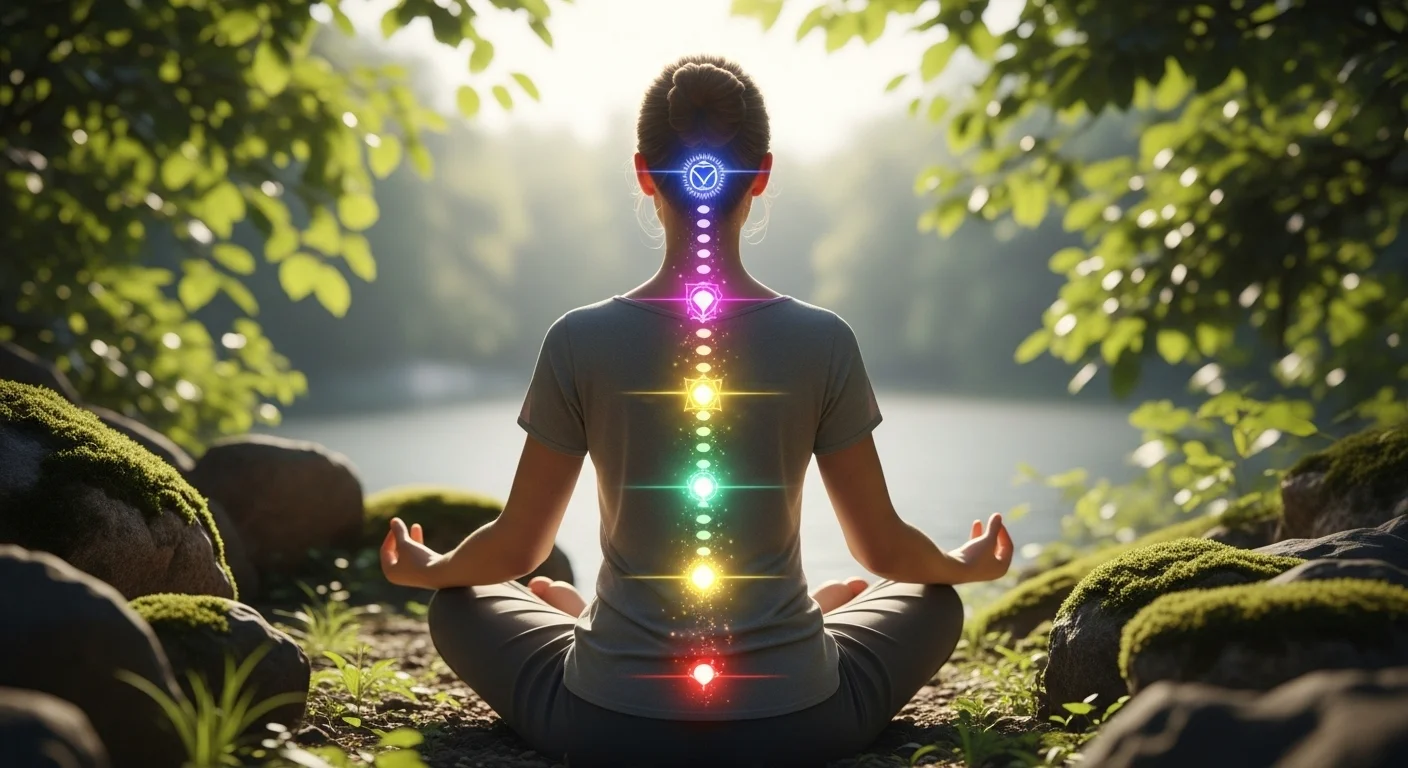
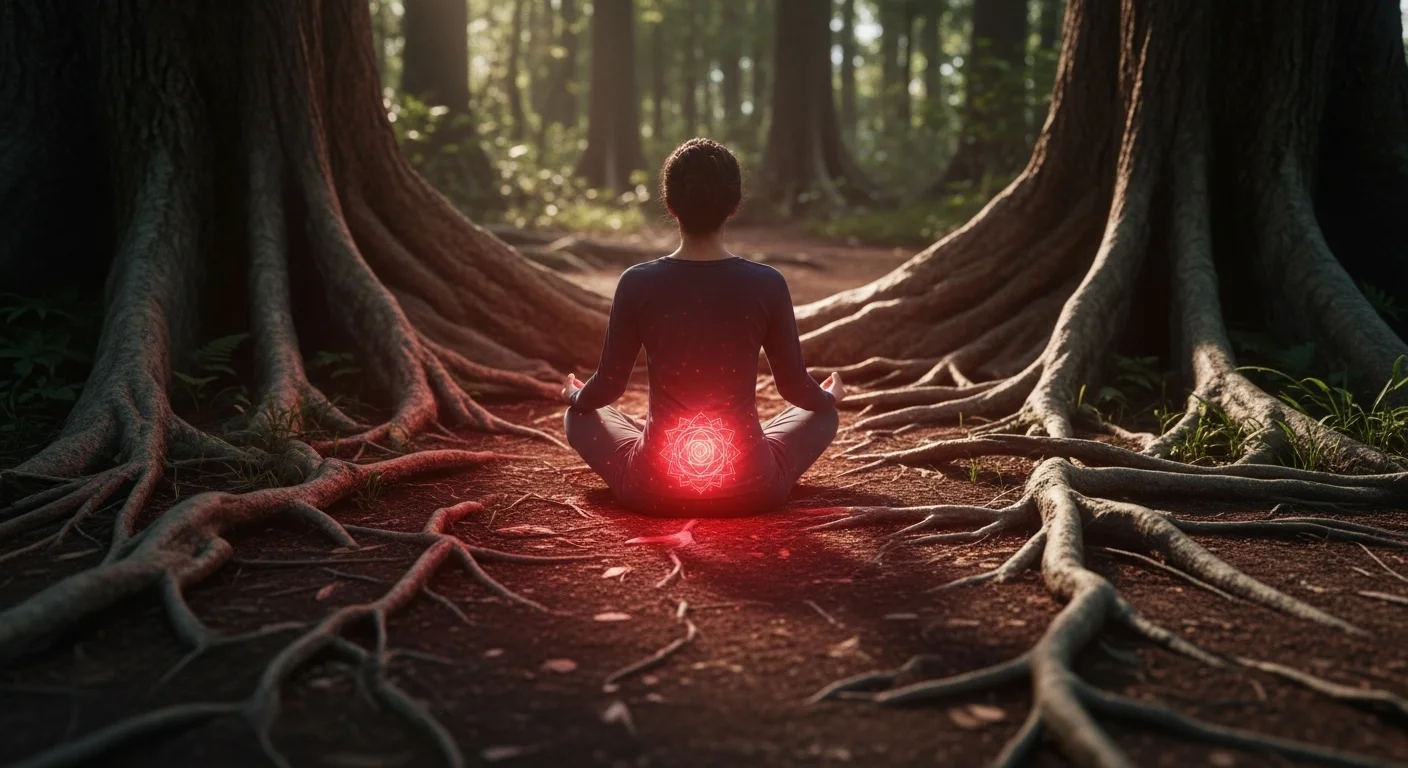
The root chakra is the first energy center in the human body system. Its Sanskrit name is Muladhara, which translates to root and support. This specific center sits at the base of the spine near the tailbone. It forms the primary foundation for the system.
This chakra relates directly to the earth element and physical stability. The associated color is red, which represents vitality and strength. It governs basic survival needs such as food, shelter, and safety. A balanced root chakra provides a sense of security and physical grounding.
Physically, the root chakra influences the legs, feet, and the immune system. It also connects to the skeletal structure. On a psychological level, it controls feelings of fear and survival instincts. Proper function leads to stability, while dysfunction causes anxiety and physical restlessness.
Location and Physical Associations
The Root Chakra is located at the base of the spine. It sits between the anal outlet and the genital organ. This area corresponds to the perineum and the coccyx bone. Practitioners identify this specific point as the physical foundation for the body’s entire energy system.
This energy center governs the lower part of the human body. It connects directly to the legs, feet, and the lower back area. The skeletal system and the large intestine also function under its influence. These physical structures support stability and movement in daily life.
The adrenal glands represent the primary endocrine organs associated with this chakra. These glands manage the stress response within the human body. When active, they release hormones that control the fight-or-flight mechanism. This biological process ensures physical survival during dangerous or threatening situations.
Psychological Functions of the Muladhara
The Muladhara chakra governs the most basic mental needs related to physical survival and self-preservation. It controls the primary psychological drive for food, shelter, and sleep. When this center functions correctly, an individual feels a sense of safety and security in their daily life.
This energy center also manages the psychological response to fear and external threats. It triggers the instinctual fight or flight mechanism when a person faces danger. A balanced Root Chakra allows a person to manage anxiety effectively without being overwhelmed by constant panic.
Finally, this chakra influences the sense of belonging and connection to the physical reality. It helps the mind focus on the present moment rather than abstract worries. This psychological function provides the necessary mental clarity to handle practical tasks and immediate life challenges.
Symptoms of an Imbalanced Root Chakra
Physical signs often indicate a disruption in the root chakra. Individuals may experience chronic fatigue or lethargy despite getting enough sleep. Common complaints include lower back pain and stiffness in the legs or feet. Digestive problems, such as constipation or diarrhea, frequently occur alongside these issues.
Emotional instability is another primary symptom of this imbalance. A person often feels excessive anxiety or deep insecurity about their safety. Concerns regarding basic needs, such as housing and money, become overwhelming. This state leads to a lack of focus and a feeling of being ungrounded.
Behavioral changes also signal a blockage in energy. Some individuals resist change and hold onto old habits strictly. Others may display aggression or become overly defensive when challenged. In certain cases, people might hoard material possessions in an attempt to create a false sense of security.
Methods to Balance the Root Chakra
You can balance the Root Chakra by engaging in physical activities. Exercises like yoga or walking help connect the body to the ground. Spending time outside in nature is also effective. These actions reinforce a sense of stability and physical security in your daily life.
Meditation is another practical method for regulation. Sit comfortably and focus your attention on the base of the spine. Visualizing the color red can assist this process. Regular practice of this specific focus calms the nervous system and supports the energy center at the spinal base.
Dietary choices also influence this energy center. Eating root vegetables like potatoes and carrots provides necessary nutrients. Additionally, using specific scents such as cedarwood or sandalwood can aid relaxation. Incorporating these simple elements into your routine creates a supportive environment for maintaining balance.
Yoga Poses for the Root Chakra
Yoga practice targets the Root Chakra by focusing on physical stability. Specific poses utilize the legs and feet to build personal security. Engaging these muscles creates a base and improves balance. You must maintain focus on the contact point between the feet and the floor.
Standing poses like Mountain Pose and Tree Pose are effective methods. These movements require firm contact with the ground. Holding these positions aligns the spine properly. This action encourages a connection with the surface beneath you and stabilizes the posture for better control.
Seated postures such as Easy Pose or Child’s Pose also support this system. These positions bring the hips and pelvis near the floor. Practicing floor exercises releases tension in the back. This process promotes a feeling of safety and assists with physical grounding.
Your Next Step
You can deepen your knowledge even further with the comprehensive manual I’ve prepared on the 7 main chakras. In it, you’ll understand what chakras are, their physical, emotional, and spiritual aspects, as well as the associated deities. It also includes practical charts with crystals, flower essences, scents, Reiki, and much more.

Additionally, you can purchase my book, 69 Exercises for Chakra Alignment—a direct, accessible, and transformative guide filled with specific techniques to work on each chakra. This material is perfect for both those looking to apply exercises in their daily routine and therapists seeking safe, structured resources to use in their sessions.