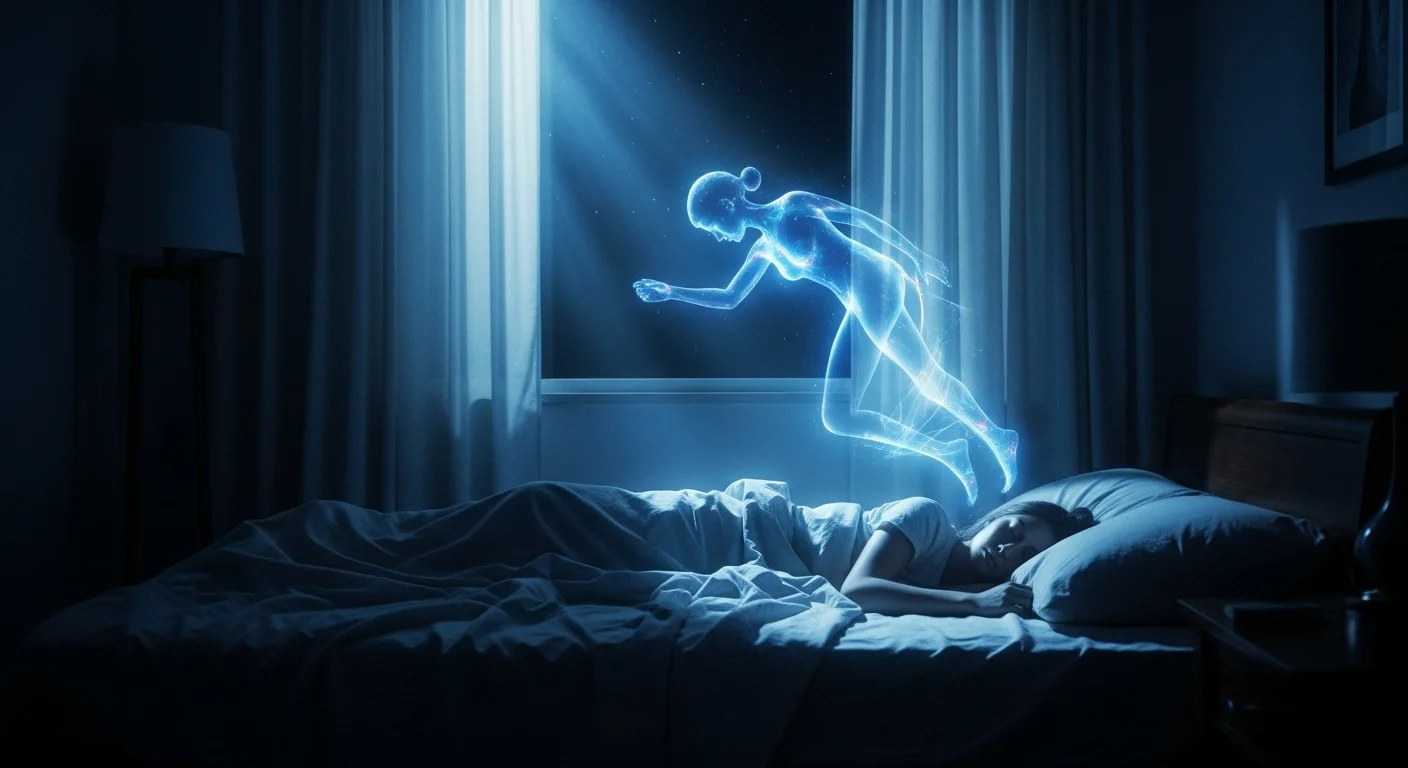
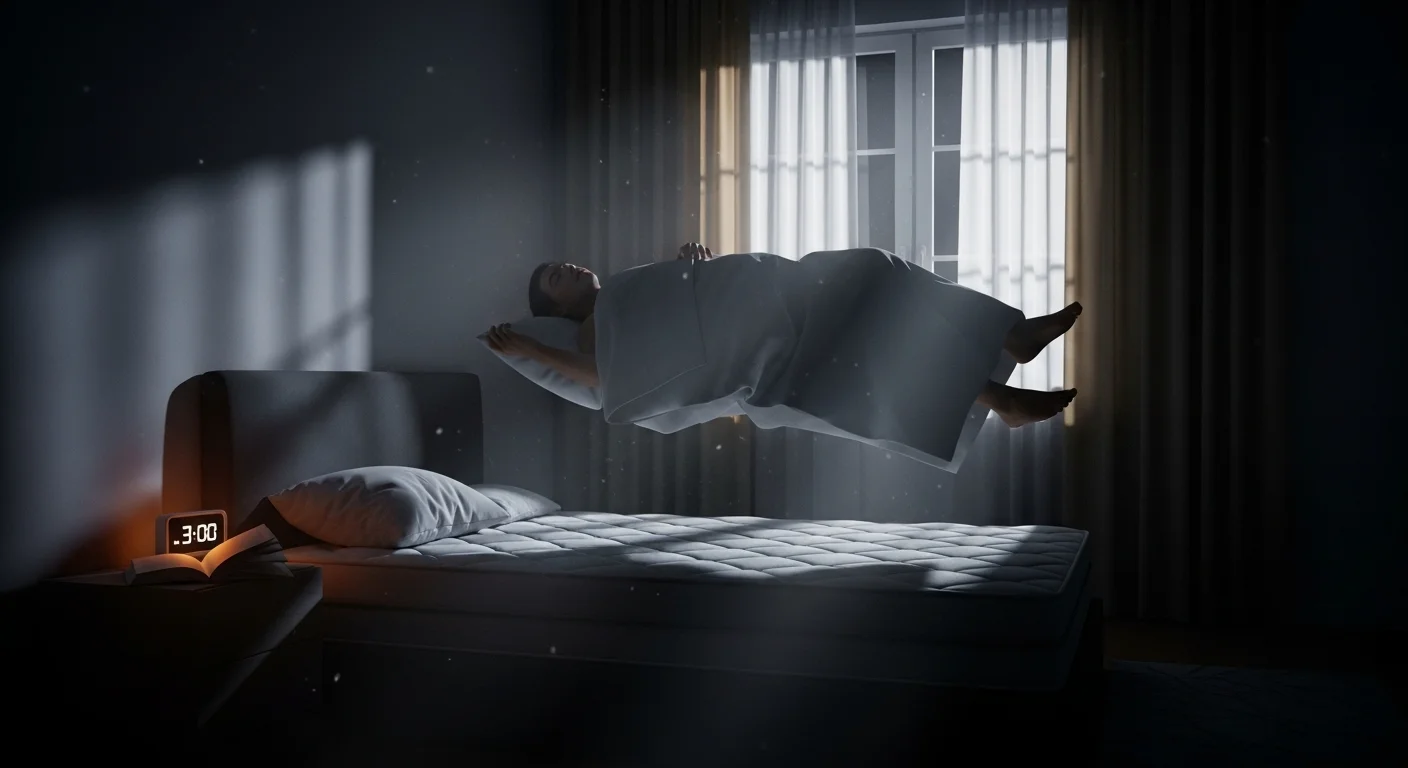
The sensation of floating during sleep is a distinct physical perception where an individual feels weightless or detached from the bed. This experience often occurs during the transition between wakefulness and sleep. It is primarily linked to the vestibular system, which is located in the inner ear. This system controls balance and spatial orientation. When the body relaxes deeply, sensory signals to the brain may decrease. This reduction leads to a temporary misinterpretation of gravity and position.
Sleep researchers classify this phenomenon as a type of hypnagogic hallucination. These hallucinations happen during the onset of sleep known as Stage 1 non-REM sleep. During this phase, the brain remains partially alert while the muscles lose tension. The brain attempts to interpret internal signals without external visual cues. This conflict can create a feeling of levitation or movement. The experience is generally brief and stops once the person falls asleep completely or wakes up fully.
This physical sensation is different from out-of-body experiences or lucid dreaming. It is strictly a sensory illusion caused by the nervous system. Medical experts consider the floating sensation to be a normal part of the sleep cycle for many people. It does not indicate a mental health disorder or a serious neurological problem. Most individuals experience this feeling occasionally without any negative effects. Understanding the biological cause helps reduce anxiety regarding this common nighttime occurrence.

Hypnagogic Hallucinations During Sleep Onset
Hypnagogic hallucinations are sensory experiences that occur as a person falls asleep. This phenomenon happens during the transition from wakefulness to the first stage of sleep. The brain begins to disconnect from external reality, but the conscious mind remains partially active. This state can cause vivid images or physical sensations that feel very real. The sensation of floating or weightlessness is a common example of these hallucinations. This experience is usually brief and happens to many healthy people.
The specific feeling of floating results from changes in sensory perception. As muscles relax completely, the body stops sending signals about its position in space to the brain. This loss of physical feedback affects the vestibular system, which controls balance. The brain attempts to interpret this lack of input without visual cues. Consequently, the mind may create a perception of hovering or drifting in the air. This internal signal error causes the distinct sensation of levitation.
Several factors can increase the frequency of these sleep-onset episodes. High levels of stress and irregular sleep schedules often trigger these hallucinations. Anxiety and exhaustion disrupt the normal process of falling asleep. Despite the intensity of the experience, these hallucinations are generally harmless. They do not typically indicate a serious medical condition or mental disorder. Most individuals do not require treatment unless the events cause significant distress or disrupt their ability to rest during the night.
The Link Between Sleep Paralysis and Floating
Sleep paralysis occurs when a person passes between stages of wakefulness and sleep. During this transition, you may find yourself unable to move or speak for a few seconds or minutes. This state involves a temporary loss of muscle control known as atonia. This natural mechanism prevents people from physically acting out their dreams during the REM sleep phase. When the mind wakes up before this body mechanism turns off, a significant sensory mismatch happens within the brain.
The sensation of floating is a specific type of hallucination often reported during these episodes of sleep paralysis. Scientists classify these experiences as vestibular-motor hallucinations. The vestibular system contributes to your sense of balance and spatial orientation. When the brain receives conflicting signals during paralysis, it creates false perceptions of movement. You might feel like you are hovering above the bed or drifting through the air, even though your physical body remains perfectly still on the mattress.
Neurological research suggests that this floating sensation results from confusion in the parietal lobe. This part of the brain manages your internal body map. During sleep paralysis, the lack of feedback from muscles prevents the parietal lobe from determining your actual position. This error leads to the feeling of weightlessness. While the experience can be frightening, medical experts consider these floating sensations harmless. The feeling disappears immediately once the sleep paralysis episode ends and muscle control returns.
Dysfunction in the Vestibular System
The vestibular system sits in the inner ear and manages balance and spatial orientation. It transmits signals to the brain regarding head movement and body position relative to gravity. When this system works correctly, the brain knows the body’s exact location. However, sleep alters how the brain handles sensory data. If the vestibular system is unstable or sends wrong signals during sleep onset, the brain might misinterpret the body’s physical stability and position.
Dysfunctions in this system usually cause vertigo or dizziness while a person is awake. At night, these internal errors frequently appear as a sensation of levitation or floating. This occurs because the brain lacks visual references in a dark room to fix the incorrect vestibular data. Without sight to prove the body is resting on a bed, the brain trusts the inner ear. If the ear reports motion, the sleeper feels a floating movement.
Various medical conditions can disturb the vestibular system and cause these specific sensations. Common physical causes include inner ear infections, inflammation, or benign paroxysmal positional vertigo. These problems cause fluids or small crystals within the ear to shift incorrectly. This shift creates false nerve impulses that move to the brainstem. The brain then creates a false perception where the body seems to lift, resulting in a feeling of drifting or weightlessness while the person lies down.
The Impact of Anxiety and Stress
High levels of anxiety and stress trigger the release of hormones like cortisol and adrenaline. These chemical changes keep the nervous system in a state of alertness even when the body tries to rest. This state of hyperarousal often interferes with the natural transition between wakefulness and sleep. During this transitional phase, the brain may misinterpret sensory signals from the body. These errors in processing physical sensations can result in the specific feeling of weightlessness or floating.
Psychological stress often causes a disconnection between mental activity and physical awareness. When an individual is anxious, the brain remains highly active while the muscles begin to relax for sleep. This discrepancy can disrupt proprioception, which is the body’s ability to sense its position in space. Without accurate feedback from the muscles, the brain attempts to estimate the body’s orientation. This lack of precise sensory data frequently leads to false perceptions of movement, such as levitating above the bed.
Chronic stress is a known trigger for sleep disturbances that involve sensory hallucinations. Conditions such as sleep paralysis occur more frequently in individuals with high anxiety levels. During these episodes, the sensation of floating is a common symptom. The fear associated with these sensations can create a cycle that leads to more anxiety and further sleep disruptions. Managing daily stress levels is therefore an essential step in reducing the frequency of these involuntary floating sensations.
When to Consult a Medical Professional
Experiencing a floating sensation while falling asleep is often a harmless physiological event known as a hypnagogic hallucination. However, you should seek medical advice if these episodes happen frequently or disrupt your ability to rest. Chronic occurrences may indicate an underlying sleep disorder, such as narcolepsy or sleep paralysis. A doctor can evaluate your sleep patterns to determine if these sensations are isolated incidents or symptoms of a condition that requires specific treatment to improve your sleep quality.
It is important to schedule an appointment if the floating sensation is accompanied by other physical or psychological symptoms. Warning signs include intense anxiety, chest pain, shortness of breath, or confusion upon waking. Additionally, if the feeling of movement persists during the day while you are awake, it might suggest a vestibular disorder affecting your inner ear and balance system. A healthcare provider will perform physical examinations to rule out neurological or vestibular causes for these specific symptoms.
You must consult a professional if these nighttime sensations lead to excessive daytime sleepiness or fatigue. Poor sleep quality can negatively impact your daily routine, cognitive function, and overall safety. During a consultation, a specialist may recommend a sleep study, known as polysomnography, to monitor your brain activity and body movements overnight. This diagnostic tool provides accurate data to identify the root cause of the floating sensation and helps the doctor prescribe the most effective management plan.
our next step
If you already understand what astral projection is and you’re looking for practices that truly work, this e-book presents 35 tested techniques to induce out-of-body experiences. Each technique is explained clearly and directly, allowing you to choose the method that best fits your routine and level of awareness.
This material is ideal for those who want to apply objective and varied methods, speeding up the process of conscious out-of-body projection. It works for both beginners and practitioners who have already had experiences and want to expand their possibilities. This is a practical guide for anyone who wants consistent results.
If you are taking your first steps and want to understand the fundamentals of astral projection with clarity, this manual was created to make your learning easier. In it, you will find clear explanations about the subtle bodies, the stages of projection, the most common sensations, and how to deal with fear and mental blocks.
This e-book is recommended for anyone who needs a solid and safe foundation to start practicing with confidence. It organizes the concepts in a progressive way, helping you understand the process as a whole and develop a consistent and conscious practice.

For those who want more complete and in-depth guidance, the complete astral projection course offers structured lessons, guided practices, visualizations, advanced techniques, and ongoing support. The content was designed to take you from theory to practice with safety and consistency.
This course is suitable for all levels, from beginner to advanced, and provides a systematic approach based on years of research, experience, and proven results. You will learn how to awaken your potential, gain control of your experiences, and integrate spiritual insights into your daily life.