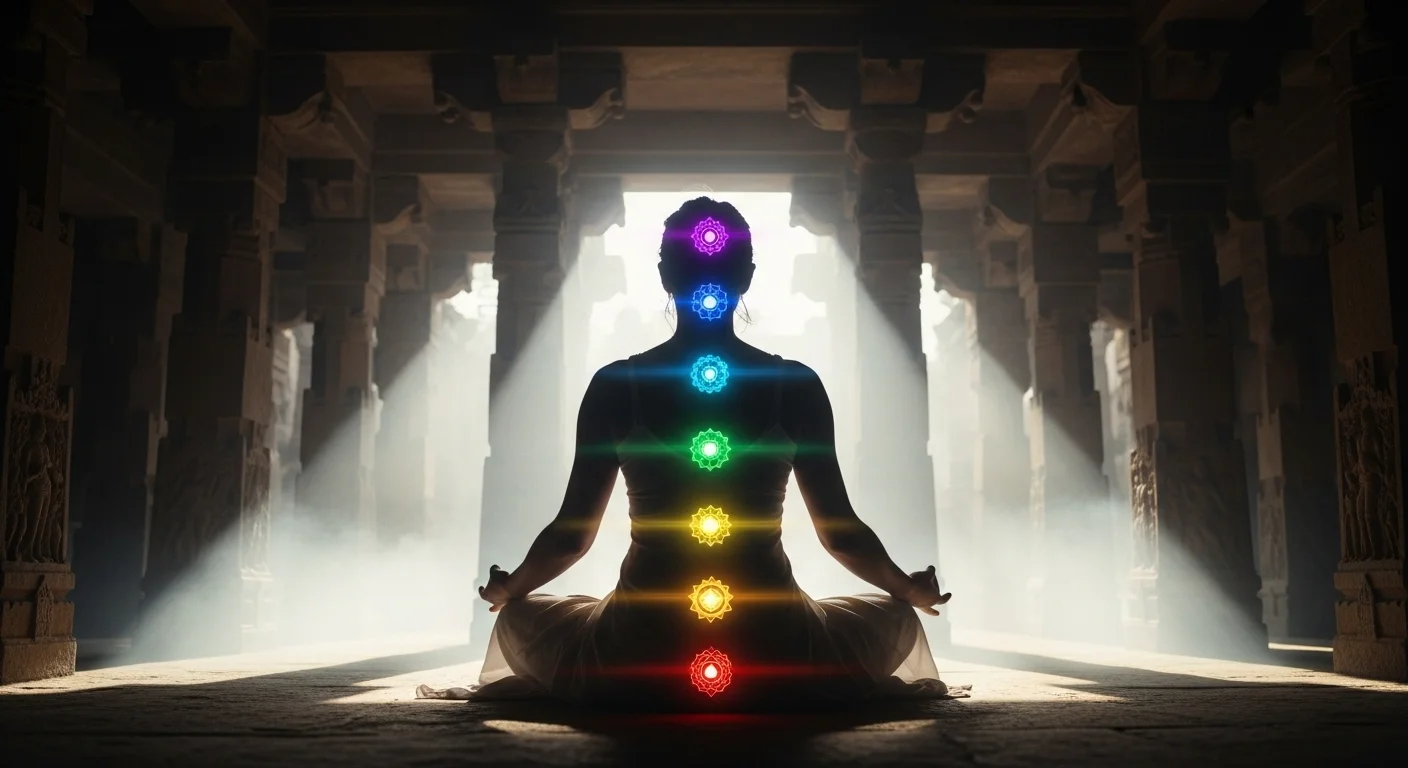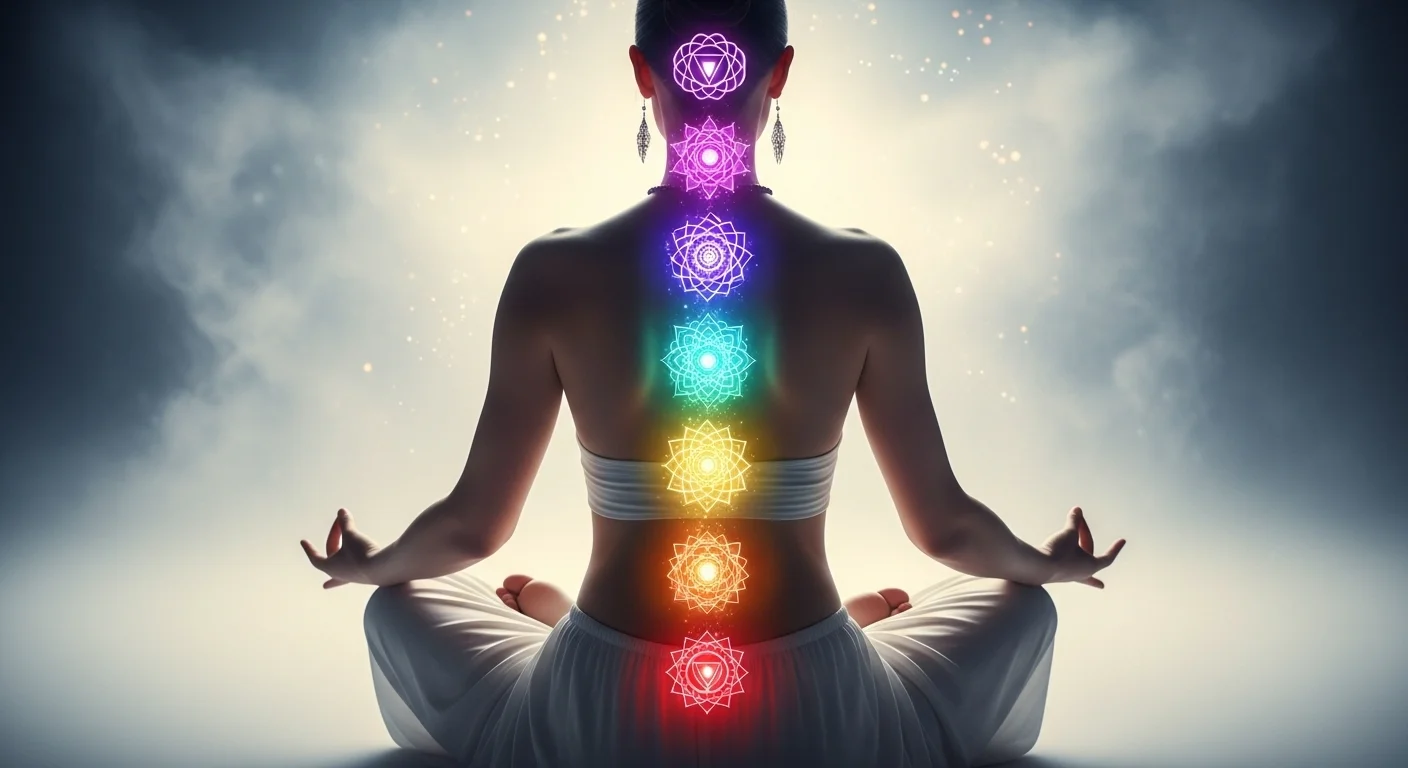
The Swadhisthana chakra is the second primary energy center in the human body. Its Sanskrit name translates to “the dwelling place of the self.” This center links directly to the water element. It governs essential functions related to personal creativity, desire, and emotional balance.
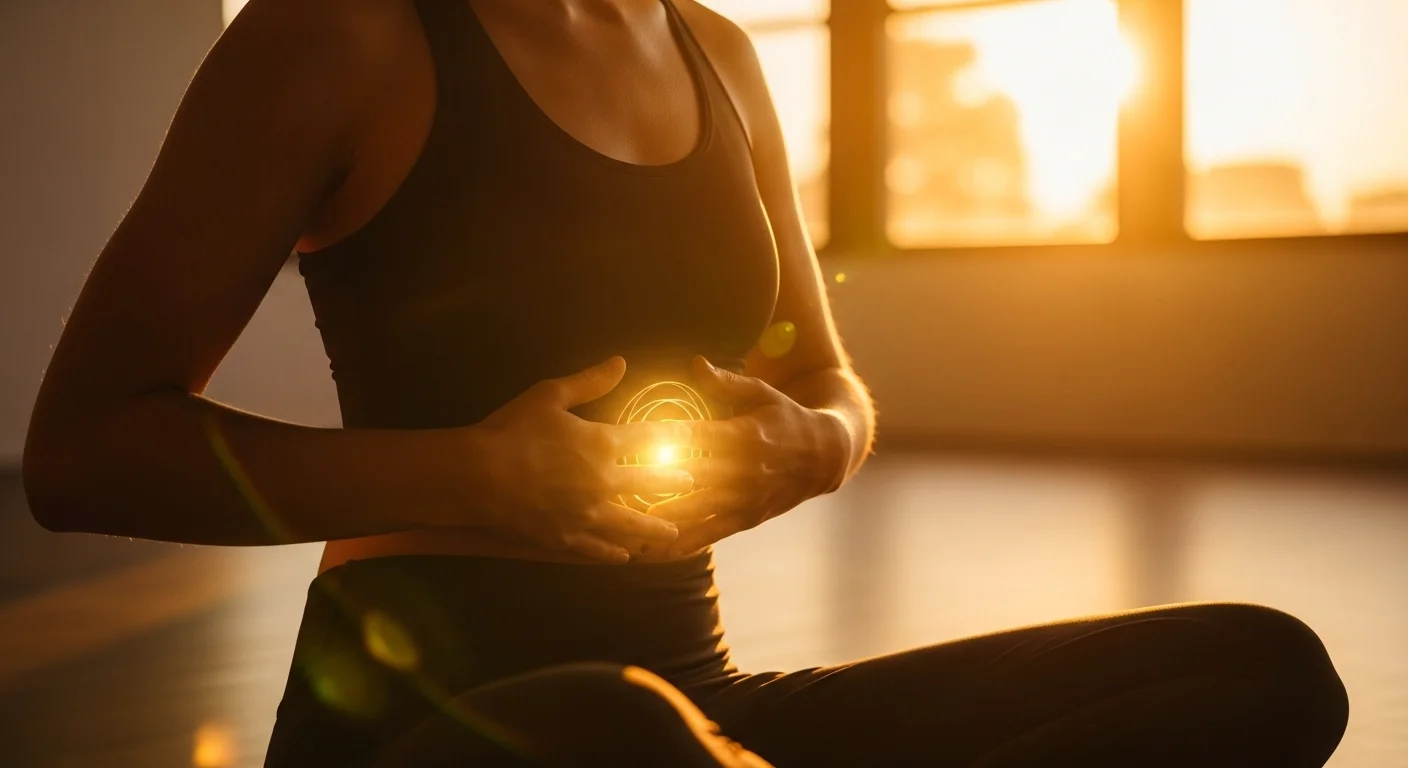
This chakra is located in the lower abdomen. You can find its specific position approximately two inches below the navel. It extends inward to the sacrum at the base of the spine. This placement situates it near the reproductive organs and the bladder.
The color orange visually represents this specific energy center. It defines the emotional identity and influences interpersonal relationships. Practitioners often visualize this area to address issues of intimacy or change. It serves as the hub for sensation, pleasure, and the flow of feelings.
Associated Element and Color Representation
The Swadhisthana chakra links directly to the water element. This specific association represents fluidity and movement within the physical body. It governs various biological fluids, including blood and lymph. The water concept also relates to the general capacity for adaptation to external changes.
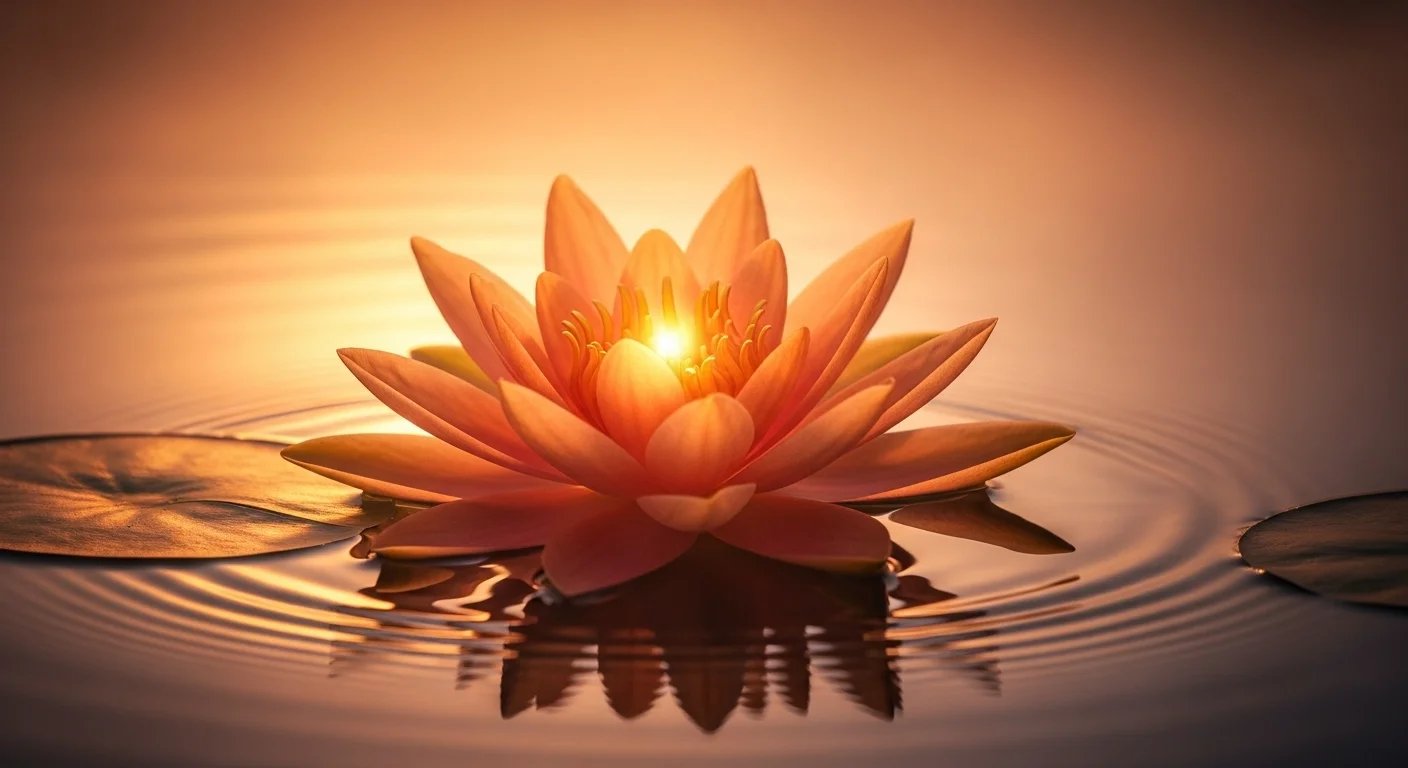
The primary color representation for this energy center is orange. This hue sits between red and yellow on the visible light spectrum. It symbolizes specific aspects of creativity and emotional expression. In traditional systems, the color orange stimulates activity and promotes social interaction.
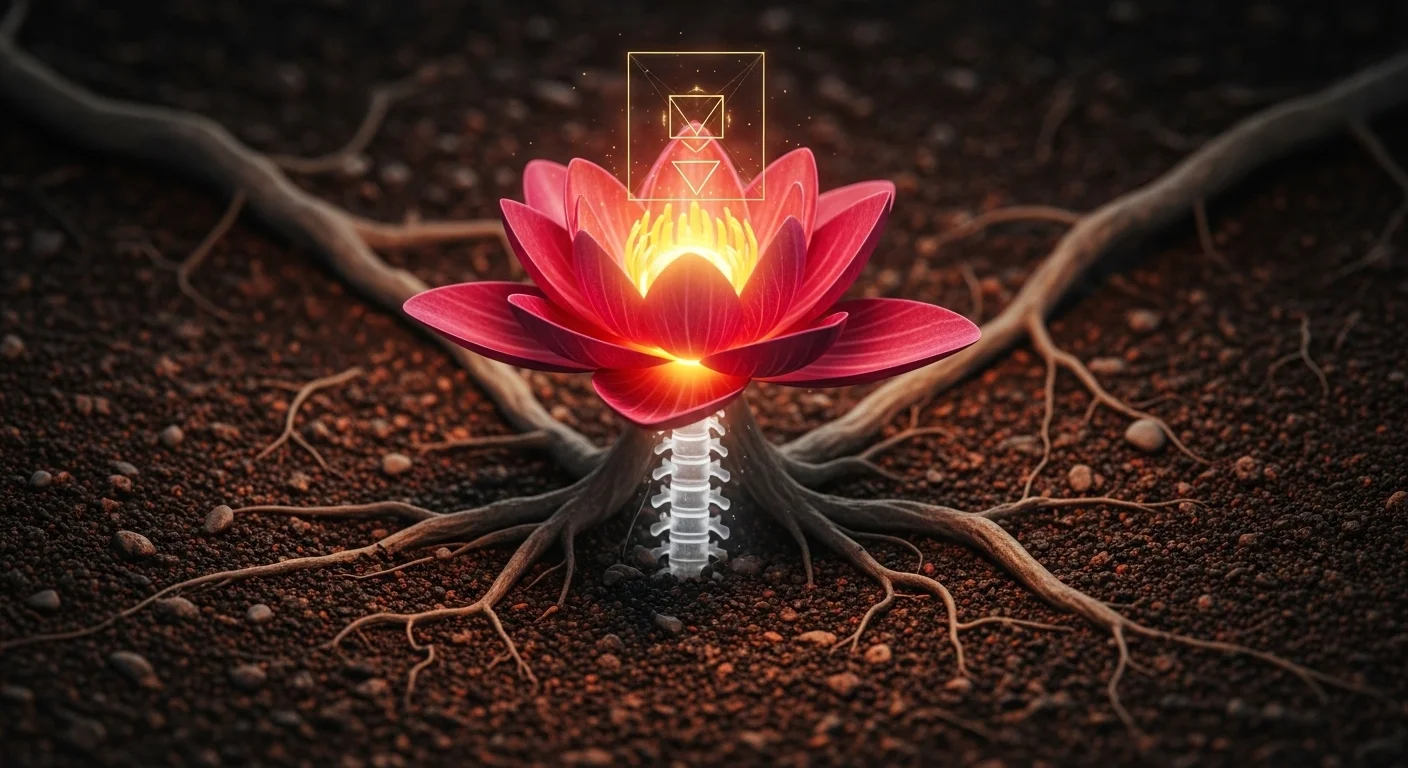
Visual depictions typically show a lotus flower with six petals. These petals usually display a vermilion or bright orange shade. The center of the design contains a white crescent moon. This specific geometric shape represents the water element within the standard chakra system.
Emotional and Physical Functions
The Swadhisthana chakra is located in the lower abdomen just below the navel. It governs the physical function of the reproductive organs, the bladder, and the kidneys. This energy center also regulates various bodily fluids, including blood, urine, and lymph, ensuring proper circulation throughout the system.
On an emotional level, this chakra controls feelings of pleasure, sexuality, and creativity. It influences how an individual expresses emotions and relates to others in personal relationships. A balanced center allows for healthy emotional reactions and the ability to accept change without experiencing excessive fear or anxiety.
When this chakra functions poorly, specific physical and emotional symptoms occur. Physically, a person may experience lower back pain, urinary problems, or reproductive issues. Emotionally, blockage often manifests as instability, guilt, or an inability to experience joy, requiring specific practices to restore the natural flow of energy.
Signs of Imbalance in the Second Chakra
An unbalanced Swadhisthana chakra creates emotional instability in the body. You may experience mood swings or extreme reactions to daily events. This instability often presents itself as either excessive emotional sensitivity or a complete lack of feeling. The person struggles to manage their feelings effectively in social situations.
Physical symptoms often occur in the lower abdomen and pelvic area. Common issues include chronic lower back pain, urinary tract infections, and reproductive health problems. Some individuals report stiffness in the hips or muscle cramps. These bodily signs indicate a disruption in the normal function of this center.
Psychological signs include a lack of creativity and difficulty with intimacy. You might face issues with addiction to pleasure, such as overeating or substance abuse. Alternatively, a person may feel detached, depressed, or fearful of change. These behaviors prevent healthy relationships and personal growth in daily life.
Yoga Poses for Swadhisthana Activation
The Swadhisthana chakra sits within the pelvic region of the body. Consequently, yoga poses that focus on opening the hips are effective for stimulation. The Pigeon Pose is a standard posture used to stretch the deep hip rotators and activate this energy center directly during practice.
The Butterfly Pose, also known as Baddha Konasana, is another useful exercise. To perform this, sit with the soles of your feet together and knees wide apart. This position stretches the inner thighs and groin area. It increases circulation to the pelvis and supports chakra alignment.
The Goddess Pose helps to strengthen the pelvic floor muscles efficiently. You stand with feet wide and bend your knees deeply into a squat position. Holding this active stance generates heat in the lower abdomen. Regular practice of these specific movements balances the sacral chakra effectively.
Meditation and Mantra Practices
To meditate on the Swadhisthana chakra, sit in a stable position with your back straight. Focus your attention on the lower abdomen, located just below the navel. You can visualize an orange circle in this region to direct your mental focus toward the energy center.
The seed mantra for this chakra is the sound VAM. Inhale air deeply and chant VAM clearly while you exhale. Repeating this sound creates a vibration that stimulates the sacral area. This practice aids in balancing the energy located in the lower body.
Combine this chanting with the Dhyana Mudra to maintain focus. Place your hands on your lap with the palms facing upward. A daily routine of ten minutes helps develop stability. Consistency is necessary to notice specific changes in your emotional health and creativity.
Your Next Step
You can deepen your knowledge even further with the comprehensive manual I’ve prepared on the 7 main chakras. In it, you’ll understand what chakras are, their physical, emotional, and spiritual aspects, as well as the associated deities. It also includes practical charts with crystals, flower essences, scents, Reiki, and much more.

Additionally, you can purchase my book, 69 Exercises for Chakra Alignment—a direct, accessible, and transformative guide filled with specific techniques to work on each chakra. This material is perfect for both those looking to apply exercises in their daily routine and therapists seeking safe, structured resources to use in their sessions.