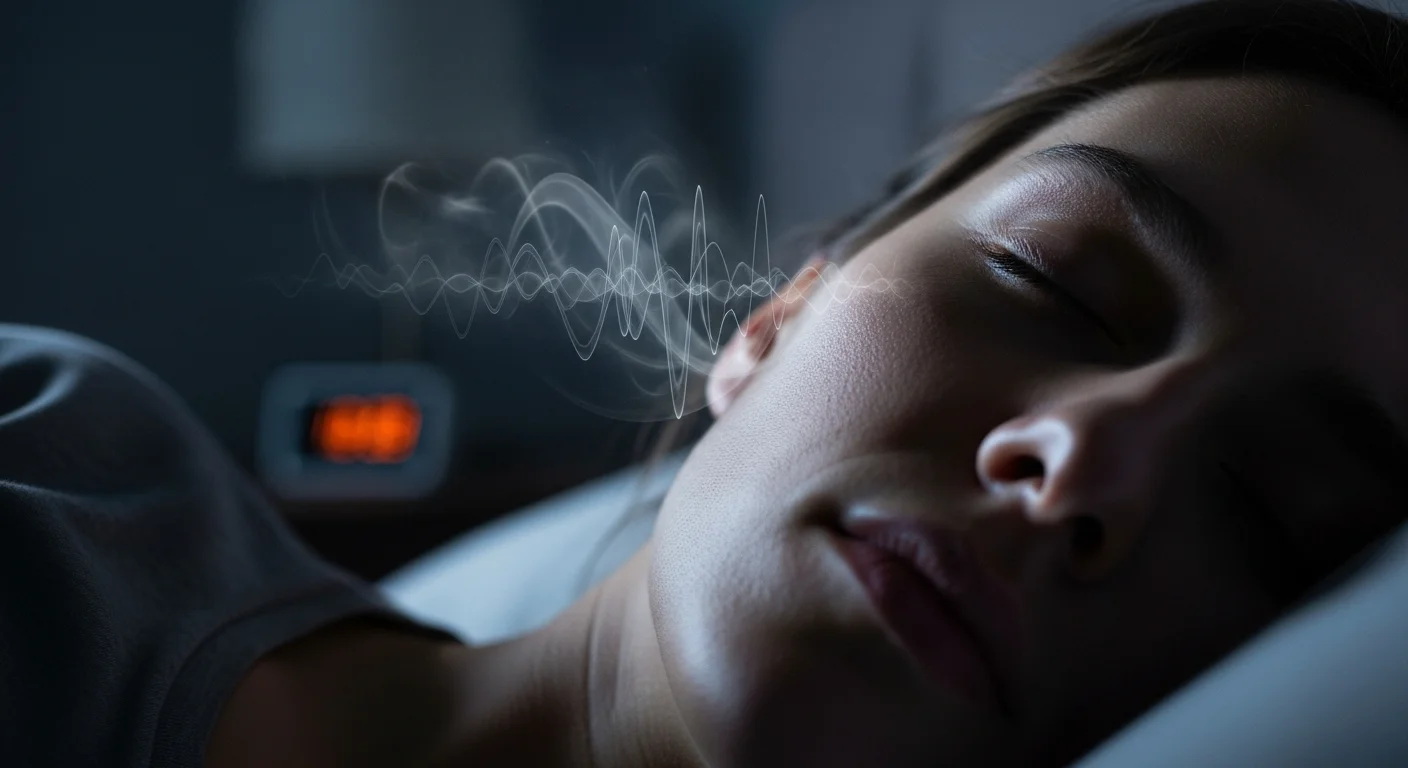
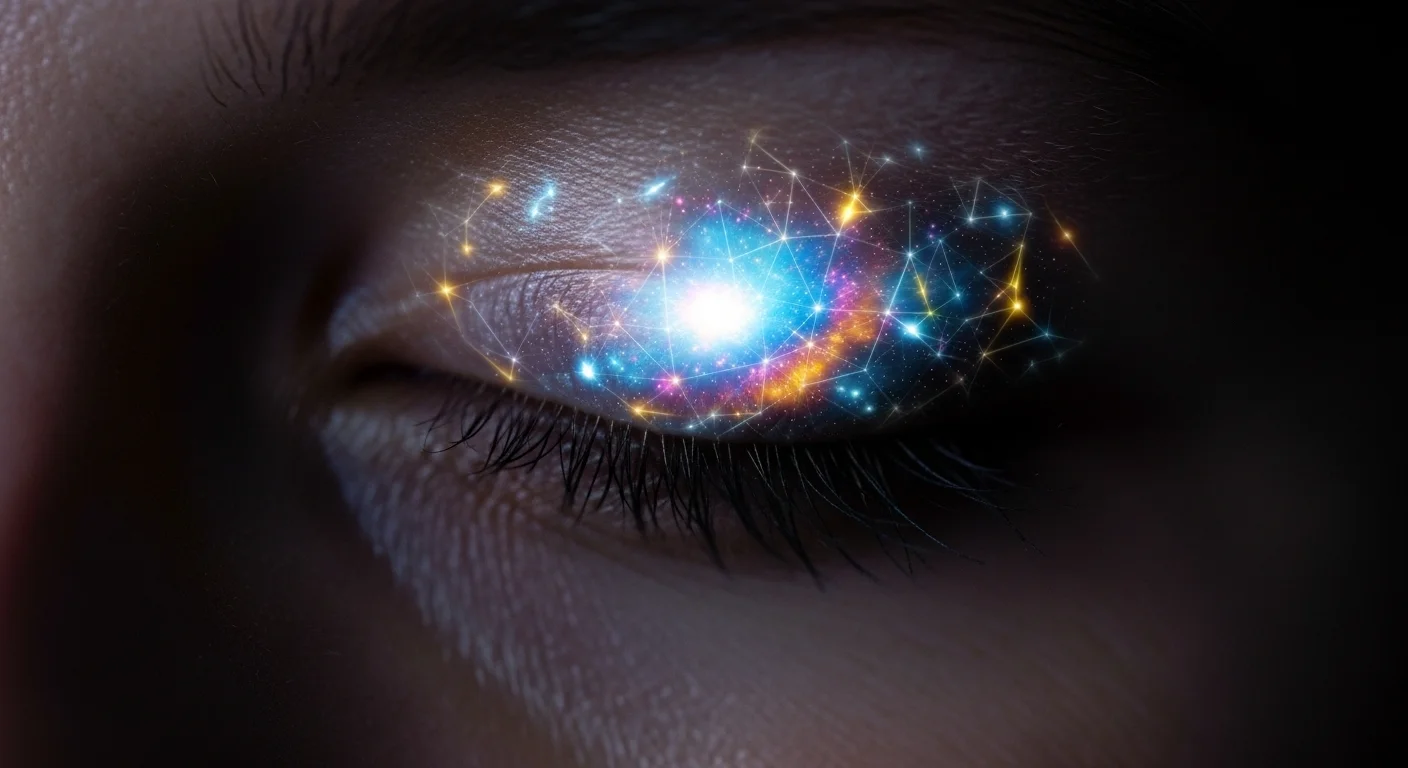
A phosphene is a visual sensation that occurs without light actually entering the eye. People often experience this phenomenon as flashes of light, colors, or undefined shapes while their eyes are closed or in a dark room. The visual system produces these images internally rather than receiving input from the physical environment. This experience differs from hallucinations because it originates directly from the mechanical or electrical stimulation of the retina or the visual cortex in the brain.
The most common cause of phosphenes is physical pressure applied to the eyes. Rubbing closed eyelids stimulates the cells in the retina, which the brain interprets as visual patterns. Even without physical pressure, the cells in the visual system are always active and emit random electrical signals. This background activity creates the visual static or moving geometric patterns that many people observe in total darkness. The brain attempts to make sense of these random signals by creating images.
Researchers classify phosphenes as an entoptic phenomenon, meaning the source is within the eye itself. While usually harmless, intense or persistent phosphenes can sometimes indicate a medical condition involving the retina or the brain. Scientists can also induce these visual sensations artificially using magnetic or electrical stimulation of the visual cortex. This confirms that the phenomenon relies on the activation of specific neural pathways rather than the presence of photons hitting the photoreceptor cells in the eye.
Mechanical Pressure and Retinal Stimulation
When you apply physical pressure to your eyes, you may see flashes of light or colors. This phenomenon is commonly known as a pressure phosphene. It occurs because the retina cannot distinguish between light waves and physical force. If you rub your closed eyelids, the mechanical pressure stimulates the cells within the retina. These cells send signals to the brain that resemble the signals sent by light. The brain interprets this activity as visual information, creating visible patterns.
The retina contains specialized neurons designed to detect light energy. However, these neurons are also sensitive to mechanical stimulation. When you press on your eyeball, you generate electrical impulses in these sensory cells. These impulses travel along the optic nerve to the visual cortex in the brain. The brain processes these electrical signals as if they were actual light entering the eye. Consequently, you often see a visual sensation on the opposite side of the applied pressure.
This visual experience occurs without any external light source entering the eye. It demonstrates that the visual system generates images based on neural activity rather than just external input. While seeing these shapes is a normal physiological response, you must avoid pressing hard on your eyes. Applying excessive force to the eyeballs can harm the structural integrity of the eye. Frequent or heavy rubbing acts as a risk factor for corneal damage or other vision problems.
Natural Electrical Activity in the Visual System
The human eye continues to function even when the eyelids are closed and no light enters. The retina contains millions of specialized cells known as photoreceptors that detect light. These cells generate electrical signals that travel to the brain. In total darkness, these neurons do not stop working completely. They produce a low level of background electrical activity. This spontaneous firing of neurons creates weak signals that the brain interprets as visual information.
The electrical impulses generated by the retina move through the optic nerve to the visual cortex. This part of the brain is responsible for processing what you see. Because the visual system is highly sensitive, it amplifies these internal signals when external light is absent. The brain attempts to make sense of this random neural noise. Consequently, you perceive this activity as flashes of light, colors, or geometric shapes rather than distinct images.
This phenomenon occurs because the cells in the visual system are active biological components. The metabolic processes within these cells produce distinct electrical charges as a byproduct. This constant internal activity ensures that the visual system remains ready to receive input. When you block external light, these internal biological charges become the dominant signal. The resulting visual experience is simply the product of a healthy and functioning nervous system.
Connection Between Phosphenes and Migraines
Many individuals experience specific visual disturbances known as auras before or during a severe migraine headache. These symptoms often present as phosphenes, appearing as flashes of light, bright zig-zag lines, or geometric shapes. This phenomenon occurs due to electrical hyperexcitability in the visual cortex of the brain. The brain creates these images without any external light source entering the eye. Consequently, this specific type of phosphene often serves as a distinct warning sign for an impending migraine attack for many patients.
The biological mechanism behind migraine-related phosphenes differs from the lights seen when rubbing closed eyes. Scientists attribute migraine auras to a process called cortical spreading depression. This involves a slow wave of electrical activity across the brain tissue that alters visual processing. As this wave moves through the occipital lobe, it stimulates neurons that handle vision. This stimulation generates the flickering lights or blind spots that patients see. This activity confirms that the origin is neurological rather than ocular.
These visual episodes usually last between twenty and sixty minutes and typically resolve before the headache phase begins. The shapes may shimmer, expand, or move across the field of vision over time. While migraine auras are generally harmless, sudden flashes of light can also indicate retinal issues. Patients must consult a medical professional if they experience new visual symptoms. A doctor can determine if the phosphenes result from a migraine or a condition like retinal detachment that requires immediate attention.
Potential Retinal Conditions and Warning Signs
While most visual phenomena are harmless, persistent flashes of light can indicate a serious problem with the retina. The retina is the light-sensitive layer at the back of the eye that sends images to the brain. If the vitreous gel inside the eye pulls on the retina, it causes mechanical stimulation. This action results in perceived flashes of light known as photopsia. A sudden increase in these flashes often signals a retinal tear or a potential detachment.
You must recognize specific warning signs that accompany these visual disturbances. A primary symptom of retinal detachment is the appearance of a dark shadow or obstruction moving across your field of vision. Another alarming sign is the sudden onset of numerous floaters, which appear as small spots or lines drifting before your eyes. These symptoms suggest that the retina is separating from the underlying tissue. This separation cuts off the retina from its necessary blood supply.
Immediate medical attention is necessary if you experience these specific visual changes. Retinal detachment is a medical emergency that requires prompt treatment to prevent permanent blindness. An eye care professional will perform a dilated eye exam to inspect the back of the eye for tears or holes. Early detection allows doctors to repair the damage using laser surgery or other procedures. Delaying professional care significantly reduces the chances of restoring full vision in the affected eye.
When to Consult an Ophthalmologist
Most people experience visual phenomena like phosphenes without any underlying medical issues. These flashes often appear when you rub your eyes or apply pressure to your eyelids. However, you should seek professional medical advice if these visual disturbances occur suddenly or without any physical contact. A sudden increase in the number or brightness of these lights can indicate a problem with the retina or the vitreous humor inside the eye. Immediate evaluation helps identify serious conditions early.
You must schedule an appointment immediately if you notice a sudden onset of flashing lights accompanied by new floaters. Floaters look like small specks, clouds, or cobwebs drifting across your field of vision. Another critical warning sign is the appearance of a dark shadow or a curtain effect over your side vision. These specific symptoms frequently suggest a retinal tear or retinal detachment. This condition is a medical emergency that requires prompt surgical treatment to prevent permanent blindness.
Visual disturbances can also stem from neurological causes rather than eye injuries. For example, visual auras often precede migraines and appear as zig-zag lines or shimmering lights. You should also consult a doctor if these lights appear after a head injury or are accompanied by dizziness and headaches. Regular comprehensive eye exams allow an ophthalmologist to monitor your eye health over time. A professional diagnosis ensures that any underlying vascular or neurological issues receive appropriate management.
our next step
If you already understand what astral projection is and you’re looking for practices that truly work, this e-book presents 35 tested techniques to induce out-of-body experiences. Each technique is explained clearly and directly, allowing you to choose the method that best fits your routine and level of awareness.
This material is ideal for those who want to apply objective and varied methods, speeding up the process of conscious out-of-body projection. It works for both beginners and practitioners who have already had experiences and want to expand their possibilities. This is a practical guide for anyone who wants consistent results.
If you are taking your first steps and want to understand the fundamentals of astral projection with clarity, this manual was created to make your learning easier. In it, you will find clear explanations about the subtle bodies, the stages of projection, the most common sensations, and how to deal with fear and mental blocks.
This e-book is recommended for anyone who needs a solid and safe foundation to start practicing with confidence. It organizes the concepts in a progressive way, helping you understand the process as a whole and develop a consistent and conscious practice.
For those who want more complete and in-depth guidance, the complete astral projection course offers structured lessons, guided practices, visualizations, advanced techniques, and ongoing support. The content was designed to take you from theory to practice with safety and consistency.
This course is suitable for all levels, from beginner to advanced, and provides a systematic approach based on years of research, experience, and proven results. You will learn how to awaken your potential, gain control of your experiences, and integrate spiritual insights into your daily life.