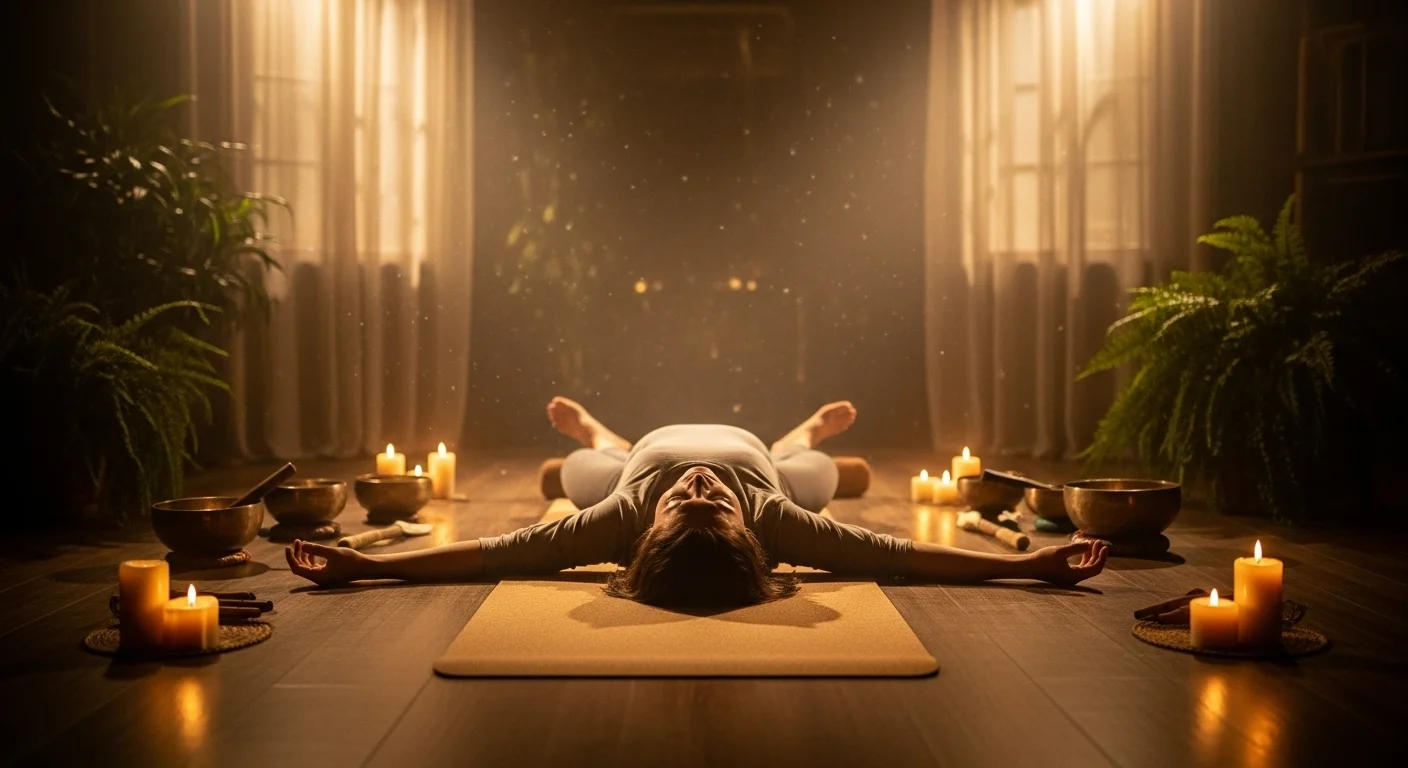
Yoga Nidra is a specific type of guided meditation also known as yogic sleep. Practitioners lie down in a comfortable position and follow verbal instructions to relax the body and mind. This practice induces a state between waking and sleeping.
During a session, the body remains completely still while the mind stays alert. This process slows down brain waves and reduces tension in the nervous system. The goal is to reach deep relaxation without falling into actual unconscious sleep.
The method uses a systematic approach to release stress. An instructor guides attention through different parts of the body and focuses on breathing patterns. This structured rotation of awareness separates external stimuli from internal consciousness for total rest.
Differences Between Yoga Nidra and Traditional Meditation
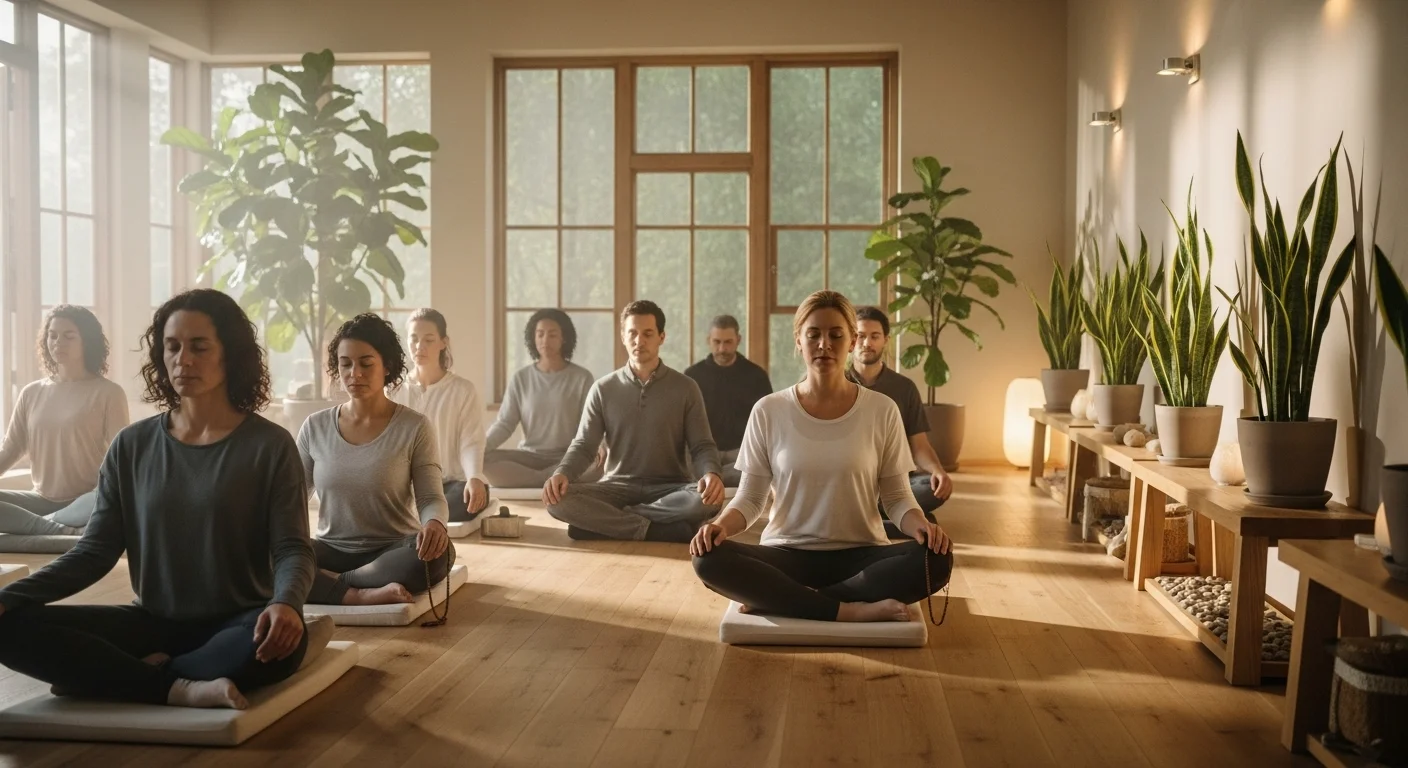
Traditional meditation usually requires a seated posture with an upright spine to maintain alertness. In contrast, practitioners perform Yoga Nidra lying down in a comfortable position called Savasana. This physical difference allows for complete relaxation of the muscles and body.
Most meditation techniques ask you to focus on a single object like breath or a mantra. Yoga Nidra guides you into a state between waking and sleeping. The goal involves withdrawing the senses rather than concentrating on one specific point.
Regular meditation is often self-directed and involves periods of silence. However, Yoga Nidra always uses a systematic guided script. An instructor provides verbal instructions throughout the entire session to keep the mind awake while the body rests deeply.
The Main Stages of a Yoga Nidra Session
A Yoga Nidra session begins with preparation and relaxation. The practitioner lies down in a comfortable position and focuses on breathing to steady the mind. Once the body is still, the teacher guides the student to set a specific resolve or intention for the practice.
The practice moves into the rotation of consciousness. The instructor names different body parts, and the mind follows that sequence without physical movement. This stage is followed by breath awareness, where the student observes the natural rhythm of inhalation and exhalation.
The session continues with visualization to release mental impressions. The practitioner repeats the initial resolve to strengthen the intention. Finally, the teacher guides the student back to waking consciousness by slowly reintroducing external sounds and suggesting gentle physical movement.

Physical and Mental Benefits of the Practice
Yoga Nidra reduces stress by activating the relaxation response in the body. This process lowers blood pressure and slows heart rates. Practitioners often report better sleep quality and reduced insomnia. It also releases chronic muscle tension throughout the body.
The practice improves mental health by decreasing symptoms of anxiety and depression. It creates a state of deep rest that helps regulate mood. Regular sessions increase focus and mental clarity during daily activities. This leads to better emotional stability.
Long-term practice supports trauma recovery and psychological healing. Studies show it changes brain wave activity to promote restoration. It aids in habit change by accessing the subconscious mind. Users gain tools to manage daily stress more effectively.
Brain Wave Changes During Yoga Nidra
Practitioners begin the session in a standard waking state characterized by beta brain waves. As the body relaxes, electrical activity in the brain slows down significantly. This shift activates alpha waves, which indicate a calm mind focused on internal sensations.
The practice then moves into deeper relaxation where theta waves become dominant. This frequency typically occurs during light sleep or deep meditation. Theta waves allow access to subconscious thoughts and memories. The mind remains conscious while the body rests completely.
The final stage involves slow delta waves usually found in deep sleep. Yoga Nidra maintains awareness even during this restorative phase. The brain fluctuates between theta and delta states. This oscillation helps reduce stress and promotes physical healing.
How to Perform Yoga Nidra Correctly
Begin by finding a quiet space where you will not be disturbed. Lie down on your back in the Corpse Pose. Keep your arms by your sides with palms facing upward. Close your eyes and remain still throughout the entire session.
Follow the spoken instructions without analyzing them. Shift your focus consciously to different parts of the body as they are named. Move your awareness from one point to the next. Do not concentrate too intensely or fall asleep during the practice.
The session often involves visualizing specific images or repeating a personal resolve. Listen to external sounds to return to the waking state. Move your fingers and toes slowly before opening your eyes. Sit up gradually to finish the meditation practice safely.