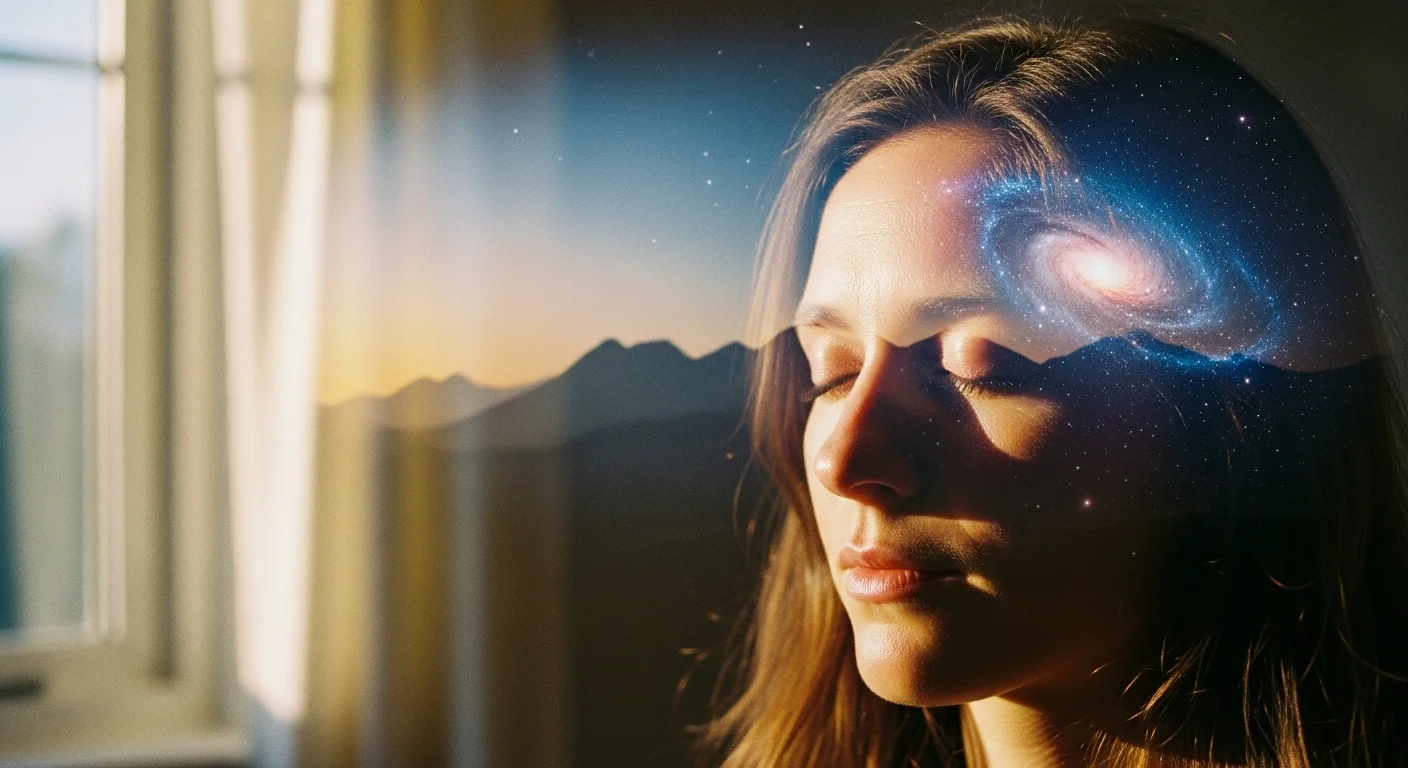
Visualization meditation is a mental technique where you focus on specific images to create a sense of calm. You use your imagination to picture a scene, object, or outcome. This process engages the brain and helps reduce stress levels effectively.
Practitioners often involve all five senses during the exercise. You might imagine sounds, smells, and physical sensations alongside the visual elements. The brain responds to these imagined scenarios similarly to real experiences, which promotes a state of physical relaxation.
People use this method to achieve specific goals or improve their mood. It serves as a tool for performance enhancement, anxiety reduction, and personal growth. By holding a positive mental image, individuals can direct their focus and control emotional responses.
The Mental and Physical Benefits of Visualization
Visualization meditation reduces stress by shifting focus away from anxious thoughts. When you imagine a calm scene, your brain reacts as if the experience is real. This process lowers cortisol levels and promotes a feeling of relaxation.
Athletes often use this technique to improve physical performance and muscle memory. Mentally rehearsing a movement activates the same neural pathways as performing the action. This practice can enhance coordination and increase overall strength during actual competition.
Regular practice contributes to better long-term health outcomes. Studies show that visualization can lower blood pressure and boost the immune system. By reducing chronic tension, the body functions more efficiently and heals itself more effectively over time.
How to Prepare for a Visualization Session
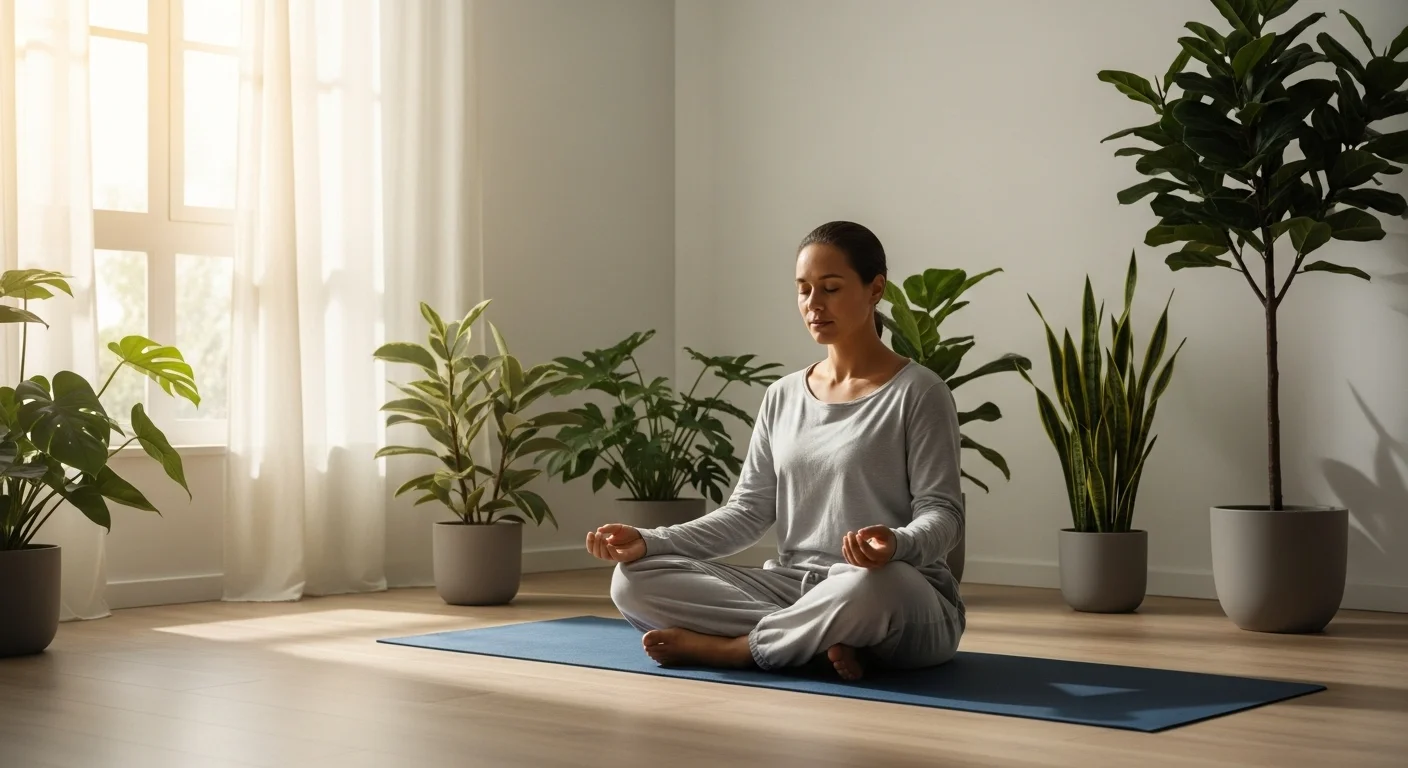
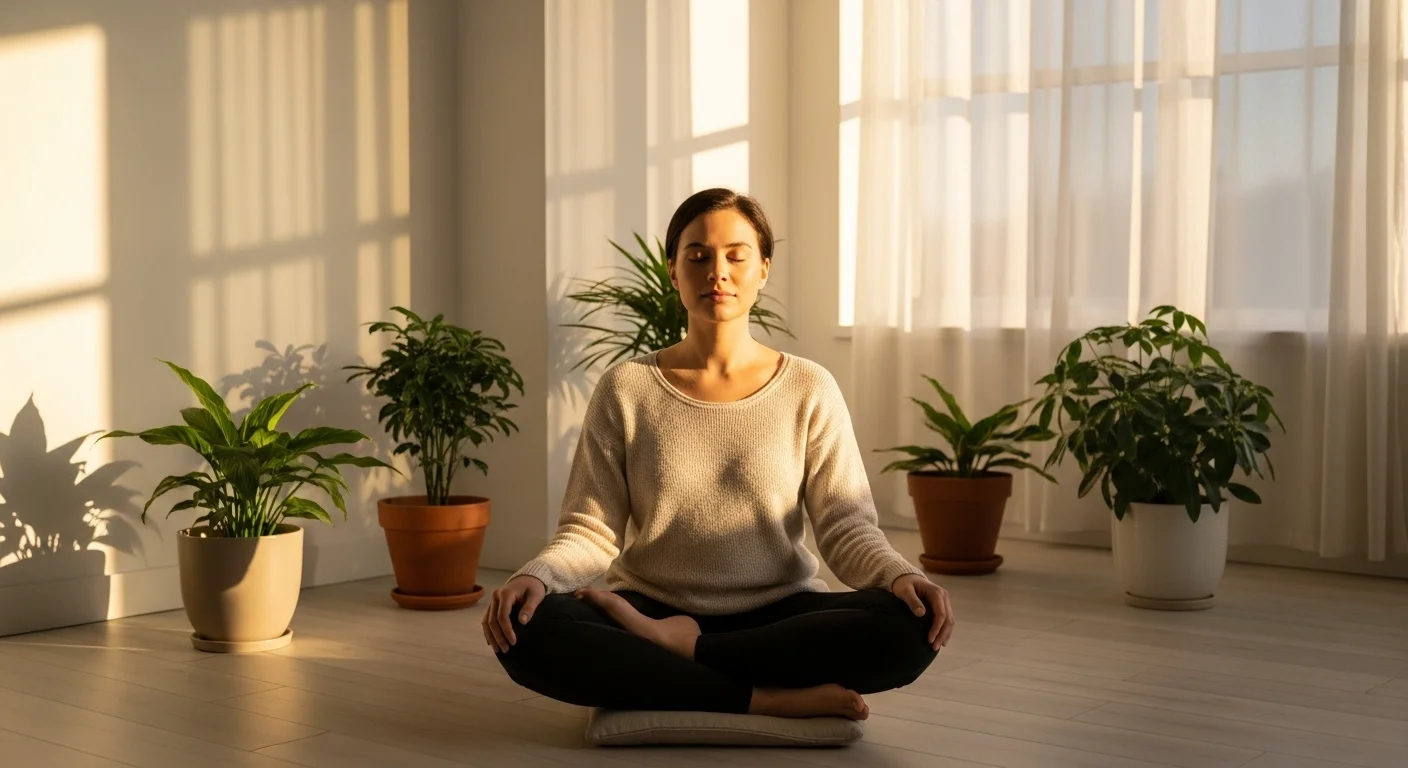
Find a quiet room where no one will disturb you. Sit in a comfortable chair with your back straight or lie down on a flat surface. Close your eyes to reduce distractions and focus your mind on the upcoming mental exercise.
Begin by taking slow and deep breaths to relax your physical body. Release any tension in your shoulders, jaw, and hands. This process lowers your heart rate and prepares your nervous system for a state of deep mental concentration.
Decide clearly what specific image or scenario you intend to visualize. Select a goal that is simple and easy to imagine. Having a specific target prevents your mind from wandering and ensures that the meditation session remains effective and structured.
Step-by-Step Instructions for Visualization Meditation
Begin by finding a quiet place to sit comfortably. Close your eyes and focus on your breathing. Inhale slowly through your nose and exhale through your mouth. Allow your muscles to relax completely and clear your mind of external distractions.
Create a specific mental image in your mind. You might choose a peaceful location or a specific goal you want to achieve. Focus on the details of this image, including shapes and colors. Try to engage your senses during this process.
Hold this visualization for several minutes while maintaining a steady breath. When you are ready to finish, slowly let the image fade away. Become aware of your physical surroundings again. Open your eyes gently and resume your normal daily activities.
Common Techniques Used in Visualization Meditation
One common method involves imagining a static object, such as a color or a flower. Practitioners focus on holding this single image in their mind without distraction. This builds concentration and stability during the practice sessions.
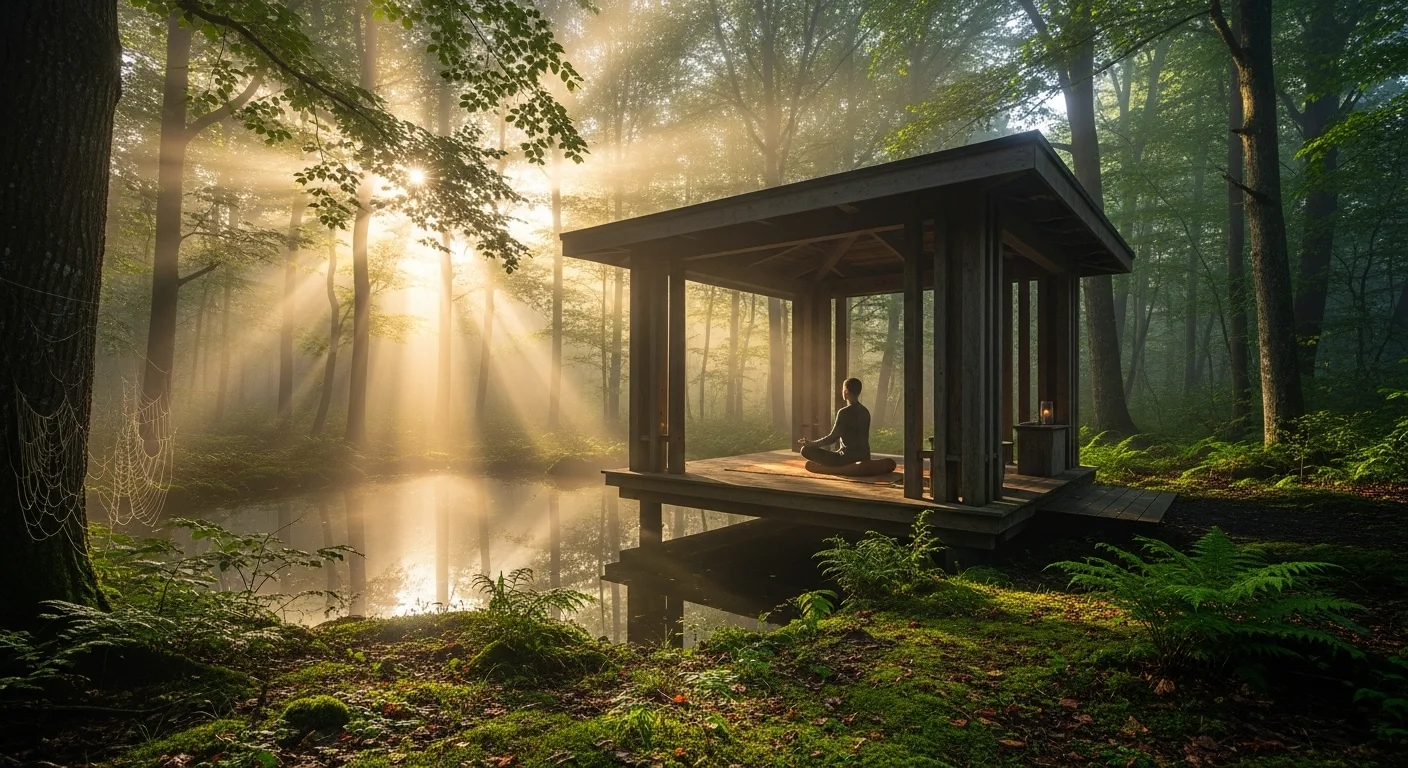
Another technique requires visualizing a specific scenario or location. The individual imagines a peaceful environment, like a beach or forest. They mentally engage their senses to hear sounds and feel textures within this constructed mental landscape.
A third approach focuses on future goals. The person visualizes themselves completing a task successfully or achieving a desired outcome. Athletes and professionals often use this method to prepare their minds for upcoming performance events.
Tips for Improving Your Visualization Skills
You should begin by visualizing simple objects like an apple or a pencil. Focus on details such as color, shape, and texture. Practice holding this image in your mind for one minute. This strengthens your mental focus gradually.
Engage all your senses to make the experience realistic. Do not rely only on sight. Include sounds, smells, and physical sensations in your mental image. This multi-sensory approach creates a stronger neural connection and improves recall abilities.
Practice your visualization techniques at a specific time every day. Consistency produces better results than occasional long sessions. Spend five minutes each morning or evening on this exercise. Regular repetition trains your brain to create clear mental images.