The biological process of death begins when the heart stops pumping blood. This event cuts off the supply of oxygen and glucose to the body. Cells require these resources to produce energy and function correctly. Without blood flow, organs such as the lungs and kidneys fail to operate. Carbon dioxide builds up in the tissues because the lungs cannot exhale it. This accumulation creates an acidic environment that damages the cells and signals the beginning of systemic failure.
The brain is the most sensitive organ to oxygen deprivation. Brain cells begin to die within minutes after blood circulation ceases. Electrical activity in the cerebral cortex stops first, which ends consciousness and sensory awareness. The brainstem may function briefly, but it soon fails as well. This failure stops automatic functions like breathing and heart rate regulation. Medical professionals use the irreversible absence of brain stem reflexes and electrical activity to declare legal brain death in patients.
Biological death continues at the cellular level after the organism dies. Cells lose their structural integrity because they cannot maintain their membranes. Enzymes inside the cells digest the cell components from within. This breakdown releases toxic substances into the surrounding tissue. Bacteria from the digestive tract migrate to other parts of the body and accelerate decomposition. This final stage confirms that all biological processes have ceased and prevents any possibility of resuscitation or recovery of function.
Changes in Sensory Perception and Consciousness
As the body approaches death, the senses begin to decline in a specific order. Medical observation shows that vision is often the first sense to fail. Patients may report blurred sight or a narrowing of their visual field. Conversely, hearing is generally the last sense to remain active. Research indicates that the brain continues to process sound even when a patient appears unresponsive. Therefore, doctors advise families to speak calmly to the patient until the very end.
The level of consciousness fluctuates significantly during the final stages of life. A person may spend more time sleeping and become difficult to wake. Periods of confusion or disorientation are common when the individual is awake. They might not recognize familiar people or know their location. This state often leads to social withdrawal. The dying person gradually detaches from their surroundings and loses interest in conversation or external events as brain function decreases.
Many patients experience changes in perception that include hallucinations. They may claim to see people who have died or objects that are not present. Medical professionals note that these visions are usually comforting to the patient. Another phenomenon known as terminal lucidity can occur. This happens when an unresponsive patient suddenly regains mental clarity for a short time. They may speak clearly and interact with family members before returning to an unconscious state shortly before death.
Physical Sensations During Organ System Shutdown
As the body approaches the end of life, the heart pumps blood less effectively. This drop in circulation causes blood pressure to fall and leads to cooling of the hands and feet. The person often feels extreme tiredness and weakness because organs receive less oxygen. Breathing patterns change significantly during this process. Respiration becomes irregular, shallow, or labored. Periods of apnea may occur where breathing stops temporarily. These physical changes reduce awareness and often cause the person to sleep more.
The digestive system slows down as the body conserves energy for vital functions. This reduction causes a significant loss of appetite and thirst. The person may have difficulty swallowing food or liquids. Dehydration is a common result of this process. As kidney function declines, the body produces less urine. The urine that is produced becomes dark in color. These metabolic changes can lead to an accumulation of toxins in the blood. This chemical imbalance contributes to drowsiness and eventual coma.
The nervous system eventually shuts down, which alters sensory perception. Vision often becomes blurry or dim. The person might lose the ability to close their eyes completely. Hearing is frequently the last sense to remain active. The brain’s reduced activity leads to decreased consciousness and responsiveness to the environment. Pain perception may diminish as the brain disconnects from peripheral nerves. Physicians monitor these signs to manage comfort levels. The shutdown of the brainstem marks the final cessation of bodily function.
Scientific Studies on Brain Activity Near Death
Researchers observe significant electrical activity in the brain during the dying process. Studies on both animals and humans show a sudden increase in gamma waves. These specific waves link to high-level tasks like memory recall and processing information. This activity occurs even after the heart stops beating and blood flow ends. The findings suggest the brain remains active during cardiac arrest and organizes data in a coherent way before it finally shuts down.
A notable study recorded the brain activity of a dying patient using an electroencephalogram. The data revealed rhythmic patterns similar to those seen during dreaming or meditation. This evidence supports reports of life reviews described by survivors of near-death experiences. The synchronization indicates that the brain accesses stored memories rapidly during this transition. Doctors propose that this biological process explains the vivid flashbacks people report when they face immediate danger.
These observations challenge the idea that the brain stops working immediately after the heart fails. The data implies that a form of consciousness persists for a brief time during death. However, scientists cannot prove the subjective experience of the patient based only on electrical signals. Medical experts continue to study how long this state lasts and which brain areas control it. This research provides a biological basis for experiences previously viewed as purely spiritual.
Accounts of Sensations from Near-Death Experiences
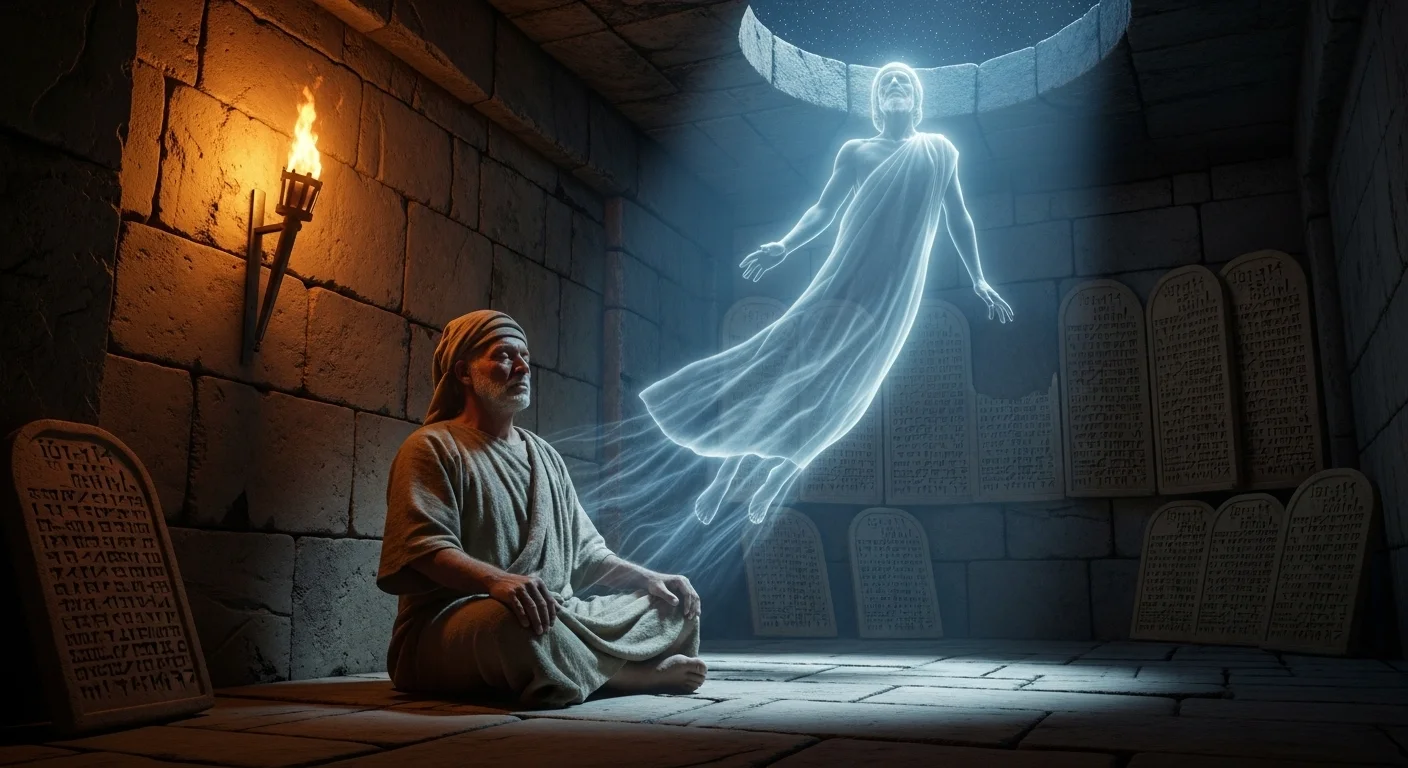
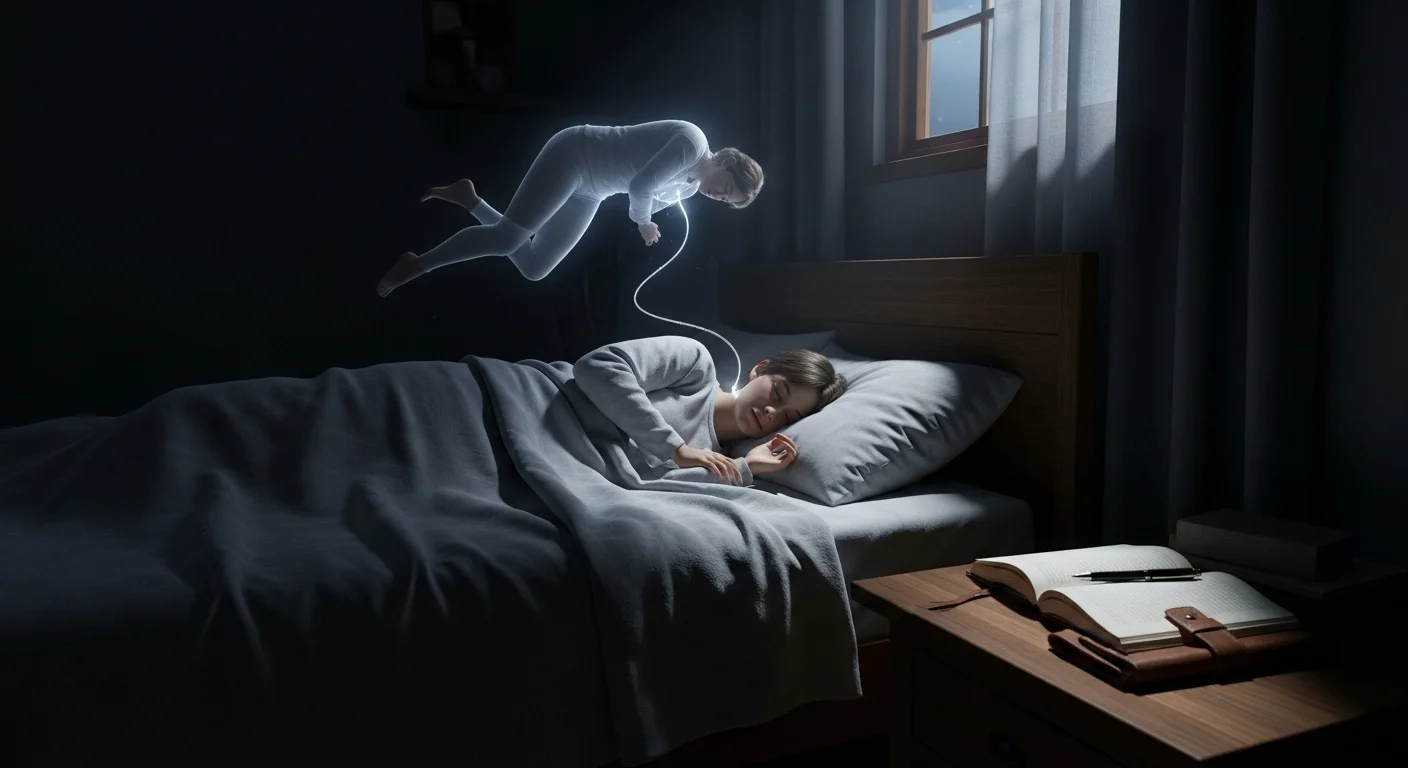
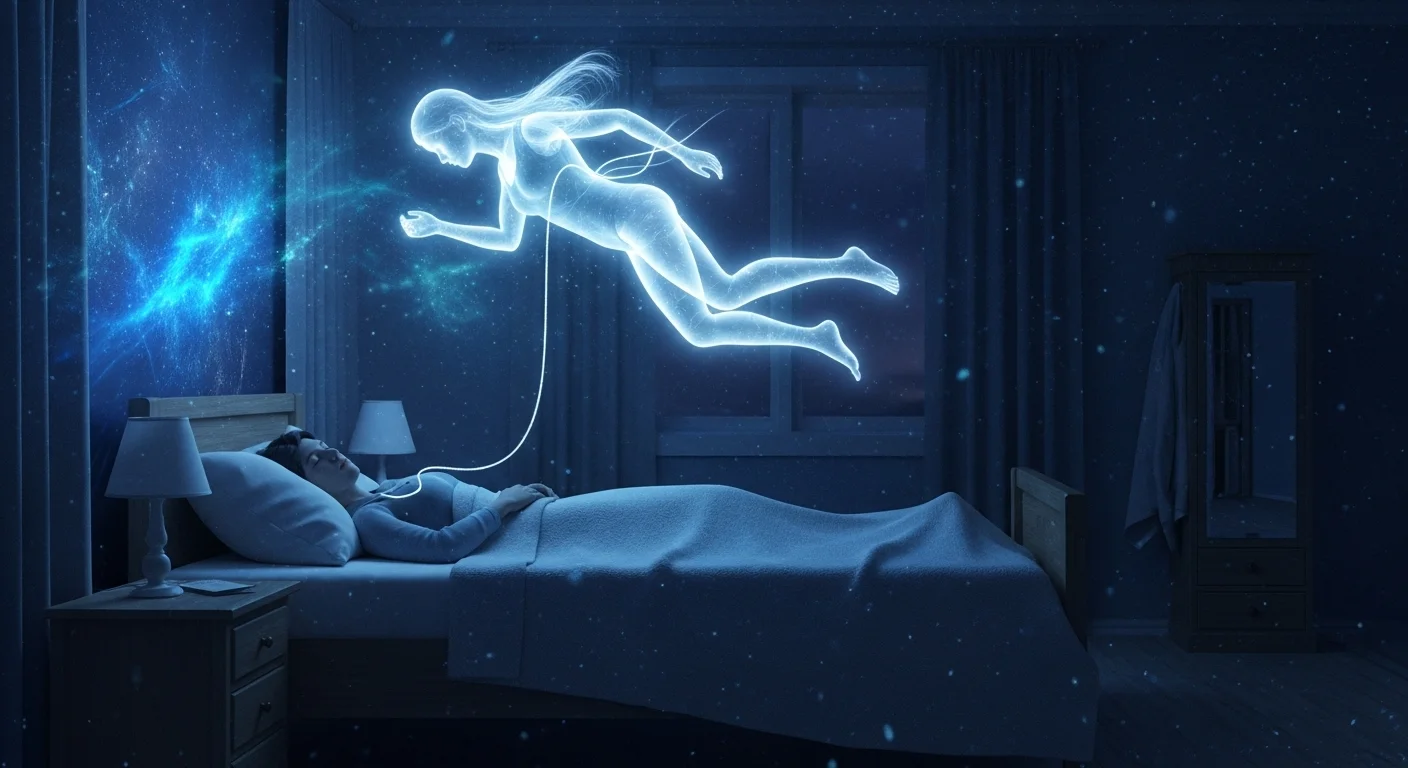
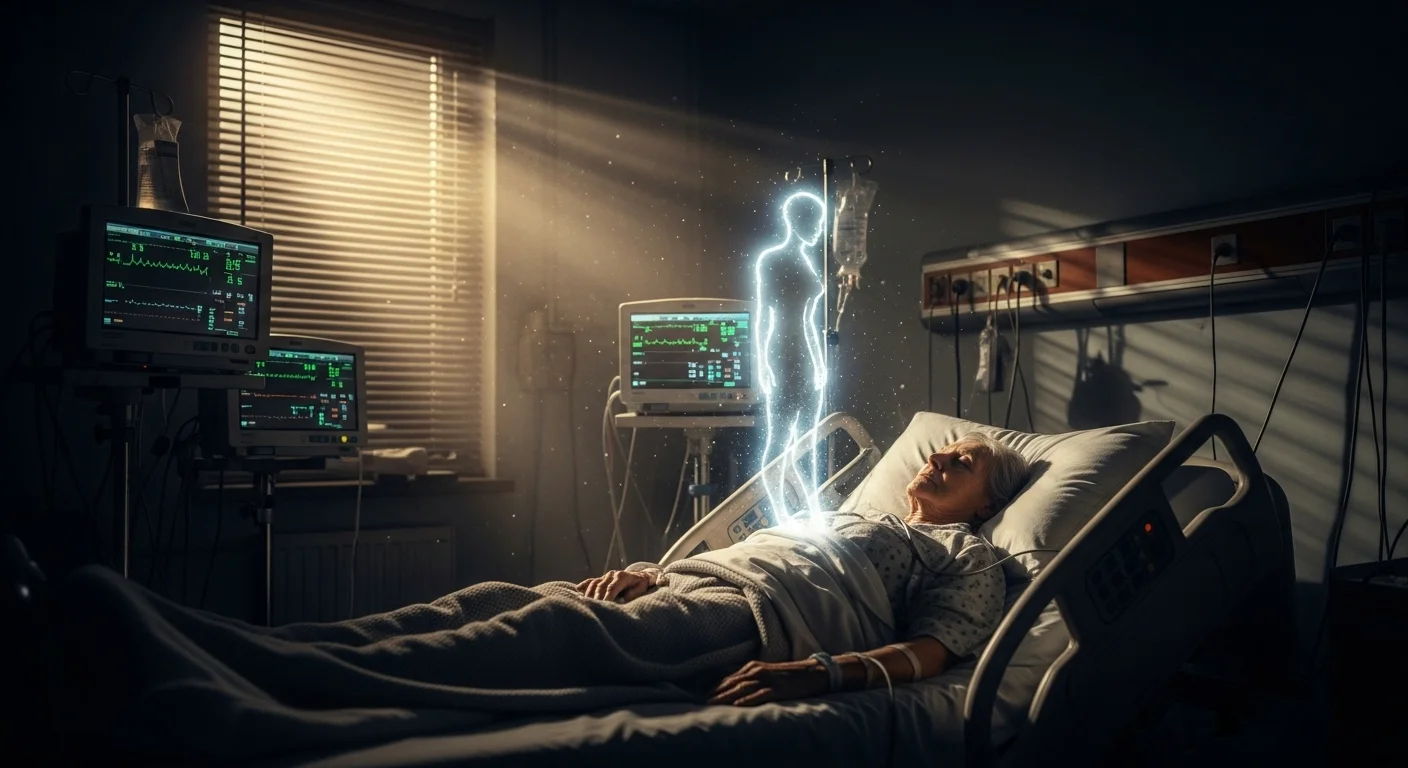
Patients who survive cardiac arrest often report a specific set of physical and mental sensations. A frequent observation is the sense of detachment from the physical form. Individuals describe viewing their own bodies from a location above the scene. This visual experience often happens alongside a complete absence of physical pain or distress. Medical reports indicate that these subjects feel a state of calm and neutrality during the event, despite the critical nature of their physiological condition.
Many accounts include descriptions of rapid movement through a dark and enclosed space. This is frequently described as a tunnel that leads toward a bright source of light. Some individuals also report a rapid visual review of memories from their past. Researchers classify these phenomena as cognitive experiences that occur during periods of reduced brain activity. The visual elements remain consistent across different demographic groups, suggesting a common biological mechanism affects the brain during these episodes.
Auditory perceptions are another common component of these clinical reports. Patients describe hearing distinct buzzing sounds or clear tones during the experience. Some accounts involve visual encounters with family members who have previously died. These interactions usually involve a sense of presence rather than verbal speech. The experience typically ends with a sudden sensation of returning to the physical body. Medical professionals record these narratives to analyze how brain function correlates with consciousness during clinical death.
The Medical Definition of Clinical Death
Clinical death occurs when a person’s heart stops beating and they stop breathing. Medical professionals identify this state by the absence of a pulse and the lack of respiratory movement. Blood circulation ceases, which means oxygen no longer travels to vital organs. This condition marks the beginning of the dying process but is distinct from biological death. Doctors view this phase as potentially reversible if emergency treatment begins immediately after cardiac arrest occurs.
During clinical death, brain activity continues for a short period before permanent damage sets in. The brain cells remain alive for several minutes after oxygen supply cuts off. Emergency interventions like cardiopulmonary resuscitation (CPR) or defibrillation attempt to restart the heart during this window. If medical teams restore circulation quickly, the patient may recover without significant neurological deficits. However, the time available for successful resuscitation is very limited and varies by individual case.
If medical efforts fail to restart the heart, clinical death progresses to biological death. Biological death involves the permanent degeneration of cells and organs throughout the body. At this stage, resuscitation is no longer possible because the damage becomes irreversible. Physicians confirm biological death when there is a total loss of brain function and the body shows physical signs of termination. This distinction allows medical staff to determine when to stop emergency life-saving procedures.
Your next step
If you already understand what astral projection is and you’re looking for practices that truly work, this e-book presents 35 tested techniques to induce out-of-body experiences. Each technique is explained clearly and directly, allowing you to choose the method that best fits your routine and level of awareness.
This material is ideal for those who want to apply objective and varied methods, speeding up the process of conscious out-of-body projection. It works for both beginners and practitioners who have already had experiences and want to expand their possibilities. This is a practical guide for anyone who wants consistent results.
If you are taking your first steps and want to understand the fundamentals of astral projection with clarity, this manual was created to make your learning easier. In it, you will find clear explanations about the subtle bodies, the stages of projection, the most common sensations, and how to deal with fear and mental blocks.
This e-book is recommended for anyone who needs a solid and safe foundation to start practicing with confidence. It organizes the concepts in a progressive way, helping you understand the process as a whole and develop a consistent and conscious practice.

For those who want more complete and in-depth guidance, the complete astral projection course offers structured lessons, guided practices, visualizations, advanced techniques, and ongoing support. The content was designed to take you from theory to practice with safety and consistency.
This course is suitable for all levels, from beginner to advanced, and provides a systematic approach based on years of research, experience, and proven results. You will learn how to awaken your potential, gain control of your experiences, and integrate spiritual insights into your daily life.