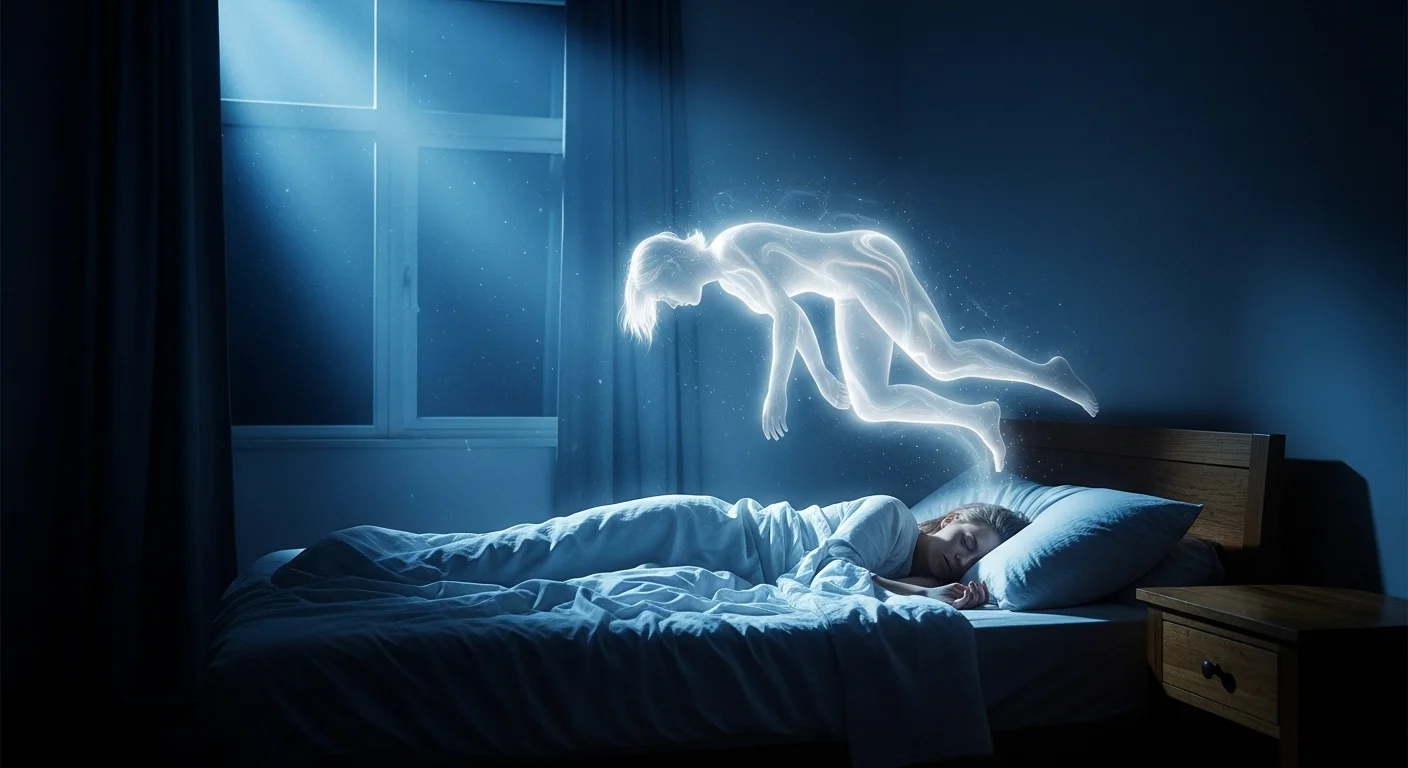
An out-of-body experience occurs when a person perceives the world from a location outside their physical body. The individual feels a distinct separation between their consciousness and their physical form. This observation point is often floating above or standing near the resting body. The person retains their normal level of awareness and memory during this specific event. They view their own body as an external object. This state differs from dreaming because the sensory perception remains clear, stable, and realistic throughout the process.
These experiences happen under various specific conditions. Many cases occur spontaneously during sleep transitions or moments of deep physical relaxation. Some individuals report these events during near-death experiences or severe physical trauma. Others induce the state intentionally through structured meditation or concentration techniques. Scientific studies suggest that brain functions related to spatial orientation influence these sensations. The experience does not require a specific belief system. It is a documented psychological and physiological phenomenon reported by people across different cultures.
The phenomenon involves a secondary form often called the subtle body. This non-physical form houses the consciousness while the biological body remains stationary. The person feels a sensation of movement without using physical muscles. They may pass through solid obstacles like walls or doors while in this state. Senses such as sight and hearing function differently than in the physical world. The episode concludes when the consciousness merges back with the physical body and the individual returns to a normal waking state.
Sensations of Vibrations and Auditory Sounds
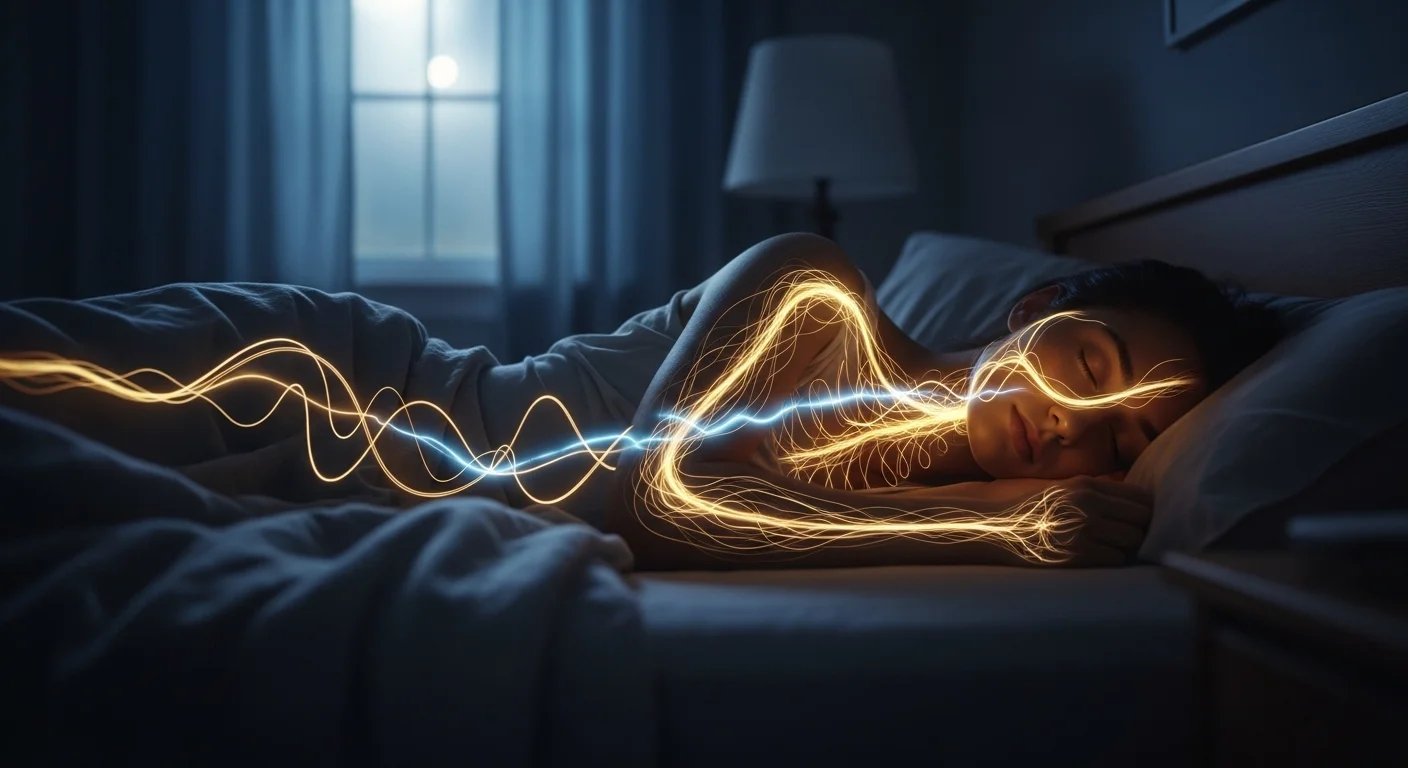
Many individuals report a specific physical sensation before leaving the body. This feeling resembles electricity or rapid buzzing energy inside the torso. Practitioners call this phenomenon the vibrational state. Vibrations often begin at the feet or the head and move through the rest of the body. The intensity varies from mild tingling to strong waves of energy. You must remain calm during this phase because fear stops the process immediately. This state prepares the consciousness for the exit.
Auditory phenomena frequently accompany the vibrations during the separation phase. You might hear loud noises that have no source in the room. Common sounds include humming, roaring, buzzing, or sharp cracks. Some people also report hearing voices or music during this transition. These sounds occur because focus shifts away from physical hearing. The noises usually increase in volume as the vibrations reach a peak level. This experience is a hallucination created by the mind during the shift.
These combined sensations indicate that the consciousness is ready to separate from the form. The vibrations and sounds signal a shift in frequency. Do not try to analyze the noises or stop the movements. You should focus on a technique to exit the body instead. Pushing out or rolling over are methods to complete the separation. The sounds and vibrations will fade away once you leave the body. You will then experience silence or a different environment.
Perception of Paralysis and Weightlessness
Many individuals report a temporary inability to move their physical muscles during the early stages of leaving the body. This state is known as sleep paralysis. It happens when the mind wakes up before the body does. The brain keeps the muscles relaxed to prevent movement during dreams. You might try to lift an arm or a leg but find it impossible. This sensation is normal and indicates that the body is in a deep state of rest while consciousness remains alert.
Once the sensation of paralysis stabilizes, a feeling of lightness often follows. This change marks the beginning of the separation process. The physical body feels heavy and static, but the projecting form feels distinct. You may feel as though you are floating above your bed or drifting upward. This perception removes the sense of gravity that normally affects the physical body. The contrast between the heavy physical body and the lighter non-physical form is usually very clear to the observer.
Understanding these physical sensations reduces fear during the experience. If you panic during the paralysis phase, the experience usually ends immediately. You should remain calm and observe the feelings without fighting them. The sense of weightlessness confirms that the consciousness is shifting away from physical input. This transition is a natural part of the process. Simply relax and allow the floating sensation to continue. This approach helps you move fully into the out-of-body state without waking up the physical body.
Visual Changes and Altered Awareness
Practitioners often report specific visual phenomena before leaving the physical body. You might see flashes of light or geometric patterns even when your eyes are closed. Some individuals describe an ability to see their physical surroundings through their eyelids. This experience is distinct from dreaming because the environment looks exactly like the actual room. These visual shifts indicate that your consciousness is shifting away from physical input and moving toward a non-physical state of perception.
A change in mental awareness usually accompanies these visual signs. You may experience a sensation of dual consciousness during this phase. This means you feel aware of your physical body and your energy body at the same time. The mind remains awake and alert while the physical body falls asleep. This state differs from normal wakefulness because your focus turns inward. You might sense the position of your limbs without actually moving your physical muscles.
The final stage of this transition involves a complete shift in perspective. Your field of vision may expand beyond the normal human limit of sight. Many people report having three-hundred-sixty-degree vision once they separate from the body. This allows you to see behind you without turning your head. The quality of this awareness is often sharper than physical sight. This clarity confirms that the separation process is complete and the consciousness is independent of the physical eyes.
Scientific Explanations for Disembodiment Sensations
Researchers link sensations of leaving the body to specific brain functions rather than supernatural causes. A key area involved is the right temporoparietal junction. This part of the brain collects data from your senses to create a unified sense of self. When this area malfunctions due to trauma, sleep disorders, or electrical stimulation, it fails to integrate sensory input correctly. This failure causes the brain to create a distorted image of the body location in space.
Another scientific factor involves the vestibular system located in the inner ear. This system controls balance and spatial orientation. If the signals from the vestibular system do not match visual information or touch receptors, the brain becomes confused. This sensory conflict disrupts proprioception, which is the awareness of the body’s position. The brain attempts to resolve this conflict by generating a feeling of floating or viewing the self from a distinct, external perspective.
Sleep states also provide a biological explanation for these experiences. Sleep paralysis occurs when the mind wakes up while the body remains in a state of atonia or temporary muscle paralysis. During this phase, the brain may experience vivid hallucinations known as hypnagogic states. The mind projects a sensation of movement because it expects the muscles to respond. This disconnection between motor commands and actual physical movement results in the specific feeling of separation from the physical form.
Common Triggers for Feeling Separated from the Body
Changes in sleep patterns often trigger sensations of leaving the physical body. Many people report this experience during the onset of sleep or immediately upon waking up. This state is known as the hypnagogic or hypnopompic stage. Sleep paralysis is another frequent physiological cause. In this condition, the mind wakes up while the body remains unresponsive. The brain may misinterpret these signals. This confusion can create a strong perception of floating or separation from the physical form.
Severe psychological stress and trauma also serve as common catalysts for separation. The brain utilizes dissociation as a defense mechanism during moments of extreme fear or pain. This process distances the conscious mind from physical sensations. Individuals with anxiety disorders or depersonalization conditions report these feelings frequently. The nervous system attempts to protect the individual by reducing sensory input. This biological response results in a distinct feeling of observing oneself from an external perspective without physical connection.
Specific external methods or chemical factors can induce these sensations intentionally or accidentally. Deep meditation practices aim to detach awareness from physical inputs. Sensory deprivation tanks remove external stimuli and often lead to a sense of body separation. Certain medications and anesthetic drugs affect neurochemistry in ways that alter spatial perception. Additionally, near-death experiences involving cardiac arrest reduce oxygen flow to the brain. This lack of oxygen disrupts normal brain function and generates the detachment sensation.
Your next step
If you already understand what astral projection is and you’re looking for practices that truly work, this e-book presents 35 tested techniques to induce out-of-body experiences. Each technique is explained clearly and directly, allowing you to choose the method that best fits your routine and level of awareness.
This material is ideal for those who want to apply objective and varied methods, speeding up the process of conscious out-of-body projection. It works for both beginners and practitioners who have already had experiences and want to expand their possibilities. This is a practical guide for anyone who wants consistent results.
If you are taking your first steps and want to understand the fundamentals of astral projection with clarity, this manual was created to make your learning easier. In it, you will find clear explanations about the subtle bodies, the stages of projection, the most common sensations, and how to deal with fear and mental blocks.
This e-book is recommended for anyone who needs a solid and safe foundation to start practicing with confidence. It organizes the concepts in a progressive way, helping you understand the process as a whole and develop a consistent and conscious practice.
For those who want more complete and in-depth guidance, the complete astral projection course offers structured lessons, guided practices, visualizations, advanced techniques, and ongoing support. The content was designed to take you from theory to practice with safety and consistency.
This course is suitable for all levels, from beginner to advanced, and provides a systematic approach based on years of research, experience, and proven results. You will learn how to awaken your potential, gain control of your experiences, and integrate spiritual insights into your daily life.