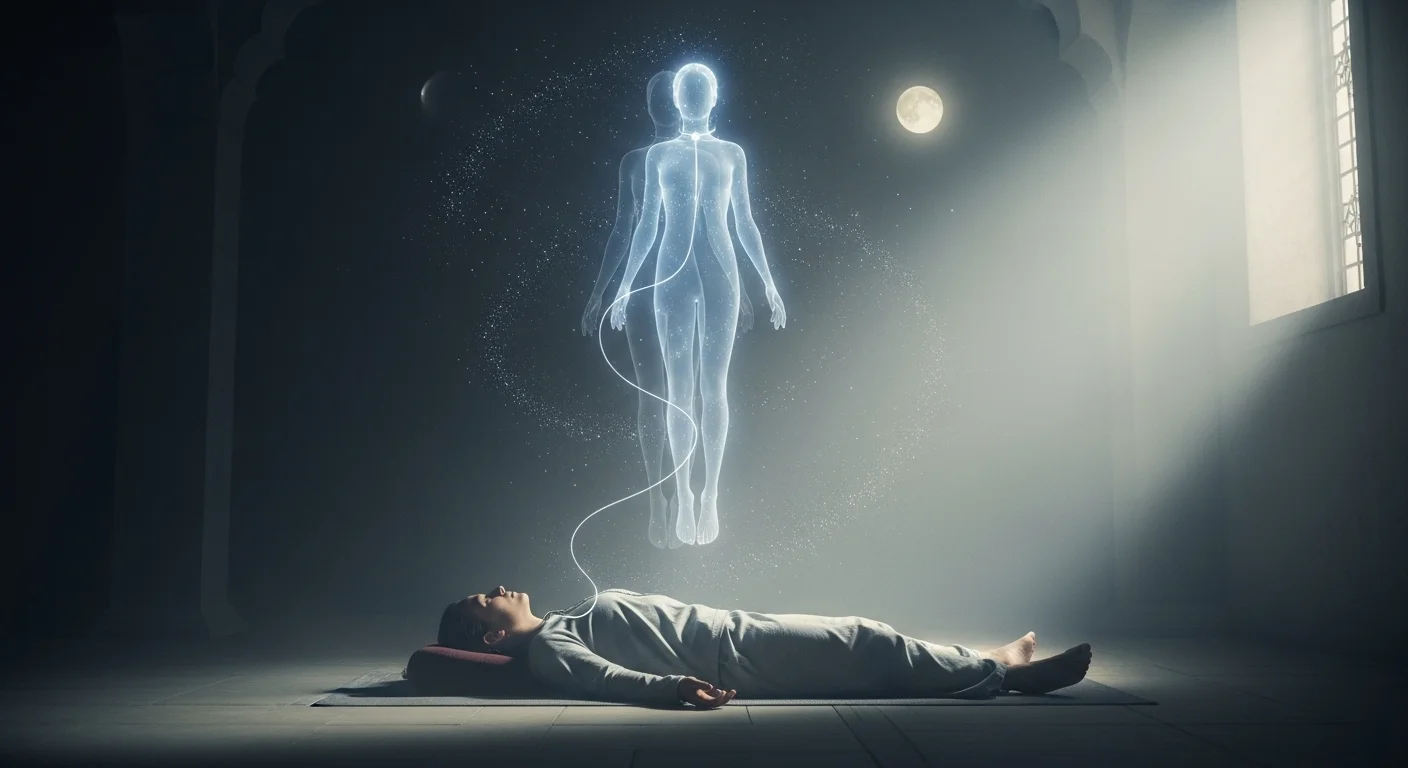
Astral projection is an intentional out-of-body experience where consciousness separates from the physical body. Practitioners believe that the mind travels independently while the physical form remains passive. This concept assumes the existence of a subtle body that functions as a vehicle for the awareness. During this state, the individual moves freely outside the constraints of the material world. This phenomenon differs from regular dreaming because the person maintains full lucidity and retains a clear memory of the event.
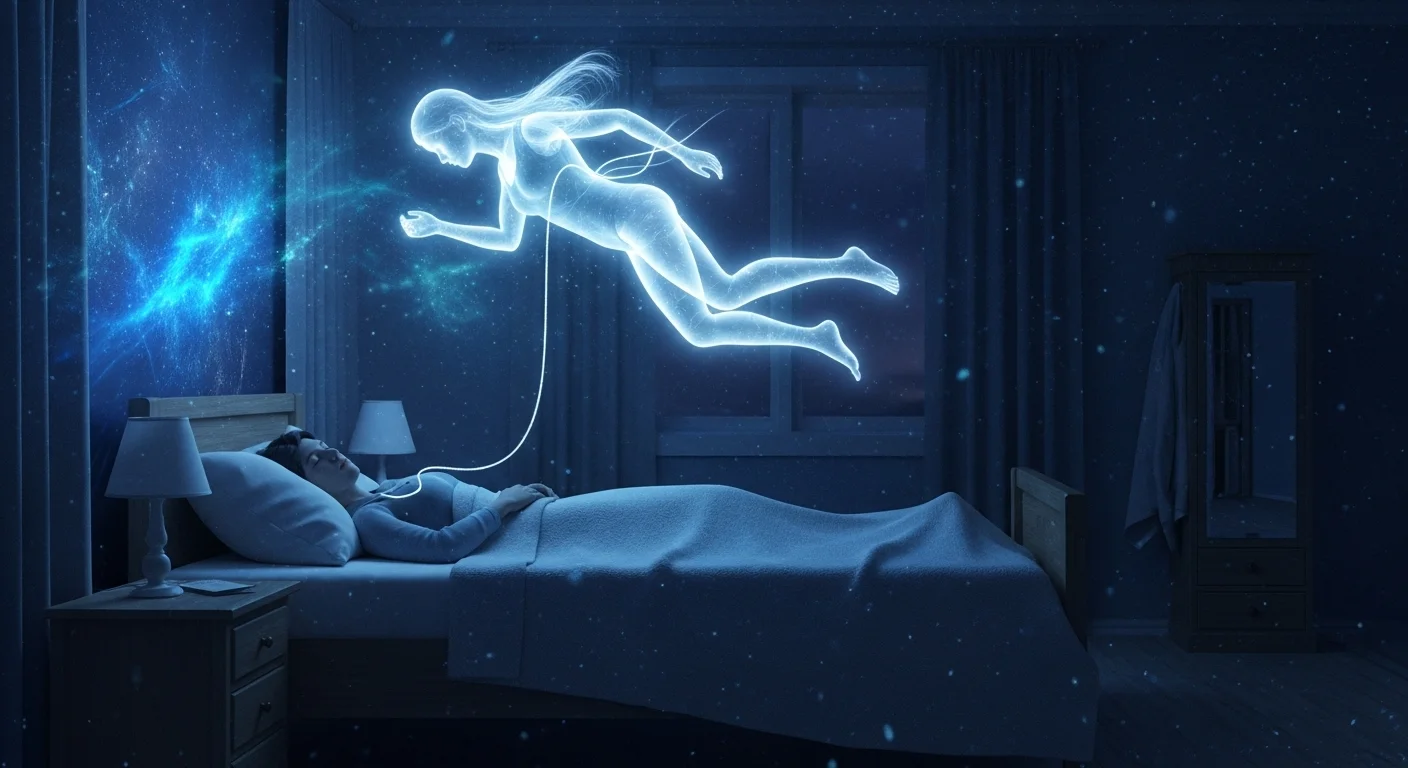
The experience typically occurs during states of deep relaxation, meditation, or the moments before sleep. Most practitioners enter this state through specific mental exercises or by inducing lucid dreams. The environment explored during the projection is technically known as the astral plane. This non-physical realm is described as a layer of reality that exists parallel to the physical world. Observers often claim they can view their own sleeping bodies from an external perspective before exploring other locations.
Science does not recognize astral projection as a proven objective phenomenon. Researchers often classify these events as dissociative experiences or complex psychological states. Neurological studies suggest that specific brain activity correlates with the sensation of leaving the body. Despite the lack of empirical evidence, many individuals practice it for personal or spiritual development. They view the process as a practical tool for self-exploration rather than a medical anomaly. The definition relies on personal accounts rather than measurable data.
History of Out-of-Body Experiences
Humans have reported out-of-body experiences for thousands of years. Ancient Egyptian texts described the “ba” as a soul that could travel outside the physical form. Greek philosophers like Plato also wrote about similar concepts in their teachings. These early accounts suggest that people believed the mind could exist independently from the body. Shamans in various indigenous cultures practiced rituals to induce these states. They used drumming and chanting to enter trances and gain guidance for their communities.
In the nineteenth century, the term “astral projection” became popular among Western occultists. The Theosophical Society played a large role in spreading these ideas to the public. Writers like Madame Blavatsky claimed that trained individuals could intentionally separate their consciousness from their physical bodies. They described the astral body as a form of energy. This era moved the concept from religious myth to a subject of specific study. Many books published during this time offered techniques for practice.
Research into these phenomena increased significantly during the twentieth century. Robert Monroe published a famous book in 1971 that detailed his own out-of-body experiences. He established an institute to study human consciousness using audio technologies. Scientists also began to investigate these states in laboratory settings. Neurologists stimulated specific parts of the brain to reproduce the sensation of leaving the body. These studies aim to understand the biological mechanisms behind the experience rather than just the spiritual aspects.
Common Methods for Astral Projection
One of the most frequently used techniques is the Rope Method. You start by relaxing your body completely while lying down in a quiet room. Once you reach a state near sleep, you visualize a long rope hanging directly above you. You imagine reaching out with your non-physical hands to firmly grab the rope. You mentally pull yourself up the rope hand over hand. This specific action focuses your mind on separating from the physical body without moving your actual muscles.
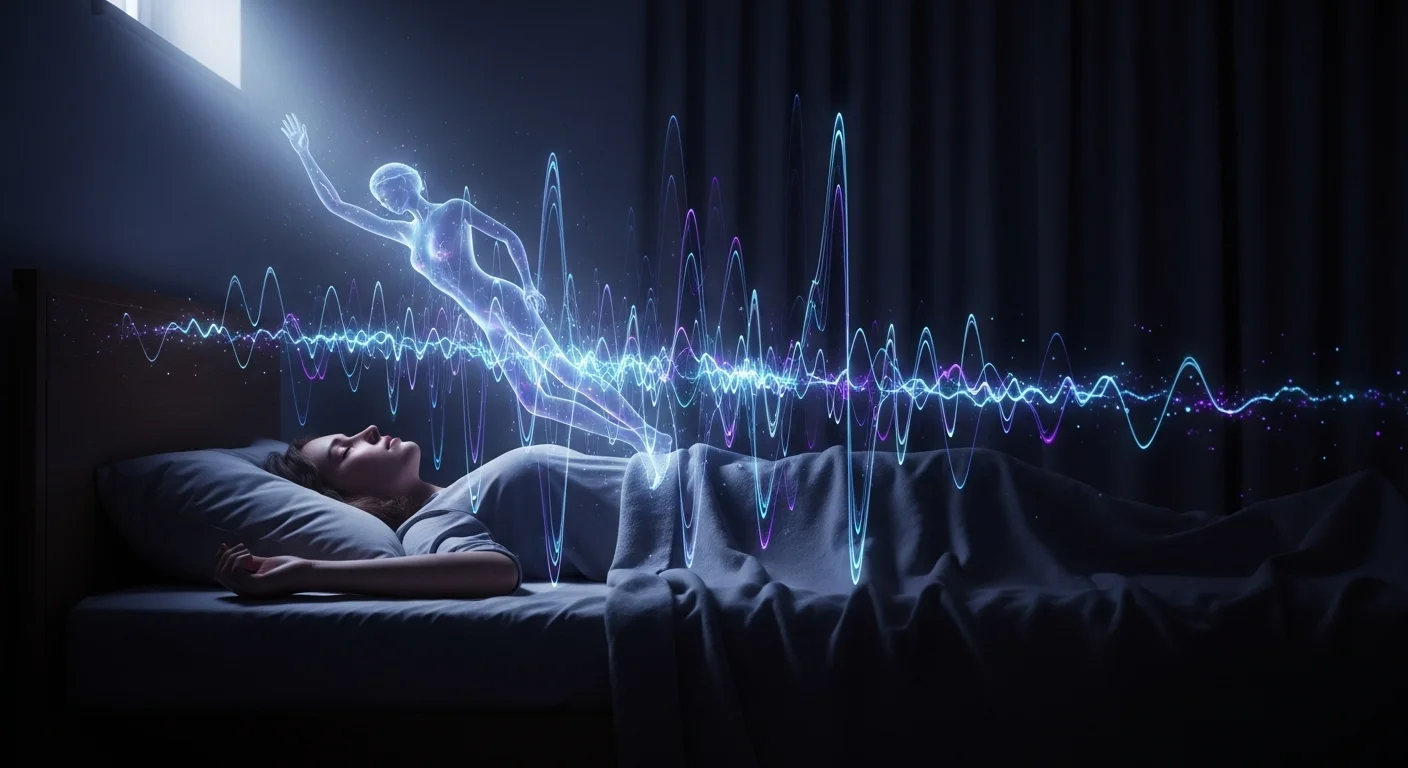
Another common approach involves inducing a vibrational state. This method requires deep physical relaxation while keeping the mind awake. You focus on relaxing every muscle group until you lose physical sensation. Then, you concentrate on creating a vibration or buzzing sensation inside your head. You guide these vibrations through your entire body. When the vibrations become intense, you attempt to roll out of your physical body or float upwards. This state signals that the consciousness is ready to separate.
The Wake-Back-to-Bed technique utilizes natural sleep cycles to aid projection. You set an alarm to wake up after approximately five hours of sleep. You stay awake for a short period to alert your mind. Then, you return to bed with the intention of projecting. This method takes advantage of the Rapid Eye Movement sleep phase. Your body falls asleep quickly while your mind retains awareness. This transition state often makes it easier to exit the physical body consciously.
Preparation Steps for Beginners
You must choose a quiet environment where you will not be disturbed by other people or pets. Turn off all electronic devices to avoid sudden noises that break concentration. Lie down on a comfortable surface, such as a bed or a floor mat. The room temperature should be moderate to prevent physical discomfort. Close your eyes and focus on your physical body. Systematically relax every muscle group from your toes to your head to release all tension.
Once your body is relaxed, you need to calm your mind completely. Focus your attention entirely on your breathing pattern. Inhale slowly through your nose and exhale gently through your mouth. Do not force the breath, but let it become rhythmic and deep. If thoughts enter your mind, dismiss them immediately and return focus to the breath. This process helps lower your brainwave frequency. You aim to reach a border state between wakefulness and sleep.
You may feel specific sensations after relaxing deeply for several minutes. Common signs include a buzzing sound or a sensation of vibration throughout the body. Do not panic or move your physical muscles during this phase. Fear or movement will stop the process immediately. Remain passive and observe these sensations without reaction. Mental intention is the final tool. Firmly state your intention to leave your physical body while keeping your mind awake. You are now prepared.
Potential Risks and Safety Measures
Many beginners worry about getting lost or hurt during astral projection. Experienced practitioners state that physical harm is impossible. You remain connected to your physical body at all times. This connection ensures you can always return instantly if you feel uncomfortable. The concept of a silver cord often describes this tether. Fear is usually the biggest obstacle for new students. You must remain calm and approach the practice with a positive mindset to ensure a good experience.
A significant risk involves mental and physical exhaustion. Attempting to project requires deep focus and energy. This effort can disrupt your normal sleep patterns and lead to fatigue during the day. People with unstable mental health conditions should avoid this practice without professional advice. The experience can sometimes be intense or confusing. It is important to maintain a grounded perspective. You should prioritize your physical health and sleep schedule before you attempt these techniques.
You can take specific steps to ensure a safe environment. Choose a quiet room where nobody will disturb you. This prevents sudden shocks that could force you back into your body too quickly. Some people visualize a protective light around themselves before starting. This mental exercise helps establish a feeling of security. If you encounter anything negative, you simply need to think about moving your physical body. This thought brings you back immediately and ends the session.
Scientific Explanation of the Phenomenon
Scientists categorize astral projection as an out-of-body experience. This phenomenon involves the sensation of floating outside one’s physical body. Researchers attribute these events to neurological function rather than a separation of the soul. Studies suggest that the temporoparietal junction is crucial in this process. This specific area of the brain processes sensory information and helps construct your perception of self-location. When this region malfunctions or receives conflicting signals, the brain may create the illusion of displacement.
Various factors can trigger these experiences under controlled laboratory conditions. Electrical stimulation of specific cortical areas can induce the feeling of leaving the body. Other common triggers include sleep paralysis, sensory deprivation, and near-death experiences. During sleep paralysis, the body remains immobile while the mind wakes up, which disrupts the integration of bodily signals. This disconnect confuses the brain’s mental map of the body. The mind attempts to resolve this conflict by projecting a secondary vantage point.
Experts also link these phenomena to psychological mechanisms like dissociation. This state involves a detachment from immediate reality and physical sensation. Medical professionals consider the visual components of astral projection to be hallucinatory in nature. These hallucinations occur when the brain tries to interpret ambiguous sensory data during states of altered consciousness. While the experience feels completely real to the subject, objective measurements show that consciousness remains within the brain. No scientific evidence supports the existence of an external consciousness.
Your next step
If you already understand what astral projection is and you’re looking for practices that truly work, this e-book presents 35 tested techniques to induce out-of-body experiences. Each technique is explained clearly and directly, allowing you to choose the method that best fits your routine and level of awareness.
This material is ideal for those who want to apply objective and varied methods, speeding up the process of conscious out-of-body projection. It works for both beginners and practitioners who have already had experiences and want to expand their possibilities. This is a practical guide for anyone who wants consistent results.
If you are taking your first steps and want to understand the fundamentals of astral projection with clarity, this manual was created to make your learning easier. In it, you will find clear explanations about the subtle bodies, the stages of projection, the most common sensations, and how to deal with fear and mental blocks.
This e-book is recommended for anyone who needs a solid and safe foundation to start practicing with confidence. It organizes the concepts in a progressive way, helping you understand the process as a whole and develop a consistent and conscious practice.
For those who want more complete and in-depth guidance, the complete astral projection course offers structured lessons, guided practices, visualizations, advanced techniques, and ongoing support. The content was designed to take you from theory to practice with safety and consistency.
This course is suitable for all levels, from beginner to advanced, and provides a systematic approach based on years of research, experience, and proven results. You will learn how to awaken your potential, gain control of your experiences, and integrate spiritual insights into your daily life.