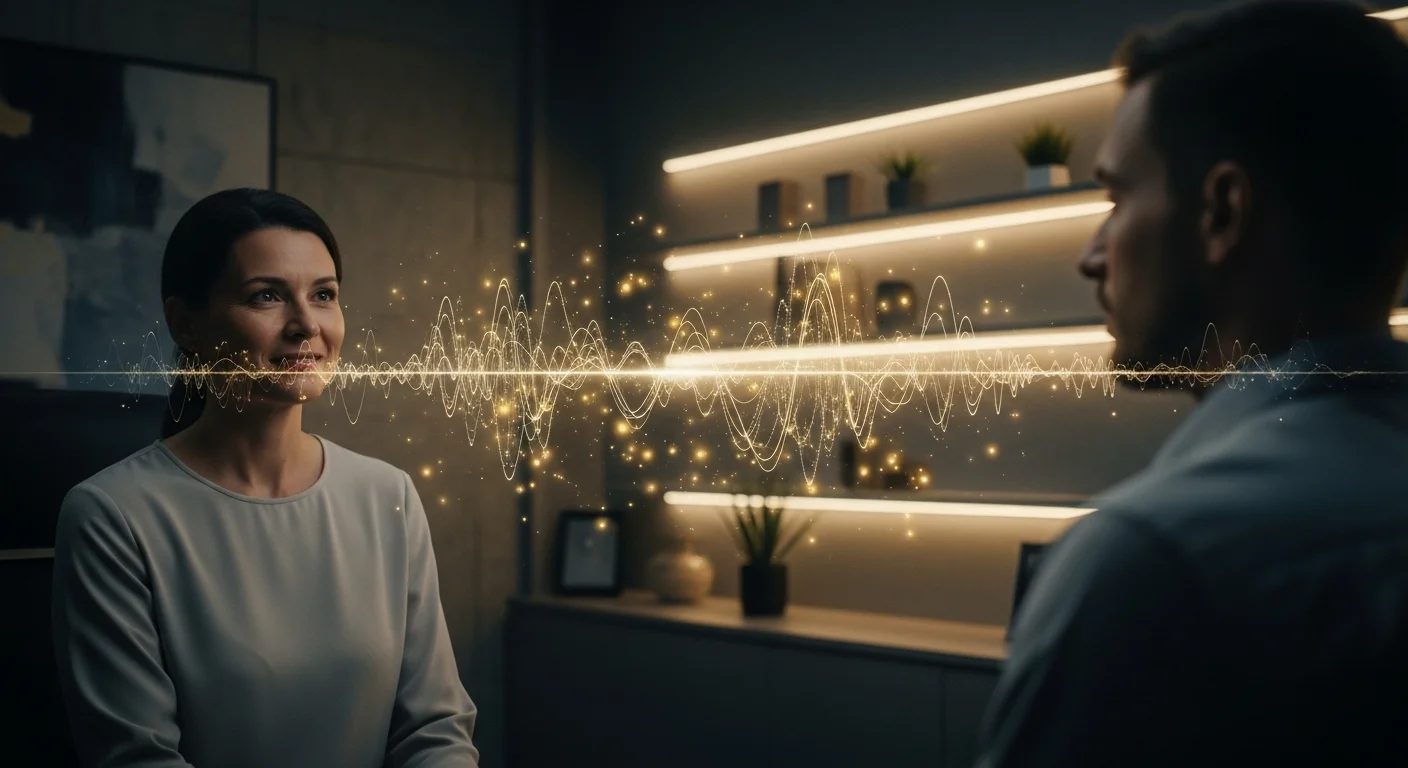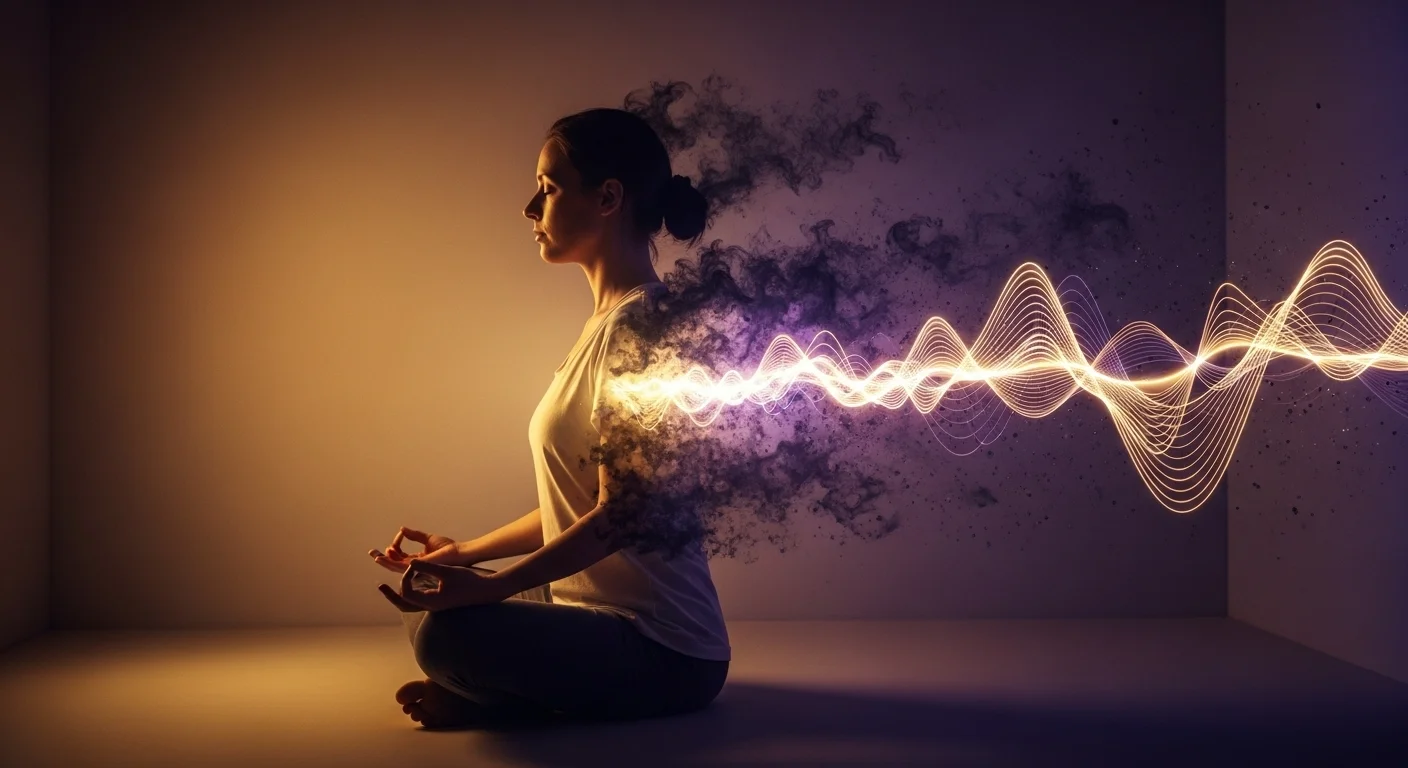

Vibrational therapy is a therapeutic practice that utilizes mechanical vibrations to stimulate the human body. Practitioners apply specific frequencies to physical tissues to promote various physiological changes. This method aims to improve blood circulation and reduce localized pain through the direct stimulation of muscles and bones.
This therapy involves the use of devices like whole-body vibration plates or handheld tools. These machines generate rapid oscillations that transmit mechanical energy into the body. This energy transfer causes muscles to contract and relax very quickly, creating a systemic response within the muscular and skeletal systems.
Medical professionals often use this technique for physical rehabilitation and athletic training. The underlying principle suggests that external vibrations interact directly with cellular structures. Research studies examine how these mechanical forces affect bone density and muscle strength without requiring strenuous physical exertion from the patient.
Mechanisms Behind Vibrational Therapy
Vibrational therapy works through a process called mechanotransduction. Devices deliver mechanical pulses to the body. These physical vibrations enter muscle fibers and bone structures. Cells detect this stimulation and respond by changing their internal activity. This reaction promotes repair and strengthens tissue integrity over time.
The application of specific frequencies increases local blood circulation. Oxygen and nutrients reach the affected areas more efficiently. The vibrations also interact with the nervous system to inhibit pain signals. This interaction reduces the transmission of discomfort data to the brain and relaxes tense muscle groups.
High-frequency vibrations force muscles to contract and relax rapidly. This involuntary activation engages more muscle fibers than voluntary movement does. The stress placed on the skeletal system encourages the production of new bone cells. Consequently, density improves and the body regulates metabolic functions more effectively.
Common Types of Vibrational Therapy
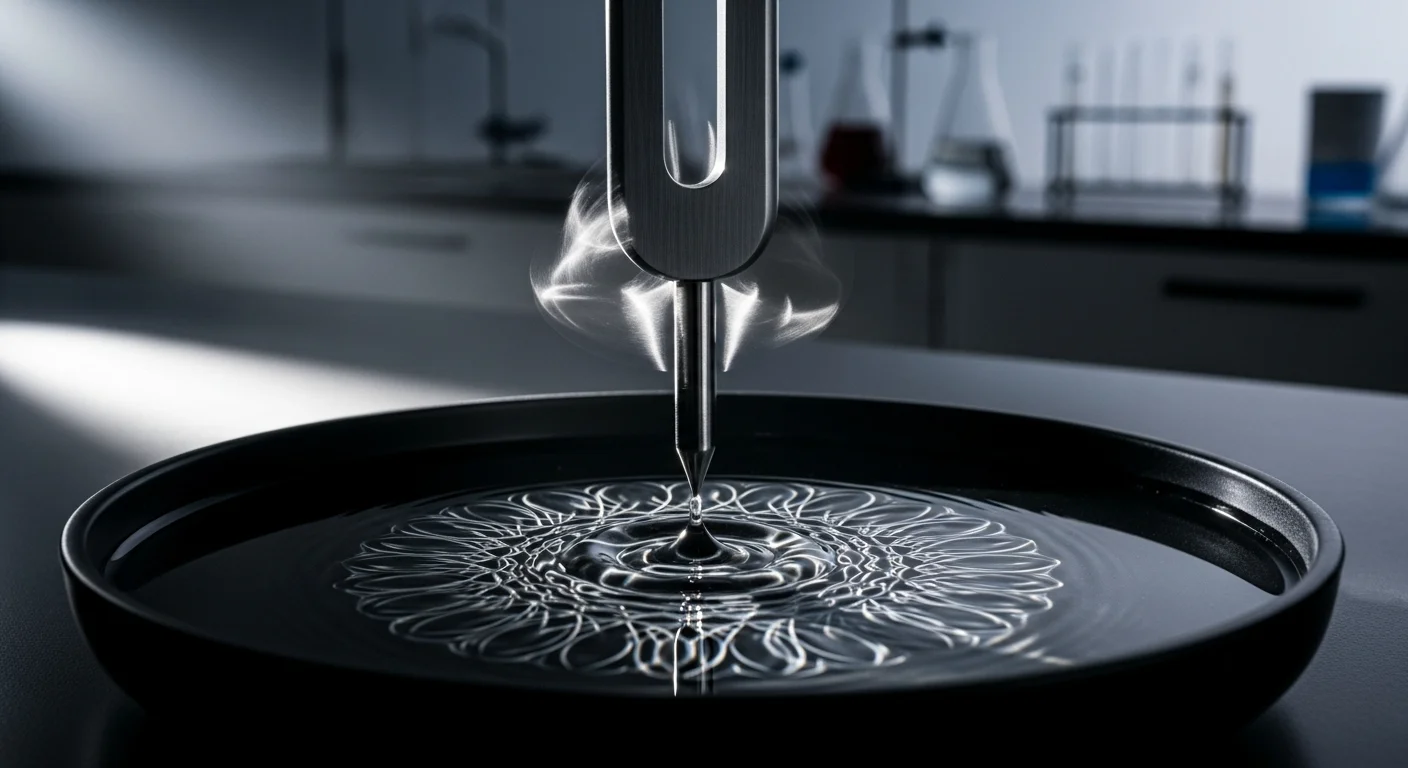
Sound healing utilizes audible frequencies to impact the physical body. Practitioners often use instruments like Tibetan singing bowls, gongs, or tuning forks during a session. These specific sounds aim to induce deep relaxation and significantly lower stress levels by directly interacting with the body’s natural rhythms.
Whole body vibration involves standing or sitting on a specialized vibrating machine. The platform sends mechanical oscillations through the body at specific frequencies. This physical stimulation forces muscles to contract and relax rapidly, which may improve muscle strength, blood circulation, and bone density over time.
Reiki and therapeutic touch represent subtle forms of vibrational medicine. In these practices, a therapist places hands lightly on or just above the patient. The goal is to channel energy to support the body’s self-healing processes, reduce pain, and restore balance without using mechanical equipment.
Potential Health Benefits and Research
Vibrational therapy often aims to improve physical strength and balance. Some studies suggest that whole-body vibration can increase muscle mass and bone mineral density. This is particularly relevant for older adults or individuals who cannot perform rigorous exercise routines due to physical limitations.
Research also indicates potential improvements in blood circulation and lymphatic drainage. Users frequently report reduced chronic pain and muscle soreness after sessions. Clinical trials are currently investigating the specific mechanisms that allow low-frequency vibrations to alleviate back pain and improve flexibility in patients.
Scientists are examining the effects of vibration on neurological conditions like Parkinson’s disease. While early results show promise for motor function, medical experts emphasize the need for more standardized studies. Current evidence supports its use as a complementary treatment rather than a standalone cure.
Risks and Safety Considerations
Vibrational therapy creates strong physical forces that may harm certain individuals. Pregnant women should avoid whole-body vibration because it can affect the fetus. People with pacemakers or metal implants also face risks, as the vibrations might displace or damage these medical devices.
Individuals with acute injuries or recent fractures must consult a doctor before using this therapy. Intense vibrations can worsen existing tissue damage or prevent proper healing. Patients with a history of blood clots should also refrain from usage to prevent dislodging a clot.
Excessive exposure to vibration often causes negative side effects. Users may experience nausea, dizziness, or fatigue if sessions last too long. It is important to follow manufacturer guidelines regarding time limits and intensity settings to ensure the procedure remains safe and effective.
Expectations During a Therapy Session
A typical session begins with a brief consultation to discuss health history. The practitioner then directs the client to lie down on a treatment table. The individual remains fully clothed during the entire process. The environment is kept quiet to minimize external distractions for the patient.
The therapist places specific instruments on or near the body. These tools often include tuning forks, singing bowls, or electronic devices. They activate these instruments to produce sound waves. The resulting vibrations travel through the body to target specific areas of tension or physical discomfort.
Clients usually feel physical vibrations on their skin and muscles. Some individuals report a sensation of warmth or relaxation in the treated areas. The session lasts between thirty and sixty minutes. After the therapy concludes, the practitioner provides time for the client to return to alertness.