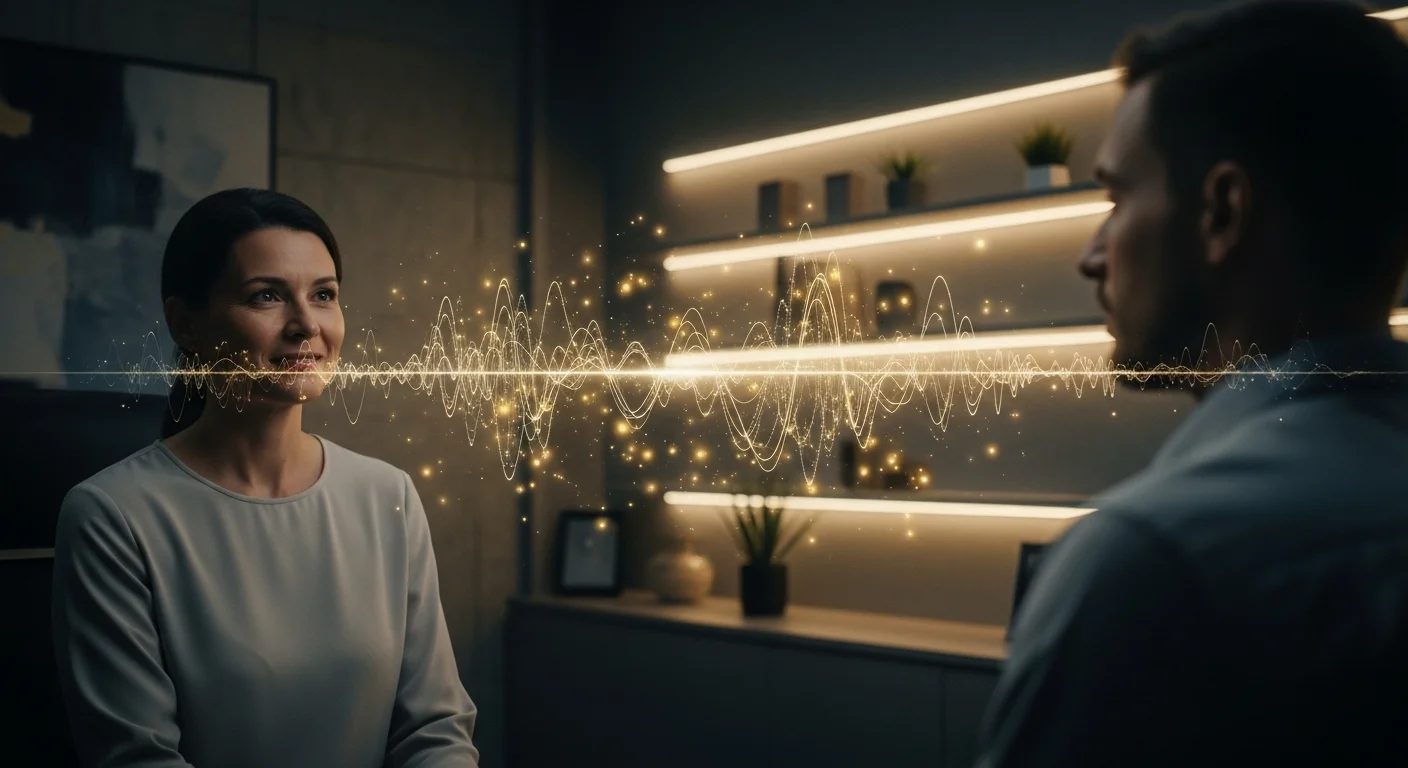

Vibrational therapy works by delivering mechanical oscillations to the body. These rapid movements stimulate muscle spindles, which are sensory receptors within the muscle belly. This process triggers an involuntary response known as the tonic vibration reflex, causing muscles to contract and relax quickly.
The mechanical pressure generated by the device improves local blood circulation. The physical oscillations widen blood vessels, allowing oxygen and nutrients to reach tissues more efficiently. Additionally, this stimulation encourages lymphatic drainage, which helps the body remove metabolic waste products from the affected areas.
Research indicates that these vibrations also impact bone health by mimicking the stress of physical exercise. This mechanical signal activates osteoblasts, the cells responsible for bone formation. Consequently, the process supports bone density maintenance and enhances cellular metabolism without requiring strenuous physical activity.
Improvement of Muscle Strength and Tone
Vibrational therapy devices generate rapid oscillations that transmit energy to the body. This mechanical stimulation forces muscles to contract and relax at high speeds. These involuntary reactions occur many times per second, engaging more muscle fibers than traditional exercise alone can achieve during a standard workout.
The process stimulates both slow-twitch and fast-twitch muscle fibers efficiently. As the body attempts to stabilize itself against the vibrations, the muscles remain in a continuous state of tension. This consistent engagement helps increase overall muscle density and defines muscle tone without heavy lifting.
Regular use of whole-body vibration platforms leads to measurable gains in explosive power and physical strength. This therapy supports the neuromuscular system, which improves coordination and balance. Consequently, individuals often experience enhanced physical performance and reduced risk of falls in daily activities.
Enhancement of Bone Density and Mass
Vibrational therapy creates mechanical signals that travel through the skeleton. These physical forces mimic the impact of regular exercise like running. The body responds by stimulating the production of new bone cells called osteoblasts. This process helps to strengthen the skeletal structure over time.
This method is particularly useful for individuals with low bone density. Older adults and postmenopausal women often experience a steady decline in bone mass. Regular use of vibration plates can slow down this loss. It provides a safe option for people unable to perform high-impact movements.
Research indicates that whole-body vibration increases mineral density in the spine and hips. The vibrations cause muscles to contract rapidly, which places necessary stress on the bones. This load signals the body to add mass, resulting in a denser and more durable skeletal system.
Stimulation of Blood Circulation and Lymphatic Flow
Vibrational therapy utilizes mechanical pulses to stimulate muscle fibers throughout the body. These rapid contractions encourage the blood vessels to widen, which allows blood to move more freely. This process increases the supply of oxygen and essential nutrients to the tissues while removing waste products.
The lymphatic system relies on muscle movement to transport fluids because it lacks a pumping organ. Whole-body vibration mimics physical activity and helps push lymph fluid through the nodes. This action reduces fluid retention in the extremities and supports the body in eliminating toxins efficiently.
Enhanced circulation and lymphatic drainage work together to lower inflammation levels in the body. Better fluid movement speeds up recovery times after exercise or injury by clearing metabolic waste. Regular sessions maintain these flow rates, which promotes overall cardiovascular health and supports immune system function.
Reduction of Chronic Pain and Inflammation
Vibrational therapy transmits rapid mechanical oscillations to the body. This physical stimulation helps to block pain signals from reaching the central nervous system. Many patients report immediate relief because the vibrations distract nerve receptors and interrupt the standard pain transmission pathways found in chronic conditions.
The mechanical movements also increase local blood circulation and lymphatic drainage. This process allows the body to remove metabolic waste products more efficiently. By clearing these substances from affected tissues, the therapy reduces swelling and systemic inflammation that often contribute to long-term physical discomfort.
Regular sessions promote muscle relaxation and decrease joint stiffness. This is particularly useful for individuals suffering from arthritis or fibromyalgia. As the muscles loosen and tension subsides, pressure on the joints decreases, which leads to a significant and sustained reduction in chronic physical pain levels.
Safety Guidelines and Contraindications
Before starting vibrational therapy, you must consult a medical professional. This ensures the treatment suits your current physical condition. Most manufacturers provide specific instructions regarding frequency and duration. Users should always follow these operational manuals to prevent injury or overuse of the equipment during sessions.
Certain individuals should avoid vibrational therapy completely. This includes people with heart conditions, pacemakers, or recent surgeries. Pregnant women and those with epilepsy or acute thrombosis must also refrain from using vibration platforms. These conditions carry risks that vibration can exacerbate, leading to serious complications.
Sessions should remain short, typically lasting between ten and fifteen minutes. Extended exposure to strong vibrations causes fatigue or joint pain. If you experience dizziness, nausea, or discomfort, stop the machine immediately. Proper posture is also necessary to absorb the mechanical energy safely without harm.