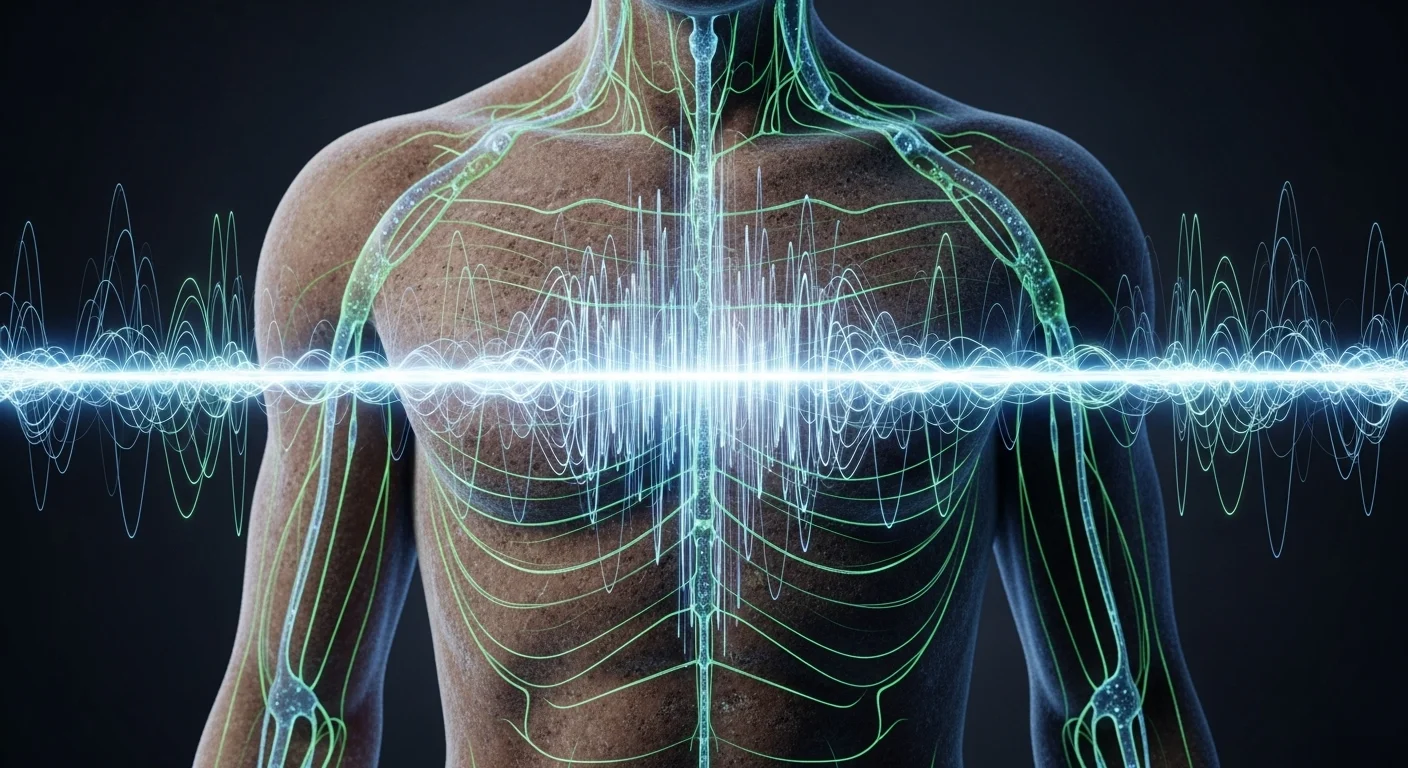

Vibrational therapy is a health practice that uses mechanical vibrations to treat various physical conditions. Practitioners use specific devices or instruments to transmit energy frequencies into the body. The goal of this process is to stimulate muscles, improve circulation, and promote general relaxation in the patient.
A common form involves standing, sitting, or lying on a vibrating platform machine. This method is known as whole-body vibration. The machine generates rapid movements that force muscles to contract and relax quickly. This reaction helps maintain balance and can increase bone density over time.
Other types of this therapy utilize sound waves produced by tuning forks, singing bowls, or gongs. These acoustic vibrations travel through tissues and fluids within the body. This approach aims to reduce stress levels, alleviate pain, and support the natural healing processes of the biological system.
How Mechanical Vibration Affects the Body
Mechanical vibration causes rapid contractions and relaxations in muscle fibers. The machine generates specific frequencies that stimulate the nervous system. This process triggers a stretch reflex within the muscles. Consequently, the body recruits more motor units to maintain stability and balance during the session.
Exposure to vibration increases blood flow throughout the circulatory system. This improved circulation delivers oxygen and nutrients to tissues more efficiently. Additionally, vertical vibration places a load on the skeletal structure. This mechanical stress stimulates bone cells to build density and strengthen the bones.
Vibration therapy aids in lymphatic drainage and metabolic waste removal. The physical oscillation helps reduce muscle soreness after physical exercise. Some evidence indicates that whole-body vibration influences hormonal production. It may lower cortisol levels to support faster tissue repair and general physical recovery.
Common Types of Vibrational Therapy Devices
Whole-body vibration plates are stationary machines often found in gyms and rehabilitation centers. The user stands, sits, or exercises on a vibrating platform. These devices transmit energy through the feet and into the rest of the body to stimulate muscles and improve circulation.
Handheld percussive massage guns deliver rapid bursts of pressure into muscle tissue. Athletes and physical therapists use these tools to target specific areas of tension or soreness. The concentrated vibration helps increase blood flow to the treated area and reduces muscle recovery time.
Acoustic vibrational tools include tuning forks and singing bowls made from metal or crystal. Practitioners strike these instruments to produce specific frequencies near the body. This form of therapy relies on sound waves to create physical vibrations that promote relaxation and stress reduction.
Conditions Treated with Vibrational Therapy
Practitioners often use vibrational therapy to address chronic pain and musculoskeletal injuries. Clinical studies suggest that whole-body vibration can improve bone density and increase muscle mass. It is frequently prescribed for patients suffering from arthritis, lower back pain, or those recovering from physical trauma.
This therapy also assists individuals with neurological disorders and circulation problems. Research indicates that specific frequencies may help reduce tremors associated with Parkinson’s disease. Additionally, the vibrations stimulate blood flow throughout the body, which aids in reducing swelling and improving overall balance in older adults.
Many people utilize sound-based vibrational therapy to manage stress and anxiety levels. The rhythmic vibrations can lower blood pressure and decrease the production of stress hormones. Consequently, this method is often used to treat insomnia and promote relaxation in patients experiencing high levels of tension.
Scientific Evidence Supporting Vibrational Therapy
Research shows that vibrational therapy can help reduce chronic pain in patients. Clinical studies indicate that low-frequency vibrations improve blood circulation and stimulate nerve endings. This physical process helps the body manage inflammation and promotes faster recovery times for various muscle injuries.
Scientists have observed positive results regarding bone density and muscle strength. Whole-body vibration machines are frequently used to treat conditions like osteoporosis. The mechanical oscillations force muscles to contract rapidly, which increases overall physical stability and prevents falls in older adults.
Additional evidence supports the use of sound frequencies for stress reduction. Studies suggest that specific sound waves can lower cortisol levels and decrease blood pressure. This therapy affects the nervous system directly, leading to a state of relaxation and improved sleep patterns.
Safety and Contraindications for Users
Vibrational therapy is generally considered safe for most healthy adults when used correctly. However, individuals should always consult a healthcare provider before starting any new treatment. This step ensures that the specific therapy method suits your current health condition, physical needs, and medical history.
Certain groups must avoid this therapy to prevent adverse effects. Pregnant women should not use whole-body vibration machines due to potential risks to the fetus. Additionally, people with pacemakers or other electronic implants must avoid these devices, as vibrations can disrupt their proper function.
Users with acute injuries, recent surgeries, or open wounds should wait before using vibrational therapy. The intense vibrations can aggravate existing physical trauma or delay the healing process. People prone to blood clots or seizures should also avoid these treatments to maintain their safety.