
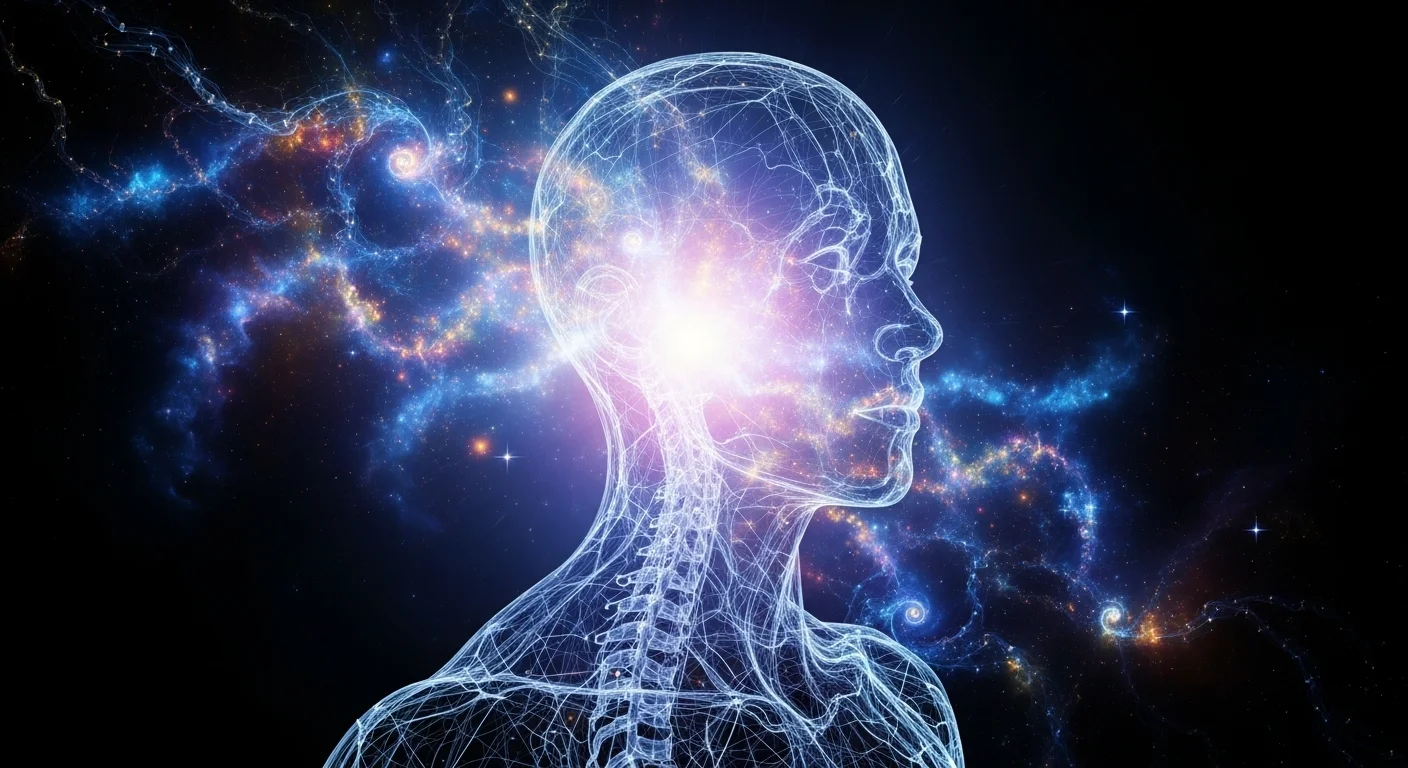
Spiritual dimensions refer to planes of existence beyond the physical world. Many belief systems suggest these realms exist alongside our material reality. They are often described as levels of frequency or energy that structure the universe. These planes typically contain non-physical entities or states of being.
Human consciousness is the state of being aware of internal and external existence. It includes thoughts, feelings, perceptions, and memories. Scientists study this phenomenon through neurology and psychology to understand how the brain processes information. It allows individuals to experience subjectivity and make decisions.
The connection between these concepts involves how awareness interacts with non-physical realms. Some theories propose that consciousness can expand to perceive these dimensions. This interaction suggests that the mind operates beyond the biological limits of the brain. Research continues to investigate these potential capabilities.
The Hierarchy of Planes in Spiritual Theory
Spiritual theories describe existence as a structured hierarchy of layers. These layers are known as planes. Each plane represents a distinct level of density and vibration. The physical world is typically considered the lowest and most dense level in this system of organization.
Above the physical realm, proponents identify the astral and mental planes. The astral plane is usually associated with emotions and desires. The mental plane contains thoughts and abstract concepts. Practitioners state that consciousness can interact with these levels during states of focus or meditation.
The highest levels are often termed the causal or spiritual planes. These dimensions relate to pure existence and unity. Theoretical frameworks suggest that individual evolution involves moving consciousness upward through this hierarchy. The ultimate goal is described as integration with the highest level of reality.
The Relationship Between Frequency and Conscious States
Brainwaves operate at specific frequencies measured in Hertz. These electrical impulses dictate how the brain communicates. High frequencies correlate with alertness and activity, while low frequencies link to relaxation and sleep. Scientists observe distinct patterns during different mental tasks and states of awareness.
Beta waves occur when a person focuses on external tasks or solves problems. Alpha waves appear during moments of rest and reflection. Slower Theta waves dominate during deep meditation or drowsiness. Each frequency range facilitates a specific level of perception and cognitive processing within the mind.
Altering these brainwave frequencies allows access to different states of consciousness. Practitioners use techniques like meditation to lower brain activity intentionally. This shift enables experiences often described as spiritual or expanded awareness. The synchronization of these frequencies supports the stability of these altered mental states.

Methods for Expanding Consciousness to New Dimensions
Meditation is a common technique used to alter awareness. Practitioners focus attention to silence the mind. This process reduces mental noise and increases focus on the present moment. Regular practice allows individuals to observe thoughts without attachment. This leads to a perception of different states of being.
Controlled breathing exercises regulate the nervous system. These techniques change oxygen levels in the brain and body. This physical shift often supports a change in mental state. Yoga combines movement with breath to align physical and mental focus. This integration helps people access deeper levels of awareness.
Sound therapy uses specific frequencies to impact brainwave activity. Listening to binaural beats or chanting can induce relaxation. These sounds help the brain enter states associated with deep sleep or intense focus. This auditory stimulation provides a pathway for the mind to explore non-ordinary states of reality.
Scientific and Metaphysical Views on Non-Physical Realms
Modern physics explores concepts that resemble non-physical dimensions. Theoretical frameworks like string theory propose extra spatial dimensions beyond the three we perceive. These mathematical models suggest that invisible realms might exist alongside our known reality. Researchers study these ideas to understand the fundamental structure of the universe.
Metaphysical traditions often describe planes of existence that transcend the physical world. These philosophies argue that consciousness functions independently of the biological brain. Practitioners believe that individuals can access these states through meditation or altered states of awareness. This perspective emphasizes a reality composed of energy and thought.
Scholars attempt to bridge the gap between objective data and subjective experience. While science demands empirical evidence to validate theories, metaphysics relies on personal insight. Both fields currently seek to explain the origins of consciousness. This ongoing dialogue helps expand our definition of what constitutes reality.
Integrating Multidimensional Awareness into Daily Life
To integrate multidimensional awareness, individuals must practice consistent self-observation throughout the day. This process involves monitoring thoughts and emotions as they happen. You should identify patterns in your mental state without immediate reaction. This habit creates a bridge between physical routine and higher states of consciousness.
Establishing a daily meditation routine supports this integration significantly. Allocate specific time each morning to silence the mind and focus on internal awareness. This practice strengthens the ability to perceive subtle energies. Over time, this discipline makes spiritual concepts practical and applicable to ordinary tasks.
Apply this expanded awareness during interactions with other people. Listen actively and observe the energy behind words rather than just the surface meaning. This approach changes how decisions are made. It aligns actions with a broader perspective, ensuring that daily choices reflect a deeper spiritual understanding.