
Spirituality refers to non-physical aspects of existence. It involves the search for meaning, purpose, and connection to something larger than the self. This concept encompasses personal beliefs, values, and inner experiences that shape a person’s perspective on life and their specific place within the universe.
Materiality concerns the physical and tangible elements of reality. It includes objects, resources, money, and the biological body. This term describes the concrete world that people measure, touch, and perceive through the senses, forming the basis of daily survival and necessary physical interactions.
These concepts seem distinct, yet they coexist in human experience. Spirituality often directs how individuals utilize material resources, while physical conditions affect internal well-being. A clear understanding of these definitions creates a necessary foundation for analyzing the complex relationship between inner beliefs and outer reality.
The Interconnection of Mind and Body
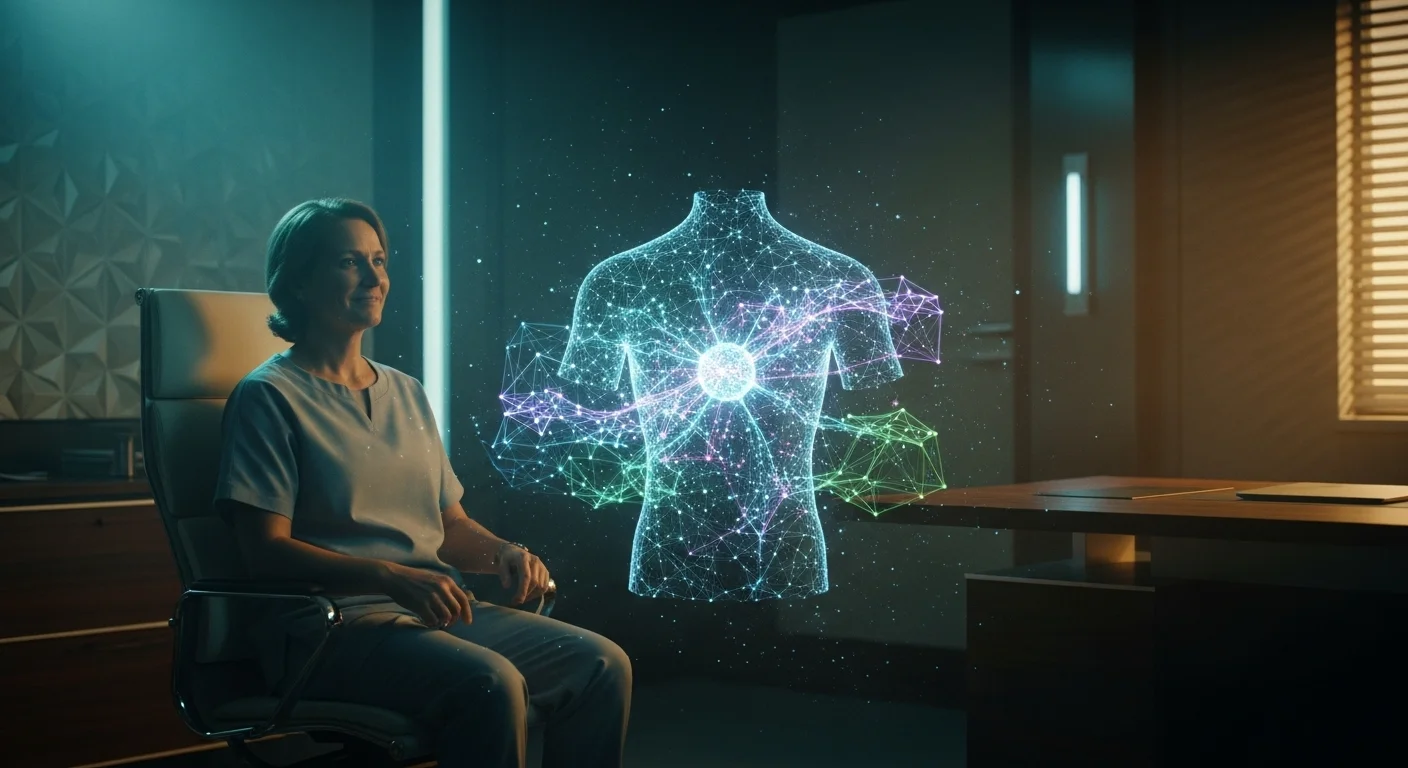
The human organism functions as a unified system where mental states influence physical conditions. Thoughts and emotions trigger chemical reactions within the brain. These reactions send signals through the nervous system to various organs. Consequently, psychological stress often manifests as tangible physical symptoms in the body.
Conversely, the physical state of the body directly impacts mental function. Proper nutrition and regular exercise regulate hormones that control mood and cognition. Illness or chronic pain often disrupts focus and emotional stability. Therefore, maintaining physical health remains essential for ensuring mental clarity and emotional balance.
Research demonstrates that separating mental health from physical health is incorrect. Medical professionals now treat the patient as a whole entity rather than isolating specific symptoms. This approach proves that ignoring one aspect inevitably degrades the other. A balanced life requires attention to both internal and external factors.
Philosophical Views on the Unity of Reality
Many philosophical traditions propose that existence involves a single substance. Monism suggests that mind and matter constitute different aspects of one reality. This view opposes dualism, which separates the physical world from the spiritual realm. Thinkers argue that distinctions between them are merely human constructs.
Baruch Spinoza offered a famous argument regarding this unification. He defined God and Nature as identical entities. According to his philosophy, everything existing in the universe represents a mode of this single infinite substance. Therefore, the spiritual and the material exist simultaneously within the same system.
Eastern philosophies also frequently describe a non-dual reality. Schools like Advaita Vedanta teach that individual souls and the universal source are fundamentally the same. These systems state that perceiving separation creates an illusion. They emphasize that the material world manifests directly from an underlying spiritual foundation.
How Material Conditions Influence Spiritual Practice
Basic physical needs determine the time available for spiritual activities. When individuals lack food or shelter, their minds focus on survival. This immediate necessity makes it difficult to engage in meditation. Economic stability provides the necessary time and safety needed for deep reflection and study.
The physical environment directly impacts the quality of spiritual exercises. A quiet and safe space allows for better concentration during rituals. Conversely, loud or chaotic surroundings interrupt focus. Access to books, teachers, and community centers also depends on specific material resources and location.
Physical health serves as a foundation for mental clarity. Pain or illness often distracts the mind from spiritual goals. A nourished body supports the energy required for periods of study or worship. Consequently, maintaining the body helps sustain consistent spiritual development and practice.
Using Material Resources for Spiritual Purposes
Physical assets often support specific religious or spiritual activities. Money funds the construction of large centers for meditation and prayer. Food and clothing provide aid to people during charitable missions. These concrete items function as necessary tools that allow individuals to practice their beliefs effectively.
Individuals allocate money to buy books that teach spiritual concepts. Funds also cover travel costs to visit important religious locations. Buying simple items like mats creates a distinct area for meditation. These purchases remove physical barriers and support a focused and regular daily internal routine.
Organizations require significant capital to maintain operations and organize educational events. Donations pay for electricity, building maintenance, and staff salaries at community centers. This financial stability ensures that spiritual guidance remains accessible to the public. Physical resources provide the necessary foundation for long-term institutional stability.
Practical Steps to Integrate Both Aspects of Life
Start by creating a daily schedule that includes time for reflection during work. When you perform physical tasks like eating or walking, pay close attention to the action. This habit connects your mind to the physical world and reduces the separation between internal thoughts and external actions.
You should align your financial decisions with your personal values. Before you buy items or choose a career path, consider if these choices support your ethical beliefs. This practice ensures that your material success supports your inner growth rather than conflicting with your principles.
Use your physical resources to help other people in your community. When you donate money or volunteer time, you transform material assets into a spiritual practice. This action demonstrates that physical wealth serves a purpose beyond mere accumulation and fosters a sense of connection.