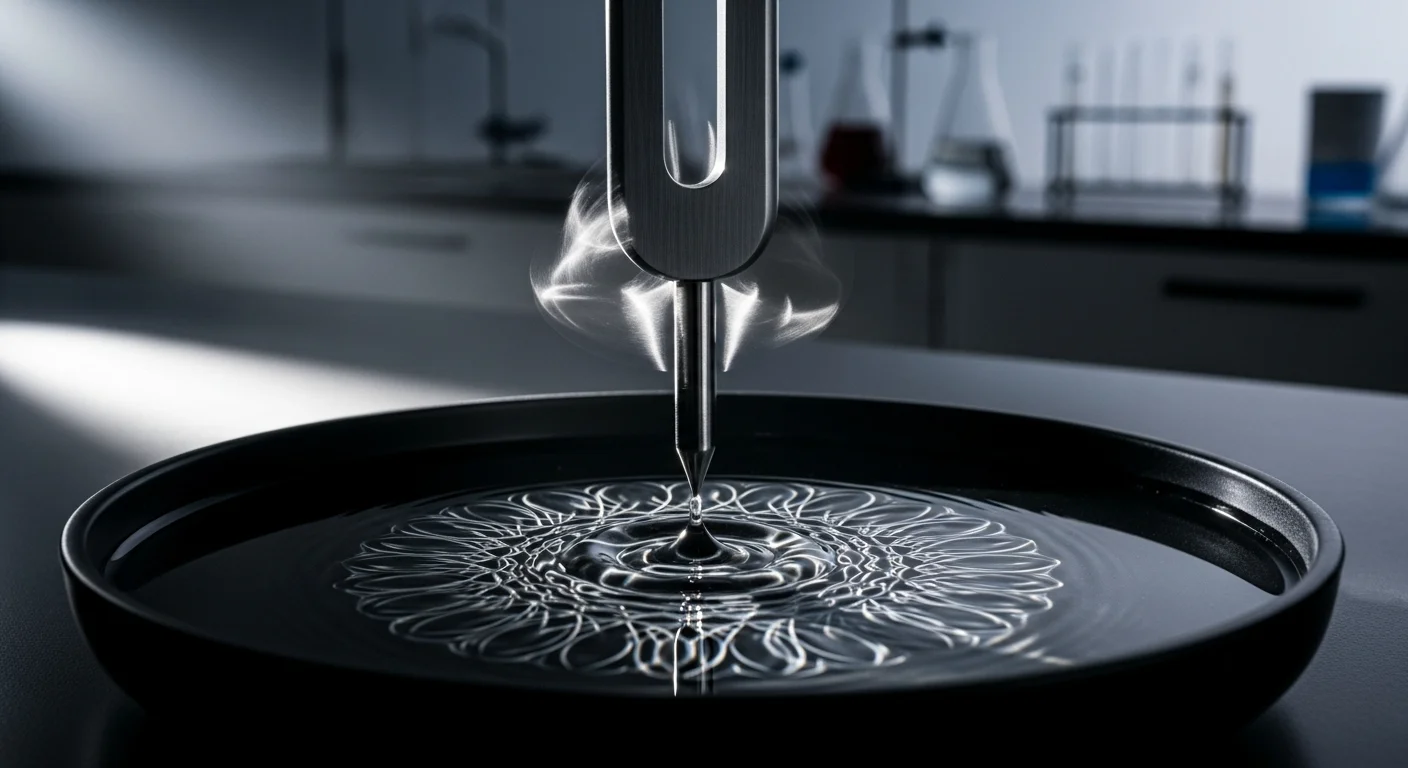
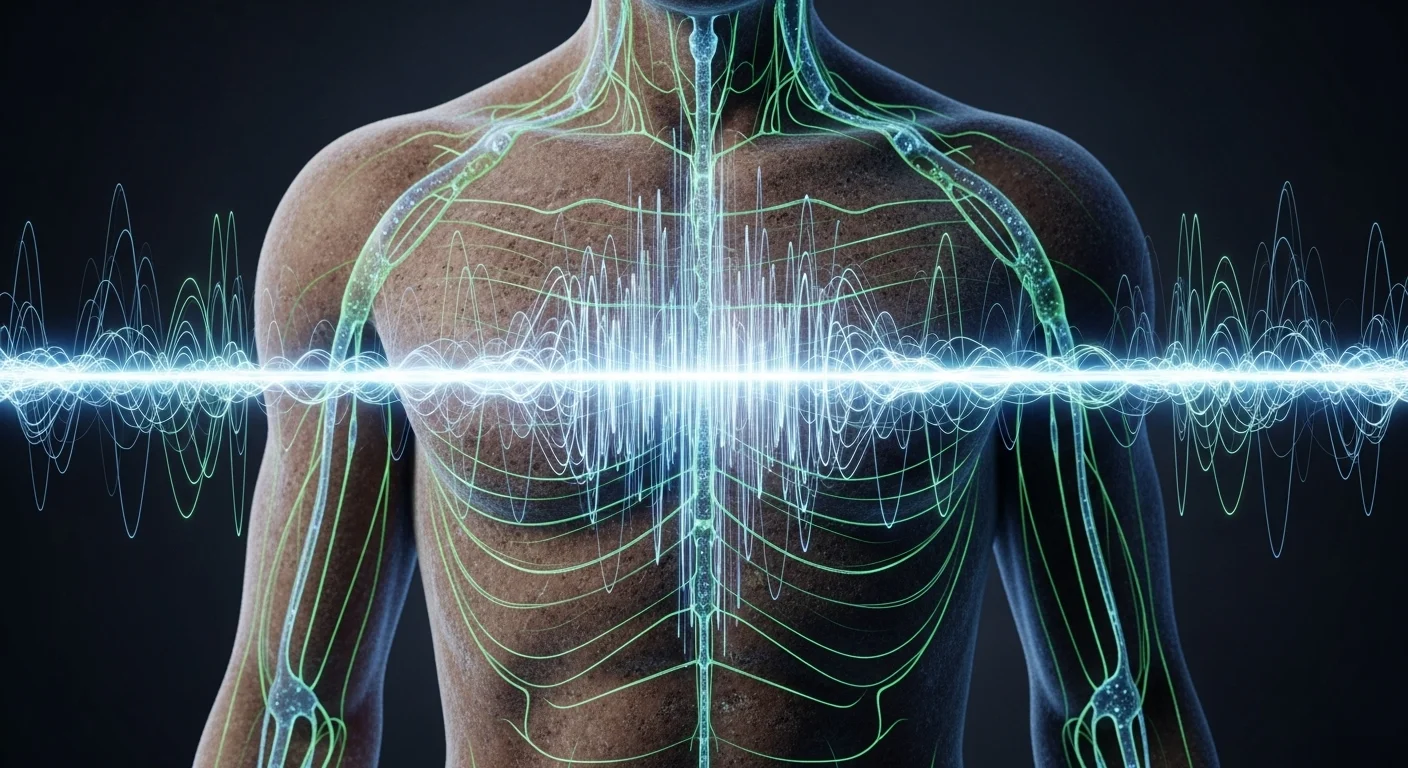
Biological oscillation refers to the rhythmic fluctuations that occur within living organisms. These repetitive cycles happen at various levels, ranging from cellular activities to large-scale organ functions. Examples include the beating of the human heart and the firing of neural networks in the brain.
Frequency quantifies the rate at which these biological oscillations repeat over a specific period. Scientists measure this value in Hertz, where one Hertz equals one cycle per second. High frequencies indicate rapid changes, while low frequencies denote slower rhythms within the biological system.
Researchers analyze these measurements to understand physiological states. Every molecule, cell, and tissue possesses a specific vibrational signature based on its mass and energy. Monitoring these specific rates helps observers identify normal patterns or detect deviations that may suggest a change in physical condition.
Measurement Methods for Body Frequencies
Specialized sensors detect subtle electromagnetic signals emitted by the human body. These highly sensitive devices measure electrical activity to determine specific frequency levels in Hertz. Researchers place electrodes on the skin to capture accurate data regarding the energetic state of various organs and biological systems.
Scientists often use calibrated frequency monitors to record the body’s baseline resonance. The equipment isolates external noise to ensure the readings remain precise during the analysis. This process identifies the vibrational rate of healthy tissue compared to areas that may exhibit lower oscillation speeds.
The collected data displays the frequency in Megahertz for immediate evaluation. Experts compare these numbers against standard healthy ranges to assess physical condition. A lower measurement typically indicates a compromised immune system, while higher numbers generally reflect optimal health and strong physical function.
Resonant Frequencies of Human Organs and Tissues
Research indicates that human organs and tissues possess distinct natural frequencies. When external vibrations match these frequencies, resonance occurs. This physical phenomenon causes the structure to oscillate with greater amplitude. Studies show that the entire human body generally resonates between 5 Hz and 10 Hz.
Specific body parts exhibit unique resonant ranges during vertical vibration. The head frequently resonates between 20 Hz and 30 Hz. The chest wall usually vibrates between 50 Hz and 100 Hz. The eyeballs resonate within the range of 20 Hz to 90 Hz depending on stiffness.
Exposure to high-intensity vibrations at these specific frequencies often leads to physical damage or discomfort. Engineers design vehicles and machinery to avoid generating these resonance bands. This precaution protects the organs from excessive stress and prevents potential long-term health issues for the operators.

Effects of Mechanical Vibration on Cellular Function
Mechanical vibration applies physical force to the exterior surface of human cells. This external force alters the structure of the cytoskeleton, which serves as the internal framework. Studies indicate that these structural changes signal the nucleus to modify specific biological processes and vital cellular functions.
Scientists observe that controlled vibrations stimulate osteoblasts, which are the cells responsible for bone formation. This stimulation increases bone density and strength. Additionally, these mechanical forces can enhance fluid circulation around cells, which improves the delivery of nutrients and the removal of metabolic waste products.
The specific impact on cellular function depends heavily on the frequency and intensity of the applied vibration. Low-frequency vibrations often aid tissue repair and support muscle recovery. However, high-intensity vibrations at incorrect frequencies may cause physical damage to soft tissues or disrupt normal cellular communication.
Application of Whole Body Vibration in Therapy
Whole body vibration therapy involves standing, sitting, or lying on a machine with a vibrating platform. The device transmits energy to the body, forcing muscles to contract and relax dozens of times each second. This physical process aims to increase muscle strength and improve stability.
Medical professionals use this therapy to assist patients with compromised mobility or balance issues. Studies suggest that vibrations can help increase bone mineral density and enhance blood circulation. The treatment is also utilized to reduce back pain and alleviate symptoms of chronic conditions like arthritis.
A typical session lasts between ten and fifteen minutes and occurs several times a week. Supervision is often necessary to ensure proper form and safety during the procedure. Individuals with heart conditions or pregnancy should consult a doctor before starting any vibration therapy regimen.
Scientific Evidence Regarding Frequency Medicine
Frequency medicine involves the use of electromagnetic fields to treat health conditions. Researchers study how specific frequencies affect biological tissues. While some devices like Pulsed Electromagnetic Field therapy have FDA approval for bone healing, the broader claims of frequency medicine require more rigorous clinical trials to establish efficacy.
Scientists investigate resonance in cells and how energy waves interact with molecular structures. Studies show that certain frequencies can stimulate cellular repair or reduce inflammation. However, results vary significantly between studies. Standardizing the frequency protocols remains a major challenge for the scientific community to validate these methods.
Mainstream medicine accepts diagnostic tools like MRIs and ultrasounds which utilize frequency principles. Therapeutic applications outside of bone growth or pain management often lack sufficient peer-reviewed evidence. Medical professionals advise caution when using unproven frequency devices as a replacement for standard medical treatments for serious diseases.